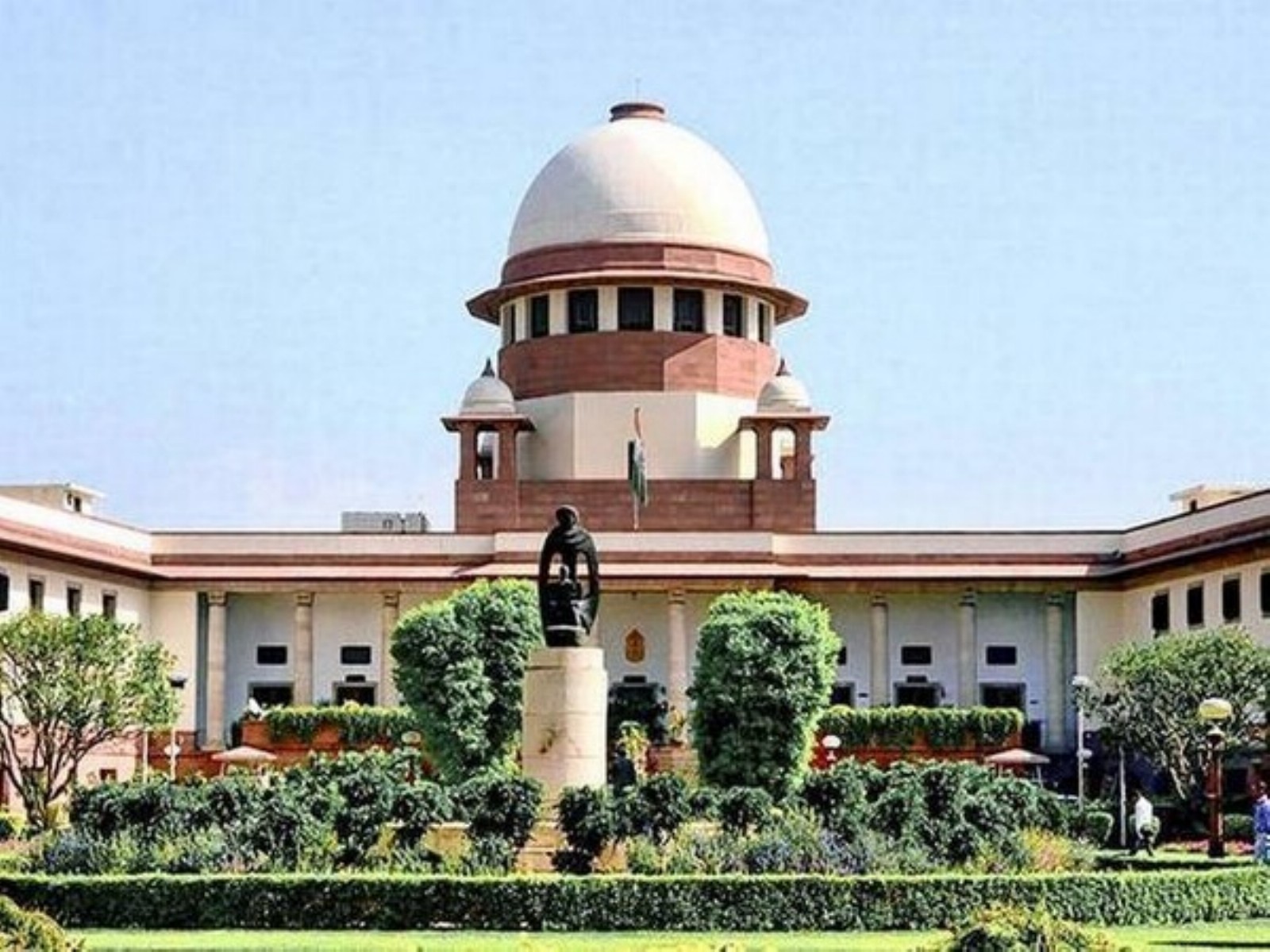
SC sets up 5-member panel headed by ex-judge R Subhash Reddy to probe police excesses during CJP protests
Aug 20, 2026
New Delhi [India], August 20 : The Supreme Court has constituted a five-member High-Powered Expert Committee (HPEC), headed by retired apex court Justice R Subhash Reddy, to conduct a fact-finding exercise into allegations of police excesses as well as violence by protesters during the recent Cockroach Janta Party (CJP)-led demonstrations.
The committee comprises former Punjab and Haryana High Court Chief Justice Ravi Shankar Jha, former Delhi High Court Justice Shalinder Kaur, former CBI Director Rishi Kumar Shukla and former Meghalaya DGP LR Bishnoi.
A bench of Chief Justice of India Surya Kant and Justices Joymalya Bagchi and V Mohana said the panel would examine the various grievances raised by both protesters and police authorities in connection with the demonstrations.
The bench said the HPEC should give priority to allegations of excessive use of force by police, violence by protesters and allegations of harassment and molestation of women protesters.
It also permitted the panel to examine whether interim compensation should be granted to persons injured during the protests, including both police personnel and protesters.
The apex court made clear that the committee's mandate would not be limited to a one-time inquiry and directed the HPEC to periodically submit interim findings so that the Court could assess the situation and issue further directions wherever necessary.
The bench also directed that CCTV recordings of the protests and body-camera footage from police and security personnel, which had earlier been ordered to be preserved, be handed over to the committee for examination.
At the same time, the top court clarified that the formation of the HPEC would not prevent police or other security authorities from initiating departmental or disciplinary proceedings against officers found to have violated applicable rules.
"The constitution of the HPEC by us shall in no way deter or debar the Police authorities or other security forces from taking administrative or disciplinary action," the order stated.
The bench said that it goes without saying that the HPEC is empowered to enlist the assistance of forensic, technical, and domain experts in the course of its enquiry, should it view it necessary so to do.
The bench in its order also noted that both sides, persons who filed petitions against police excesses and authorities, had made suggestions regarding the scope of the committee's inquiry.
The petitioners sought scrutiny of alleged police brutality; the authorities urged the apex court to ensure that grievances concerning violence against police personnel and damage to public property were also examined.
Among the issues raised by the petitioners were allegations of disproportionate police action, the use of force and violence against demonstrators, and the use of metallic kinetic projectiles or pellets during crowd-control operations. They also sought safeguards requiring police and security personnel deployed during protests to wear proper uniforms and visible identification.
The petitioners further urged an inquiry into allegations of surveillance, targeting and harassment of women protesters at Jantar Mantar, along with measures to prevent their secondary victimisation. They sought medical assistance and compensation for persons allegedly subjected to police abuse and questioned the routine imposition of blanket prohibitory orders against public gatherings.
The authorities, on the other hand, asked the HPEC to examine allegations that protesters had used force against police and other security personnel. They also flagged damage to property, injuries suffered by police personnel while performing their duties and the alleged mental and emotional trauma caused to their families.
The bench said both sets of grievances required consideration. "In our opinion, all of the issues enumerated hereinabove merit analysis by the HPEC," the bench said, adding that the committee could also examine any other issue incidental to the matter.
The order came on a batch of petitions concerning alleged police brutality during protests in Delhi's Jantar Mantar as well as demonstrations in Bihar and other parts of the country over alleged irregularities and question-paper leaks in competitive examinations, including NEET.