SC suggests linking unpaid traffic challans to electricity bills for recovery
Sep 28, 2026
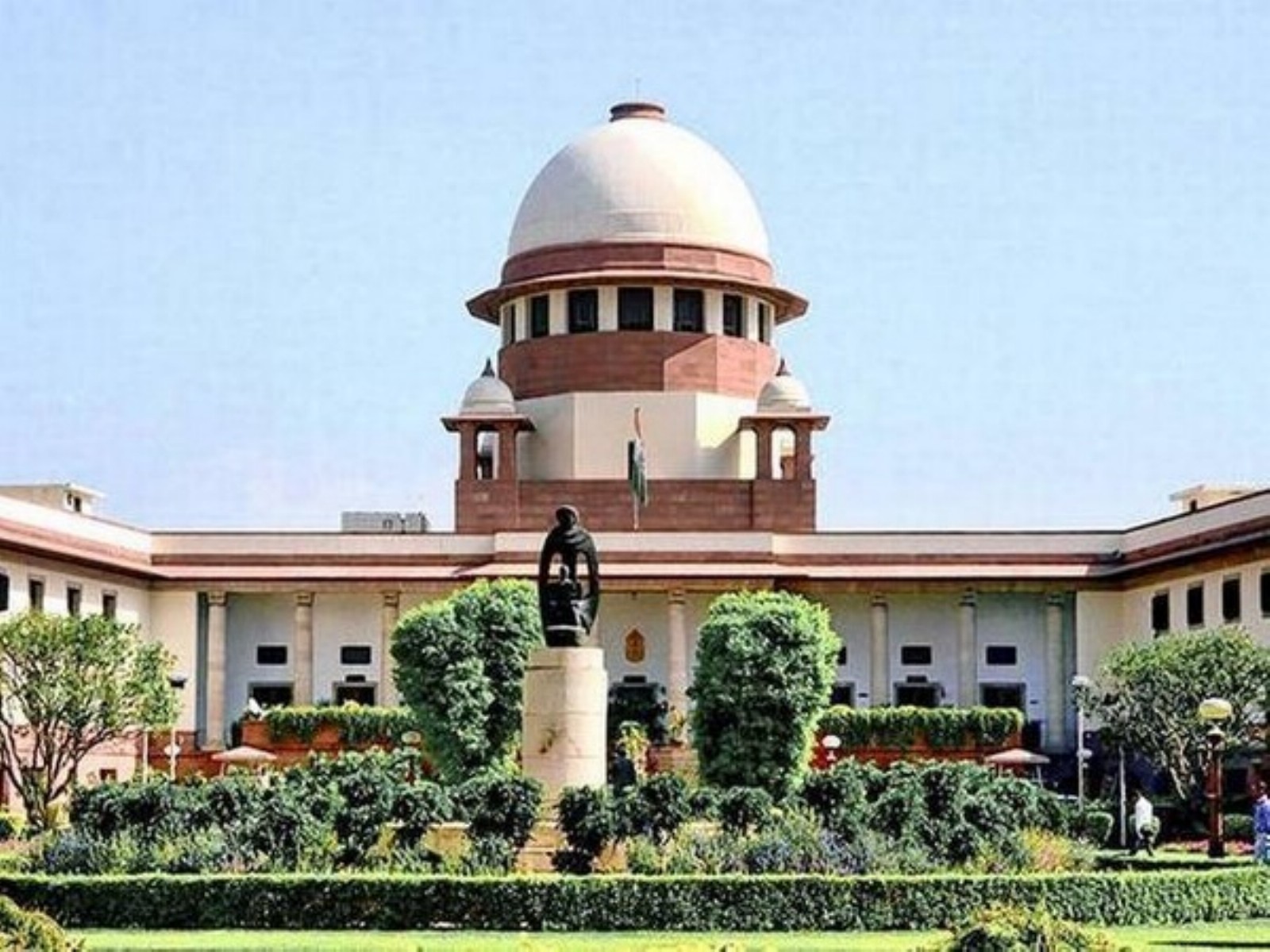
New Delhi [India], September 28 : The Supreme Court on Monday asked States and Union Territories to explore stronger mechanisms for recovery of unpaid traffic challans, including the possibility of linking outstanding e-challan dues to electricity bills.
A Bench of Justices JB Pardiwala and KV Viswanathan observed that merely issuing e-challans was not enough and that authorities must focus on recovery of the fines.
“It is not just sufficient to keep issuing e-challans,” Justice Pardiwala said, emphasising the need for measures that work “at the ground level” and take into account ground realities.
The bench suggested this while hearing a road-safety PIL concerning electronic enforcement of traffic violations and recovery of unpaid fines.
Suggesting that unpaid challans could be added to electricity dues, the bench said that defaulters would then have an incentive to clear the outstanding amount.
The Court was informed that nearly Rs 45,000 crore in e-challan fines was pending recovery across States and UTs, of which around Rs 25,000 crore had been recovered.
The bench also discussed measures including blocking renewal of vehicle registration certificates, ownership transfers, fitness and PUC certificates, as well as renewal of driving licences where challans remain unpaid.
It suggested blacklisting defaulting vehicles on the Parivahan portal and conducting random checks, with the possibility of impounding vehicles found with unpaid challans.
“Authorities need to work at the ground level having regard to ground realities,” Justice Pardiwala said.
The suggestions came in the long-running road-safety PIL filed in 2012 by Coimbatore-based orthopaedic surgeon S Rajaseekaran.
The Court also expressed concern over whether directions issued over nearly 14 years were being implemented on the ground and asked amicus curiae Senior Advocate Gaurav Agarwal to prepare a chart detailing the directions issued by the Court, timelines prescribed for their implementation, their present status and his remarks on compliance.