SC upholds forensic audit of Fortis in ex-promoters ’ Daiichi dispute; says HC’s “strictures” were only tentative
Sep 25, 2026
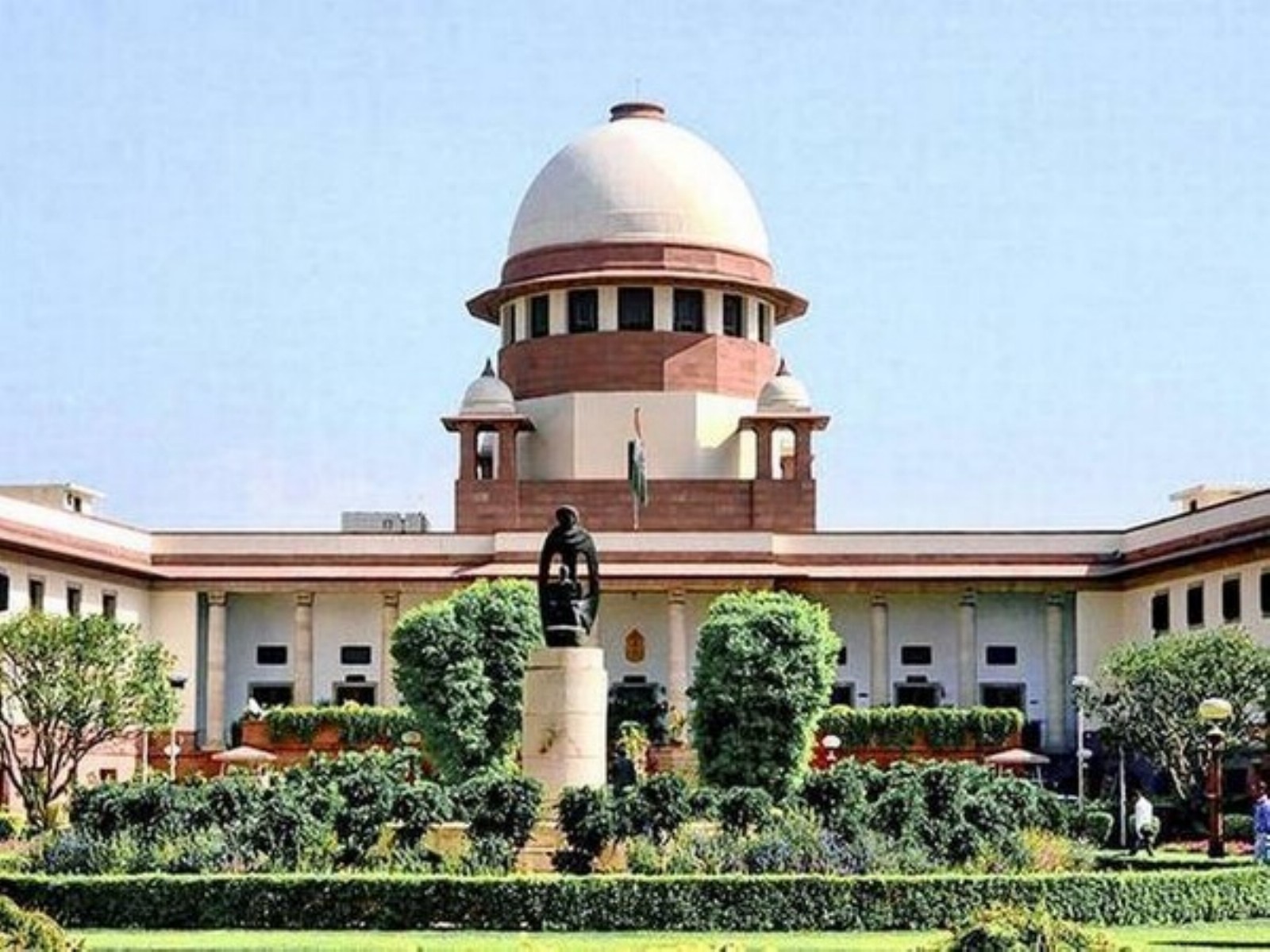
New Delhi [India], September 25 : The Supreme Court on Friday declined to interfere with the Delhi High Court order directing a forensic audit of Fortis Healthcare Limited in proceedings arising from Daiichi Sankyo’s attempt to enforce its arbitral award against former Fortis promoters Malvinder Mohan Singh and Shivinder Mohan Singh.
A bench comprising Chief Justice of India (CJI) Surya Kant and Justices Joymalya Bagchi and V Mohana clarified that the observations made by the High Court against Fortis were prima facie and tentative. It said the forensic auditor would have to carry out the audit independently and would not be influenced by those observations.
Appearing for Fortis, Senior Advocate Abhishek Manu Singhvi argued that the company was being subjected to a forensic audit despite the absence of any specific allegation against Fortis, its directors or officers. He submitted that Fortis was neither a party to the arbitration proceedings nor a judgement debtor.
Singhvi further contended that, as a listed company, Fortis had no legal authority to prevent its shareholders from transferring dematerialised shares. The company, he argued, could not be held liable merely because one of its shareholders had transferred shares.
Senior Advocate Darius Khambata, also appearing for Fortis, submitted that the provisions of the Depositories Act left the company with no authority to regulate or prevent transfers of dematerialised shares. He further argued that the High Court’s observations were only tentative and could not be construed as wrongdoing against Fortis.
The Court, however, questioned whether Fortis’ management could have been unaware of the status quo orders relating to the Singh Brothers’ shareholding. It also considered whether the conduct of those managing the company during the relevant period required examination.
Justice Bagchi asked whether Fortis’ role warranted scrutiny, particularly in light of the changes in the company’s ownership and management.
Singhvi responded that mere knowledge of transactions involving Fortis shareholders could not, by itself, impose liability on the company. He reiterated that Fortis had not been a party to either the arbitration or the earlier execution proceedings and could not therefore be characterised as an enabler.
Senior Advocate Mukul Rohatgi, appearing for Daiichi Sankyo, opposed Fortis’ plea. He submitted that Daiichi had secured an arbitral award in 2016 against several judgement debtors, including the Singh Brothers. According to him, their substantial shareholding in Fortis subsequently disappeared despite assurances made during court proceedings.
The case originated from Daiichi Sankyo seeking to execute a 2016 arbitral award against the Singh Brothers and other judgement debtors.
The Supreme Court ultimately declined to set aside the direction for a forensic audit. It clarified, however, that the Delhi High Court’s observations against Fortis—including those in paragraphs 201, 202, 219, 220, 223, 225 and 241, as well as other passages containing “strictures” against the company—were only prima facie and tentative observations made for the limited purpose of supporting the audit.