SC warns Rajasthan of CBI probe over illegal mining, misrepresentation of river demarcation orders
Oct 26, 2026
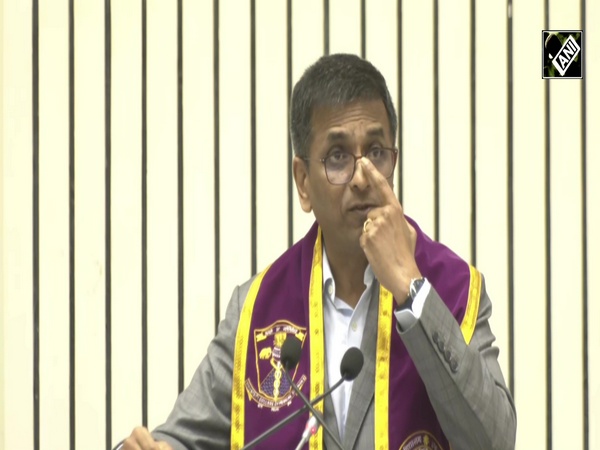
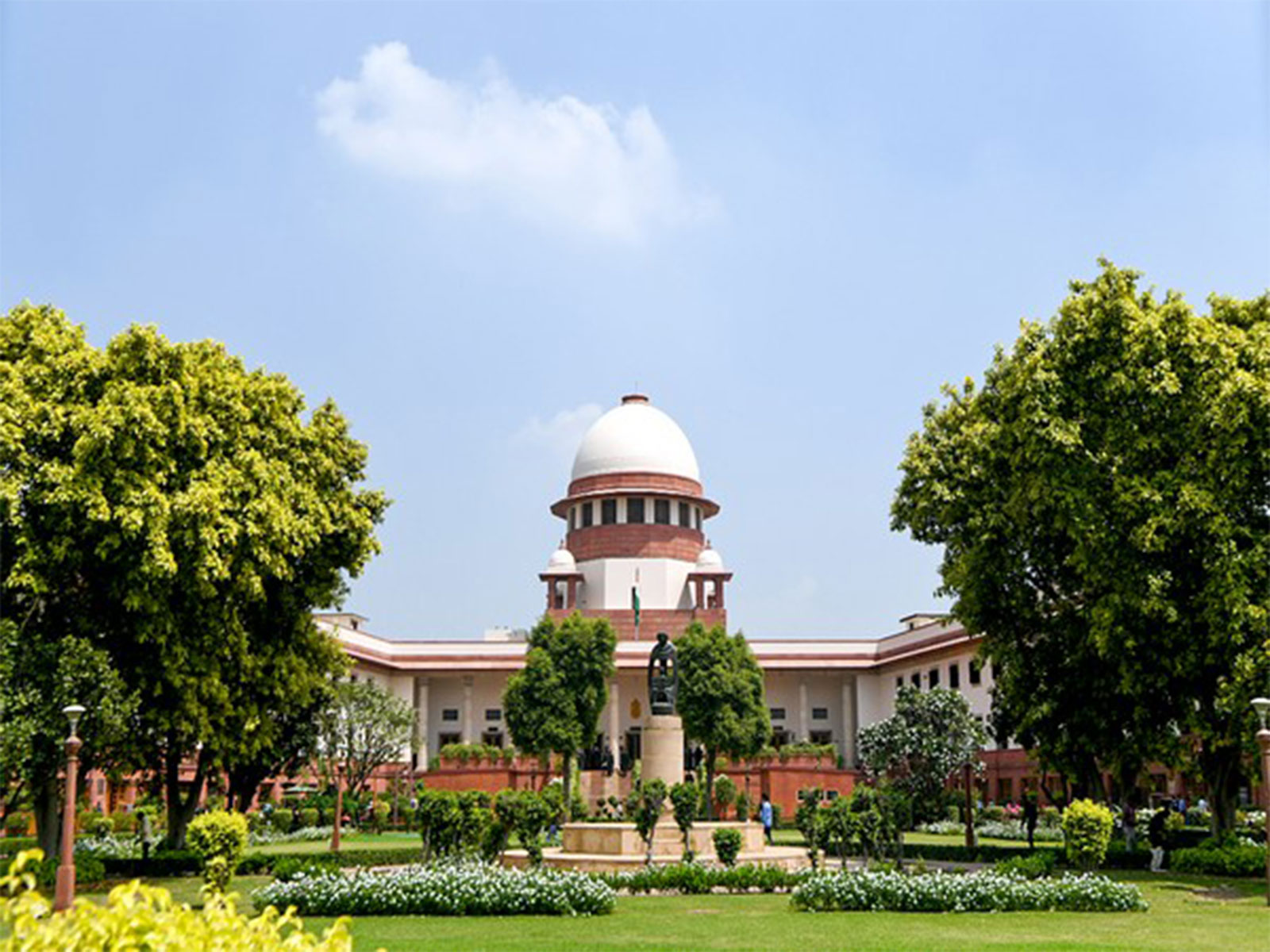
New Delhi [India], October 26 : The Supreme Court on Monday warned that it may order a CBI investigation into alleged illegal mining and regularisation of mining leases along Rajasthan’s Jojari-Luni-Bandi river system, accusing State officials of failing to protect the rivers despite repeated judicial directions.
A bench of Justice Vikram Nath and Justice Sandeep Mehta questioned why mining areas where illegal activities had been detected were subsequently regularised through leases. “If you don't pull up your socks and don't mend your ways, we will be compelled to direct a CBI investigation,” Justice Mehta told Additional Solicitor General SV Raju, appearing for Rajasthan.
The apex court also reprimanded state officials for allegedly misrepresenting its earlier directions to narrow the river corridors while determining their High Flood Lines.
Referring to records showing the Luni River’s flow width as around eight metres near Balotra, despite a bridge spanning approximately 1,782 metres, Justice Mehta called the situation the “height of absurdity”. Justice Nath remarked that the officials were “hoodwinking” the court.
The bench directed Rajasthan to protect the entire recorded river corridors, adopting whichever boundaries were wider in the Revenue and Water Resources Department records. Raju described the disputed communication as an obvious mistake and said he would examine whether it was deliberate.
The bench also asked the State to submit a concrete financial proposal for establishing common effluent treatment plants equipped with zero-liquid-discharge technology, stressing that the government could not shift the entire burden of river restoration onto industries and municipal bodies.
“The polluter pays principle will apply equally to the State as well as to the industries,” Justice Mehta said, adding that the State’s apparent failure to discharge its obligations warranted placing the initial financial burden on it.
Warning that nearly 80 per cent of industries in Rajasthan’s Sanganer industrial area were operating without no-objection certificates, according to the State’s affidavit, the top court said it could examine that issue as well. It refused to weigh industrial viability against the suffering of affected residents.
“Making 20 lakh people live in hell cannot be compared with your economic viability and economic sustenance of a few thousand people,” Justice Mehta observed.
The matter will be heard next on November 27.
Earlier in August, the apex court had prohibited construction and development within 100 metres of the riverbanks pending scientific demarcation of the High Flood Line and ecological buffer zones.
The directions come in the suo motu case concerning contamination of the Jojari River, which the apex court has linked to widespread industrial pollution affecting around 2 million people.
The apex court had earlier taken suo motu cognisance of pollution in the Jojari River in September 2025 following reports of extensive discharge of industrial effluents into the river and its adverse impact on the local population.
The proceedings also cover the broader Jojari-Bandi-Luni river system and concerns over industrial and municipal pollution.
Subsequently, the top court constituted a High-Level Ecosystem Oversight Committee headed by former Rajasthan High Court judge Justice Sangeet Lodha to formulate a comprehensive plan for the restoration and rejuvenation of the Jojari-Bandi-Luni river system.