"Separate law needed": Medical device industry associations urge Health Ministry to reconsider draft bill 2026
Aug 11, 2026
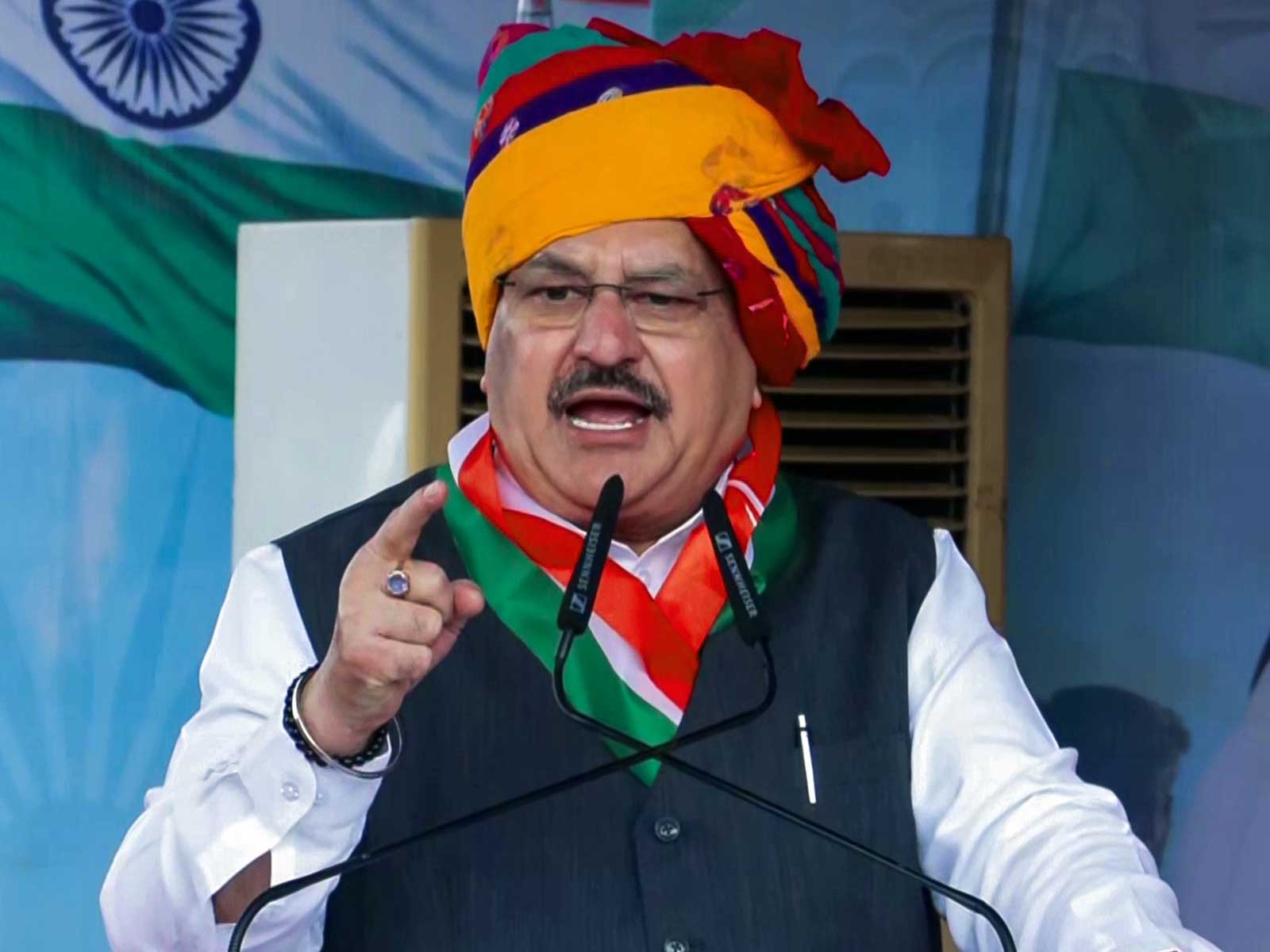
New Delhi [India], August 11 : Eleven major healthcare and medical technology associations, led by the Association of Indian Medical Device Industry (AiMED), have jointly written to Union Minister of Health and Family Welfare JP Nadda, calling for a comprehensive re-examination of the proposed Draft Drugs, Medical Devices and Cosmetics Bill, 2026.
The coalition is seeking a standalone regulatory architecture tailored exclusively to medical devices.
The joint submission argued that the draft legislation continues to treat medical devices as an adjunct to pharmaceuticals, ignoring the fundamental scientific, structural, and engineering distinctions between drugs and medical technologies.
The industry emphasised that a dedicated Medical Devices Act would significantly cut India's heavy reliance on imports (currently estimated at 70-80%) while boosting domestic manufacturing and global competitiveness.
The demand is supported by recommendations from Parliamentary Standing Committee Reports 138 and 146, along with NITI Aayog's Draft Medical Devices Bill (2019).
The letter strongly objects to provisions imposing 1 to 7 years of imprisonment for technical non-conformities, such as labelling errors, documentation lapses, licensing issues, and post-market surveillance delays.
Industry bodies contend that such criminal liability contradicts global regulatory standards (such as US FDA and EU MDR), which prioritise administrative enforcement, quality management, and corrective recalls over penal actions.
The associations raised alarms over expanded arrest and enforcement powers for regulatory inspectors, warning that punitive approaches could create a climate of fear, deter foreign investment, and stifle domestic innovation.
The submission calls for formal legal recognition of device-specific engineering parameters, including biocompatibility, usability engineering, software lifecycle safety, remanufacturing, and predicate equivalence pathways.
The coalition urged the government to establish an autonomous National Medical Devices Regulatory Authority and constitute a multi-disciplinary expert committee--comprising biomedical specialists, clinicians, engineering experts, patient safety groups, and industry representatives--to draft risk-proportionate penalties based on product class and potential harm.
The industry associations have submitted clause-specific amendment proposals alongside international regulatory benchmarks, requesting structured stakeholder consultations before the Bill is finalised.