"SP's bicycle was punctured long ago": UP Deputy CM Keshav Maurya's dig at Akhilesh Yadav
May 16, 2026
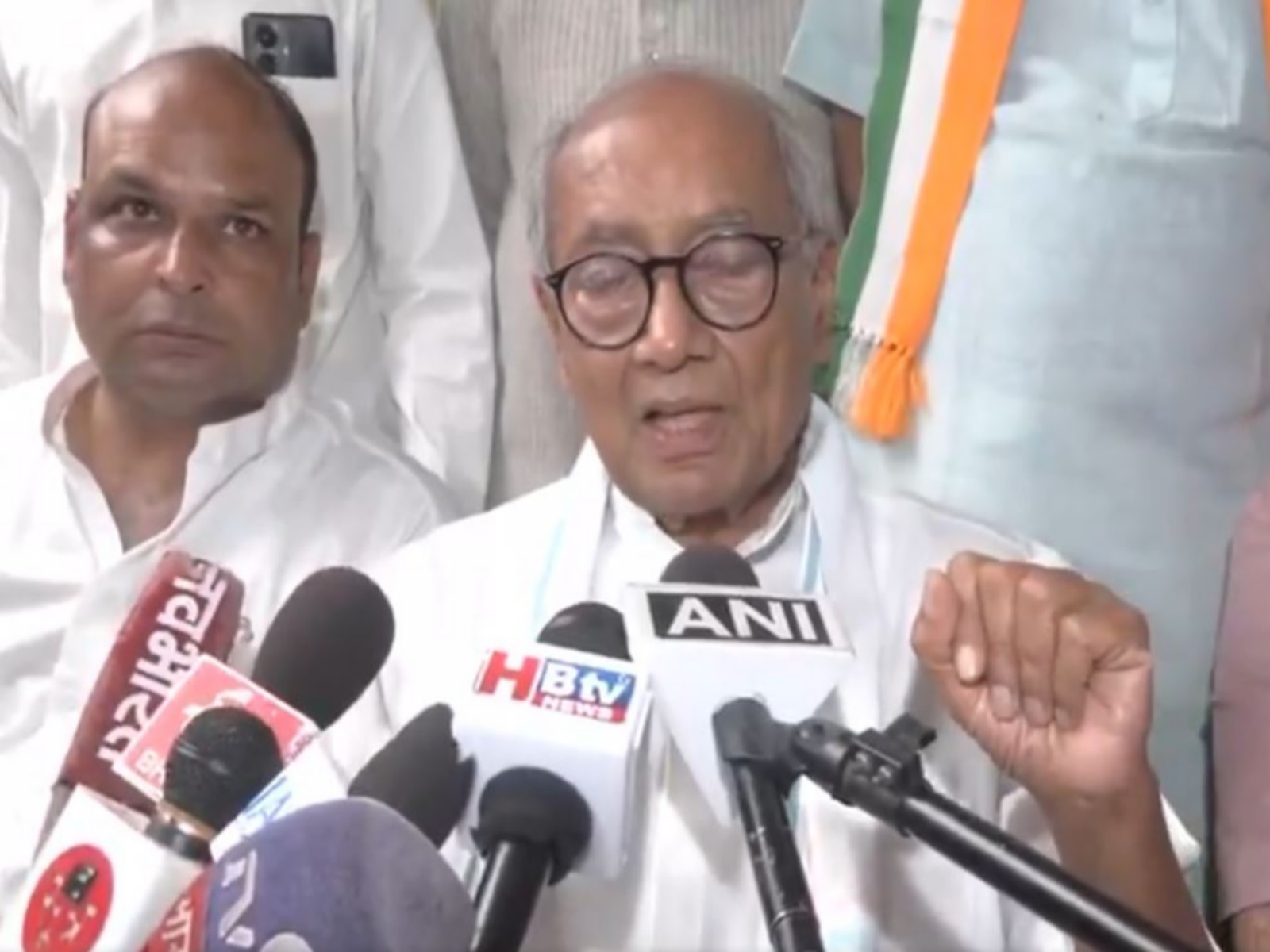
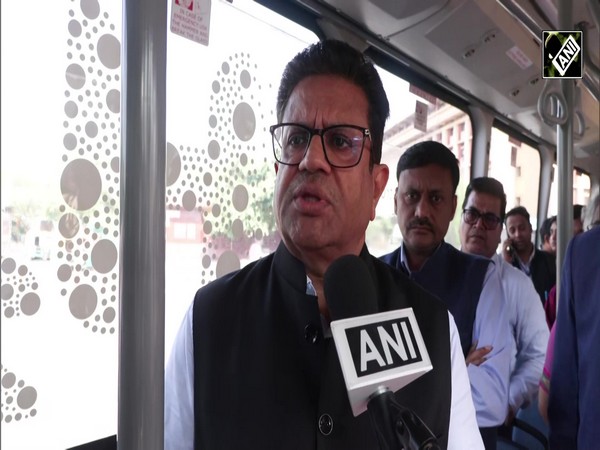
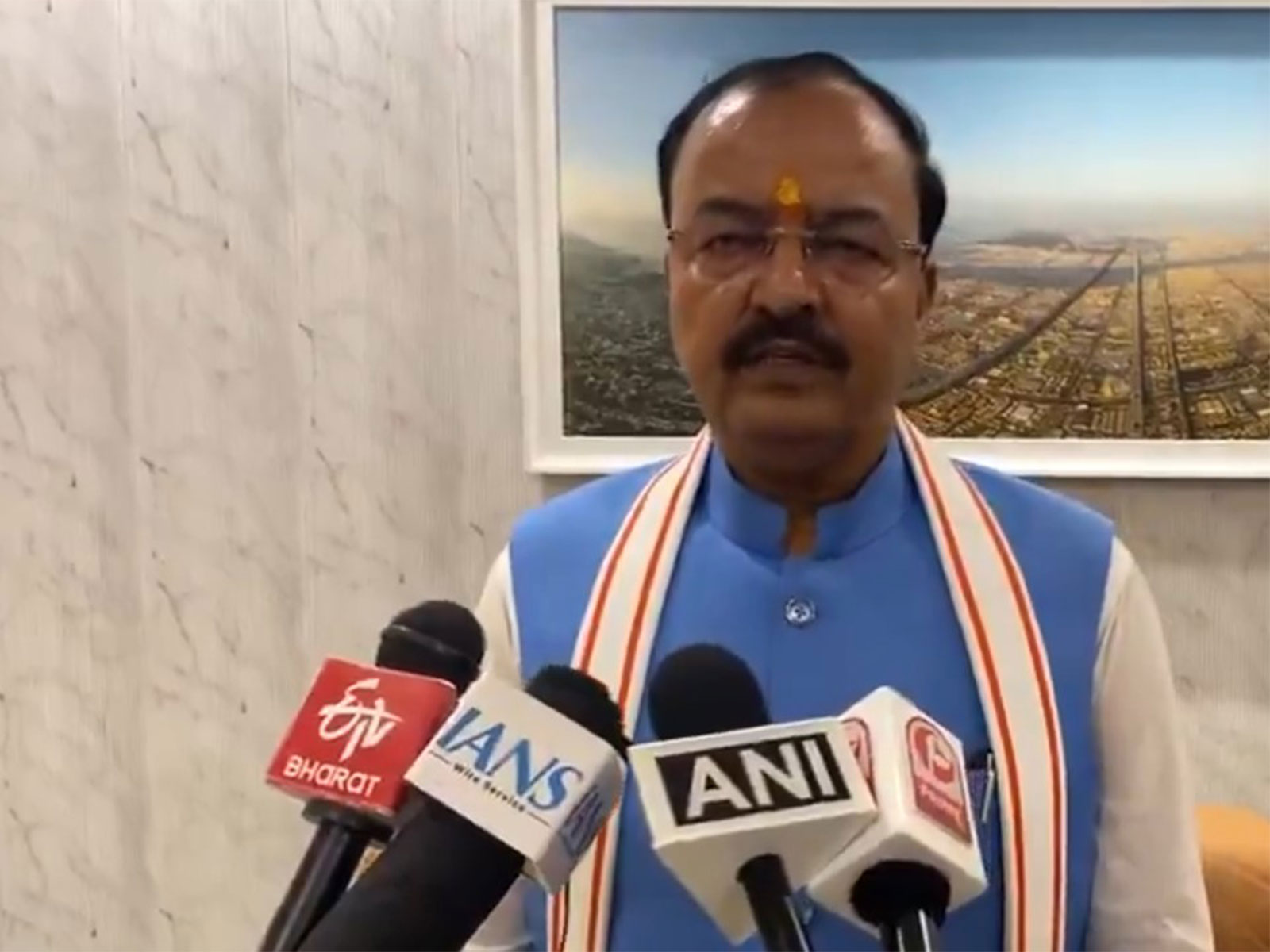
Prayagraj (Uttar Pradesh) [india], May 16 : Uttar Pradesh Deputy Chief Minister Keshav Prasad Maurya on Saturday took a sharp dig at Akhilesh Yadav, saying the Samajwadi Party (SP) chief was under a misconception about his party's symbol 'bicycle' as it was punctured a long time ago.
"He (Akhilesh Yadav) has a misconception that the Samajwadi Party's bicycle is good. The Samajwadi Party's bicycle was punctured a long time ago. But bicycle belongs to all the citizens of the country, riding it will keep your health good, whereas riding the SP's bicycle will spoil everyone's health, put lives in danger, and darken the future of Uttar Pradesh," Maurya told reporters here.
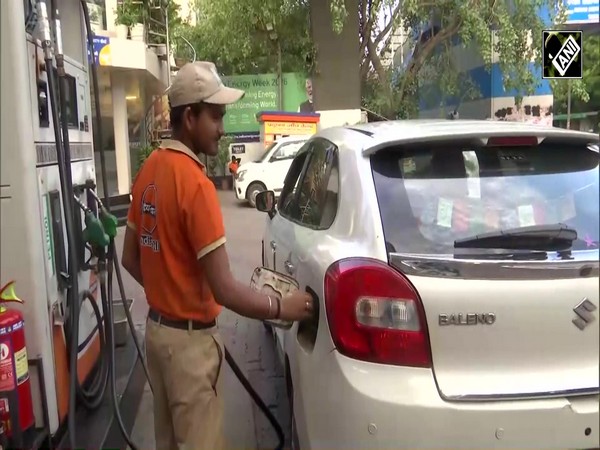
The remarks came just after Akhilesh Yadav on Friday shared a political cartoon on social media, focusing on the rising cost of fuel amid Prime Minister Narendra Modi's call for austerity.
The cartoon depicts Akhilesh Yadav riding a bicycle, his party's symbol. He is passing by a large billboard that conveys a message from the Prime Minister, "Spend less on petrol: PM."
Sharing the image on X, Yadav captioned the post: "Aage badhna hai to cycle hi vikalp hai" (I've said it from the start: there is nothing better than the bicycle!)
The cartoon is set against the backdrop of an economic crunch and soaring fuel prices due to the West Asia crisis. In this narrative, the government (represented by the PM's billboard) is advising citizens to reduce their petrol consumption, a message that is often met with public frustration due to the necessity of travel.
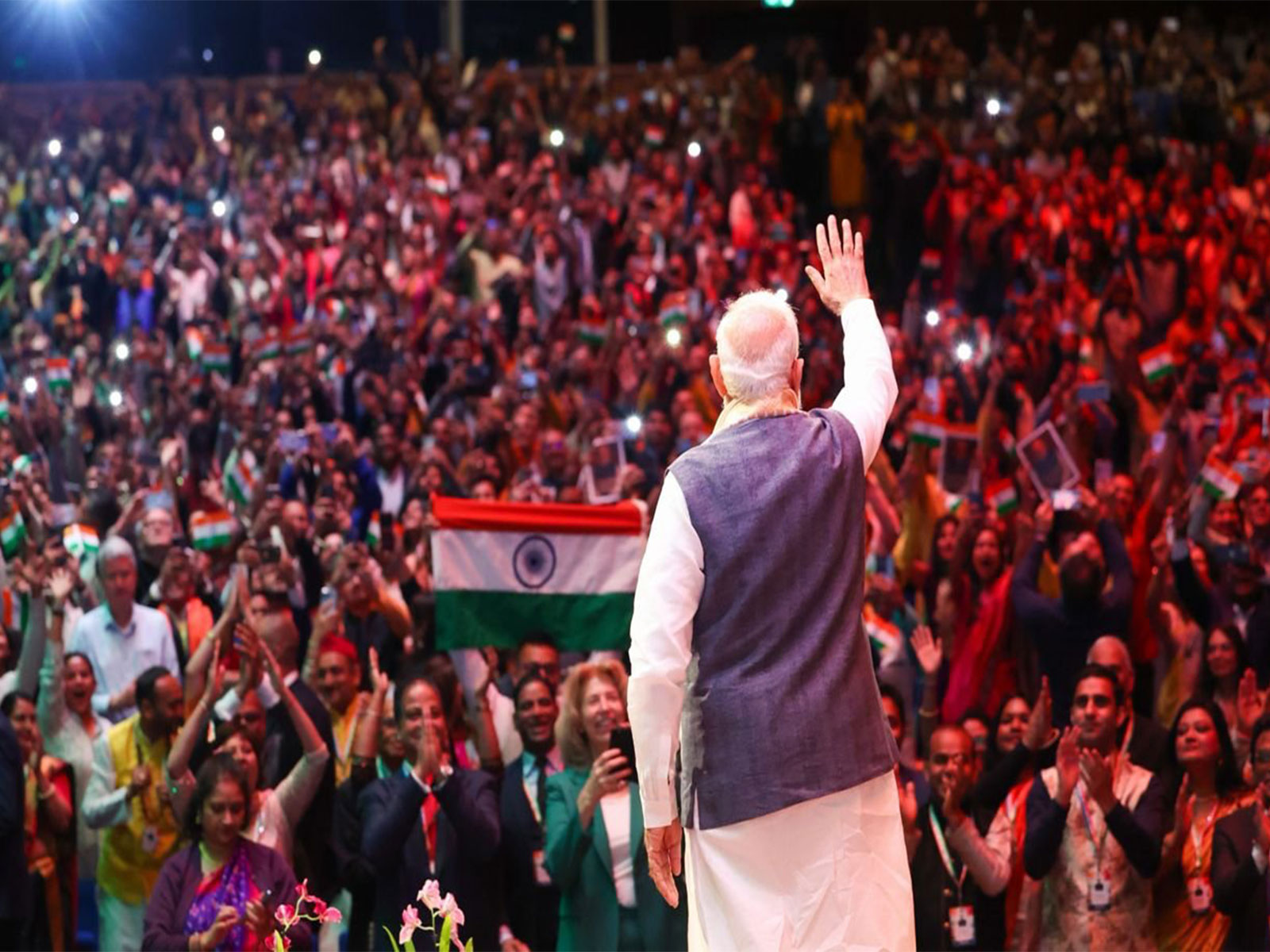
Earlier, Prime Minister Narendra Modi urged citizens to prioritise work from home, cut fuel consumption, avoid foreign travel for a year, adopt Swadeshi products, reduce cooking oil use, shift to natural farming and curb gold purchases, while addressing a gathering in Secunderabad.
To combat the volatility of fuel prices, PM Modi urged a shift in how India moves. He requested citizens to reduce petrol and diesel consumption by using the metro and public transport wherever available, opting for carpooling when private vehicles are necessary, preferring railway transport for the movement of goods, and increasing the use of electric vehicles wherever possible.