Srinagar author-filmmaker Ali Emran turns to spiritual writing to promote Kashmir’s Sufi heritage
Oct 23, 2026
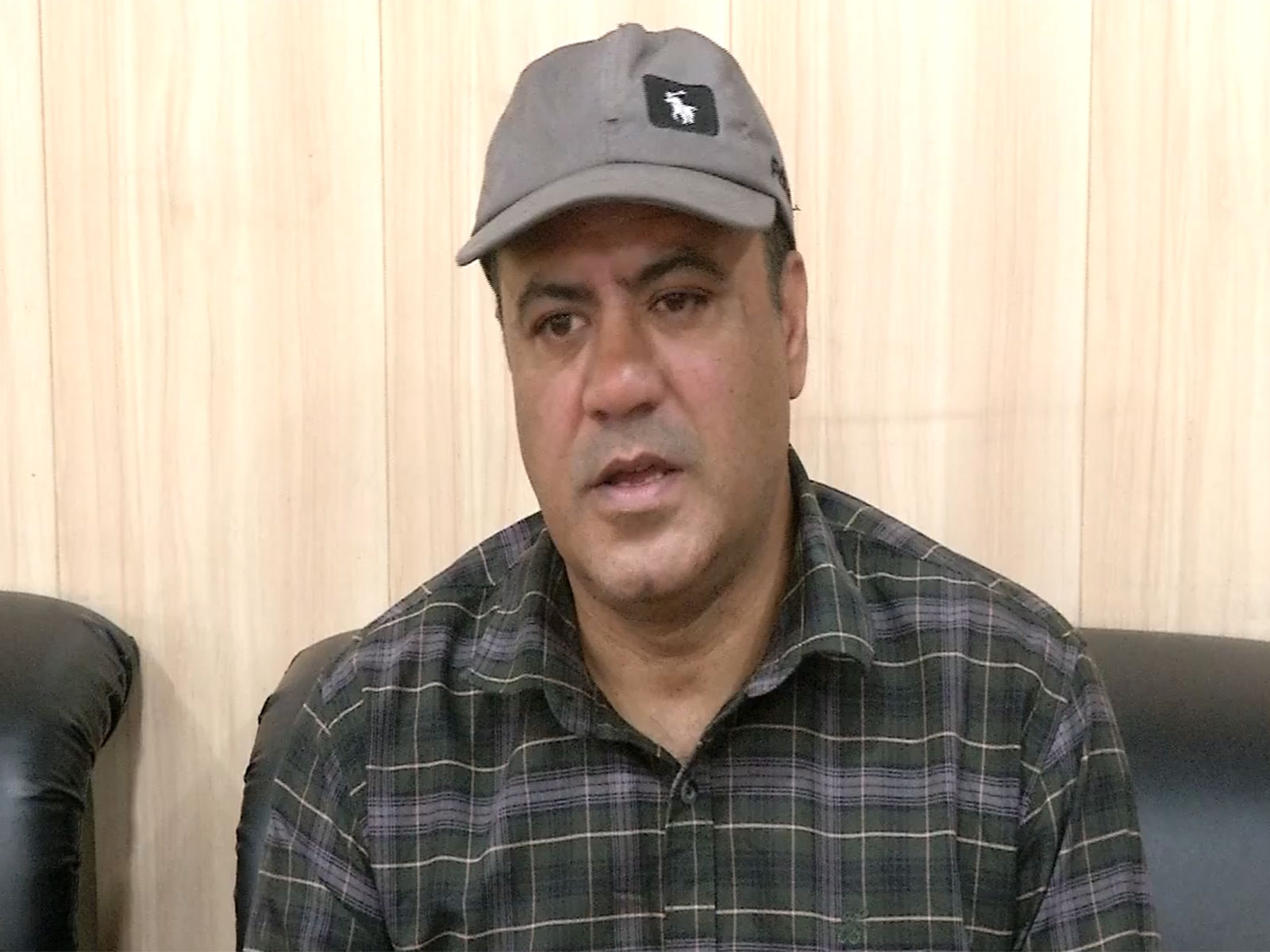
Srinagar (Jammu and Kashmir) [India], October 23 : Filmmaker and writer Ali Emran, who has contributed to promoting Kashmiri cinema through films and film festivals, is now exploring the world of literature to preserve and promote the Valley’s rich Sufi culture, spiritual traditions and composite heritage.
Emran, who uses the pen name ‘Mehar’, recently released his book ‘The Unseen Voice’, an English-language collection based on spiritual philosophy and presented in poetic stanzas, at a programme held at the seminar hall of the Jammu and Kashmir Academy of Art, Culture and Languages in Srinagar. The book received appreciation from literary figures, including Mohammad Amin Bhat, president of the Jammu and Kashmir Adbi Markaz Kamraz.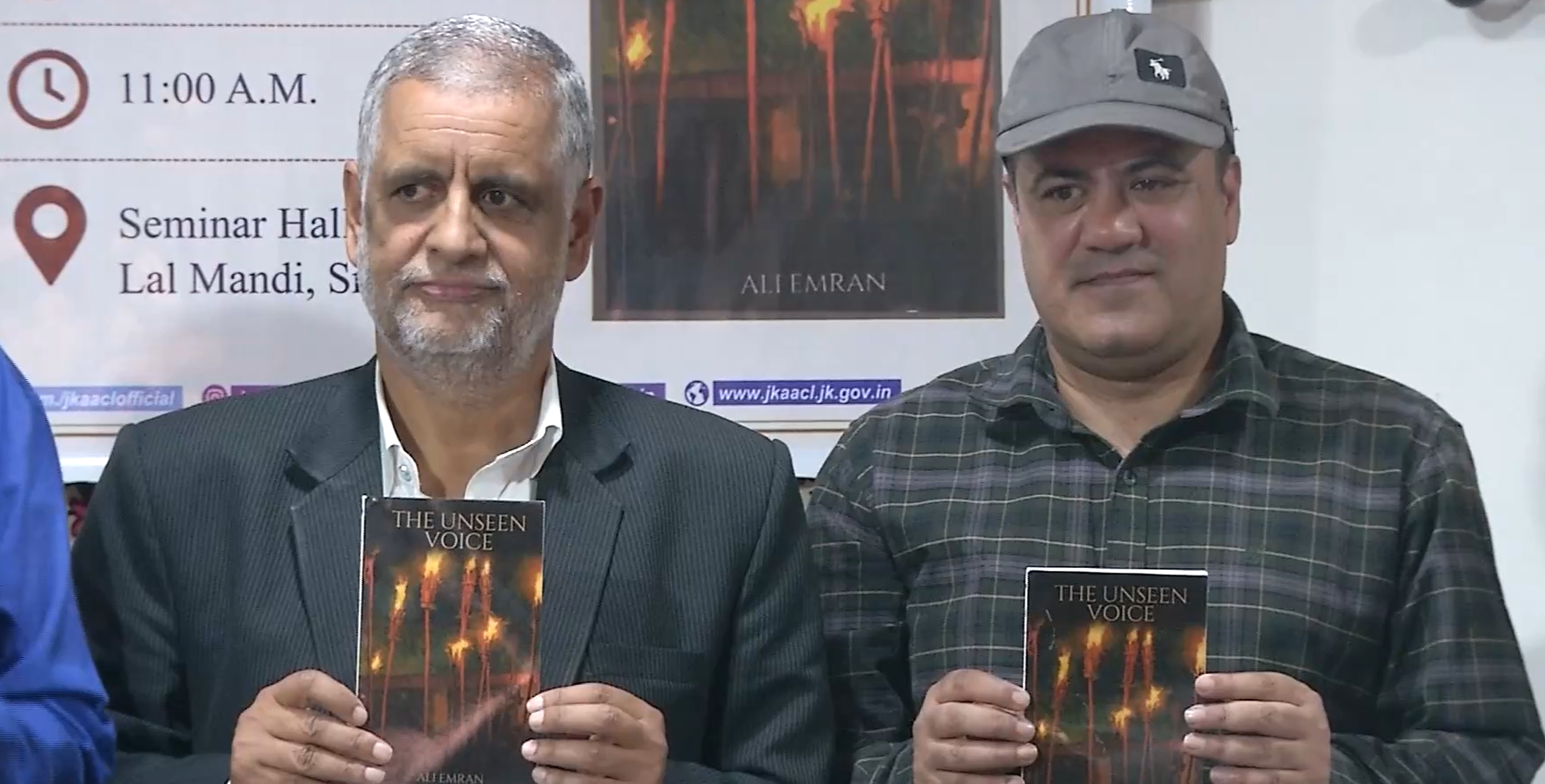
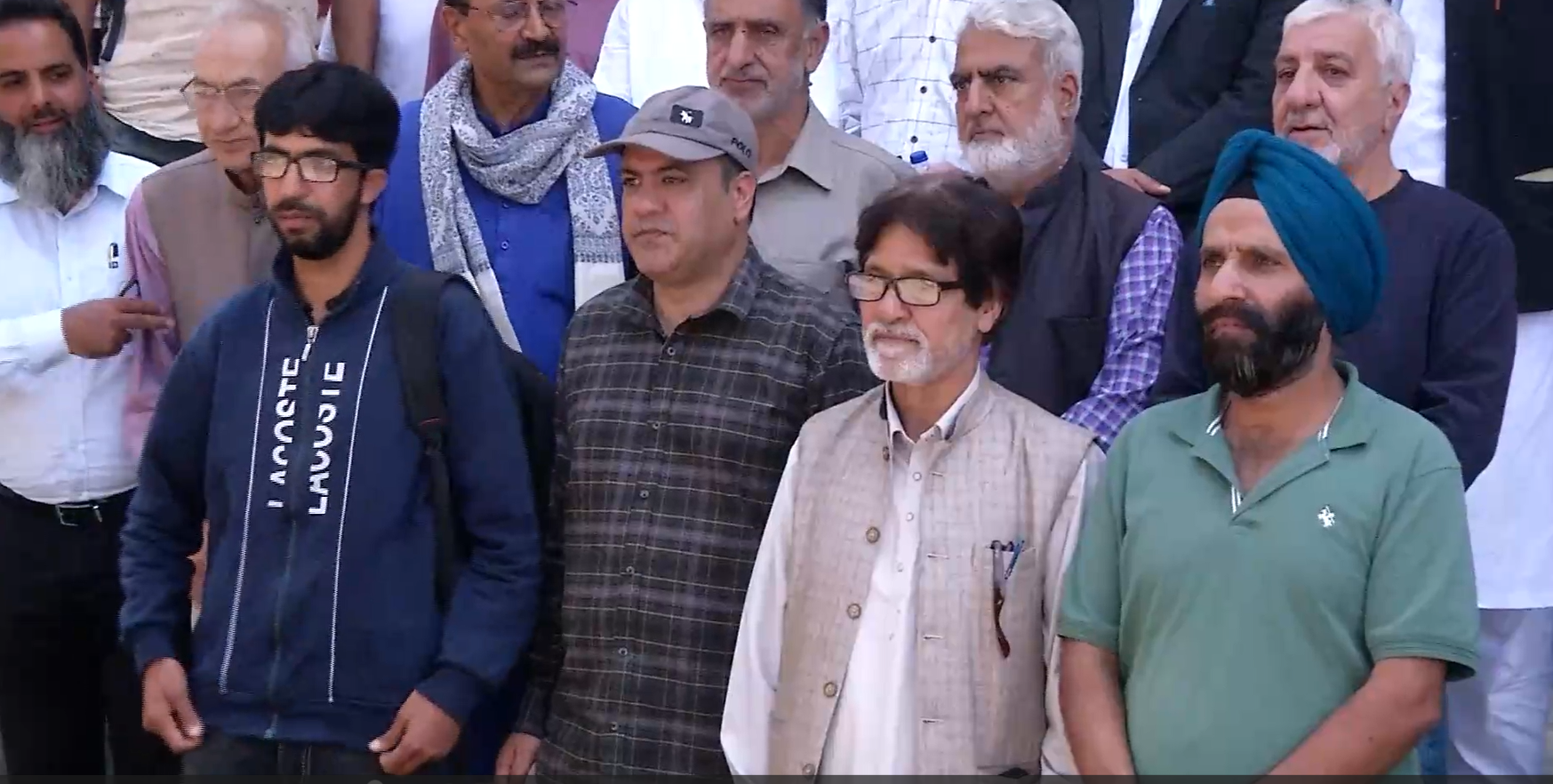
Born in Srinagar, Emran completed his schooling at Burn Hall School and Tyndale Biscoe School before pursuing engineering outside Kashmir. However, his longstanding interest in art and culture eventually drew him towards filmmaking and writing.
“Actually, I was interested in art and culture since childhood. My father wanted me to first obtain a solid degree, so I chose engineering. I completed my engineering with honours, but even during my engineering days, I used to assist in Bollywood films. After that, I started making my own short films and later feature films. So far, I have made around 13 films,” Emran said.
His filmmaking journey has included short films, documentaries and feature films, with some of his works screened at Tagore Hall and INOX in Srinagar. He also organised a film festival in Kashmir in 2007, at a time when the Valley was seeking greater opportunities to nurture its cinema culture.
Emran said his interest in writing began during his school days, when he used to write Urdu poetry under the influence of his mother. His early poetry was subsequently published and received appreciation.
Over the years, he also wrote scripts for films, completing around 15 to 16 screenplays after returning to Kashmir in 2016. His literary journey later took a more spiritual direction, inspired by his family background and his research into Kashmir’s spiritual traditions.
“My father used to read Rumi and other spiritual poets and would explain their meanings to me. He also took me to different spiritual places, which sparked my curiosity. I later researched Kashmiri spirituality for two to three years under historian Fida Mohammad Hasnain,” he said.
Emran said his research helped him understand Kashmir’s spiritual heritage as a composite philosophy that promotes communal harmony and unity in diversity.
He added that his family’s spiritual environment played an important role in shaping his creative outlook and encouraged him to explore the region’s Sufi traditions through both cinema and literature.
Explaining the origins of ‘The Unseen Voice’, Emran said he began writing quotations several years ago, with his father encouraging him to develop the practice further.
“My father really liked the quotations I wrote and told me that they were ‘quotable quotes’. I started focusing more on them and wrote around 700 quotations over one or two years. I later divided them into two sections. One became the screenplay for a film, while the other was compiled into this book in the form of poetic stanzas,” he said.
Emran said it took him nearly a year to transform the quotations into poetic stanzas. The book incorporates ideas from different spiritual and philosophical traditions, including Sufism, Vedanta, Buddhist philosophy and Christian philosophy.
“I have tried to incorporate different spiritual philosophies, not just Islamic mysticism and Sufi traditions, but also Vedanta, Buddhist and Christian philosophies. I believe the book can offer readers, particularly English-language readers, a good introduction to Sufism,” he said.
The filmmaker said his writing also seeks to offer readers a sense of mental peace by reconnecting them with Kashmir’s spiritual traditions.
“Kashmir is a valley of Sufi saints, and Sufi thought is so deeply rooted here that we cannot deny it. My effort is to tell people their own stories through writing and films, stories that reflect the spiritual traditions they already know and recognise,” Emran said.
Describing his contribution to preserving Kashmir’s cultural legacy as a personal milestone, he added, “I am just an ordinary person making a humble contribution. It gives me immense happiness, and I feel this is a very important milestone in my life.”
Emran said he continues to prioritise Kashmiri-language cinema to help revive the regional film industry, while also focusing on Urdu and Kashmiri literature. He is working on another book in Kashmiri, which he expects to complete in the coming months.
Emran also urged aspiring writers not to abandon their work because of criticism or a lack of immediate recognition.
“When I used to write in school, I would sometimes throw away the pages I had written. My mother would collect them, preserve them and help me correct them. Later, when my work was published, it received appreciation. This taught me that we should not judge ourselves too quickly. We should keep writing, preserve our work and try to get it published. Even if someone tells you that you cannot write, you should not become disheartened,” he said.
Mohammad Amin Bhat, president of the Jammu and Kashmir Adbi Markaz Kamraz, praised Emran’s attempt to reconnect the younger generation with Kashmir’s literary and spiritual roots.
“Kashmir is known as the Valley of Sufis, and our traditions of knowledge, spirituality and the highest human values are as old as the Jhelum,” Bhat said.
Referring to the book’s presentation, Bhat said the excerpts shared during the programme had impressed him and reflected the depth of Emran’s literary expression.
He emphasised the need to take quality Kashmiri literature beyond the region through translations into languages such as Hindi, Urdu and English, adding that English-language publications could help local literary works reach an international audience.
Bhat also said that Emran’s work demonstrated how young people could engage with their cultural past instead of turning away from it.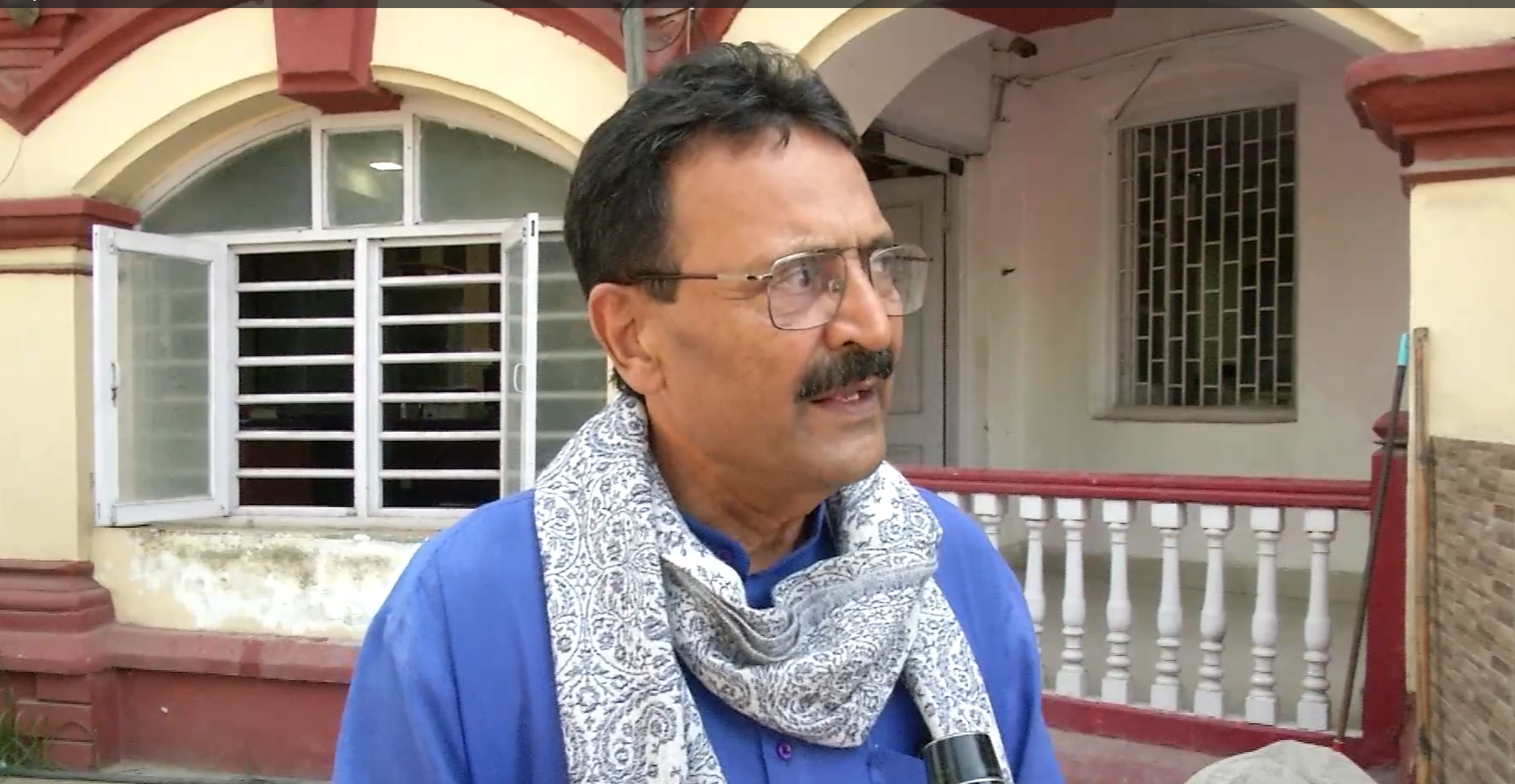
“He has not turned his back on his glorious past, where the roots of our identity lie. Instead, he has tried to dig into the soil with his own fingers to recognise those roots,” Bhat said.
Expressing optimism about the younger generation, Bhat said young people faced considerable uncertainty about their future and often spent significant time on social media. However, he believes that reconnecting with their cultural and intellectual heritage could encourage them to pursue more meaningful creative paths.
“If this process continues, I am very hopeful about the younger generation. The day they realise their real destination lies beyond the distractions they are surrounded by, there will be such a positive impact that we will all be amazed,” he said.
Through his films and literary works, Emran is seeking to carry Kashmir’s Sufi heritage forward while encouraging young people to explore their cultural roots and contribute to the preservation of the Valley’s artistic and spiritual traditions.