Stakeholders call for balanced regulatory framework to support India's growing platform economy
Jul 01, 2026
Mumbai (Maharashtra) [India], July 1 : Stakeholders from government, industry and labour administration have called for a balanced and future-ready regulatory framework for India's growing platform economy, highlighting its role as a major driver of employment, entrepreneurship and financial inclusion.
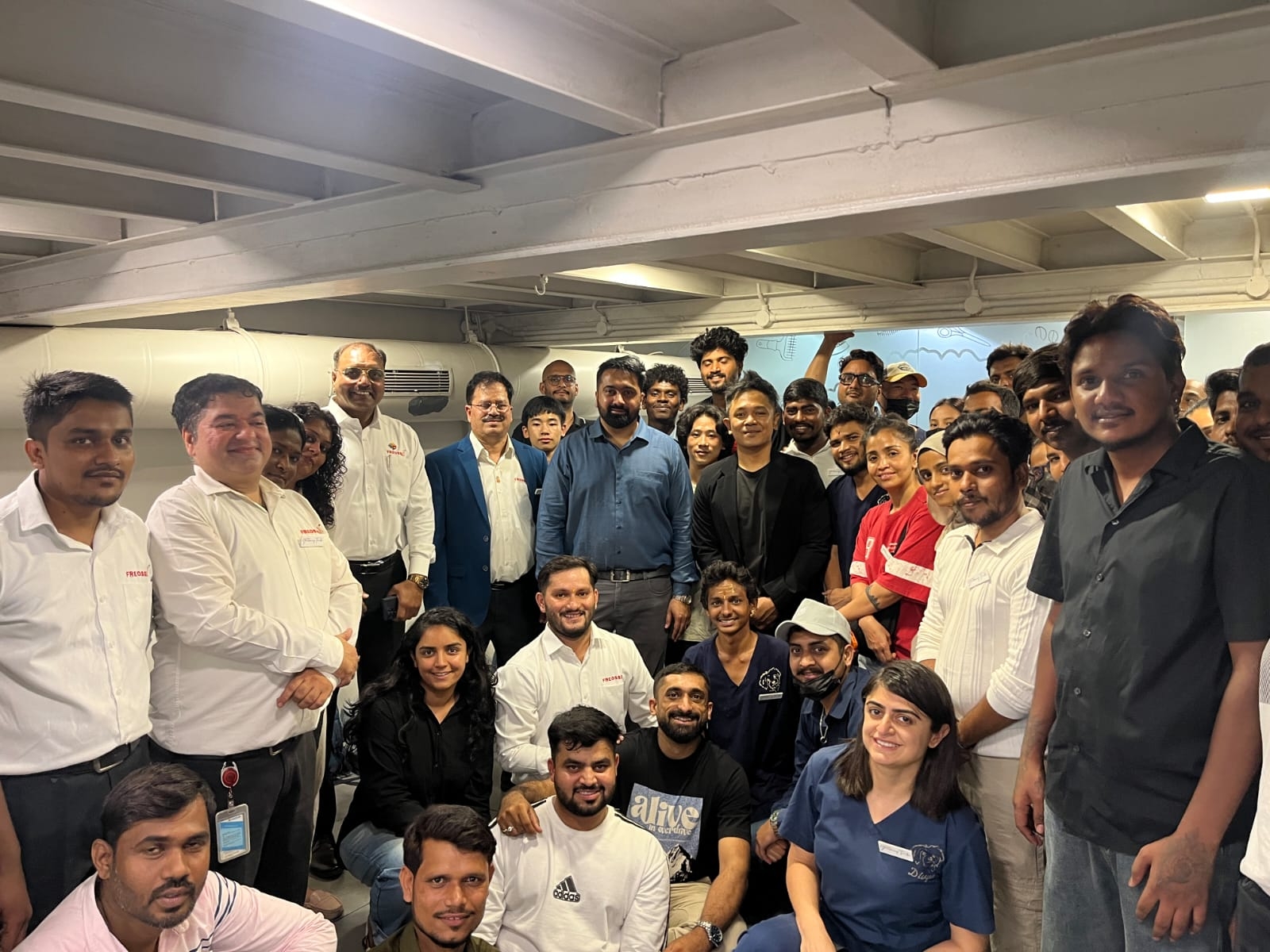
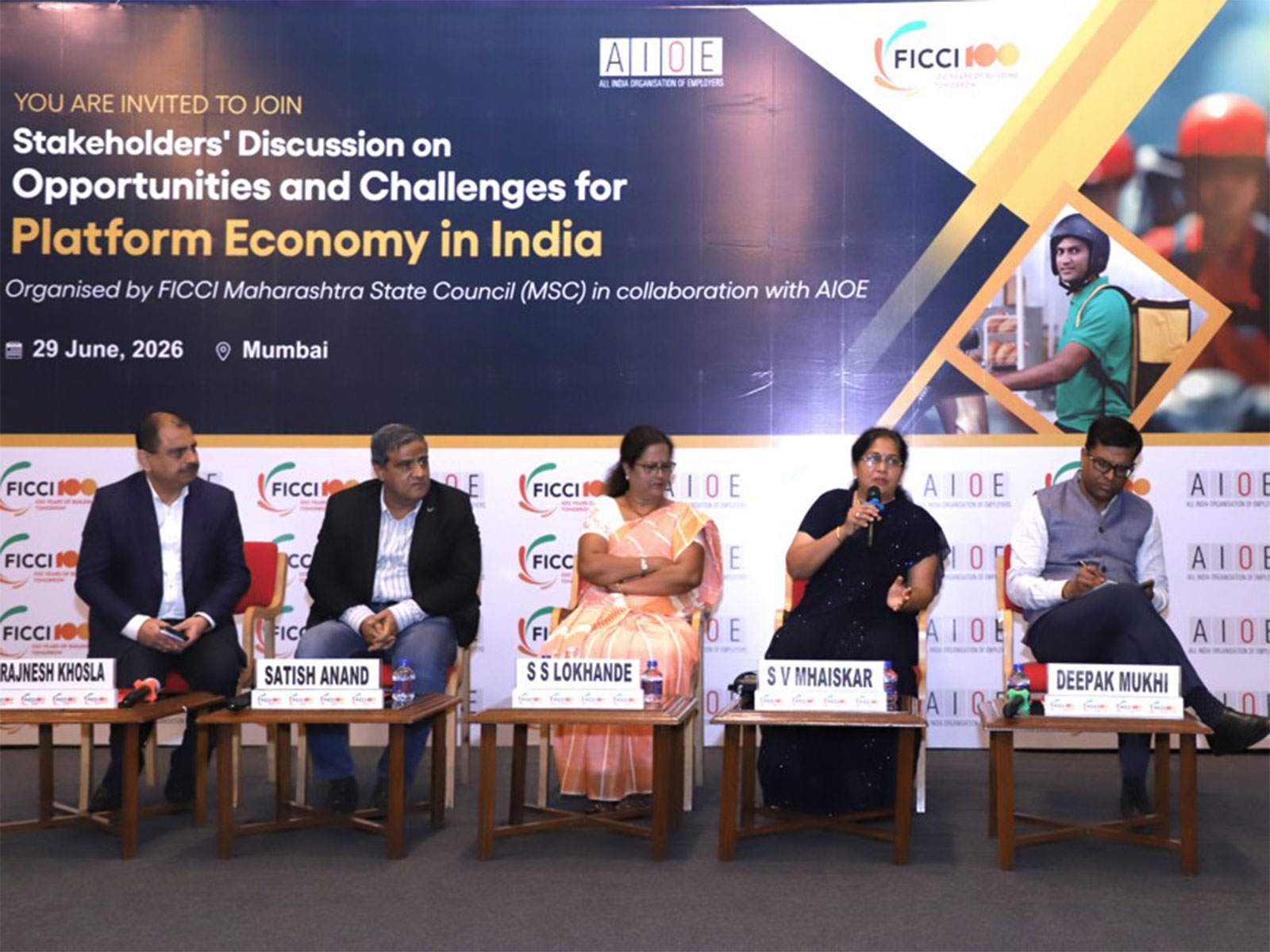
The views were expressed during a stakeholders' discussion on "Opportunities and Challenges for Platform Economy in India" organised by FICCI jointly with the All-India Organization of Employers (AIOE).
The discussion comes as Maharashtra prepares to implement social security protections for gig and platform workers under the Code on Social Security.
Participants emphasized the need to strengthen worker welfare while preserving the flexibility, innovation and entrepreneurial opportunities that have contributed to the rapid growth of the platform economy.
The consultation brought together representatives from government departments, labour administration, industry bodies and leading platform companies.
Discussions focused on issues such as implementation of social security measures, grievance redressal mechanisms, regulatory clarity, compliance readiness and evolving global standards governing platform work.
Sunita Mhaiskar, Deputy Commissioner of Labour, Mumbai City, described the formal recognition of gig and platform workers under the Social Security Code as a significant milestone in India's labour reform journey.
She noted that nearly 93 per cent of India's workforce belongs to the unorganized sector and forms the backbone of the country's economy. According to her, extending social security benefits to such a large workforce has always been a complex challenge.
"The recognition of gig and platform workers under the Social Security Code lays an important foundation, and its success will depend on all stakeholders working together to build an effective and inclusive framework," she said.
Mhaiskar added that successful implementation would require active cooperation among government, employers and workers to ensure that benefits reach intended beneficiaries efficiently and inclusively.
Shirin Lokhande, Joint Commissioner of Labour, Maharashtra, said the labour codes are aimed at creating a modern, simplified and future-ready labour ecosystem.
"The labour codes are a significant step towards building a modern, simplified, and future-ready labour ecosystem. By extending social security protections while promoting ease of doing business, the reforms seek to balance workforce welfare with operational flexibility," she said.
Lokhande said draft state rules have already been shared with stakeholders for feedback and suggestions.
Satish Anand, EC Member of AIOE and Member of the Board of the ESIC Corporation, highlighted the role of digital platforms in creating livelihoods and expanding economic opportunities.
"India's platform economy has emerged as a powerful engine of growth and inclusion," Anand said, adding that digital platforms have created livelihoods at scale, expanded financial inclusion and enabled flexible work opportunities for millions, including women and youth.
Participants concluded the discussion with a shared commitment to continue engagement on policy and implementation issues to ensure that India's platform economy remains a driver of innovation, employment generation, entrepreneurship and inclusive growth while providing meaningful protections and opportunities for platform workers.