States to drive 15-fold expansion in energy storage for round-the-clock power supply
Nov 29, 2026
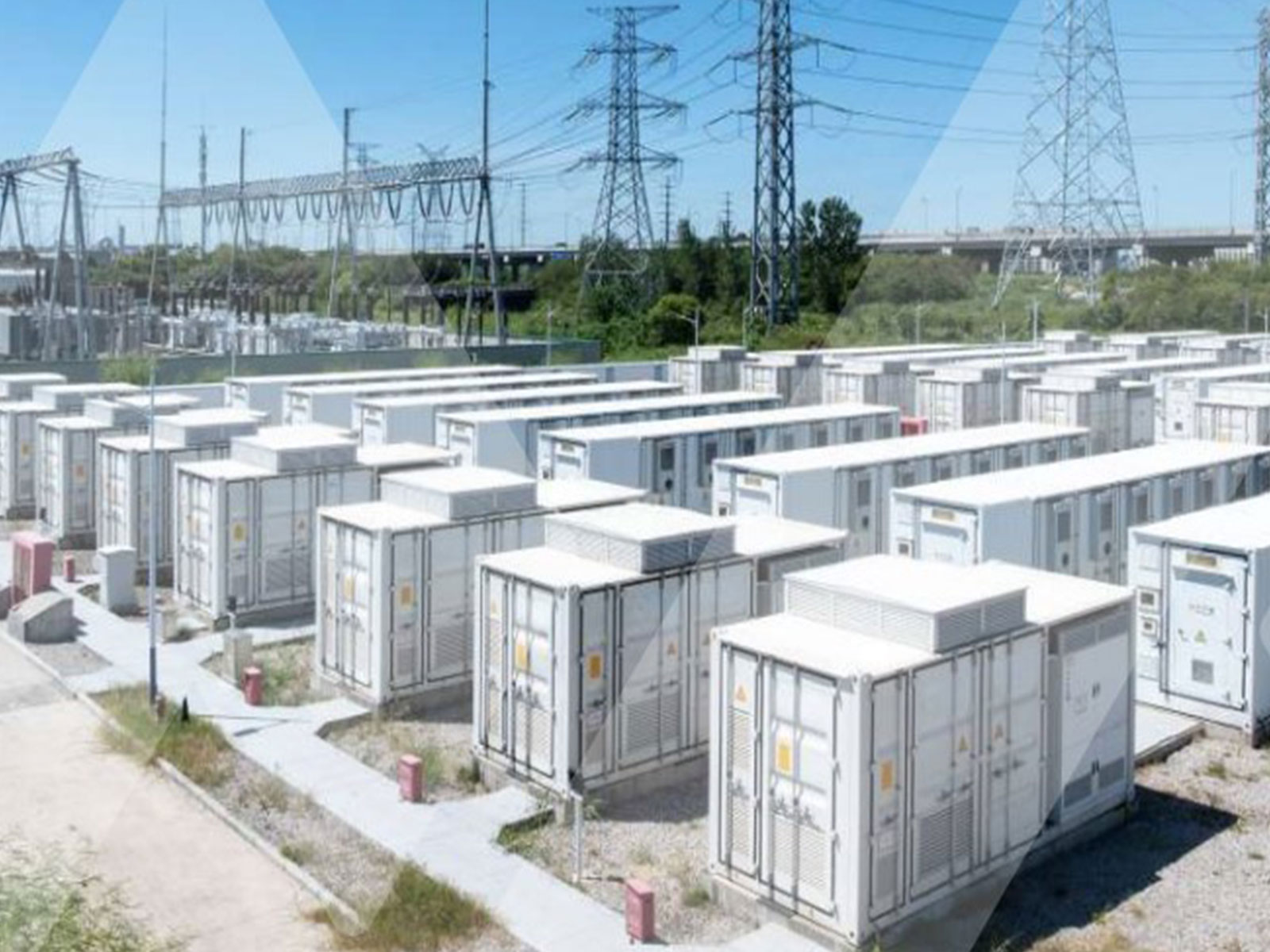
New Delhi [India], November 29 : States have agreed to drive a 15-fold expansion in energy storage capacity, prioritising battery and pumped storage projects to ensure reliable round-the-clock electricity supply and reduce dependence on costly short-term power purchases, according to the Ministry of Power.
The commitment was made during the two-day Power Ministers' Conference held on November 27-28 in New Delhi, chaired by Union Minister of Power and Housing and Urban Affairs Manohar Lal.
The expansion will be supported by investments undertaken by states, alongside upcoming energy storage plans of 40 GWh each by NTPC and the Solar Energy Corporation of India (SECI).
"Accordingly, States were advised to install energy storage in mission mode and rely more on RE plus storage," the ministry said in a release on Sunday.
The increased focus on energy storage comes as India expands its renewable energy generation capacity, creating a greater need for storage infrastructure to ensure reliable electricity availability during non-solar hours.
States also agreed to review their Resource Adequacy Plans up to FY2029-30, incorporating realistic electricity demand projections and verified transmission connectivity, and submit the revised plans within one month.
Progress on incremental capacity additions and arrangements for securing power supply will be monitored quarterly.
"Long-term planning and timely contracting of firm capacity will remain essential for ensuring reliable and affordable power supply," Power Secretary Pankaj Agarwal said.
To ensure that power generation and transmission infrastructure expand simultaneously, states agreed to immediately finalise transmission roadmaps with clear targets for transmission lines and substations. They also agreed to adopt tariff-based competitive bidding for intra-state transmission projects.
India's installed power generation capacity currently stands at 563 GW, with non-fossil fuel sources accounting for over 55 per cent. The country aims to more than double its installed generation capacity to 1,297 GW by FY2035-36.
Of the 60 GW of generation capacity added in the preceding year, 87 per cent came from non-fossil fuel sources. The conference also highlighted an investment opportunity of Rs 200 lakh crore in the power sector over the next two decades.
On nuclear power, states agreed to accelerate site readiness, secure land and water availability and identify suitable locations, including retired thermal power plant sites, in line with India's target of achieving 100 GW of nuclear power capacity by 2047.
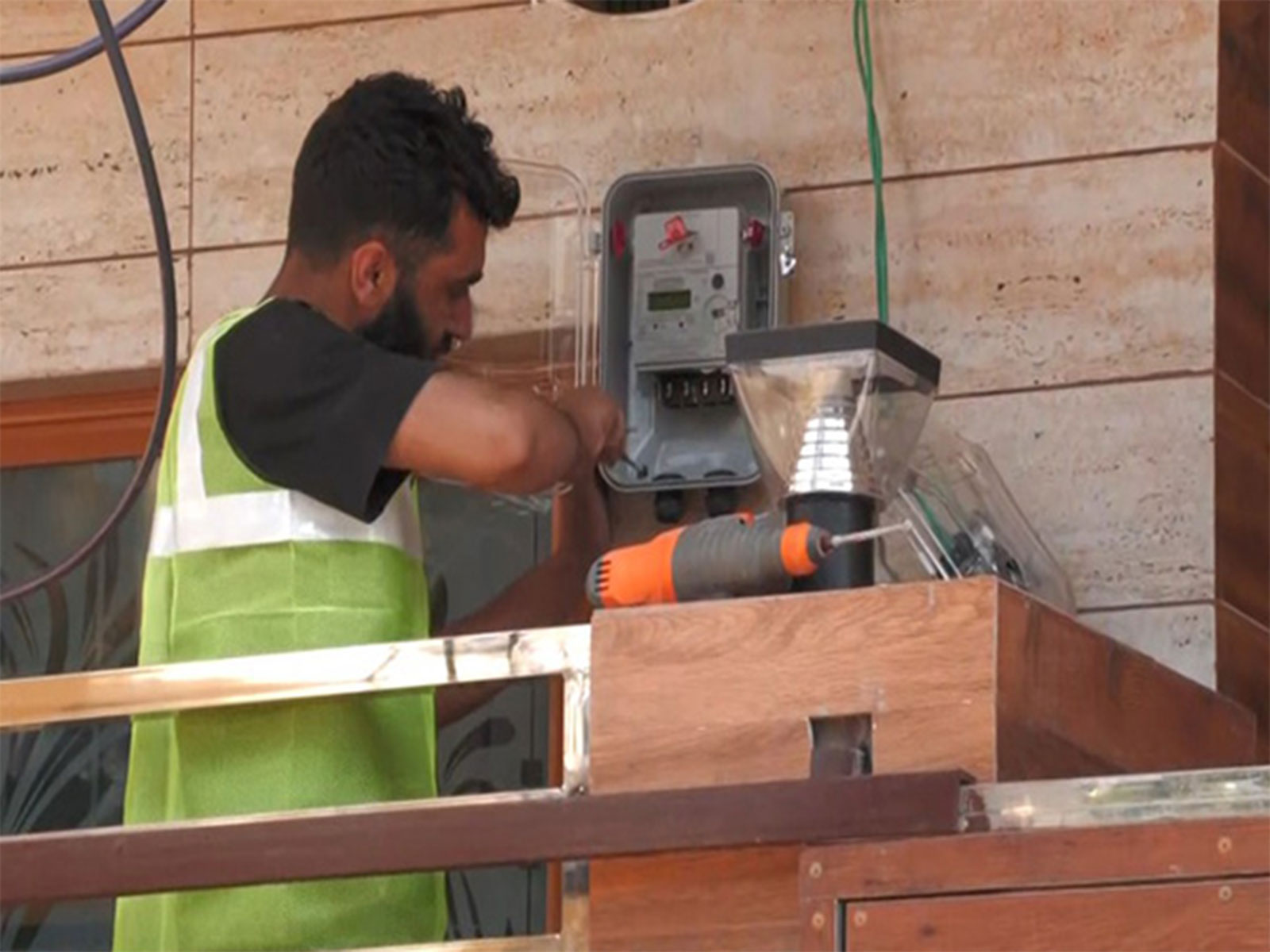
States also committed to completing the remaining household electrification work by March 2027, barring some households in remote and hilly areas.
According to the Power Minister, around 6.25 lakh households have been covered, including through off-grid solutions, against the 14.5 lakh households taken up for electrification.