Stop Lebanon proxies or US will hit "very hard again", Trump warns Iran amid peace talks in Switzerland
Jun 21, 2026
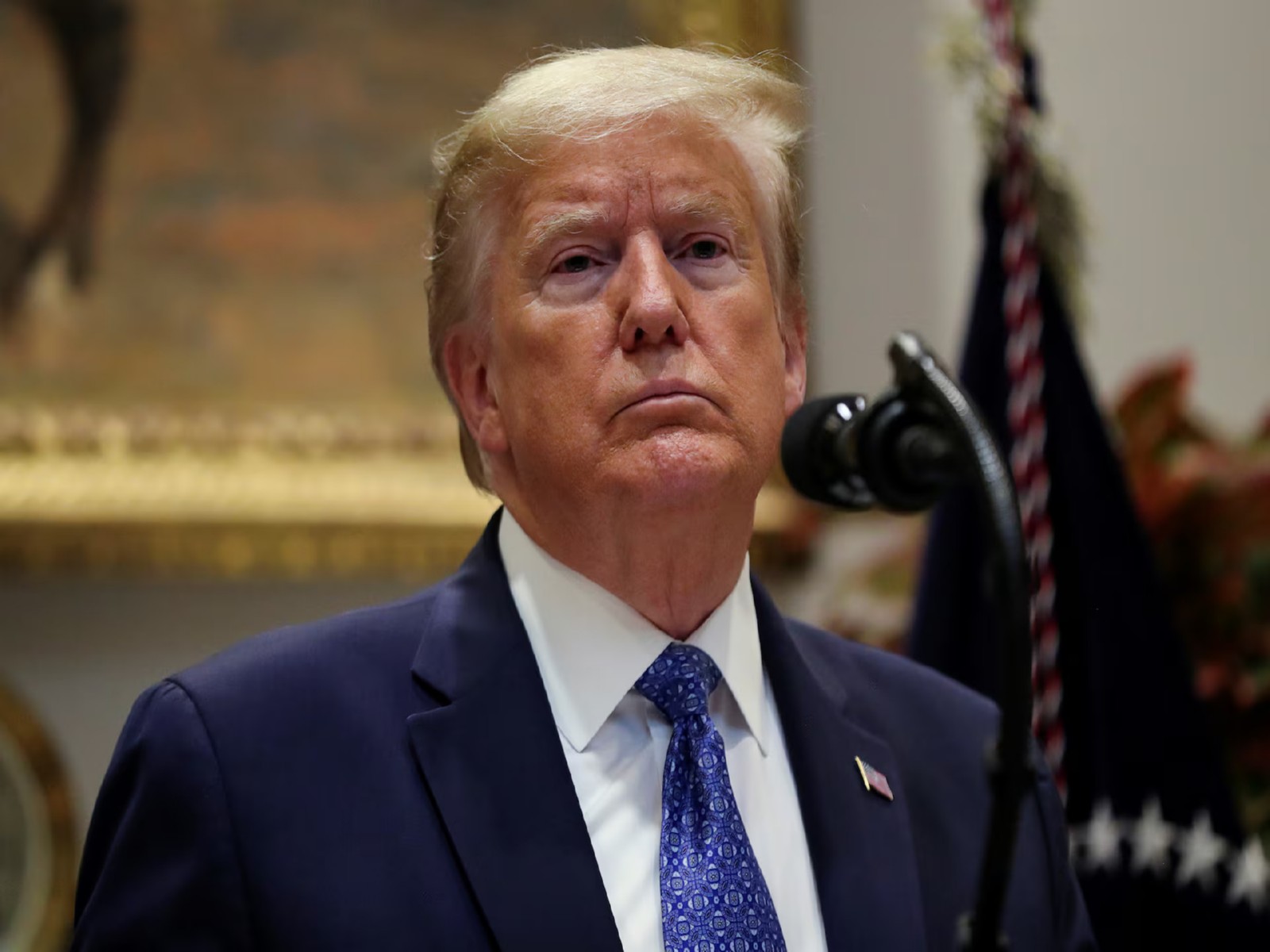
Washington, DC [US], June 21 : President Donald Trump on Sunday warned Tehran to "immediately stop their highly paid proxies in Lebanon", or the US will "hit Iran very hard again" even as bilateral negotiators continue critical talks in Switzerland aimed at defusing volatility across the region.
The escalatory warning was issued via the President's social media platform, Truth Social, marking one of the most aggressive posturing manoeuvres from Washington since the commencement of the alpine diplomatic track.
"Iran must immediately stop their highly paid PROXIES in Lebanon from causing trouble. If they don't, we'll hit Iran very hard again, just like we did last week, only harder!!!" Trump posted.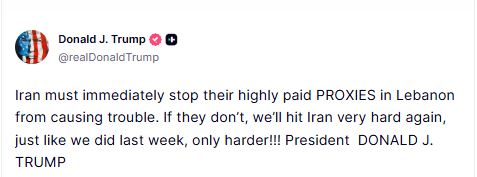
This sharp rhetoric arrived at an incredibly sensitive juncture for the peace process, where officials from both administrations are currently engaged in technical sessions under the auspices of a recently finalised Memorandum of Understanding (MoU). The diplomatic framework outlines a structured agenda to navigate complex disputes surrounding regional security, maritime access through the strategic Strait of Hormuz, Iran's nuclear ambitions, and multi-front ceasefires. The baseline agreement establishes a strict 60-day diplomatic window dedicated to systematically lowering friction and formulating a durable regional settlement.
Reflecting on the progress achieved within these structured technical channels, US Vice President JD Vance addressed the media in Switzerland, asserting that the administration has managed to secure key stabilisation milestones regarding the Lebanese border, despite the highly volatile security matrix on the ground.
"We've seen great progress over the last couple of days in ensuring the ceasefire in Lebanon holds," Vance stated.
While maintaining an optimistic tone regarding the general trajectory of the bilateral engagement, the Vice President explicitly acknowledged the operational challenges inherent in managing active truces across multiple hostile factions. Highlighting the fluid and unpredictable nature of the current security landscape, Vance noted that "these kinds of ceasefires are always a little bit messy."
Further highlighting the strategic roadmap driving the current White House foreign policy, Vance stated that President Donald Trump remains firmly dedicated to securing a comprehensive cessation of hostilities across West Asia, viewing the ongoing stabilisation of the Lebanese front as an indispensable prerequisite toward a broader regional settlement.
According to the Vice President, these technical deliberations present a historic opportunity to thoroughly reshape long-strained diplomatic dynamics, affirming that Washington aspires to "turn over a new leaf" with Tehran provided that the leadership abandons adversarial activities deemed highly destabilising by American policymakers.
However, this diplomatic momentum faces significant friction from the Iranian side, with Tehran indicating its refusal to transition into the subsequent phase of the comprehensive dialogue until specific preconditions are addressed.
Chief among these demands is the insistence by Iranian negotiators that active Israeli military operations inside Lebanon must cease entirely before substantive bilateral talks can move forward, particularly regarding sensitive disputes over Tehran's nuclear development programme.
Compounding the diplomatic gridlock, Iranian officials have simultaneously pressed for the immediate implementation of tangible economic relief measures and financial dividends promised under prior understandings hammered out with Washington and its international allies. Tehran has placed the blame for the impasse squarely on the US, accusing the American administration of failing to exert adequate leverage to halt the cross-border conflict where Israeli forces and Hezbollah have been engaged in regular exchanges of fire since March.
This highly sensitive dialogue has been further strained by Tehran's strategic calculation to reinstate its maritime blockade across the critical Strait of Hormuz, a choke point essential to global trade that regulates nearly a fifth of worldwide energy supplies. The sudden disruption occurred despite the baseline provisions of a multi-point memorandum of understanding concluded earlier this month, which explicitly called for the formal reopening of the strategic channel and a systematic de-escalation of friction across the waterway.
Sticking firmly to its multi-layered leverage strategy, Tehran has consistently structured its ongoing cooperation to remain strictly conditional upon concrete security guarantees regarding the Lebanese border alongside the swift execution of Washington's financial and economic commitments.