Strengthening regulation, market reforms vital for India's energy security: Rajiv Gauba
Oct 01, 2026
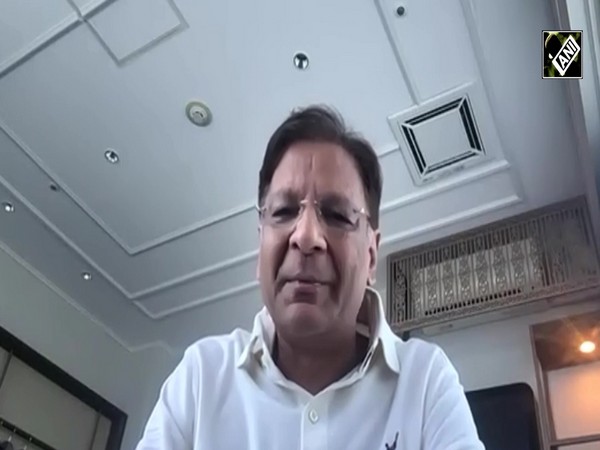
New Delhi [India], October 1 : Former Cabinet Secretary and NITI Aayog member Rajiv Gauba has called for stronger regulation, market-oriented reforms and institutional capacity building to advance India’s energy security and to realise the vision of Viksit Bharat at 2047.
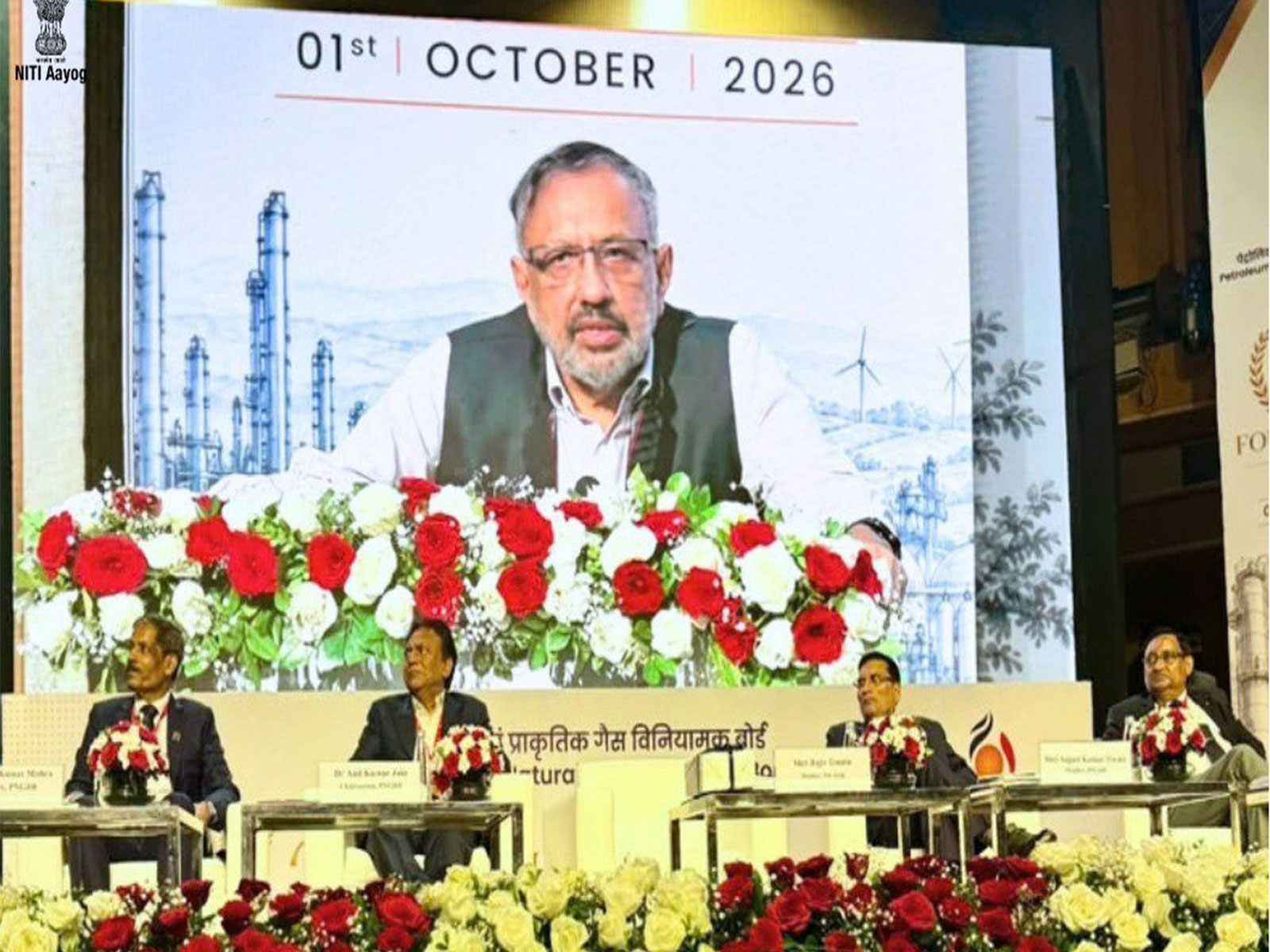
Addressing the 20th Foundation Day of the Petroleum and Natural Gas Regulatory Board (PNGRB), Gauba stated that the domestic hydrocarbon sector operates amid rising global instability and supply risks.
According to a NITI Aayog release, Gauba noted that the petroleum and natural gas sector operates in an increasingly complex global environment, marked by geopolitical tensions, supply disruptions, and heightened energy-security risks.
Reflecting on India’s policy trajectory, he noted that the sector shifted from colonial-era rules and state control to progressive post-1990 liberalisation. This shift dismantled the administered pricing mechanism and opened the market.
Gauba recalled how the creation of PNGRB in 2006 was an important institutional step to ensure fair competition, investor confidence and protect consumer interests.
He highlighted the downstream natural gas pipeline framework developed by the regulator over two decades. He noted that common carrier and contract carrier principles secured open infrastructure access.
He emphasised that such regulatory work, while often not visible, is essential for creating predictable markets, building investor confidence and strengthening public trust.
Turning to future capacity, Gauba observed that expanding domestic energy supplies remained essential as industrialisation, urbanisation and living standards drove demand higher.
Gauba underlined that India’s growing energy requirements make diversification and expansion of domestic energy capacity important elements of the country’s long-term strategy. With energy demand expected to rise substantially alongside urbanisation, industrialisation and improving living standards, he stressed the need to accelerate domestic exploration and production, particularly in frontier and deep-water activity, while leveraging technology, private investment and the capabilities of public-sector enterprises.
Accelerating the transition toward a gas-based economy also required an integrated value chain, he added. This involved expanding the City Gas Distribution network, improving liquefied natural gas terminal utilisation, and reinforcing the National Gas Grid.
He noted that regulatory reforms should continue to remove unnecessary frictions and ensure that the regulatory framework keeps pace with emerging areas such as hydrogen, syngas and carbon dioxide pipelines.
Looking forward, Gauba stated that regulatory rules had to adapt to newer business arrangements without diluting core public protections.
He mentioned that regulation must evolve alongside technological change and new business models while maintaining primacy of safety and consumer protection.
He identified predictability, reform momentum and ease of doing business as central operational principles for PNGRB going ahead.
He stated that regulators carried the responsibility to work at arm’s length while remaining aligned with broader national objectives.