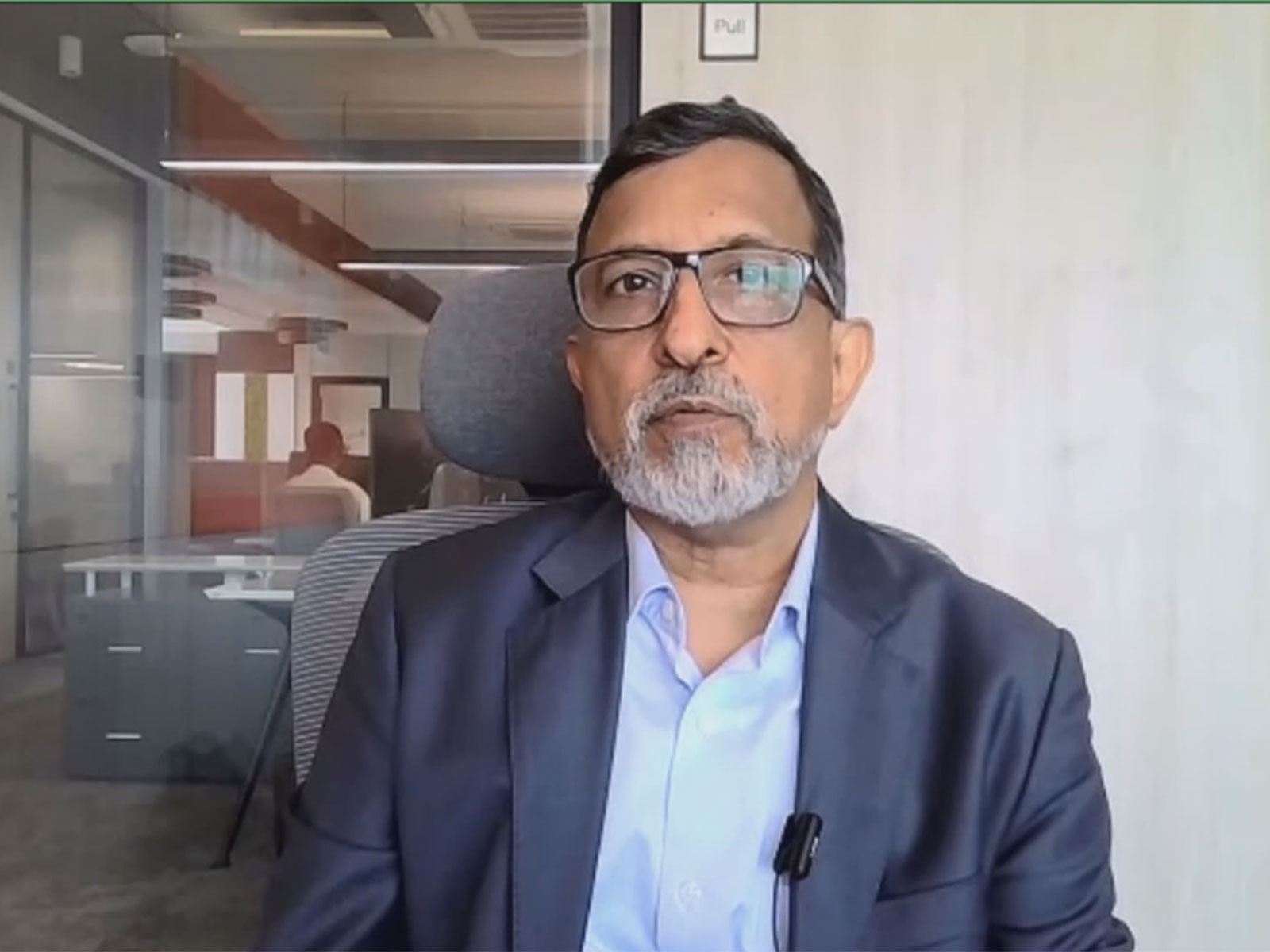
Strong possibility of another RBI rate hike in December: Crisil Chief Economist
Oct 07, 2026
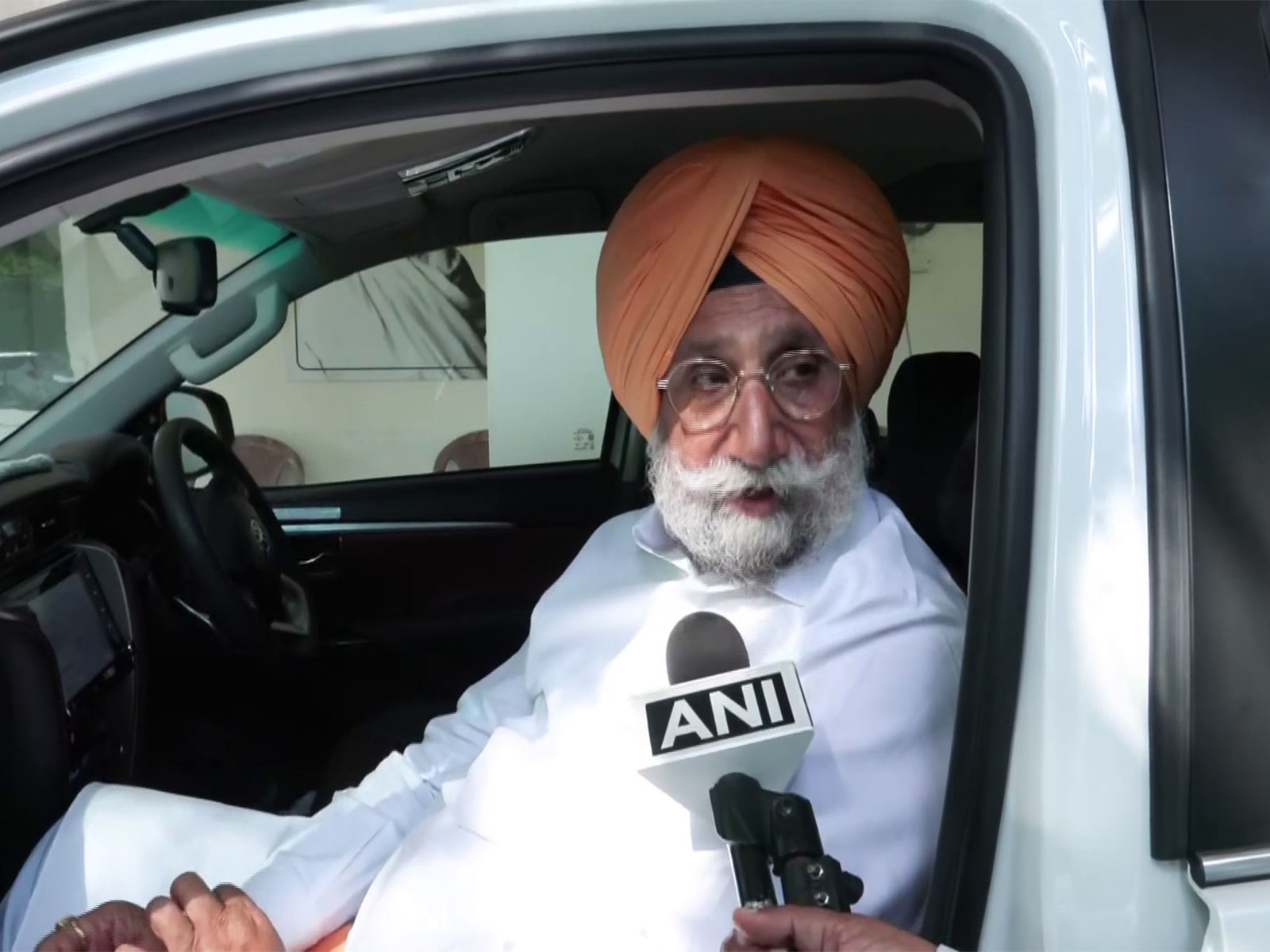
New Delhi [India], October 7 : There is a strong possibility that the Reserve Bank of India could raise the repo rate again at its December monetary policy meeting as inflation risks remain elevated, Crisil Chief Economist Dharmakirti Joshi told ANI on Wednesday.
“I think you can't rule that out and I think the likelihood is definitely there. So, the two options are that they may pause or they may raise. Cutting rates is off the table. So, I think I would say there is a strong possibility of a rate hike in December as well,” Joshi said.
His comments came after the RBI's Monetary Policy Committee raised the policy repo rate by 25 basis points to 5.50 per cent on Wednesday amid rising inflation risks and resilient domestic growth.
Joshi said the decision was in line with Crisil's expectations and reflected a worsening inflation outlook since the previous policy meeting.
“This is exactly what we had expected. We were projecting a 25 basis point rate hike and we were also expecting the stance to change to calibrated tightening and I think it has played out that way,” he said.
He said the intensification of the West Asian conflict, monsoon-related risks and higher input costs had increased supply-side inflation pressures.
“Since the last policy, the risks to inflation have risen, the West Asian conflict intensified, and monsoon risk has actually materialised. So, there is a lot of pressure on inflation from the supply side. Input costs are higher,” Joshi said.
With domestic demand remaining strong, he said there was also a risk of higher costs being passed on to consumers, making inflation more broad-based.
“When the demand in the system remains strong, then input costs get passed on to the end consumers and the inflation becomes generalised,” he said.
Food prices remain another key uncertainty, particularly if El Niño conditions intensify and affect crops.
“The inflation from the food side is, the risk is tilted to the upside,” Joshi said, adding that further weather disruptions could have implications for both crops and inflation.
At the same time, Joshi said economic growth remains relatively strong. Crisil expects India's GDP to grow around 7 per cent in the current fiscal year, close to the RBI's revised projection of 7.1 per cent.
Joshi expects the first half of the year to remain strong, while growth may moderate in the second half as the impact of higher prices, the West Asia conflict and the monsoon becomes more visible.
“The first half will look quite good. The second half will look somewhat slower,” he said, adding that the economy was still growing close to its potential.
On the rural economy, Joshi said agriculture is more diversified than in the past, with animal husbandry, poultry and fisheries providing some protection against rainfall-related shocks.
He also pointed to higher irrigation coverage as a buffer.
“Irrigated area is now close to 59%. It was 49% a decade back,” Joshi said.
However, he cautioned that a severe monsoon shock could still weaken consumption.
“If the monsoon shock is too large, then it will have a moderating impact on consumption as well. But as I said, there are buffers also to offset that to some extent,” he said.