Supreme Court to take up reconstitution of BCI after State Bar elections
Sep 02, 2026
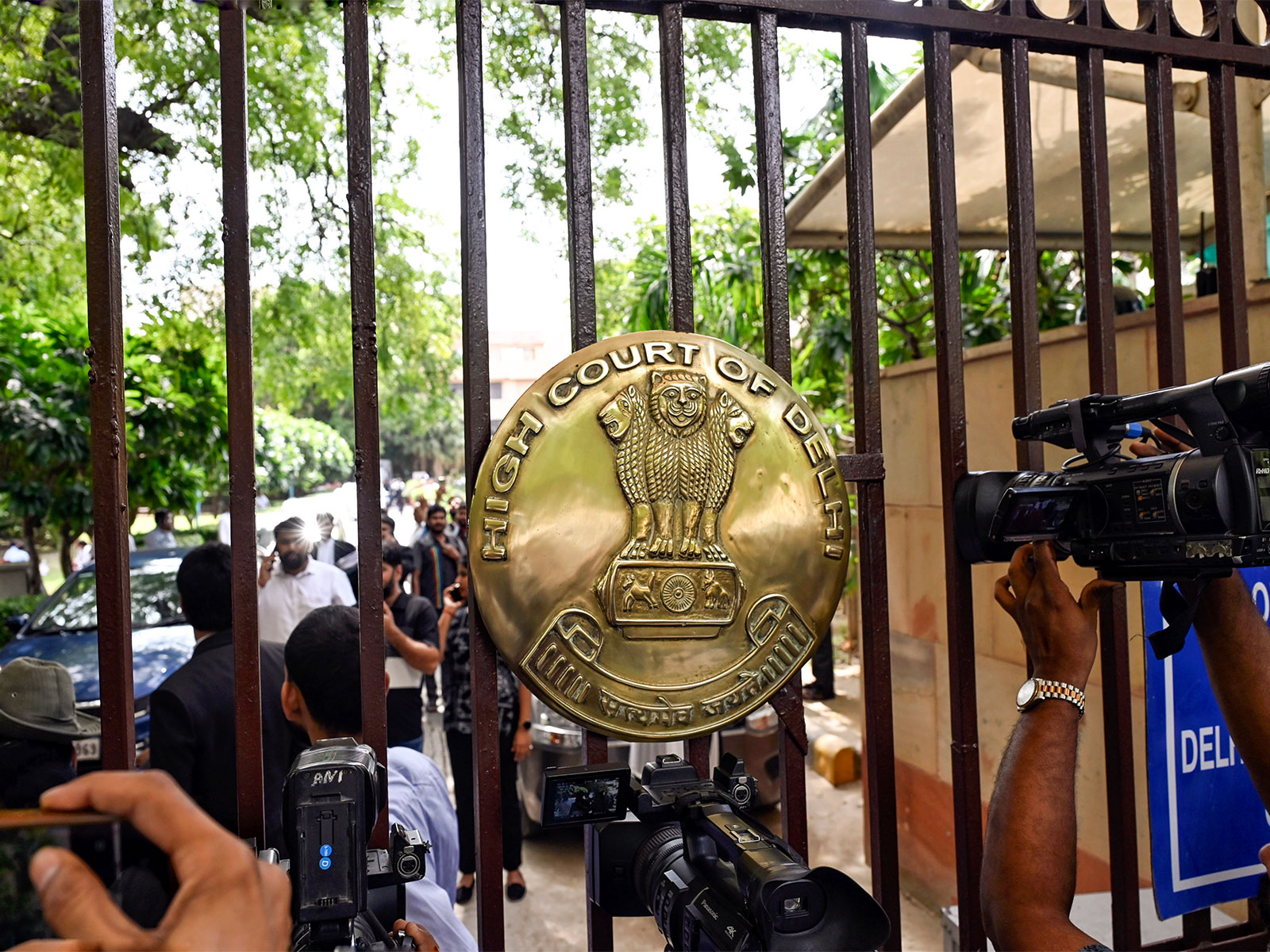
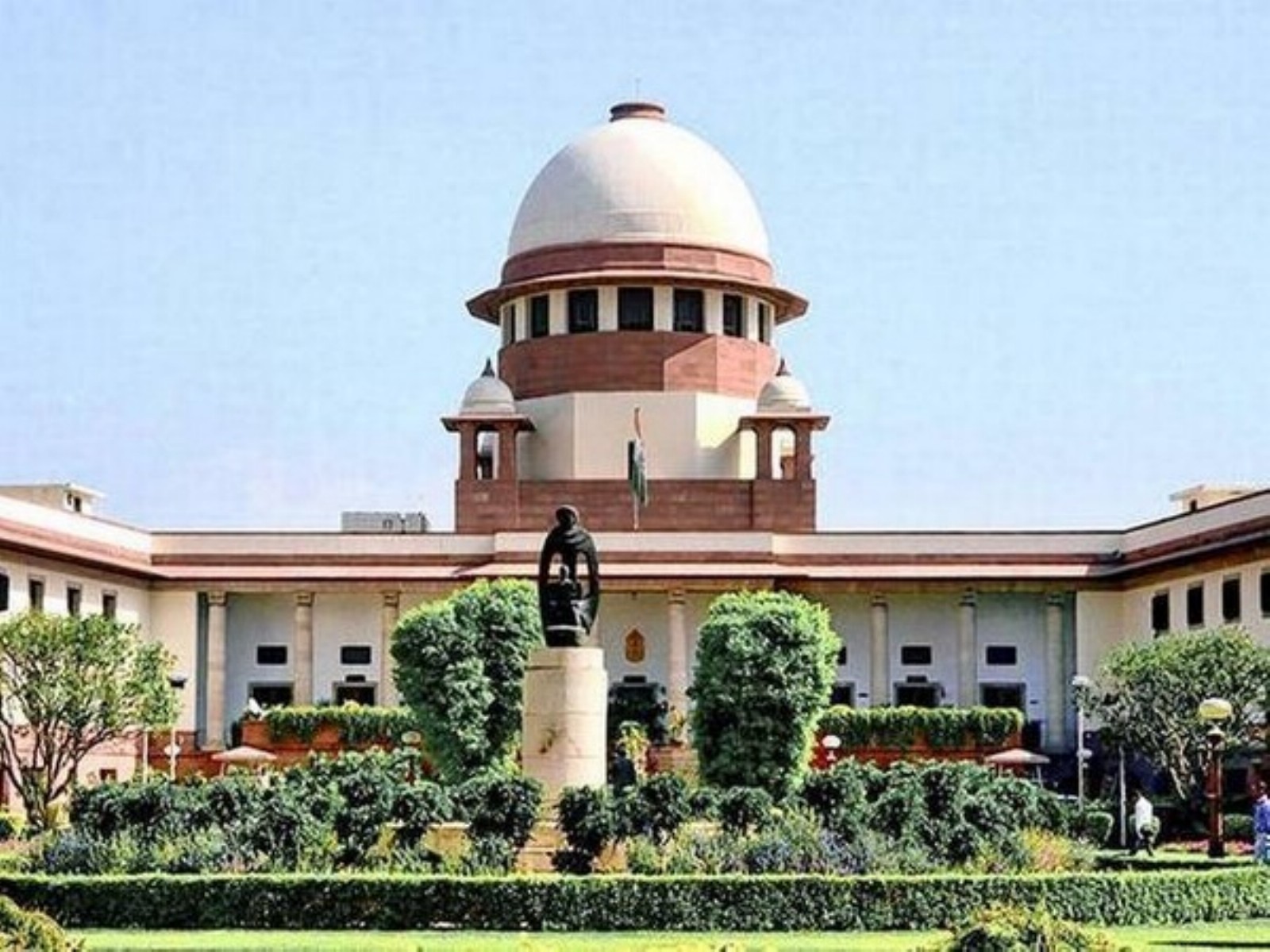
New Delhi [India], September 2 : The Supreme Court on Wednesday said it will take up the reconstitution of the Bar Council of India after the newly elected State Bar Councils complete the statutory process for constituting the BCI, while hearing pleas challenging the continued occupation of the BCI chairperson's post by Senior Advocate Manan Kumar Mishra and the purported extension of his tenure till 2030.
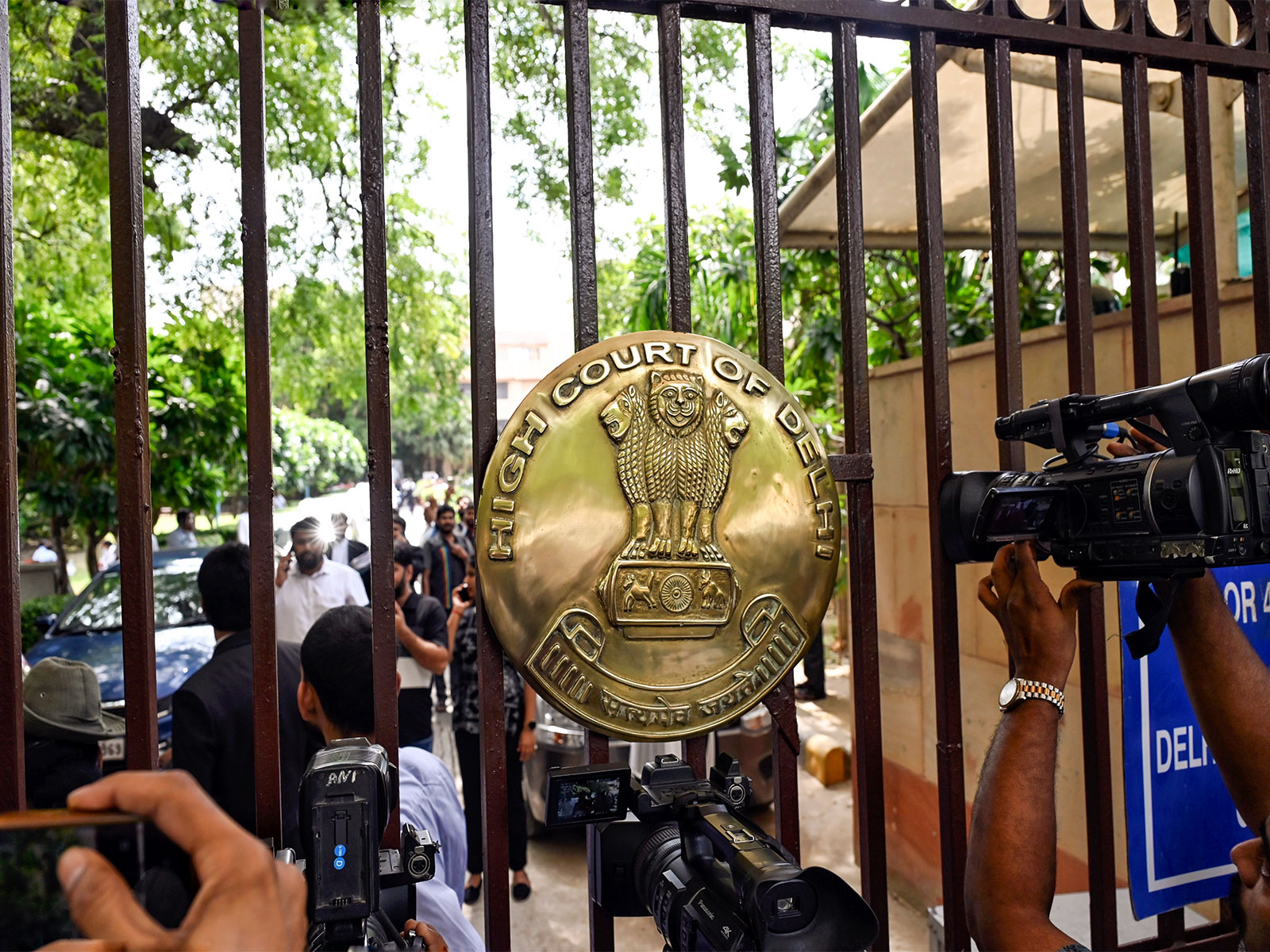
A bench headed by Chief Justice of India (CJI) Surya Kant, Justices Joymalya Bagchi and V. Mohana directed the Chief Justices of the jurisdictional High Courts to complete the pending co-option of women members to the State Bar Councils within two weeks. The Councils will then have one week to notify their final composition and two weeks thereafter to complete the remaining statutory steps under Section 4(1)(c) of the Advocates Act and submit compliance reports.
"Upon receipt of these compliance reports, we shall consider the issue concerning the reconstitution of the Bar Council of India under Section 4 of the Advocates Act, 1961", the Court said.
While the constitution of an elected BCI has been pending, the Court permitted the existing arrangement to continue for day-to-day functioning but imposed an oversight mechanism for policy decisions. It directed that the Attorney General for India (AGI) and the Solicitor General for India (SGI) be actively associated with every such policy decision.
"Both the Attorney General for India and the Solicitor General for India shall be actively associated with every policy decision taken by the Bar Council of India", the Court said.
BCI counsel Senior Advocate Guru Krishnakumar agreed that every policy decision would be placed before the Attorney General and that he would be invited to participate in meetings concerning such decisions. Justice Joymalya Bagchi said continuation under the proviso to Section 4(3) could operate only for day-to-day functioning until an elected BCI is constituted.
The principal challenge before the Court concerns the continuance of Mishra as BCI chairperson and the legal basis for extending his tenure till 2030.
Senior Advocate Madhavi Divan, appearing for the petitioners, challenged an April 21, 2025 notification which purported to prescribe a five-year tenure for the BCI chairperson and vice-chairperson. She submitted that the notification did not identify any statutory provision authorising such an extension and argued that it had the effect of defeating the Court's exercise concerning the Bar Council elections.
Divan referred to the minutes of the BCI General Council meeting held on March 2, 2025, which showed that Mishra had been unanimously elected chairperson for a tenure commencing April 17, 2025 and ending April 16, 2030.
The Court questioned the basis for the five-year tenure in view of Rule 12(2) of the BCI Rules, which prescribes a two-year tenure for the chairperson and vice-chairperson.
Divan also referred to a January 9, 2025 BCI resolution which purported to extend the tenure from three years to five years. She submitted that a BCI resolution could not override the statutory Rules.
Senior Advocate CU Singh submitted that the April 2025 notification had been expressly challenged in the petitions. Senior Advocate Sanjay Hegde pointed to the BCI resolution's assertion that there was no express or implied restriction in the Advocates Act preventing the Council from determining or extending the tenure of its office-bearers.
The petitioners also challenged the manner in which the proviso to Section 4(3) of the Advocates Act was being relied upon. The provision allows members to continue in office until their successors are elected. Divan submitted that a provision intended to prevent an administrative vacuum was instead being used to prolong tenures and avoid fresh elections.
The CJI said the completion of the State Bar Council elections had changed the circumstances and required the statutory mechanism for constituting the BCI to be given effect. The Court noted that the representatives elected by the State Bar Councils would form the electoral basis for the BCI's own office-bearers.
"Once elections have taken place, the newly constituted State Bar Councils are expected, required and statutorily obligated to exercise their prerogative under Section 4(1)(c) and elect their representatives to the Bar Council of India", it said.
Justice Bagchi observed that, prima facie, the present chairperson could continue only until a fresh BCI election takes place.
The proceedings also brought the institutional structure and financial affairs of the BCI's associated trusts under scrutiny.
Senior Advocate Gopal Sankaranarayanan challenged the creation of the BCI's PEARL Trust in 2020, particularly the provision under which eleven managing trustees were described as original and permanent trustees irrespective of their tenure as BCI members. He submitted that the trust was created using BCI assets and questioned how individuals could retain control over such assets after ceasing to be members of an elected statutory body.
The Court questioned whether an elected BCI could create a trust from the assets of the statutory body and make named individuals permanent trustees even after the composition of the elected body changed.
Sankaranarayanan sought a high-level investigation into the affairs of the BCI trusts, including their financial records. Senior Advocate Shobha Gupta also raised concerns over concentration of power and financial management.
The CJI said the Court would focus on the institutional framework rather than allow the proceedings to become an inquiry into individual allegations.
"We are not going to be influenced by allegations. We are examining the institution and not particular individuals", the CJI remarked.
The Court also took note of the pending co-option of women members to the State Bar Councils. Its earlier directions provide for 30% representation of women, including 20% through direct election and 10% through co-option. Under the August 4, 2026 order, the Chief Justices of the jurisdictional High Courts were directed to nominate two women members, preferably former women judges of the concerned High Court or senior women members of the Bar, in consultation with the newly elected members.
The Court will consider the BCI's reconstitution after receiving the first compliance reports and has listed the matter after two weeks.