Tata Sons listing row: M&A lawyer questions RBI's power to insist on divestment
Sep 18, 2026
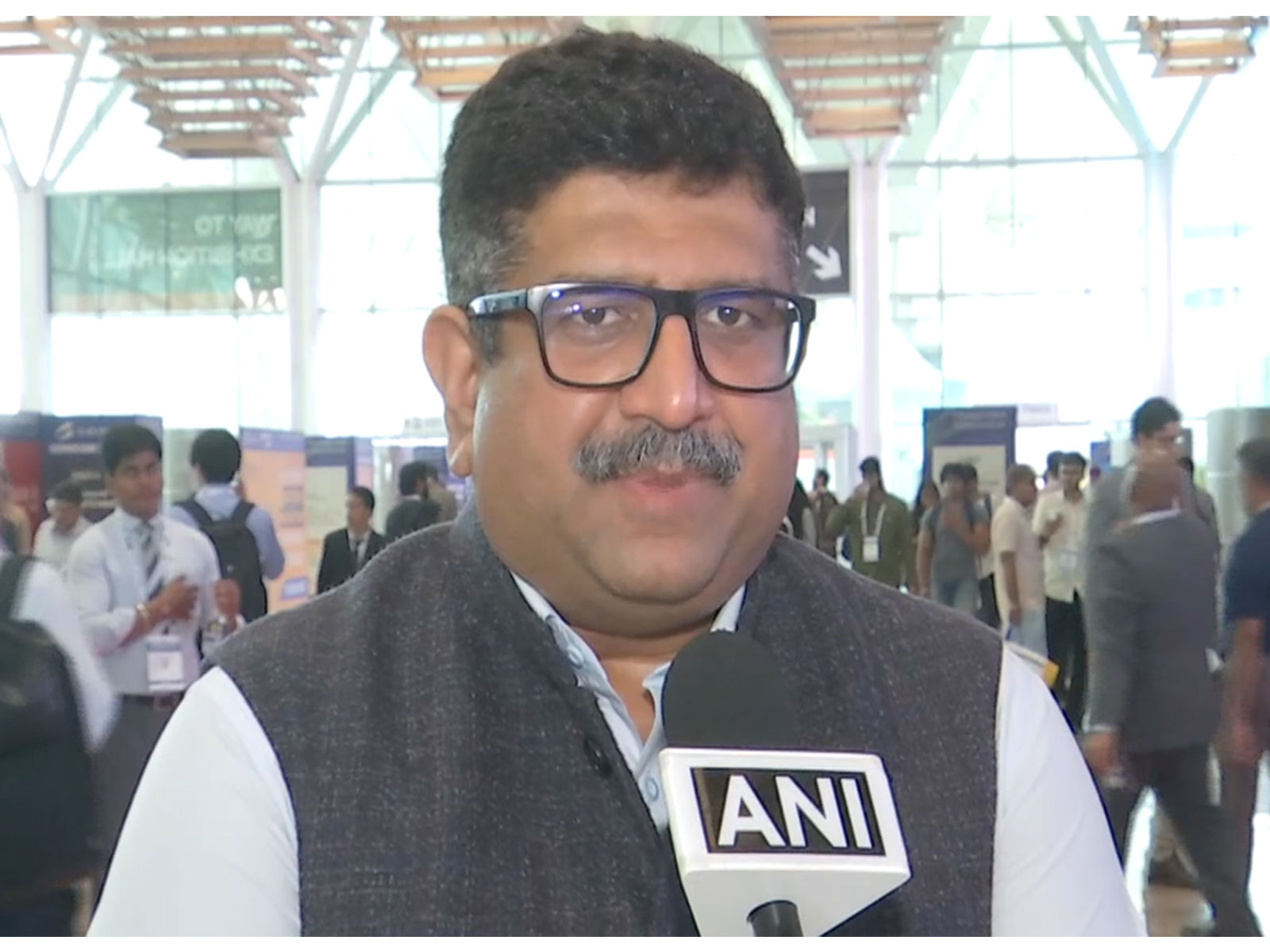
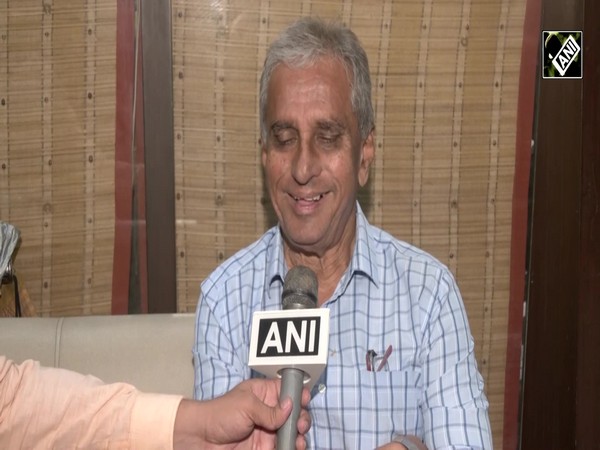
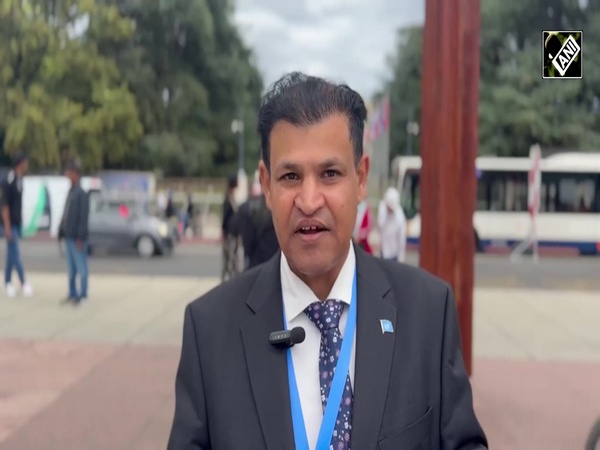
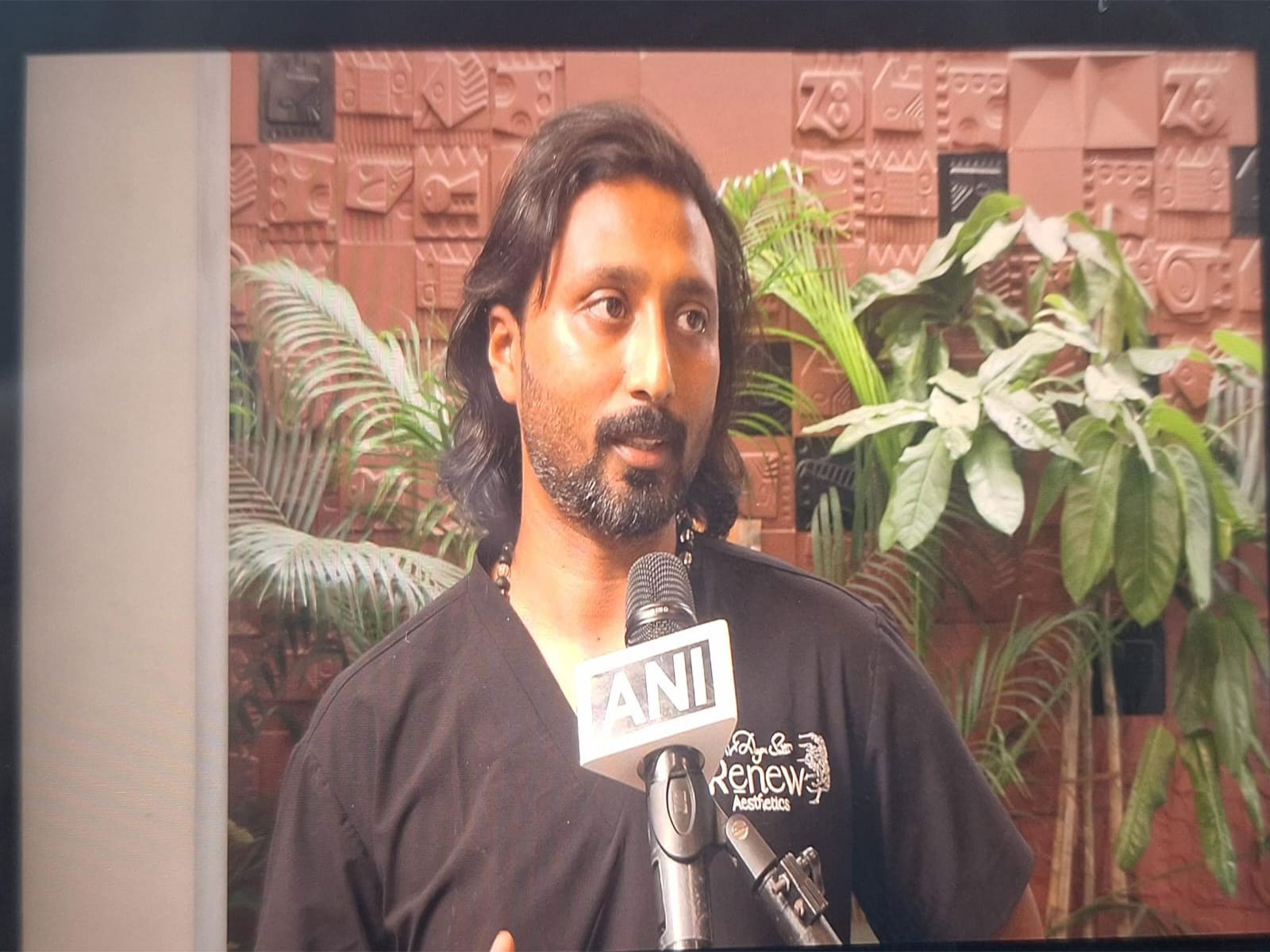
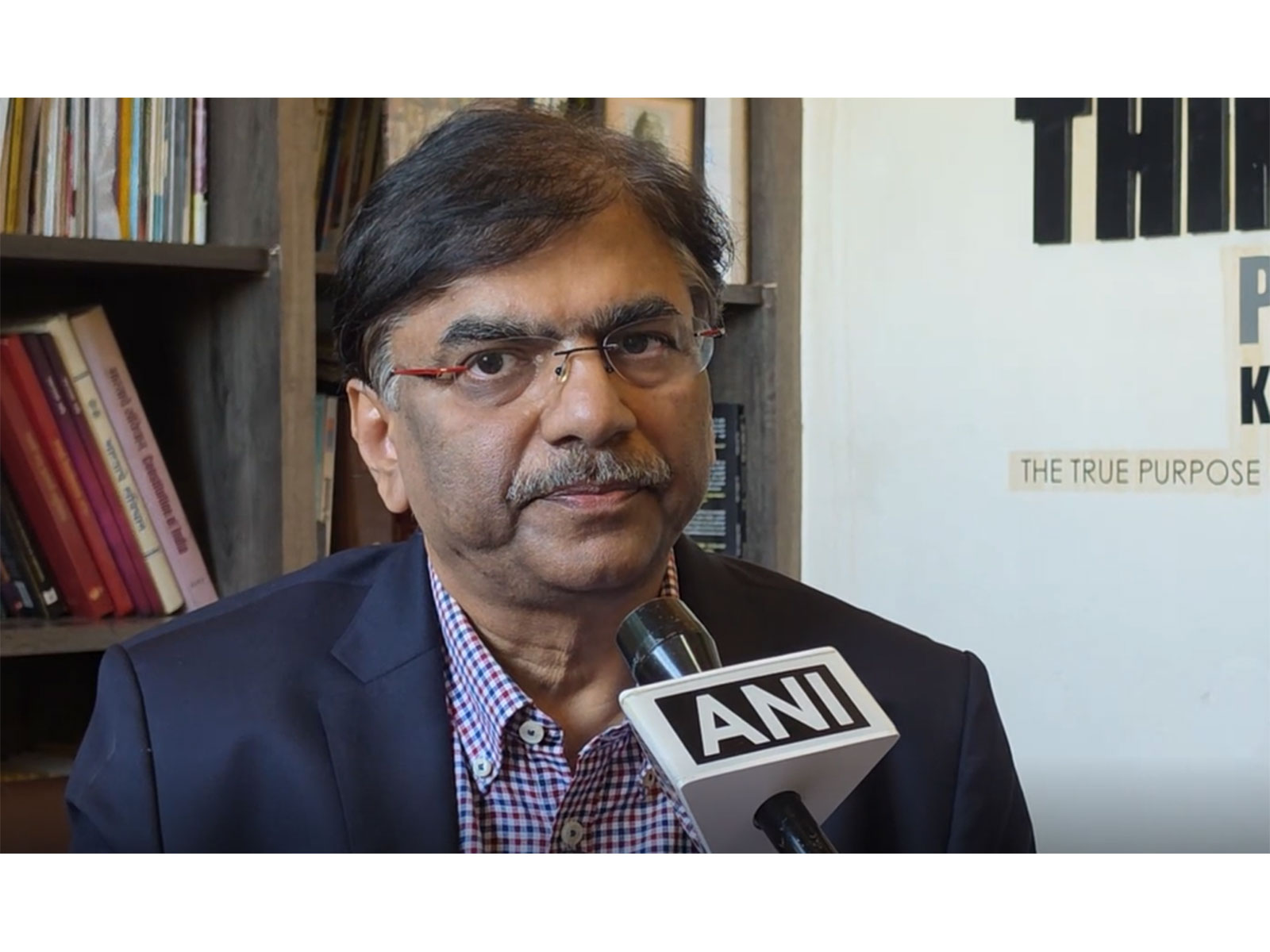
New Delhi [India], September 18 : M&A lawyer Nitin Potdar has questioned the Reserve Bank of India's (RBI) authority to require Tata Sons to divest its shareholding or alter its ownership structure, saying the regulator's concerns over transparency could instead be addressed through stricter disclosure requirements.
In an exclusive conversation with ANI, Potdar said Tata Sons had applied to the RBI for deregistration as a Core Investment Company (CIC) after repaying Rs 20,000 crore to its lenders, but the application took around 28 months, during which RBI regulations changed three times.
He questioned why the RBI continued to insist on regulatory requirements for Tata Sons, arguing that under the Companies Act and existing regulatory framework, there was no power to force a shareholder or promoter of a company to divest its shares. He said even the Securities and Exchange Board of India (SEBI) did not have such a power.
“Where does RBI get that power? I have not understood,” Potdar said, adding that if the RBI's concern was greater transparency, additional disclosure requirements could be introduced under the laws governing the Tata Trusts.
Senior Advocate Harish Salve, however, provided a different account of the regulatory issue, saying Tata Sons had been treated as a CIC since 2019 and that the RBI had not accepted its request to be treated as an unregistered CIC despite the company having repaid its loans.
Salve said the RBI's position was that although Tata Sons had returned its own loans, companies in which it held majority stakes had borrowings, which constituted indirect exposure. According to Salve, the regulatory resolution requires Tata Sons to become a public company.
The regulatory issue has also become intertwined with a dispute between Tata Sons and Tata Trusts over the company's governance and proposed listing.
According to Salve, some Tata Trust trustees have opposed Tata Sons becoming a public company. He said two trustees attended a recent board meeting, with one voting in favour and another against, while some trustees could not attend due to an injunction arising from disputes among the trustees.
Salve said the situation highlighted the need for Tata Sons to become a public company, arguing that the company's Articles of Association contain restrictions linked to the Trusts' representation on the board.
Potdar, meanwhile, questioned the Tata Sons board's recent decisions, including the reappointment of N Chandrasekaran as chairman, arguing that the company's Articles require the affirmative vote of representatives of both Tata Trusts for decisions requiring a board majority. He said the validity of the appointment could therefore face legal challenge.
The developments come amid wider questions over Tata Sons' ownership structure, regulatory status and the possibility of the company becoming publicly listed.