"Temple complex of Goddess Saraswati": BJP Spokesperson Pradeep Bhandari welcomes HC order on Bhojshala dispute
May 16, 2026
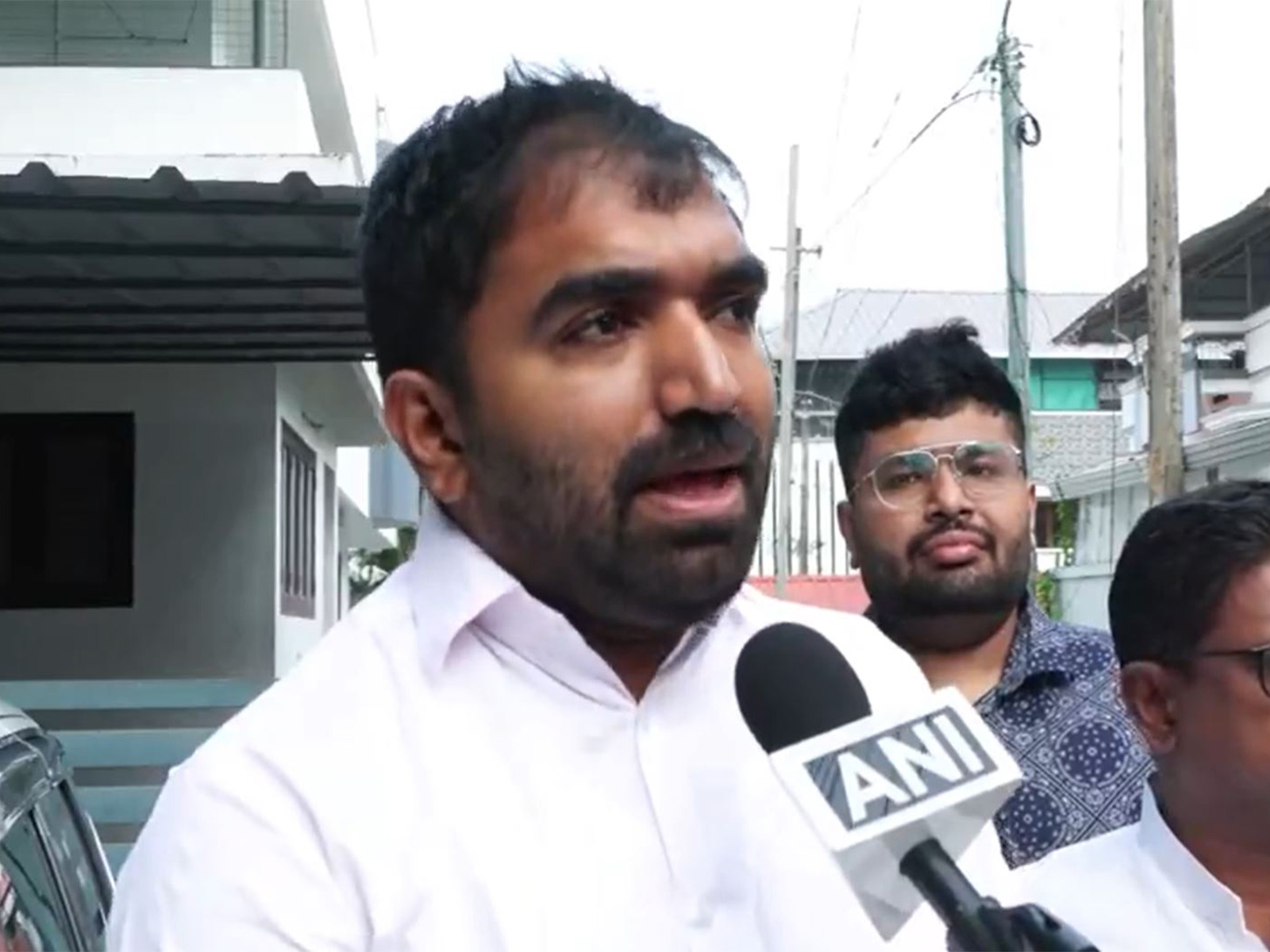
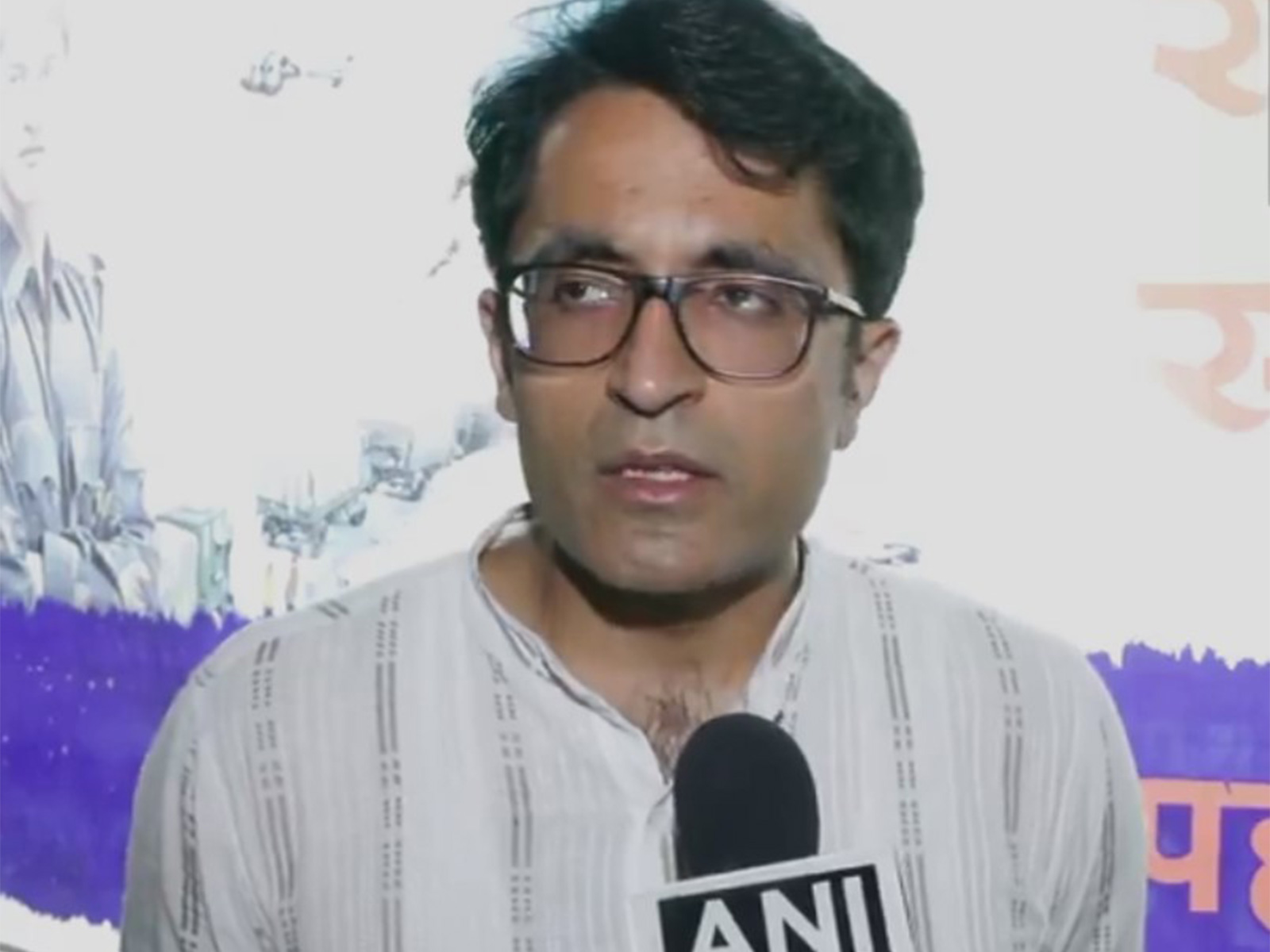
New Delhi [India], May 16 : BJP National Spokesperson Pradeep Bhandari on Friday welcomed the decision by the Indore bench of Madhya Pradesh High Court, granting the Hindu side the right to worship at the Bhojshala complex. The BJP leader said that the court respected the "scientific study conducted by Archaeological Survey of India (ASI)."
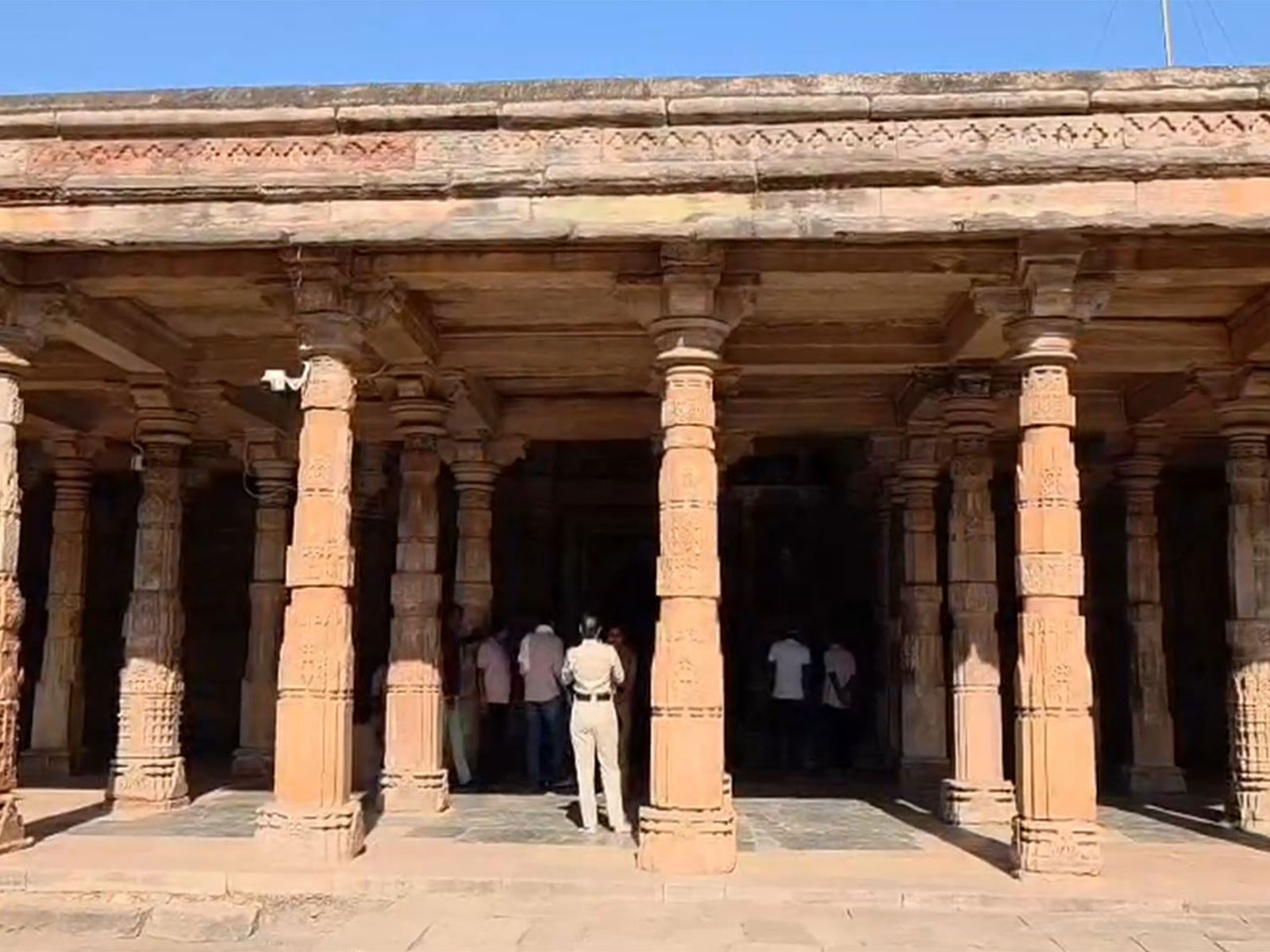
Speaking with ANI, the spokesperson hailed the verdict, recognising the 11th-century structure located in Dhar, Madhya Pradesh, as a temple, affirming that it is the " temple complex of Goddess Saraswati."
"The High Court has taken cognisance of a scientific study conducted by the ASI, in which the ASI submitted a 21-page report. According to this report and as per the Honourable Court, the site of Bhojshala is a temple complex; specifically, it is the temple complex of Goddess Saraswati. We respect the verdict of the Honourable High Court," he said.
On the other hand, All India Majlis-e-Ittehadul Muslimeen (AIMIM) president Asaduddin Owaisi strongly criticised the High Court's decision, claiming that it fails to align with India's constitutional values.
Speaking at a presser in Hyderabad, Owaisi argued that the verdict mirrors the legal trajectory of the Babri Masjid-Ram Mandir dispute.
"This judgment does not align with constitutional values. The verdict delivered regarding the Babri Masjid-Ram Mandir dispute accorded primacy to a single religion while effectively undermining the worship rights of others. Furthermore, this judgment has opened a floodgate. Tomorrow, anyone could come forward to challenge the sanctity of various places of worship," he said.
He alleged a contradiction in the judiciary's stance, stating that while the Supreme Court had previously linked the Places of Worship Act to the 'Basic Structure' of the Constitution in the Babri Masjid case, that principle now appears to be "completely disregarded".
Drawing a direct parallel to the Ayodhya case, Owaisi remarked, "This judgment has turned out to be exactly like the Babri Masjid case. In the Babri Masjid case, the court had stated that the Muslims did not have possession of the site. But in this case, I held possession right up until today."
This comes after the Indore Bench of the Madhya Pradesh High Court granted the Hindu side the right to worship and recognised the complex as belonging to Raja Bhoj.
Addressing media personnel after the court's order, Vishnu Shankar Jain, representing the Hindu side, termed the judgment as "historic," noting that the court has partially set aside the Archaeological Survey of India's (ASI) order dated April 7, 2003.
"The Indore High Court has delivered a historic verdict, partially setting aside the ASI's order dated April 7, 2003. Furthermore, the Court has granted the Hindu side the right to worship and has recognised the Bhojshala complex as belonging to Raja Bhoj," Jain said.
The advocate further revealed that the court addressed the demand for the repatriation of the idol, which is currently housed in a museum in London.
"Regarding our demand for the repatriation of the idol currently housed in a London museum, the court has directed the government to consider this request; the court also noted that the Muslim side is free to present its views before the government as well. Additionally, the Court has asked the government to consider allocating alternative land to the Muslim side," he said.
In an effort to provide a resolution for the other party, Jain said that the court has suggested the allocation of alternate land for the Muslim side.
"The court has granted us the right to perform worship rituals and has directed the government to oversee the management of the site. The ASI's previous order, which granted the right to offer Namaz (prayers), has been completely set aside; henceforth, only Hindu worship shall take place there," he added.