Thai arms smuggler gets six-year jail term in NSCN (IM) arms procurement conspiracy case
Oct 08, 2026
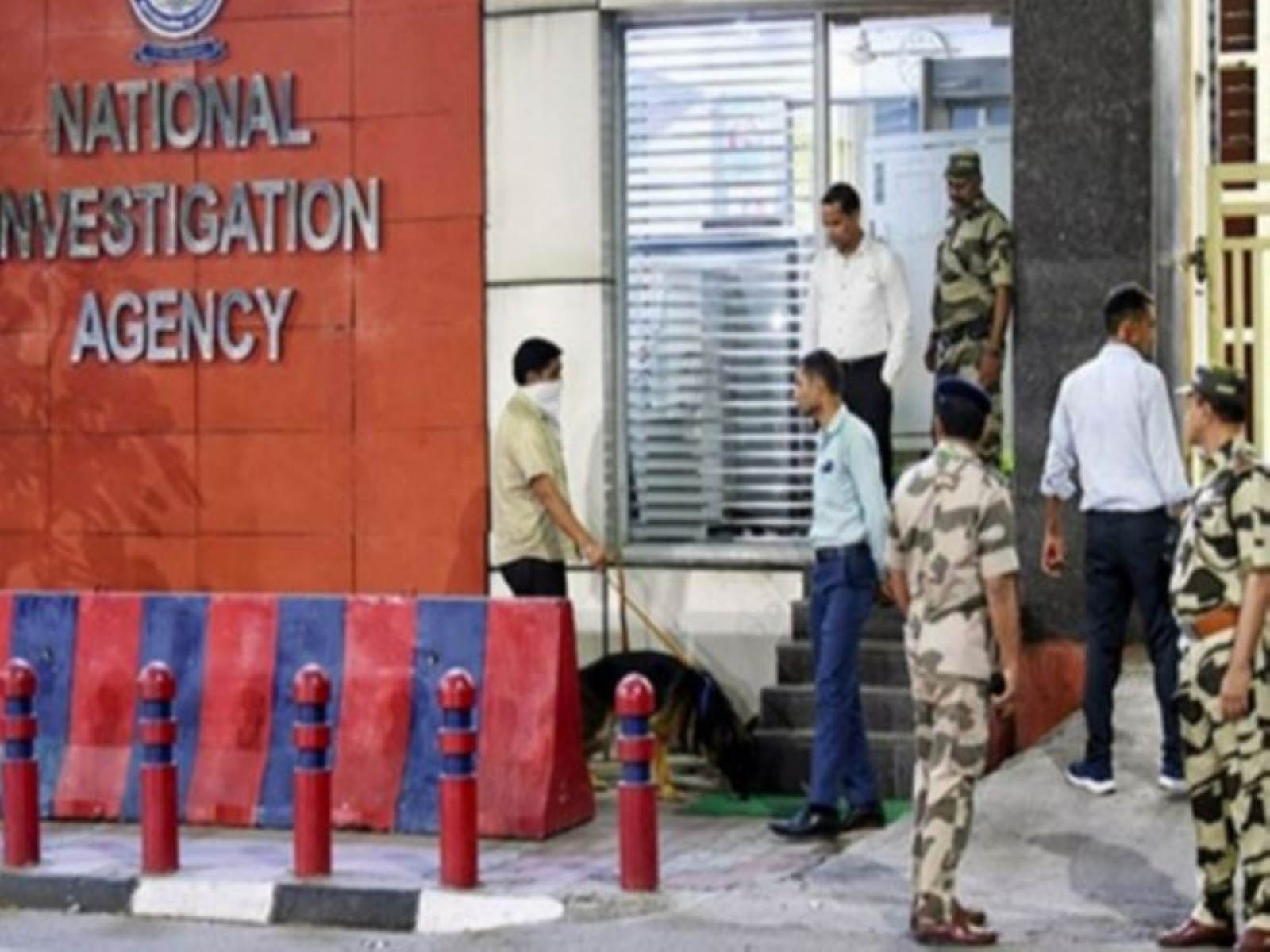
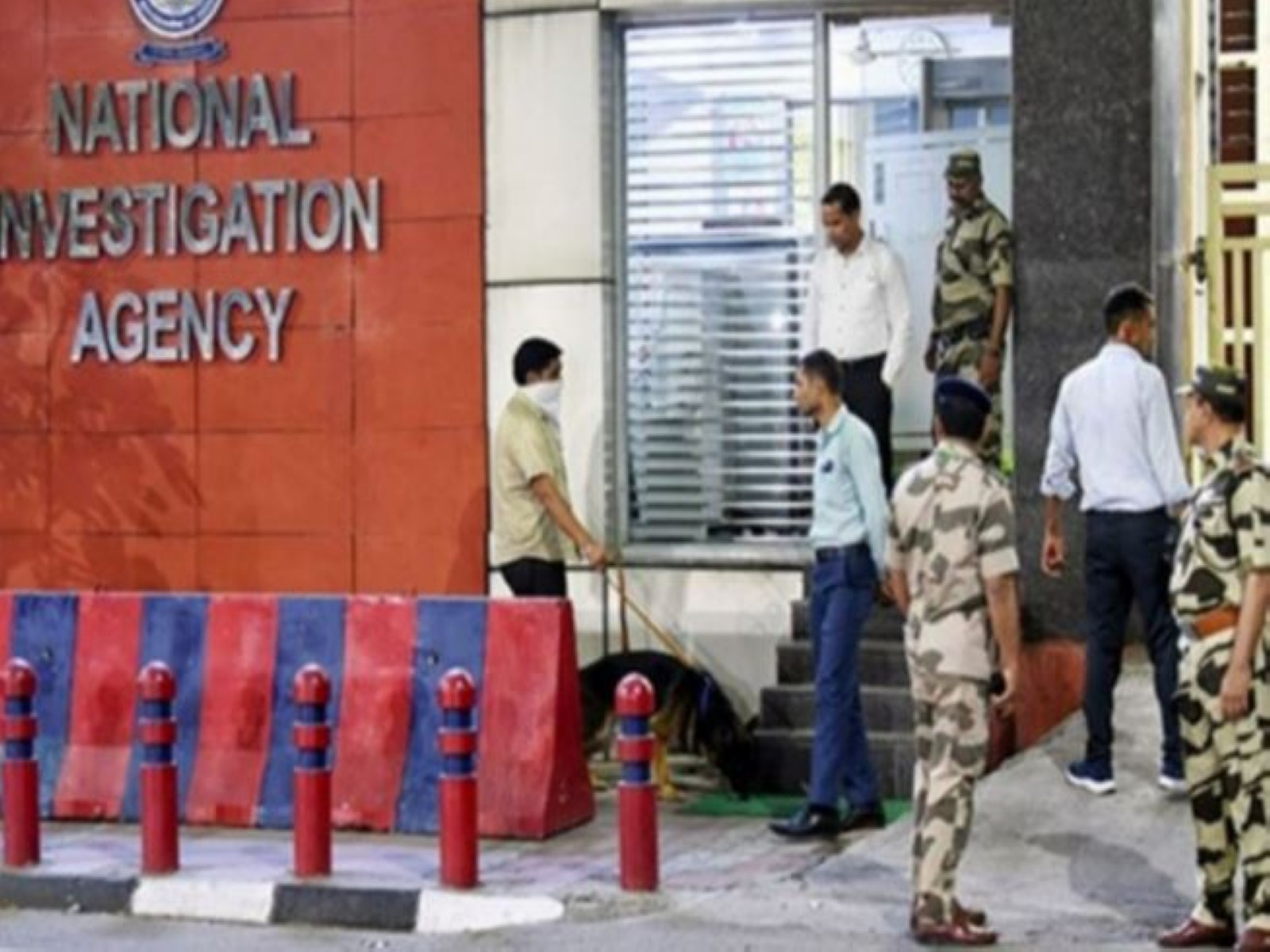
New Delhi [India], October 9 : A special NIA court on Thursday sentenced a Thai national and arms smuggler Willy Naruenartwanich alias Willy to six years' imprisonment in a case relating to an international arms procurement conspiracy of the National Socialist Council for Nagaland (NSCN) (IM) under UAPA.
The Court has also imposed a fine of Rs 5 lakh. This case was stated in 2011.
Special NIA Judge Prashant Sharma on Thursday sentenced Willy to 3 years for the offence of Conspiracy, 2 years for the offence of preparation of war against India and 2 years for the offence of Terror Conspiracy.
The court had held him guilty on September 24, 2026, for offences under Sections 120B and 122 of the Indian Penal Code and Section 18 of the Unlawful Activities (Prevention) Act.
As per the NIA, this recent case pertains to a conspiracy to procure a huge consignment of arms and ammunition illegally from foreign countries by the NSCN (IM) to strengthen their armed cadres, for doing activities against the interests of the Government of India and also reflecting preparation to wage war against the Government of India.
National Investigating Agency (NIA) chargesheeted four accused persons namely Anthony Shimray alias Ningkhan Shimray alias Anthony Shing alias Anthony Sheing alias Sir Khan, TR Calvin aliasGrace Raingam Tayao aliasTao Calvin, Hangshi Ramson Tangkhul alias Raman Chonm alias Hans under Section 121 A, 122, 120B IPC and Section 16,17,18 and 20 of UA(P)A and Willy Naruenartwanich alias Wuthikorn Naruenartwanich alias Willy, Under section 121-A, 122, 120B IPC and Section 16 and 18 of the UA(P) Act.
Of the four accused, two are absconding, and one died during trial. The court convicted and sentenced accused Willy.
Advocate Akshay Bhambri, counsel for Convict Willy, argued that the convict has regularly appeared in this Court. He has also undergone a long period of custody.
It was also submitted that the convict is a senior citizen of 70 years of age. He never missed any bail conditions and he was in custody for around two years in India.
The counsel also submitted that the convict has a poor family background despite being a citizen of Thailand. He spent 15 years during the trial. The convict’s role was minimal and he had clear antecedents. No criminal conspiracy had been carried out and had remained inchoate.
Moreover, no arms or money were recovered from the convict. In view of these circumstances, the court prayed for the imposition of the minimum sentence. The court was submitted this while praying for a minimum sentence.
The convict’s role was minimal and that he had clear antecedents. It further observed that no criminal conspiracy had been carried out and that the alleged conspiracy had remained inchoate. Moreover, no arms or money were recovered from the convict. In view of these circumstances, the court prayed for the imposition of the minimum sentence.
The court said that the fact that the convict regularly appears before this court, is a senior citizen aged 70 years, and has remained in custody in India for 622 days are mitigating factors.
At the same time, involvement of the convict in offences against the Government of India, as concluded by this court, per se is such an aggravating factor that it does not call for leniency; in fact, Section 18 of UAPA prescribes a minimum substantive sentence of five years to be imposed on convicts like the one involved in this matter.
The court said that the consequences of the convict's activities should have been foreseen by the convict. The consequences could have given a chilling effect to the innocent citizens of India, for which the convict had no answer. Outcry of society, as such, cannot be ignored in offences of like nature.
"If convict is given minimum prescribed punishment, then message to the society in general, would be clear and that would be, that one can get away with such heinous crime, by reflecting an obedient and disciplined conduct, during trial. That message, would definitely help future wrongdoers to commit such like offences," the Special NIA Judge said.