“These MoUs mean a lot to us”: Tata Electronics CEO laud global pacts as part of expanding critical semiconductor ecosystem
Sep 17, 2026
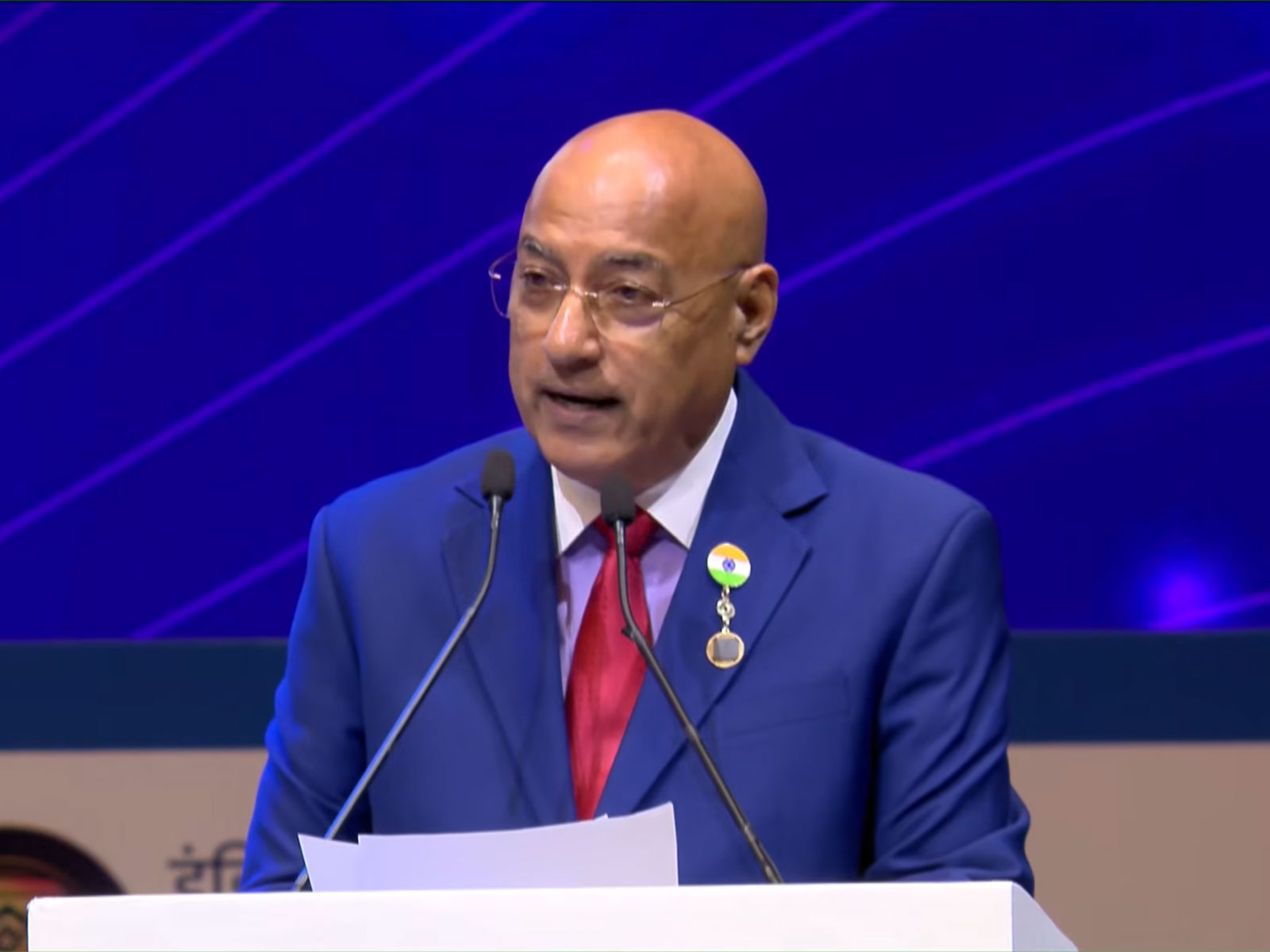
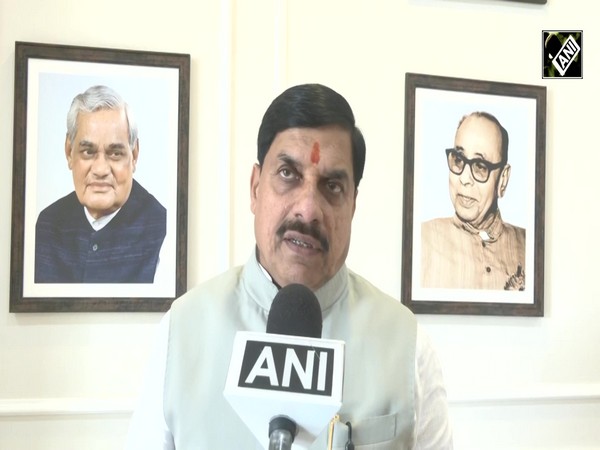
New Delhi [India], September 17 : Tata Electronics CEO and MD Randhir Thakur stated that the recent Memorandums of Understanding (MoUs) represent mutual operational commitments rather than immediate financial returns, serving as an anchor for the company’s manufacturing network.
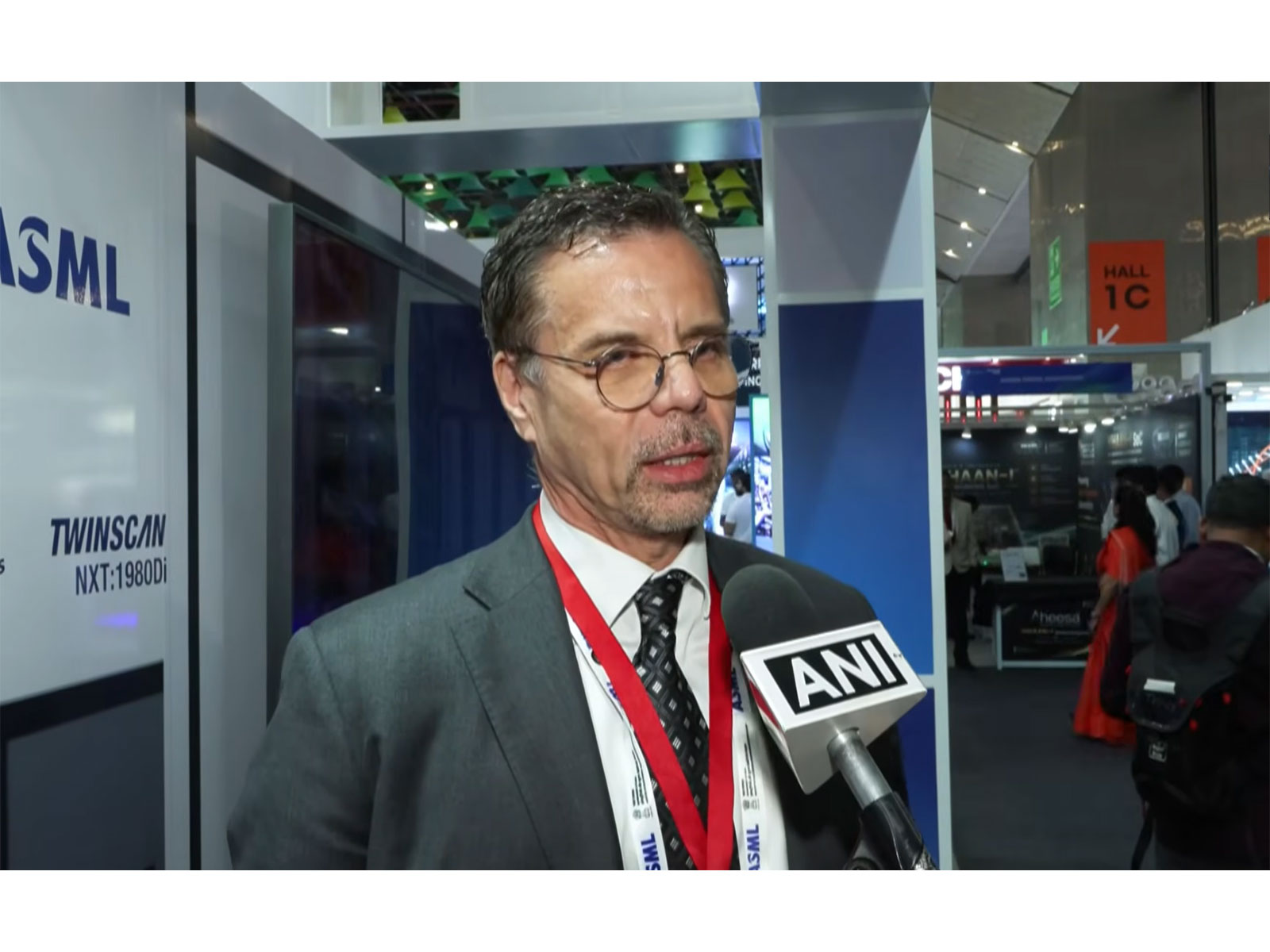
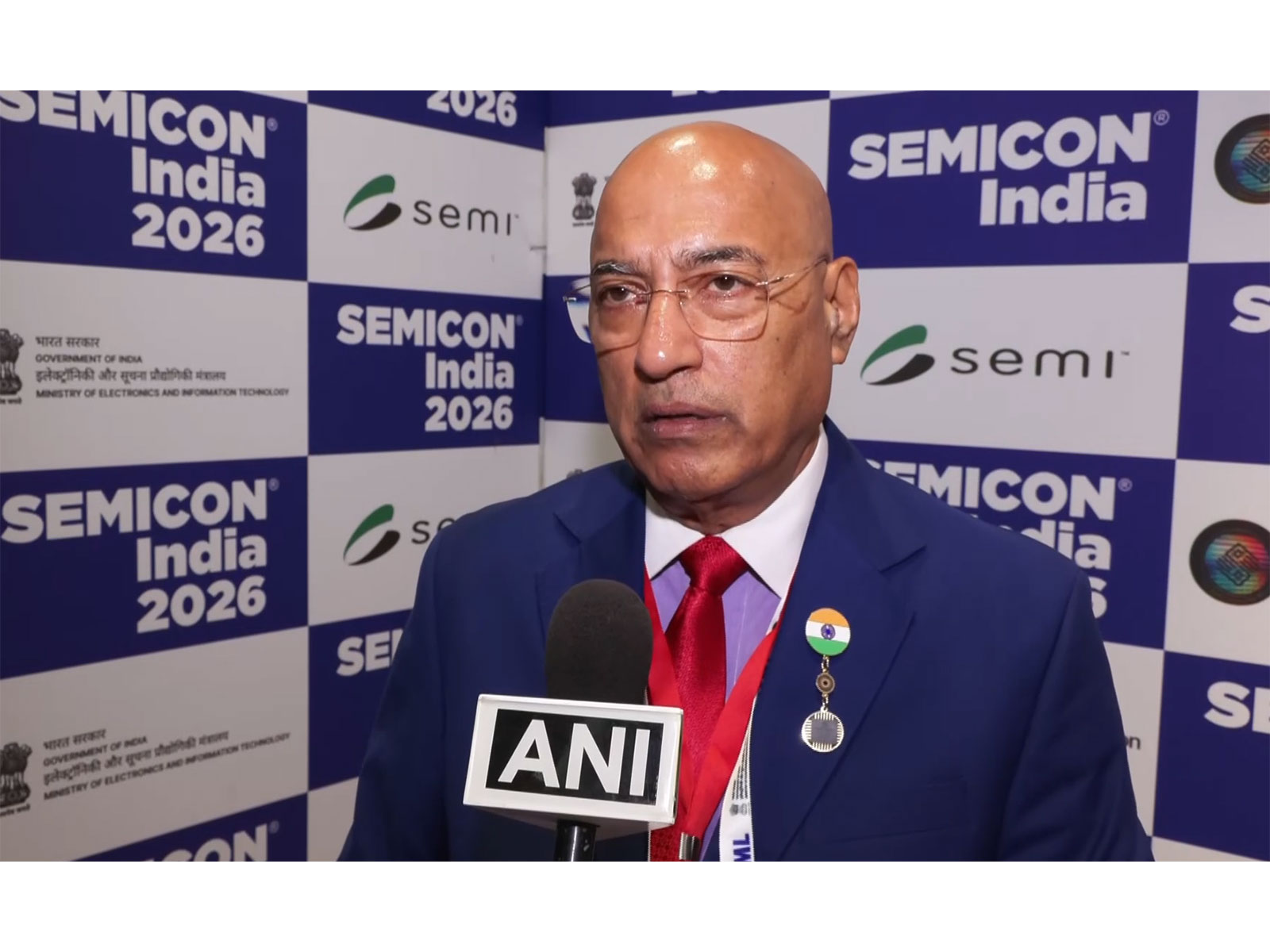
Speaking to ANI on the sidelines of Semicon India 2026, Thakur highlighted that Tata Electronics has entered into agreements with 16 companies so far. He added that these MoUs signed with international partners and customers form the foundation of ongoing operational expansion across multiple manufacturing locations.
“I think these MoUs, first of all, some of them are by our customers, and our customers are so critical for us for the future, and these MoUs mean a lot to us,” Thakur said.
He stated that the pacts span a wide geographical base essential to building out facilities that require extensive international supply linkages.
“Many of the MoUs are from our partners. They are in Europe, Japan, and Malaysia, and Singapore, and they come through as part of our critical ecosystem because our factories will use 400-plus different suppliers from across the globe,” he said.
Thakur explained that the primary focus of these pacts centres on initiating foundational work and securing necessary infrastructure rather than short-term balance-sheet metrics.
“And we want to make sure that there is mutual commitment from both sides. So these MoUs carry a lot of meaning and value both for us and our partners,” he added. “The MoUs and the commitment we sign, those are measured in terms of the commitment, starting the work, in some cases the development, in other cases providing the infrastructure and getting engaged. So the value part comes much later.”
Addressing operational capacity, Thakur outlined ongoing developments across semiconductor fabrication, packaging, and electronics assembly. The company currently pursues simultaneous construction and scaling activities across eight separate domestic locations.
“I think we are already scaling, be it in the fab area, in the electronics area, in the packaging area. So right now, there are so many of these projects going on as we are scaling at eight different sites. So that is currently the mission, really focused on execution,” he said.
Turning to international developments, Thakur, while acknowledging that global interdependencies leave the sector exposed to external shocks, clarified that current disruptions remain confined to logistical overheads.
“Well, I think the semiconductor industry, because there are so many dependencies globally, so there always is impact, but specific to Tata Electronics at the moment, we don't really see the supply chain impact more than some of the freight costs and those areas as material goes in and out,” Thakur said.
He noted that the firm’s core operations continue without broader supply bottlenecks, stating, “But for now we have not seen for our businesses as much impact other than some marginal cost increase in freight etc.”