‘Threats, fear, emotional pressure’: Court denies anticipatory bail to former teacher in sexual exploitation case
Oct 19, 2026
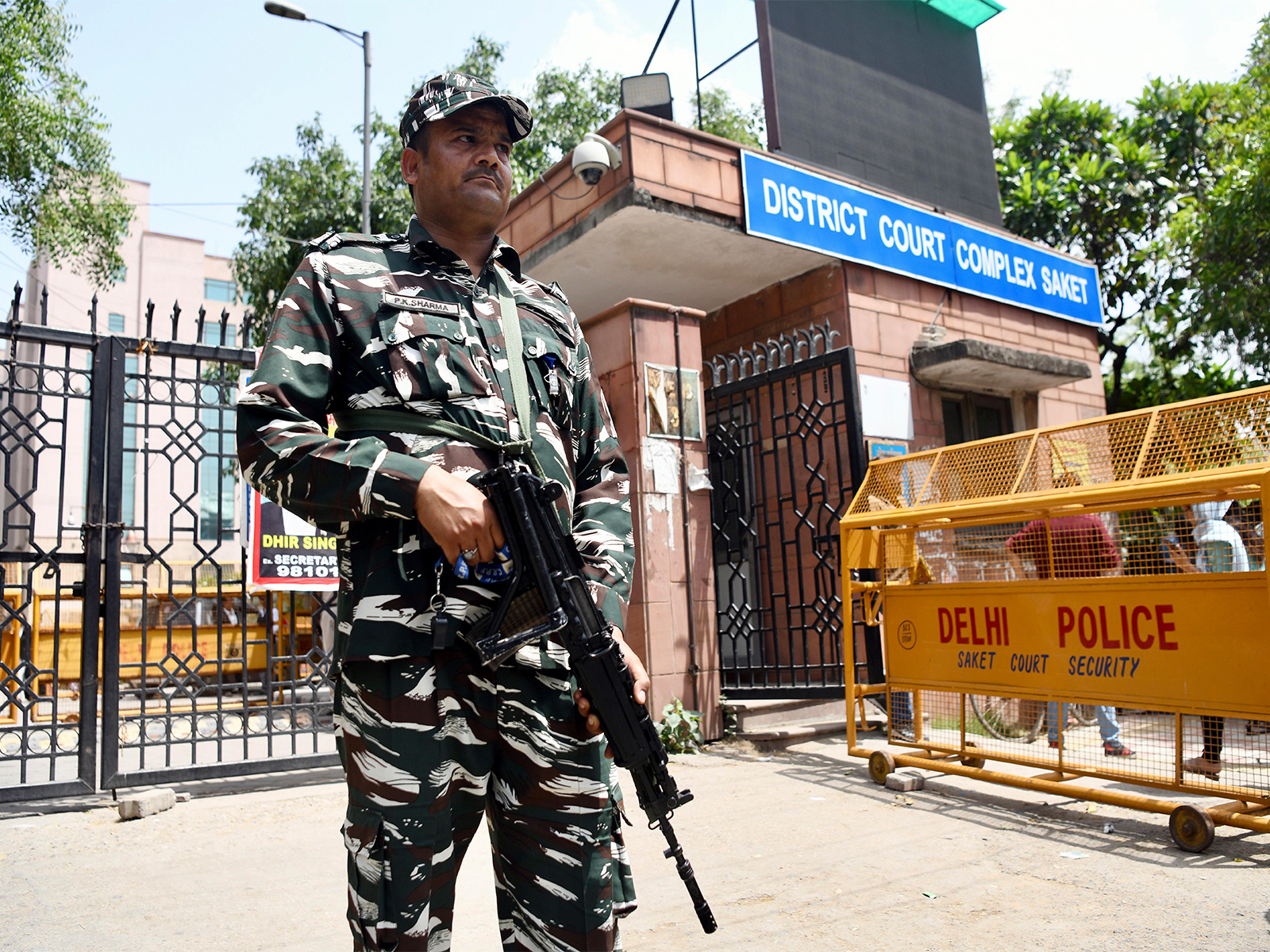
New Delhi [India], October 19 : Observing that allegations of intimidation, threats to circulate objectionable videos and continued pressure raise serious concerns about a woman’s ability to make free and informed choices, a Delhi court has refused anticipatory bail to a former teacher accused of sexual exploitation, observing that the alleged relationship cannot be treated as completely voluntary at this stage.
Additional Sessions Judge Gomati Manocha, in an order dated October 12, said the accused’s position as the woman’s teacher was a material circumstance that could not be ignored while assessing the allegations of coercion, influence and abuse of authority.
Judge Gomati Manocha stated that although both parties were adults at the time of the proceedings, the woman was allegedly below 18 when she joined college and the first alleged incident of sexual intercourse took place. It said the circumstances surrounding the relationship, including the accused’s position of authority and the alleged threats, required careful examination.
The woman has alleged that the accused recorded objectionable videos without her consent and subsequently threatened to make them public. She further alleged that the threats and pressure continued over a period of time, causing severe fear and mental distress.
The court observed that the electronic material placed before it could not be examined selectively. It said the WhatsApp conversations between the parties did not merely reflect a past personal relationship but also contained material relating to the alleged creation of objectionable recordings, threats and continued pressure.
“The sexual access cannot be termed as completely voluntary,” the court observed while examining the allegations and the material available at the stage of considering anticipatory bail.
The court clarified that the allegations would require assessment on the basis of evidence and the circumstances of the case. It noted that the nature of the relationship, the alleged exercise of authority and the possibility of coercion or intimidation were relevant to determining whether the interactions were genuinely consensual.
According to the complaint, the woman was allegedly subjected to pressure and intimidation after she attempted to distance herself from the accused. She also alleged that objectionable videos were used as a means of threatening her and discouraging her from pursuing the case
The court took note of allegations that pressure was also being exerted on the woman’s friends and family. It observed that the possibility of interference with witnesses and the electronic evidence could not be overlooked while considering the request for anticipatory bail.
The woman’s account also refers to an alleged incident in July 2026, when she claimed that the accused attempted to touch her inappropriately at a shopping mall. She allegedly sought help from an acquaintance and escaped to a washroom before the situation escalated.
The accused, however, sought anticipatory bail on several grounds, including an alleged delay in the registration of the FIR, the consensual nature of the relationship and the claim that the present case was a counterblast to another criminal case registered following an incident in July 2026.
The court said the delay in registering the FIR and the duration of the relationship were matters to be assessed during the trial and could not, by themselves, justify discarding the prosecution’s case at this stage
It also observed that the registration of a separate FIR concerning the alleged July incident and a complaint under the SC/ST Act could not, on their own, constitute grounds for granting anticipatory bail.
While dismissing the anticipatory bail application, the court expressed concern that granting relief could create a substantial risk of influencing or threatening the woman, interfering with electronic evidence or repeating the alleged conduct.
It said there was a need to preserve and examine the electronic material, including original mobile phones, WhatsApp conversations, metadata, cloud backups and forensic images, to ensure a fair investigation.
In a significant direction, the court ordered that the investigation be assigned to a named senior police officer so that the relevant electronic evidence could be obtained and preserved and the allegations examined impartially.
The investigating officer has also been directed to examine the allegation that the accused or his associates were pressurising the woman not to pursue the case and to record statements of persons who may have knowledge of such pressure.
The court directed that a status report on the investigation be submitted to the jurisdictional magistrate within 15 days of the order. It also directed that a copy of the order be sent to the Delhi Police Commissioner for information and necessary action.