TRAI chief flags low broadband penetration, pushes hybrid model at DigiCom 2026
Apr 24, 2026
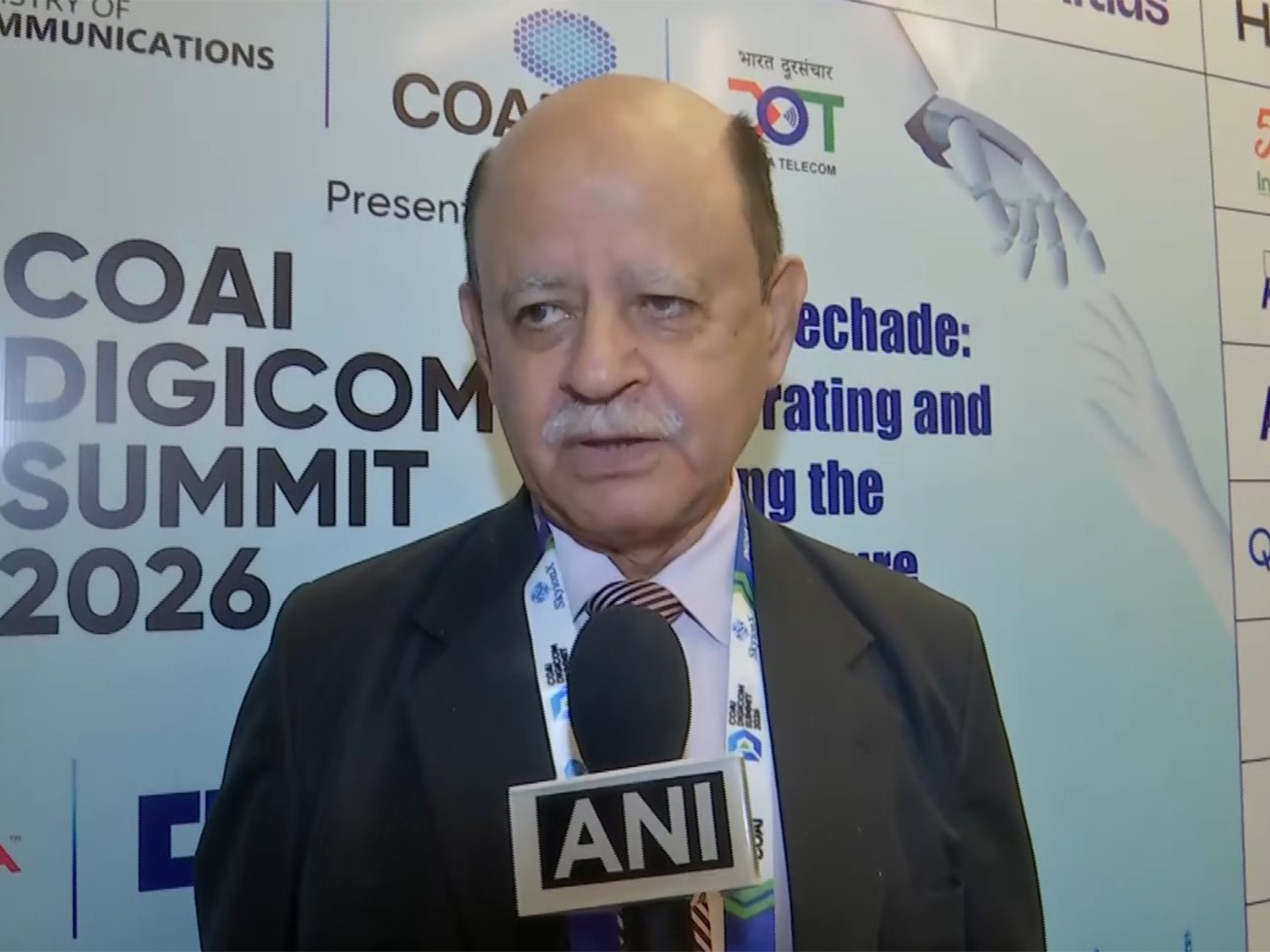
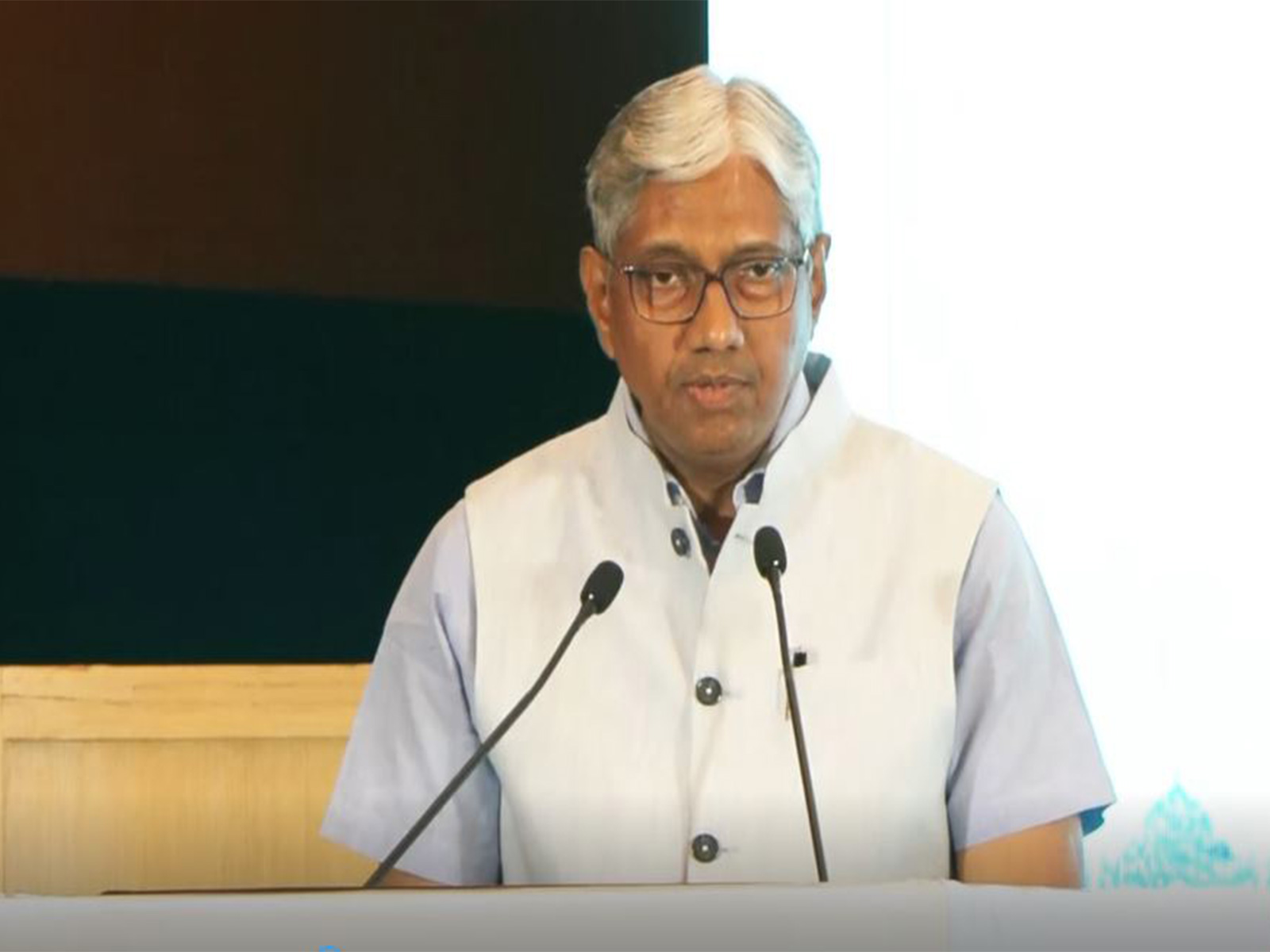
New Delhi, [India] April 24 : Anil Kumar Lahoti, Chairman of the Telecom Regulatory Authority of India (TRAI), on Friday highlighted the rapid expansion of India's telecom ecosystem while underlining key gaps in fixed broadband penetration, the growing role of artificial intelligence (AI), and the country's ambitions in 6G and future technologies.
Speaking at the COAI DigiCom Summit 2026, Lahoti noted that fixed broadband has witnessed significant growth over the past decade. "The total fixed broadband subscription, which stood around 15 million in 2015, has grown over four times and now stands at 63 million," he said.
However, he cautioned that penetration remains low compared to global benchmarks. "Overall fixed broadband penetration still remains around 20 per cent of the households as compared to 80 to 90 per cent penetration in several developed countries," Lahoti highlighted, emphasizing the need for a hybrid deployment model. "This hybrid approach of utilizing fiber as well as FWA will help in accelerating the penetration of fixed broadband to bridge this gap."
On the role of AI in telecom, Lahoti underscored its transformative impact across network operations. "AI is enabling self-optimizing networks, predictive maintenance, intelligent spectrum management, enhanced cyber security, and improved energy efficiency," he said. He further highlighted its role in consumer protection, noting that AI is "strengthening consumer protection through the proactive detection of spam and fraudulent activities."
Addressing concerns around spam and fraud, Lahoti said telecom operators are increasingly deploying advanced systems. "Telecom service providers are deploying AI/ML based systems... that analyse calling and messaging traffic patterns in near real time to identify suspected spam activity even before large-scale consumer harm can occur," he stated.
He also spoke about the development of a Digital Consent Framework aimed at empowering users. "The mechanism... will enable individuals to grant, review and revoke their consent in real time through transparent and auditable systems," he said, adding that a pilot project has already been conducted "in coordination with RBI... where 11 major banks participated."
Looking ahead, Lahoti highlighted India's preparations for next-generation connectivity under the Bharat 6G Vision. "India is also actively preparing for 6G technology... to position India as a global leader in the design, development and deployment of 6G technologies," he said. He identified key focus areas, including "terahertz spectrum, artificial intelligence native networks, quantum communication, and integrated sensing and communication."
On the broader strategic outlook, Lahoti emphasized India's growing global role. "India today is not merely adopting technology, it is actively shaping the global digital narrative," he said.
He stressed that future growth must be anchored in strong principles. "The technological transformation should be anchored in the principles of trust, transparency, interoperability and robust safeguards," Lahoti noted, calling for continued collaboration between government, industry, and academia.
Reaffirming TRAI's regulatory philosophy, he added, "TRAI adopts an approach which is widely consultative and transparent," ensuring that innovation is balanced with consumer protection and sectoral growth.
The summit brought together industry leaders and policymakers to deliberate on key issues including network expansion, digital fraud, AI integration, and the future of connectivity in India.