Trump orders US Navy "to shoot and kill any boat" putting mines in Strait of Hormuz
Apr 23, 2026
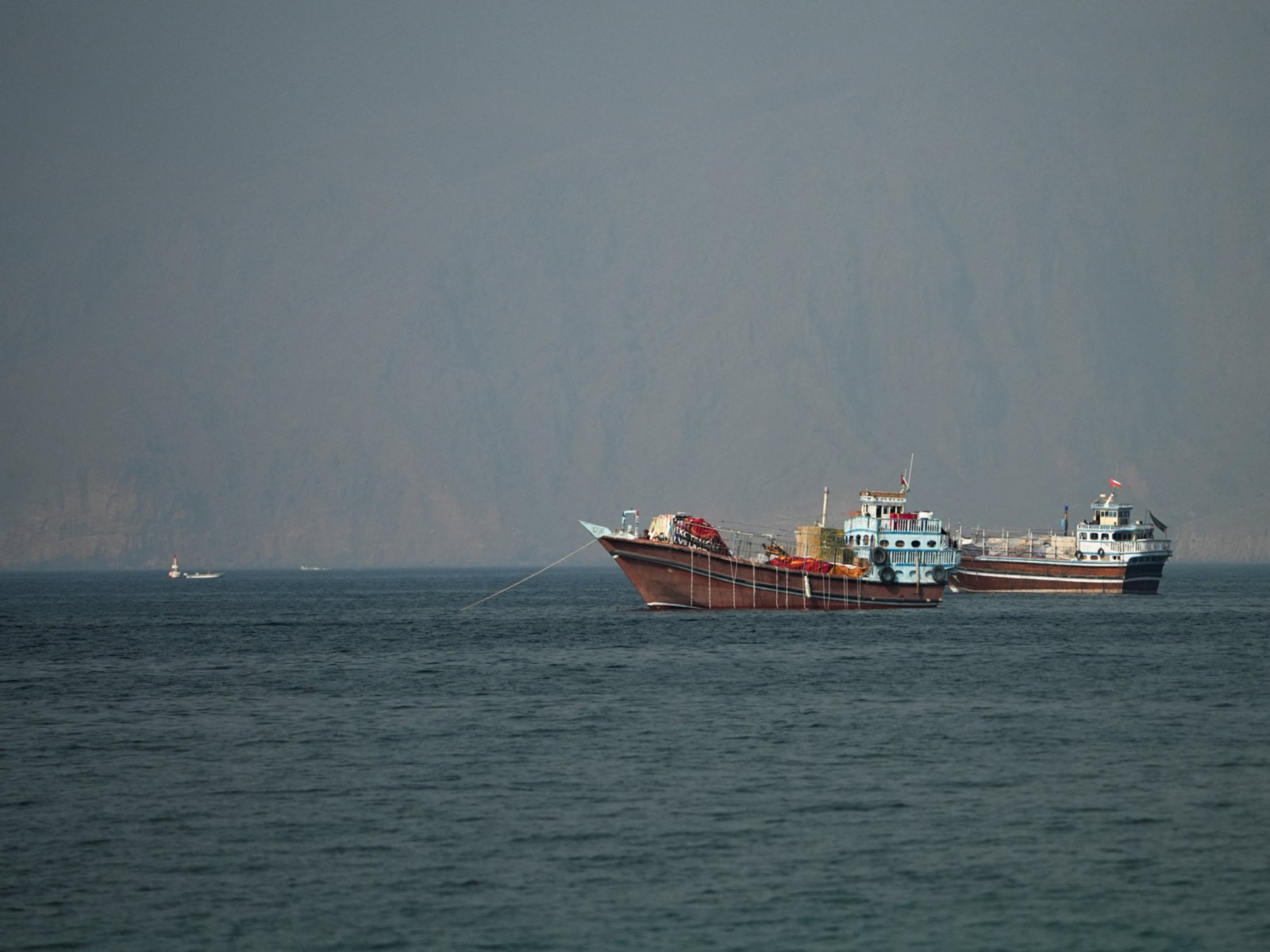
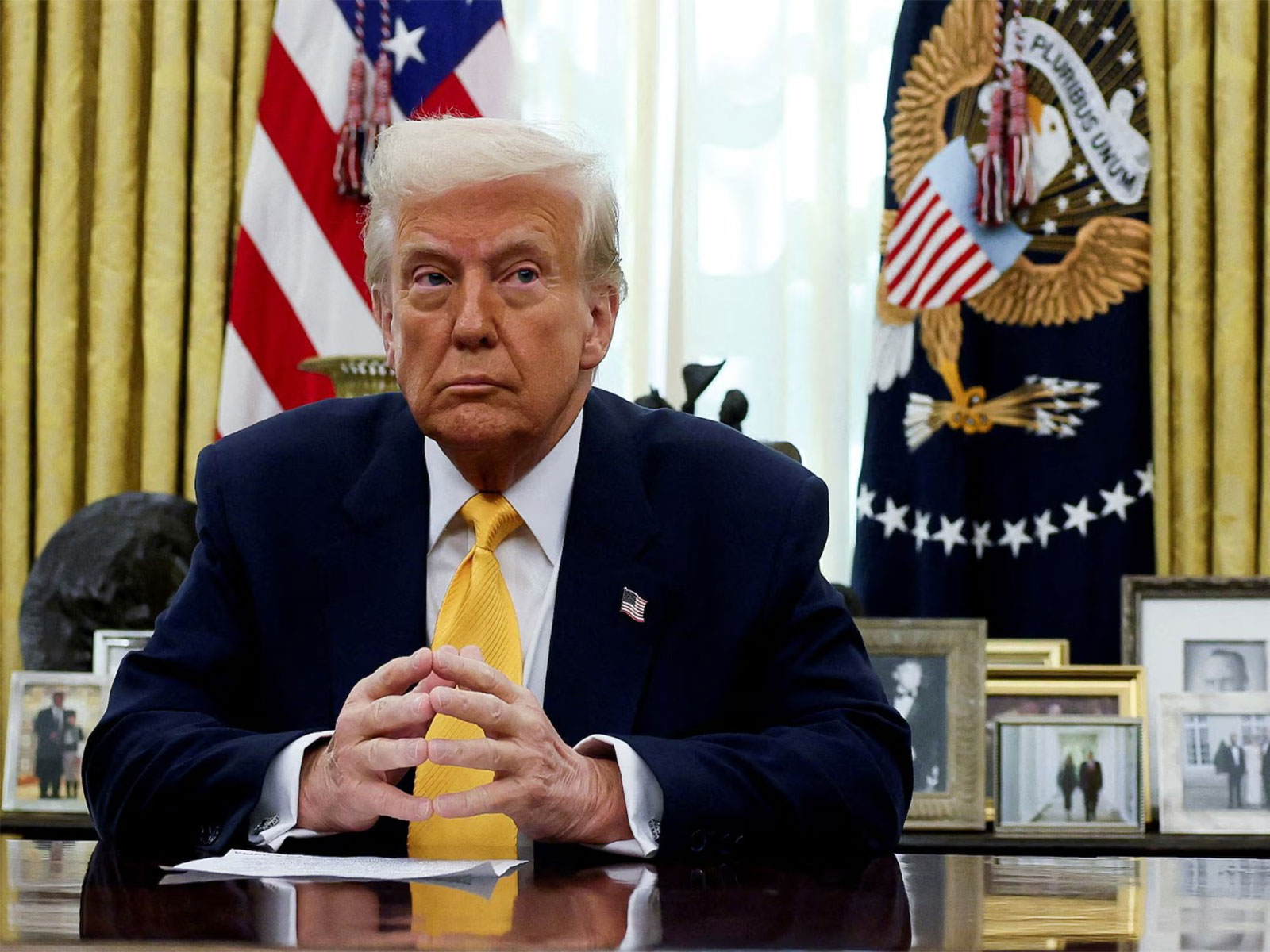
Washington DC [US], April 23 : US President Donald Trump on Thursday said that he has directed the country's Navy to take decisive action against any vessels attempting to lay mines in the strategically vital Strait of Hormuz amid escalating tension over the virtual control of the waterway between Tehran and Washington.
In a post on Truth Social, Trump said there will be "no hesitation" from the US side to shoot down such boats.
He further, in a veiled reference to Iran, claimed that all 159 of "their naval ships" are at the bottom of the sea.
"I have ordered the United States Navy to shoot and kill any boat, small boats though they may be (Their naval ships are ALL, 159 of them, at the bottom of the sea!), that is putting mines in the waters of the Strait of Hormuz. There is to be no hesitation," the post read.
The US President further stated that he is also tripling the task for clearing mines in the Strait.
"Additionally, our mine 'sweepers' are clearing the Strait right now. I am hereby ordering that activity to continue, but at a tripled up level!" it added.
The remarks come amid heightened tensions in the region, with concerns over maritime security and the safety of global oil shipments passing through the narrow waterway. The Strait of Hormuz is one of the world's most critical chokepoints, handling a significant portion of international crude oil trade, which has seen a significant disruption following the conflict in West Asia.
Earlier, the Pentagon had reportedly informed the US Congress that clearing naval mines allegedly positioned by the Iranian military could take up to six months, highlighting a significant hurdle to regional stability despite a precarious ceasefire.
According to a US House Armed Services Committee briefing detailed by three officials to The Washington Post, this timeline has triggered "frustration" amongst both Democratic and Republican lawmakers.
The delay raises critical "concerns" that energy costs may stay high even if a broader peace deal is reached.
Sources told The Washington Post that Tehran may have "deployed 20 or more mines" within the Strait of Hormuz.
A senior defence official informed legislators that some of these explosives were "deployed remotely using GPS technology", a sophisticated method that makes them "harder for US forces to detect".
The mining activity reportedly began in March amidst ongoing US and Israeli military operations. Although earlier assessments by the Defence Intelligence Agency suggested a disruption could last up to half a year, Pentagon spokesman Parnell told CNN that a "six-month closure of the Strait of Hormuz is an impossibility and completely unacceptable" to US Secretary of War Pete Hegseth.
The Pentagon has since "disputed" the reporting, labelling the claims "inaccurate" and criticising the disclosure of information from a classified briefing. A department statement suggested that the publication of "these false claims" indicated a preference for "advancing an agenda than truth".
The maritime dispute remains a pivotal flashpoint, as Iran continues to link the reopening of the waterway to the lifting of the US naval blockade on its ports.
Trump has maintained his demands for Tehran to "fully reopen the strait" and abandon its nuclear programme as a prerequisite for peace.