Trump says talks with Iran continuing at "rapid pace"
Jun 01, 2026
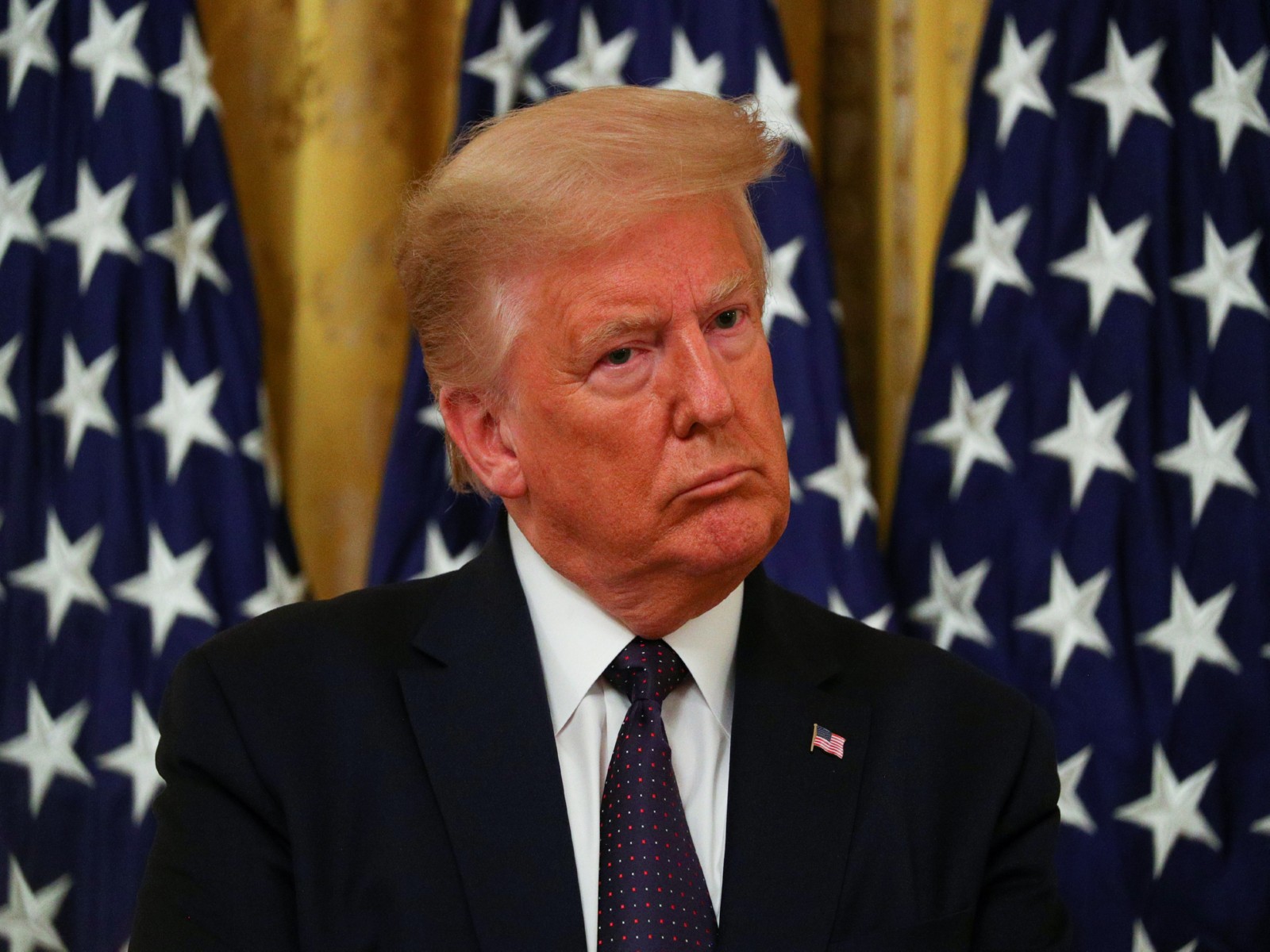
Washington, DC [US], June 2 : Despite discussions to conclude the Middle East conflict appearing severely strained, US President Donald Trump stated that diplomatic engagements with Iran were progressing at a "rapid pace", even as Tehran's Revolutionary Guards issued warnings regarding the potential emergence of new fronts.
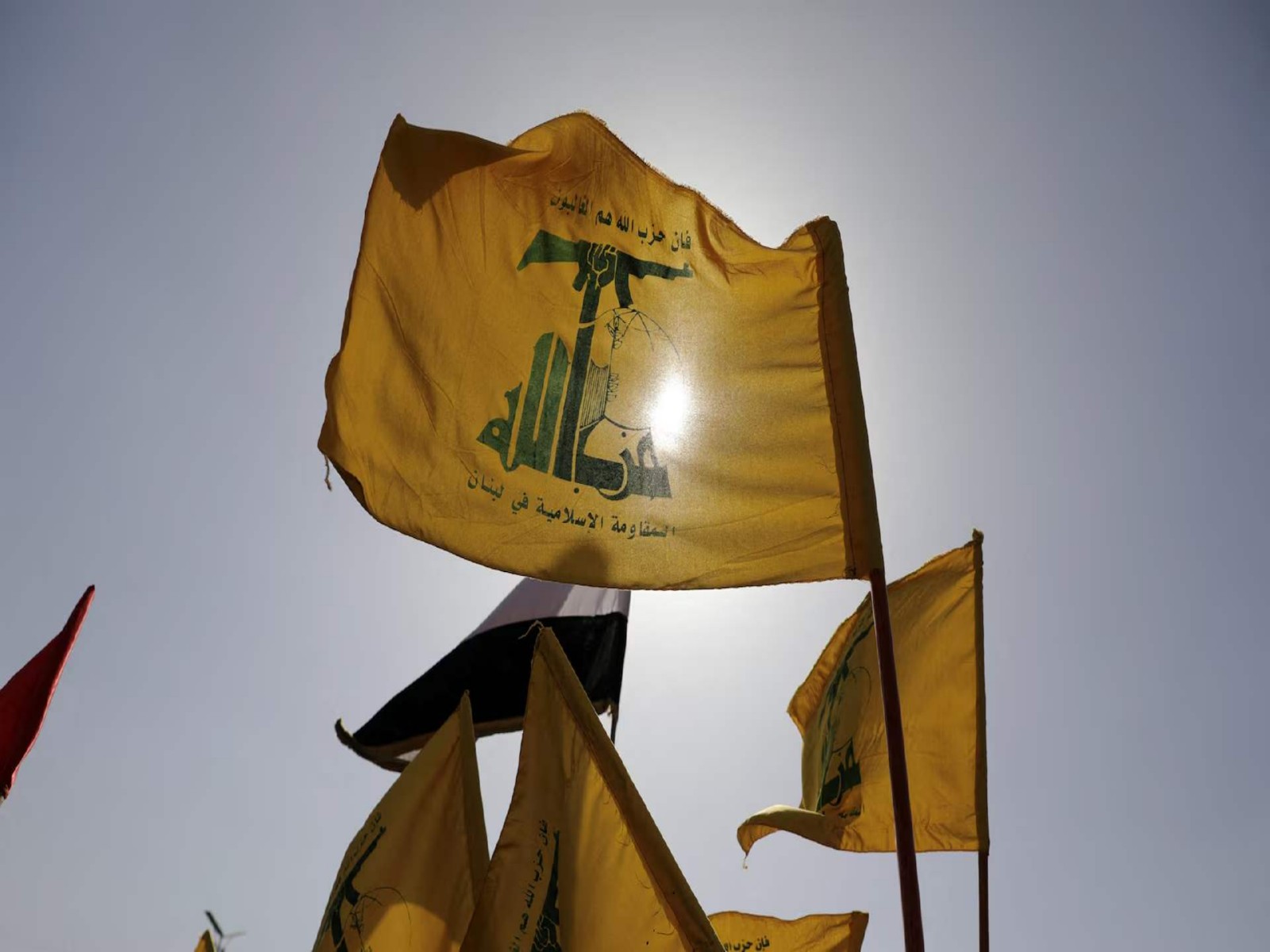
According to a report by Iran's Tasnim news agency, the administration in Tehran has paused its communication with intermediaries to protest the broadening military operations by Israel in Lebanon. This development coincided with Tel Aviv's announcement that it would once again target Beirut's southern suburbs.
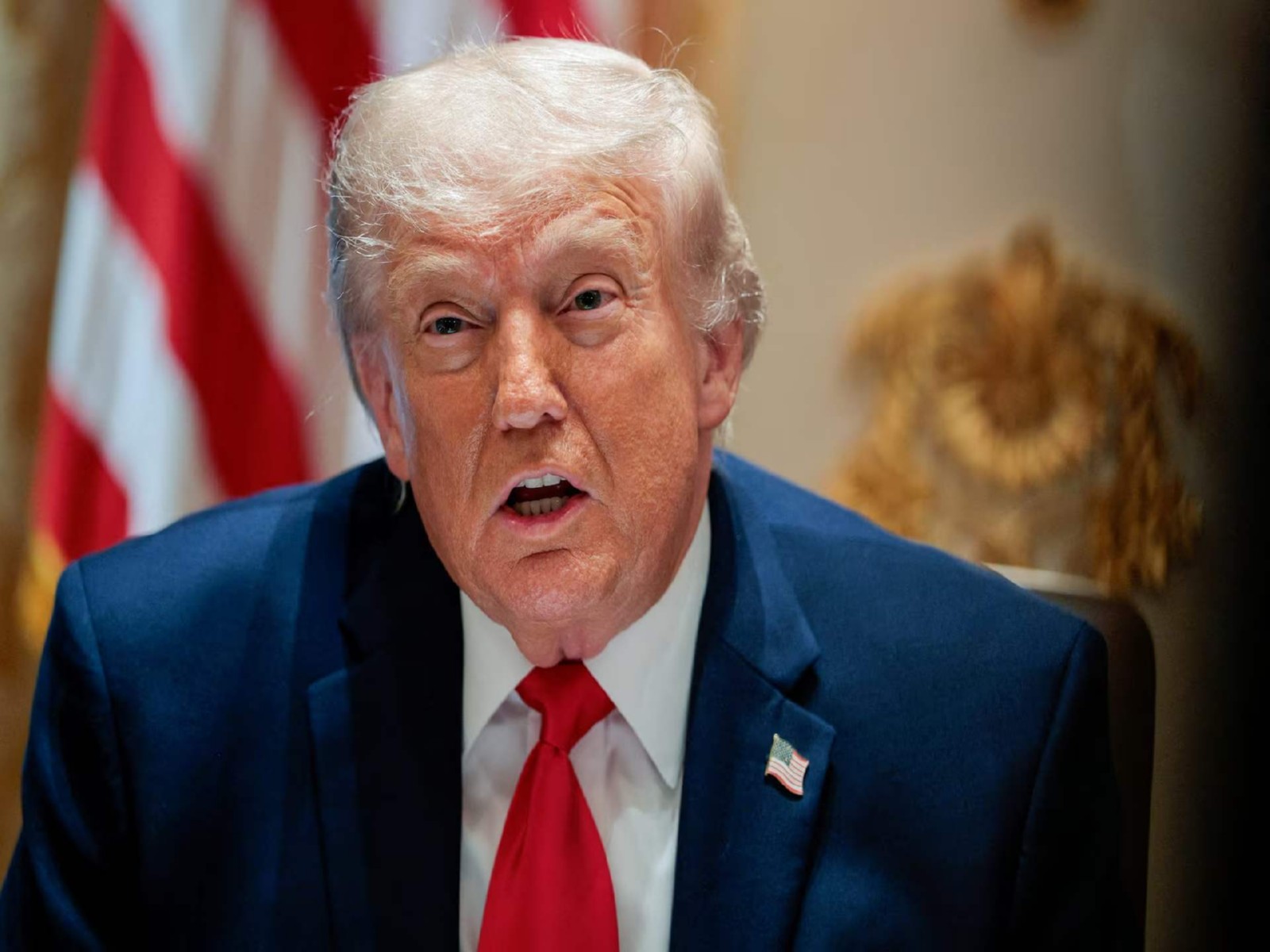
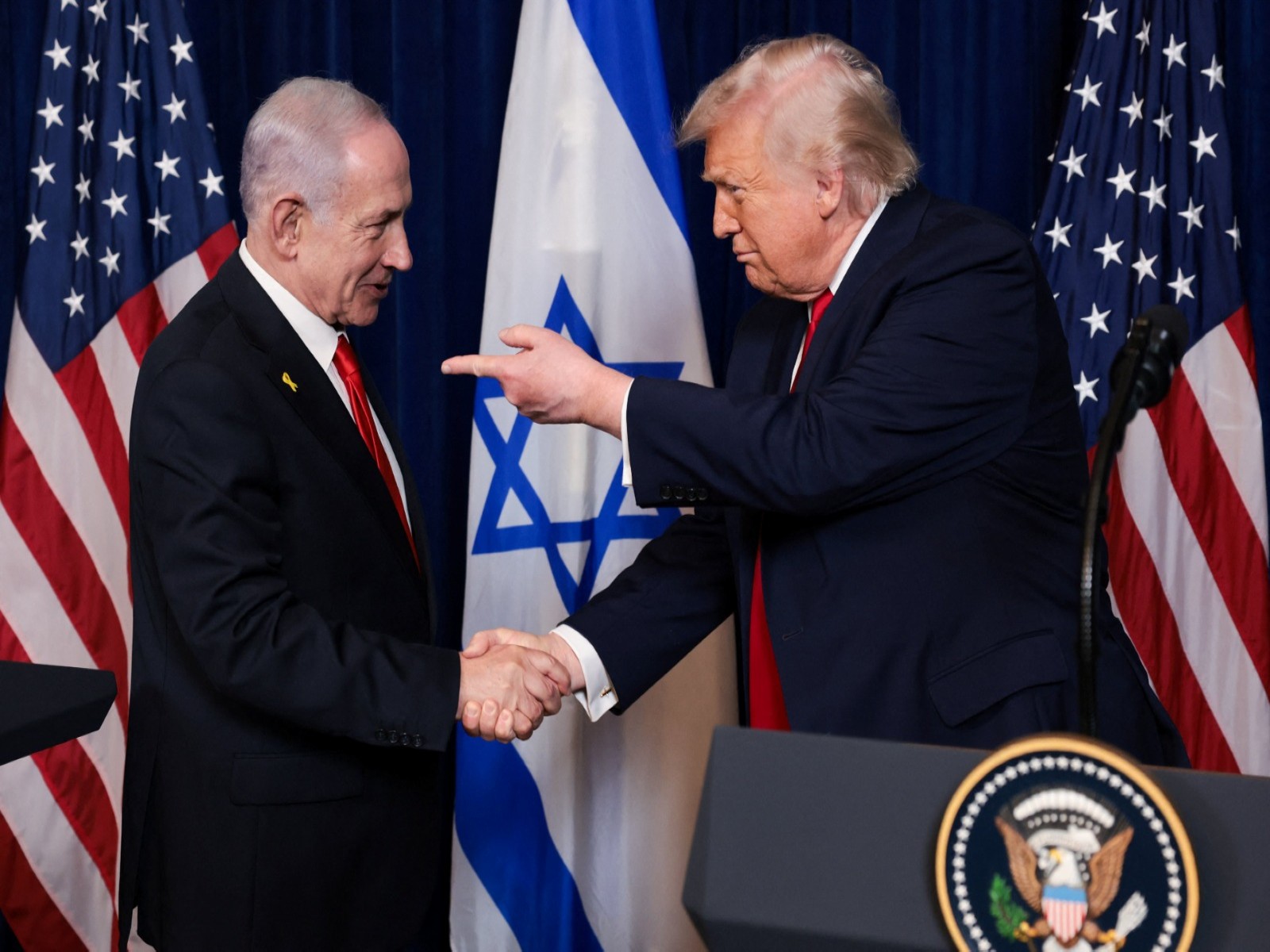
In a social media announcement, Trump shared that "Talks are continuing, at a rapid pace, with the Islamic Republic of Iran."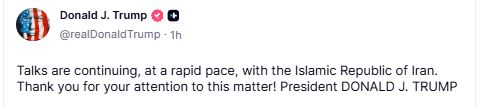
The post was published shortly after a separate message in which he claimed to have successfully convinced Israel and the Iranian-backed Hezbollah faction to de-escalate their hostilities.
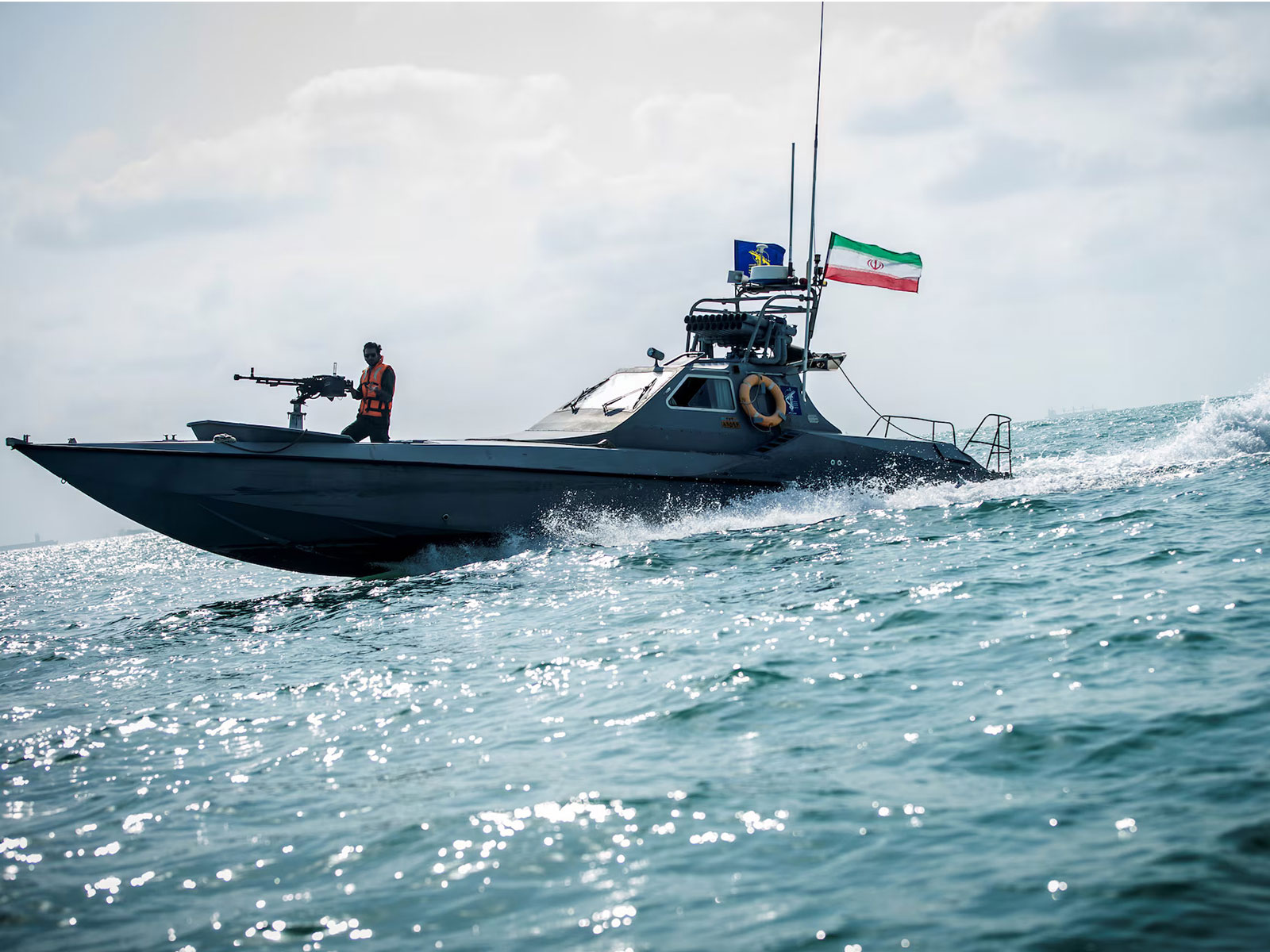
For several weeks, indirect diplomatic engagements between Washington and Tehran--punctuated by mutual warnings and multiple rounds of aerial bombardments--have failed to secure a cessation of hostilities or achieve the reopening of the Strait of Hormuz, a critical maritime corridor for Gulf petroleum and gas shipments.
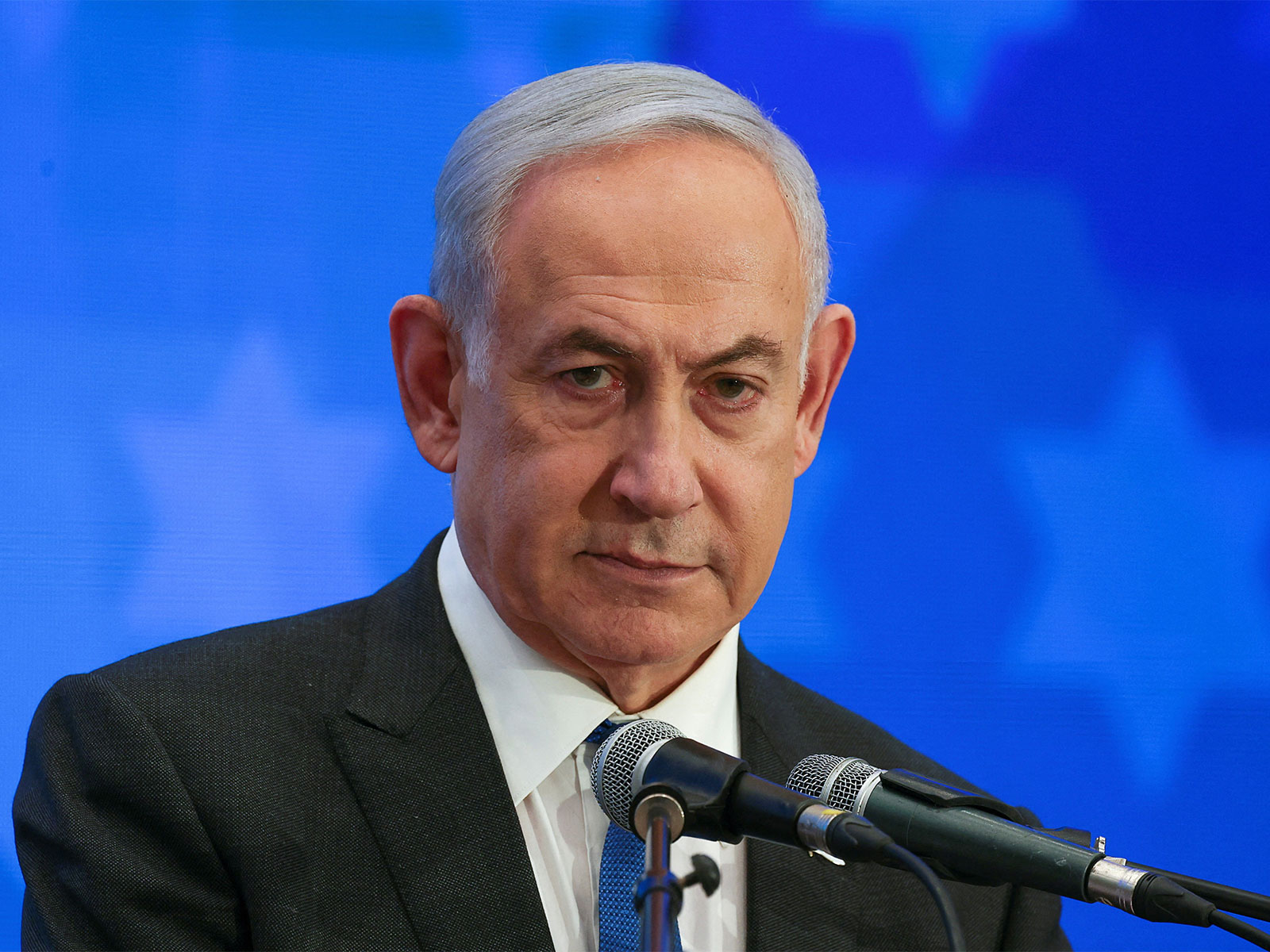
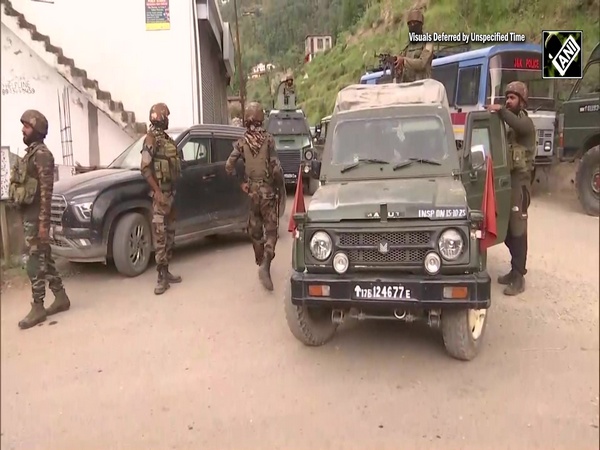
The recent overnight exchange of fire between American and Iranian forces occurred just as Israel expanded its ground incursions within Lebanon. Israeli Prime Minister Benjamin Netanyahu pledged to advance deeper into Lebanese territory, whilst directing his armed forces to strike "terror targets" located in the southern outskirts of Beirut.
An Arabic-language military spokesperson for Israel posted on X that inhabitants of the southern suburbs, or Dahiyeh, were required to evacuate "to preserve their safety". Following the announcement, media imagery captured severe traffic congestion as local residents attempted to escape the area.
Later on Monday, Trump asserted that his intervention had successfully persuaded Hezbollah and Israel to scale back the confrontation.
The United States has consistently supported the military operations conducted by Israel against Hezbollah. Simultaneously, Washington has attempted to negotiate an agreement with Iran to conclude the broader war that commenced alongside Israel in late February, alongside efforts to restore transit through Hormuz and establish restrictions on Iran's nuclear ambitions.
However, officials in Tehran reiterated on Monday that they had not participated in any nuclear negotiations. The Iranian administration maintained that Israel must completely halt its military campaign in Lebanon before any comprehensive agreement to terminate the conflict could be finalised.
Ahead of an emergency session convened by the UN Security Council to address the situation in Lebanon, a spokesperson for UN Secretary-General Antonio Guterres expressed grave concern, stating, "We are deeply alarmed by the escalation in military activities across southern Lebanon and beyond."
Iran's chief negotiator, Mohammad Bagher Ghalibaf, claimed on X that the naval blockade maintained by the US on Iranian ports, combined with the intensifying operations in Lebanon, served as "clear evidence of US non-compliance with the ceasefire".
Subsequently, on Monday evening, Tasnim reported that "the Iranian negotiating team is suspending dialogues and exchange of texts through mediators", attributing the decision directly to the military actions of Israel inside Lebanese territory.
Furthermore, a broadcast by the Revolutionary Guards' intelligence wing warned that "Iran considers crossing the red lines in Lebanon and Gaza to mean direct war".
The intelligence body added that, in response, Tehran was fully prepared to initiate defensive operations through decisive measures and by "opening new fronts, in addition to preserving the Strait of Hormuz equation."
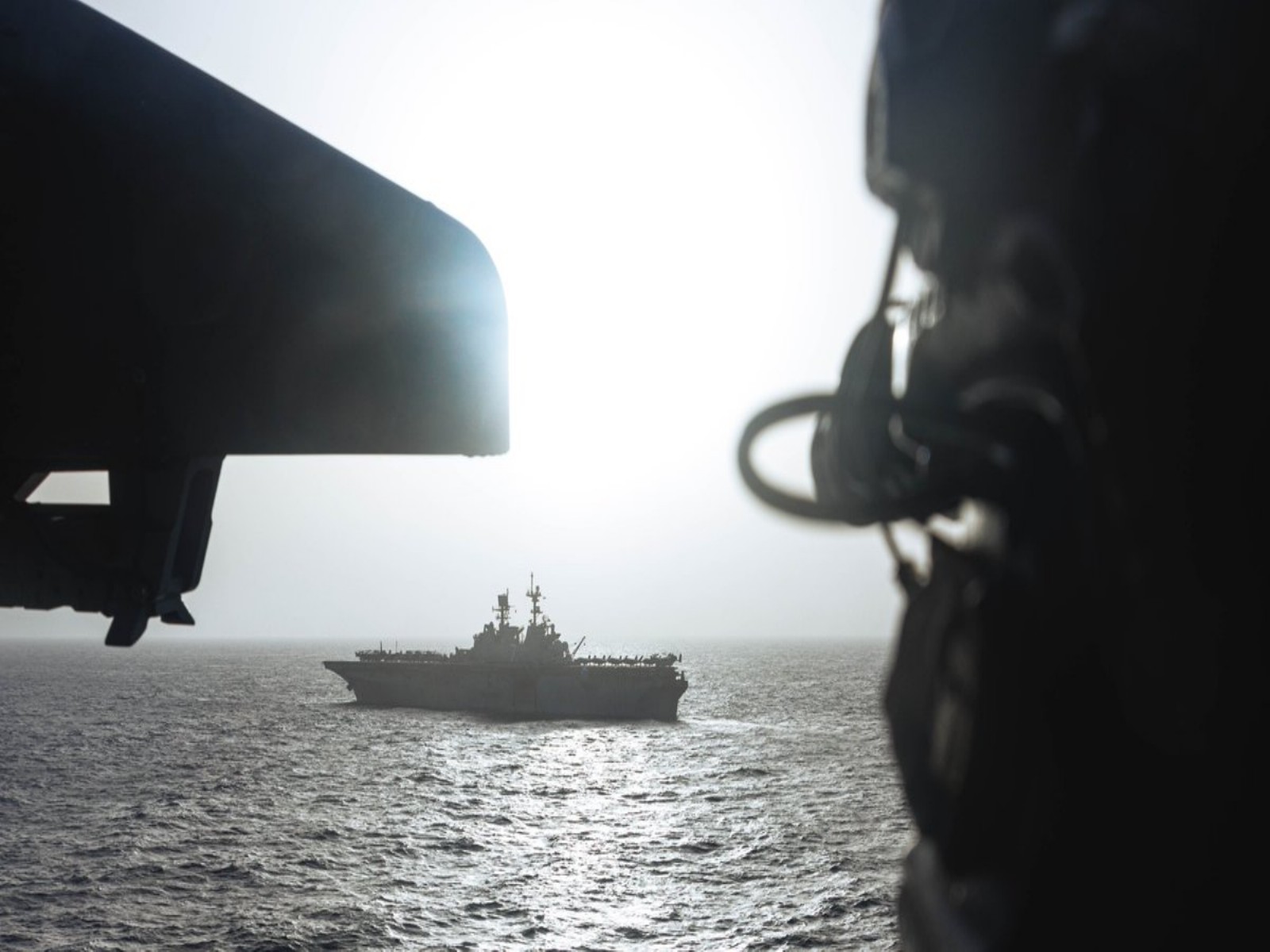
In an interview with NBC, Trump clarified the American military posture, remarking, "It doesn't mean we're going to go and start dropping bombs all over there", whilst affirming that Washington intended to sustain its naval blockade.
According to Tasnim, Iran plans to maintain its disruption of the Strait of Hormuz and intends to work with its regional allies to "activate other fronts, including the Bab al-Mandab Strait" located at the entrance to the Red Sea.
Tehran-aligned Houthi forces in Yemen have previously launched strikes against maritime vessels navigating that corridor. A total closure of the Bab al-Mandab Strait threatens to disrupt the transit of millions of additional barrels of crude oil exported daily by Saudi Arabia via its Red Sea terminal at Yanbu.
Highlighting the persistent threats to maritime safety in the Gulf region, the UKMTO maritime security agency reported a "large explosion" affecting a commercial cargo vessel near the Iraqi coastline, noting that the incident occurred "following a hit from an unknown projectile".
During a weekly press briefing, Iranian Foreign Ministry spokesperson Esmaeil Baqaei clarified that "No negotiations have taken place on the details of the nuclear file. At this stage, our priority is ending the war."
Trump has consistently demanded that Iran's nuclear capabilities be addressed within any final settlement, reiterating that Tehran must never be permitted to acquire nuclear weapons--a goal that Iran has routinely denied pursuing.
Baqaei further emphasised Tehran's diplomatic preconditions, stating, "We insist that a ceasefire in Lebanon is an essential condition for any deal aimed at ending the war." He added that "The United States is also violating the ceasefire, including this morning."
The US military confirmed it had executed "self-defence strikes" directed at Iranian radar installations and drone command facilities over the weekend. The operation represented the third such wave of American strikes in just over a week, initiated after a US MQ-1 unmanned aerial vehicle was shot down.
Shortly after those strikes, the Revolutionary Guards informed state media outlets that they had launched retaliatory attacks against an airbase utilised by the US military to orchestrate the assault.
While the Iranian forces did not specify the nation hosting the targeted American installation, Kuwait's military confirmed that its domestic air defence systems had successfully intercepted "hostile missile and drone attacks".