TSMC to expand 3nm chip production in Taiwan, US and Japan as AI demand surges
Apr 17, 2026
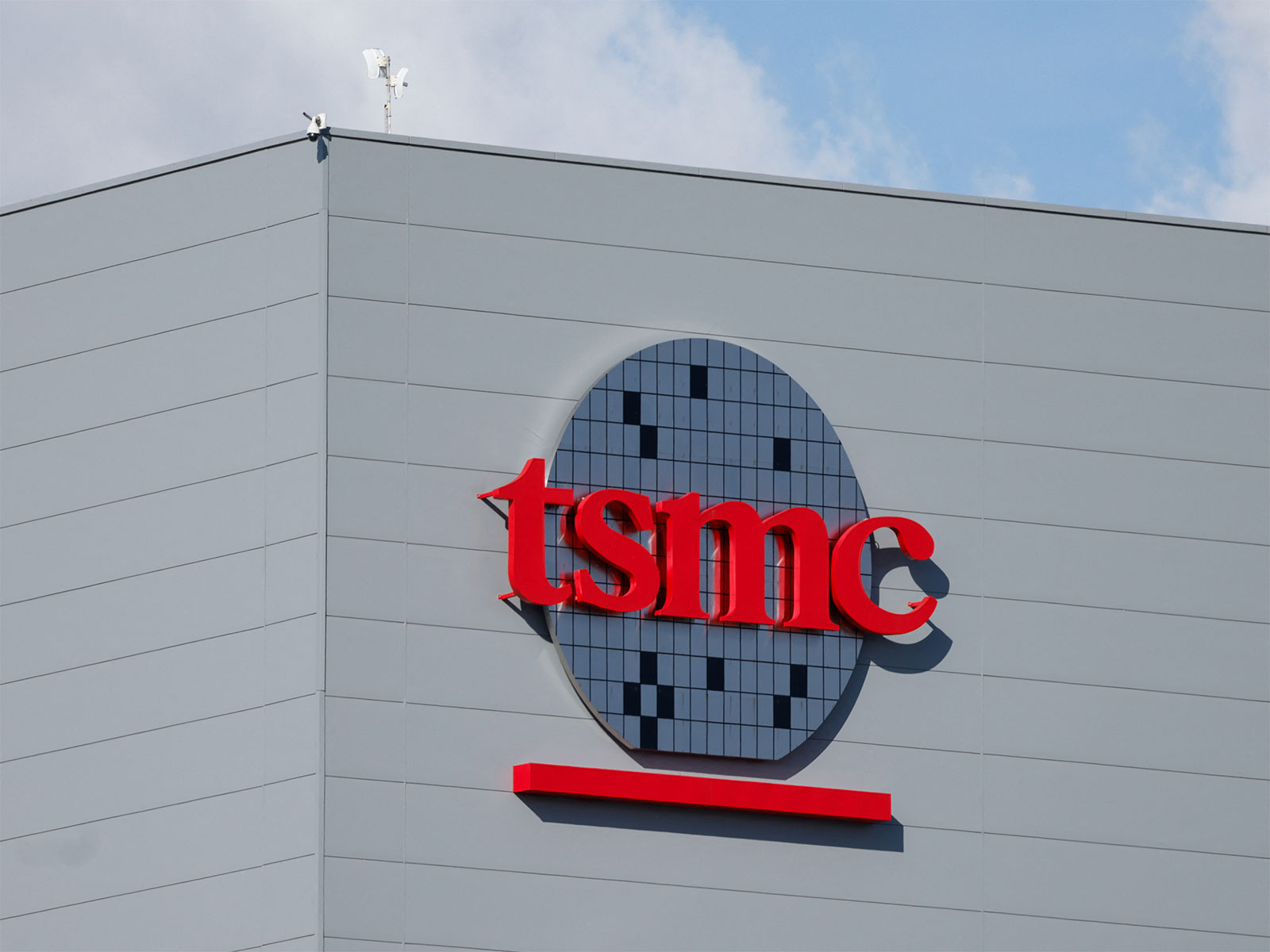
New Delhi, [India] April 17 : Taiwan Semiconductor Manufacturing Company (TSMC) has officially announced a massive global scale-up of its cutting-edge 3-nanometer (3nm) production capacity.
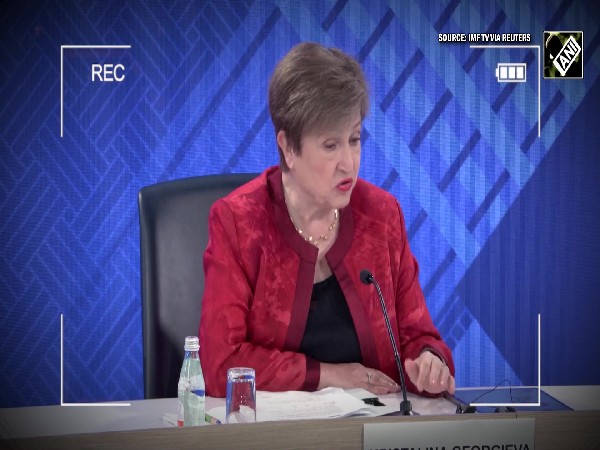
CEO CC Wei, on Thursday at an investor conference, described the need as "soaring global demand for artificial intelligence," Focus Taiwan reported.
The foundry giant is simultaneously upgrading facilities in Taiwan, the United States, and Japan to secure its dominance in the AI-driven chip market.
Wei said the world's largest contract chipmaker will accelerate 3nm investment as orders rise from AI, smartphones, automotive electronics, and the Internet of Things. TSMC expects 2026 sales to grow more than 30%.
In the Southern Taiwan Science Park, TSMC is building new 3nm lines set to start mass production in the first half of 2027. The company is also converting existing 5nm capacity at Taiwan fabs to 3nm to lift output, Wei said.
In Arizona, construction of TSMC's second fab is complete, with commercial production on the 3nm process scheduled for the second half of 2027. In Kumamoto, Japan, the company's second fab will adopt 3nm, with mass production slated for 2028. Taiwan's government has already approved the new Japan production plan, according to the report.
TSMC is also pushing ahead on advanced packaging. It is investing in Chip-on-Panel-on-Substrate (CoPoS) IC assembly and expects the technology to enter mass production in the next few years. While expanding its own assembly capacity, TSMC will keep working with outsourced semiconductor assembly and testing (OSAT) firms to meet client demand, Wei added.
Addressing Tesla and SpaceX CEO Elon Musk's TeraFab project, Wei said there is "no shortcut in the pure-play foundry business." A fab takes two to three years to build and another one to two years to reach mass production, making the business "a long-term investment and capital-intensive in nature." TSMC's edge, he said, lies in its technology lead, manufacturing strength, and client trust -- which is why capital expenditure will rise. The firm will not outsource production to other foundries and will continue to expand its own capacity.
On supply risks, Chief Financial Officer Wendell Huang said the Middle East conflict has raised concerns over speciality chemicals like helium and hydrogen, which are critical to chip production. TSMC has already diversified sourcing, holds sufficient inventory, and expects "little short-term impact on production," Huang told the investor conference.