"Under new conditions, navigation services, security and other facilities for ships passing through Hormuz will not be free": Iran's Ambassador to India
May 29, 2026
By Ayushi Agarwal
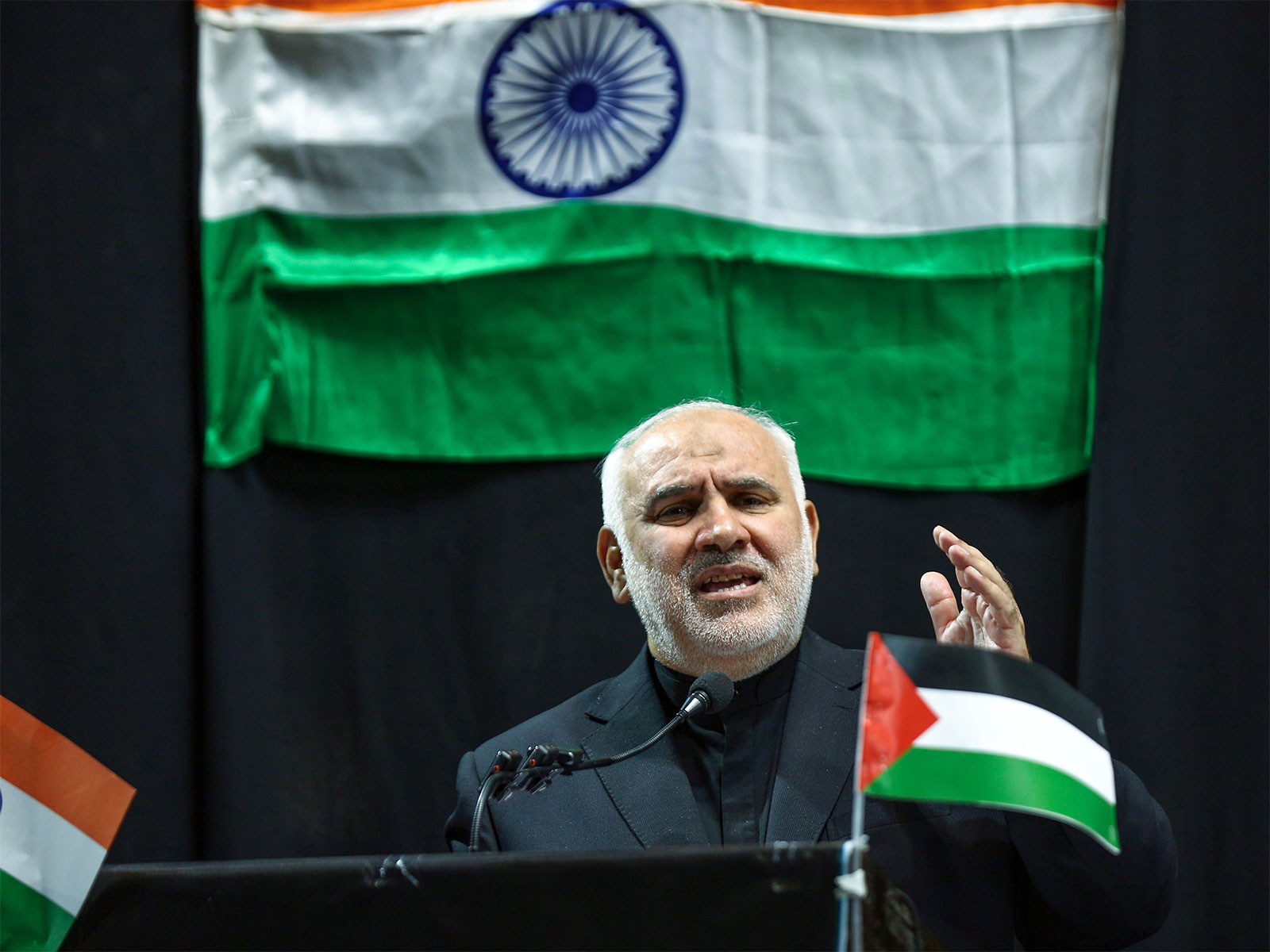
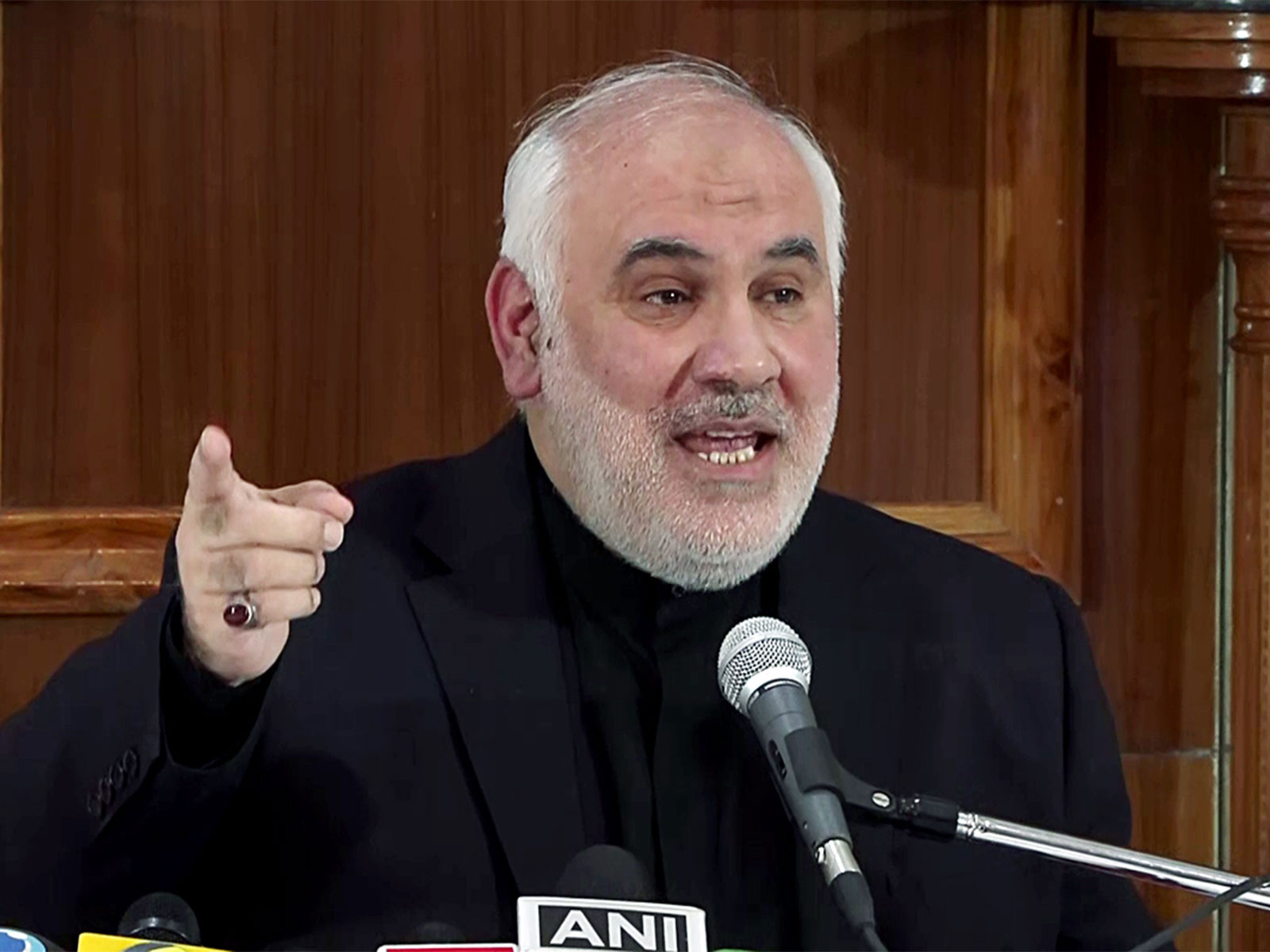
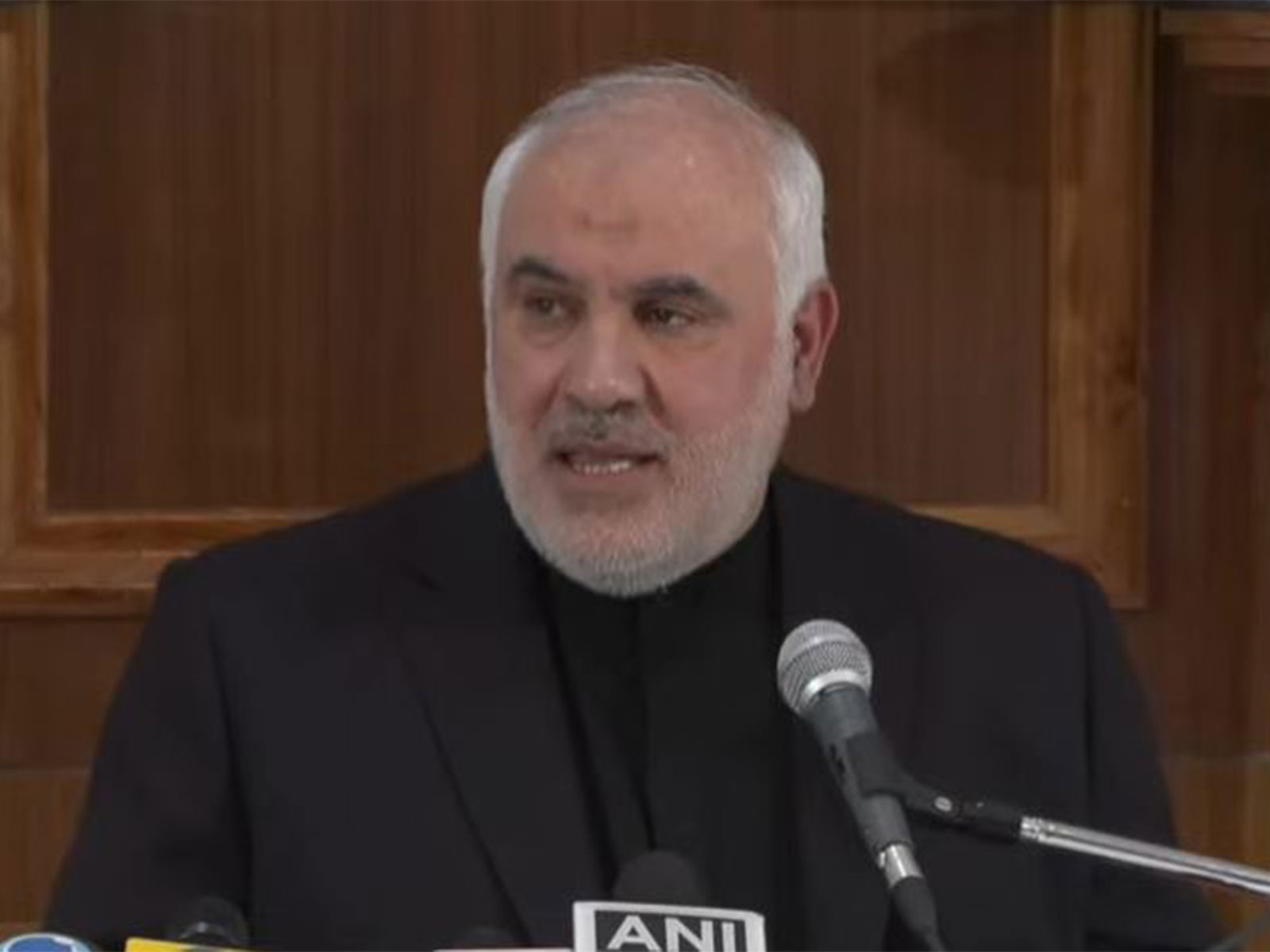
New Delhi [India], May 29 : Noting that Strait of Hormuz "is part of the territorial waters" of Iran and Oman, Iran's Ambassador in India Dr Mohammad Fathali has said that his country over the past decades has provided extensive services for free in areas such as navigation, maritime rescue, traffic control, and shipping security but "under the new conditions, these services and facilities will no longer be free, and fees will be charged".
In an interview with ANI, Mohammad Fathali said the Strait of Hormuz was one of the safest routes for energy transit in the world before this war started.
"The main cause of today's problems is the tense and warmongering actions of the United States and the Zionist regime. By imposing this war, they have put not only regional security but also global energy security at risk. However, it must be noted that the Strait of Hormuz is part of the territorial waters of Iran and Oman, and its security is maintained by these two countries. We do not believe in charging tolls on ships passing through the strait," he said.
He was responding to a question on the Strait of Hormuz and what assurances can Iran provide regarding freedom of navigation and stability in the Strait, especially for major energy-importing nations like India. The Strait is one of the world's most critical global energy transit routes.
"Over the past decades, the Islamic Republic of Iran has provided extensive services for free in areas such as navigation, maritime rescue, traffic control, and shipping security. But under the new conditions, these services and facilities will no longer be free, and fees will be charged for navigation services, environmental protection, and maritime security. This practice is common in many important international passages and straits, where coastal countries charge fees for transit, technical services, maritime piloting, and securing the area," he said.
The joint statement released after the Quad Foreign Ministers' meeting had emphasised the safety and uninterrupted flow of global commerce through the Strait of Hormuz and the Red Sea.
The meeting discussed the situation in the Middle East/West Asia and reaffirmed support for ongoing diplomatic efforts and hoped for lasting peace in the region.
The Quad countries reiterated the importance of adhering to international law as reflected in the United Nations Convention on the Law of the Sea (UNCLOS) with respect to navigational rights and freedoms, and the safety and uninterrupted flow of global commerce through the Strait of Hormuz and the Red Sea.
They condemned the attacks on commercial shipping vessels and opposed any future measures that are inconsistent with UNCLOS, including imposition of tolls.
The Strait of Hormuz has witnessed tensions between Iran and the US since the start of the West Asia conflict on February 28.
On Wednesday, the US imposed sanctions on Iran's Persian Gulf Strait Authority (PGSA), accusing Tehran of using the body to "extort" commercial vessels transiting through the Strait of Hormuz and "funnelling" revenue to Iran's Islamic Revolutionary Guard Corps (IRGC).
Iran announced the launch of a new regulatory body aimed at managing and monitoring operations related to the strategically important waterway, the Strait of Hormuz, last week.
The top security establishment of the Islamic Republic, the Supreme National Security Council, reposted a post on X where it stated that the official X account of the "Persian Gulf Strait Authority" (PGSA) is now operational.
The PGSA introduced at the start of this month has been characterised as a new mechanism for governing maritime traffic through the strategic Strait of Hormuz.
The US Department of the Treasury's Office of Foreign Assets Control (OFAC) stated that the PGSA is designated under the Treasury Department's Specially Designated Nationals (SDN) list as part of the Trump administration's intensified "Economic Fury" campaign aimed at increasing pressure on Iran amid ongoing regional tensions.