"Unilateralism serves no one’s interests": Ghalibaf hails China, Russia vetoes in UNSC in support of Iran
Sep 18, 2026
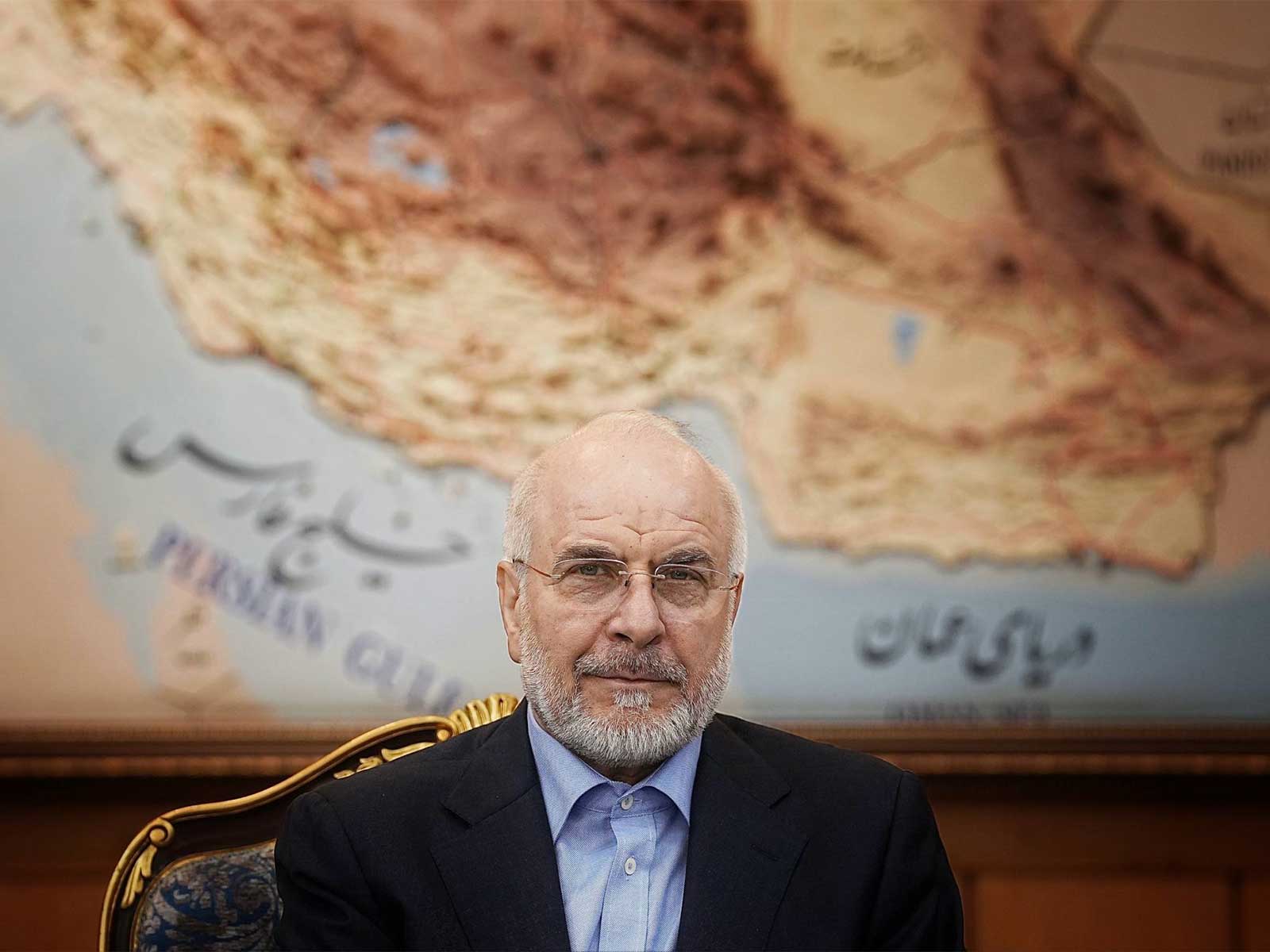
Tehran [Iran], September 18 : Iranian Parliament Speaker Mohammad Bagher Ghalibaf hailed China and Russia's vetoes at the United Nations Security Council, saying the votes rejected the "political abuse" of the Security Council and reaffirmed the rule of law.
In a post on X, Ghalibaf said, "The unipolar order in which one side extracts concessions through force and coercion has ended. China and Russia’s vetoes rejected the political abuse of the Security Council and reaffirmed the rule of law. We must defend multilateralism; unilateralism serves no one’s interests."
https://x.com/mb_ghalibaf/status/2100665934012969013
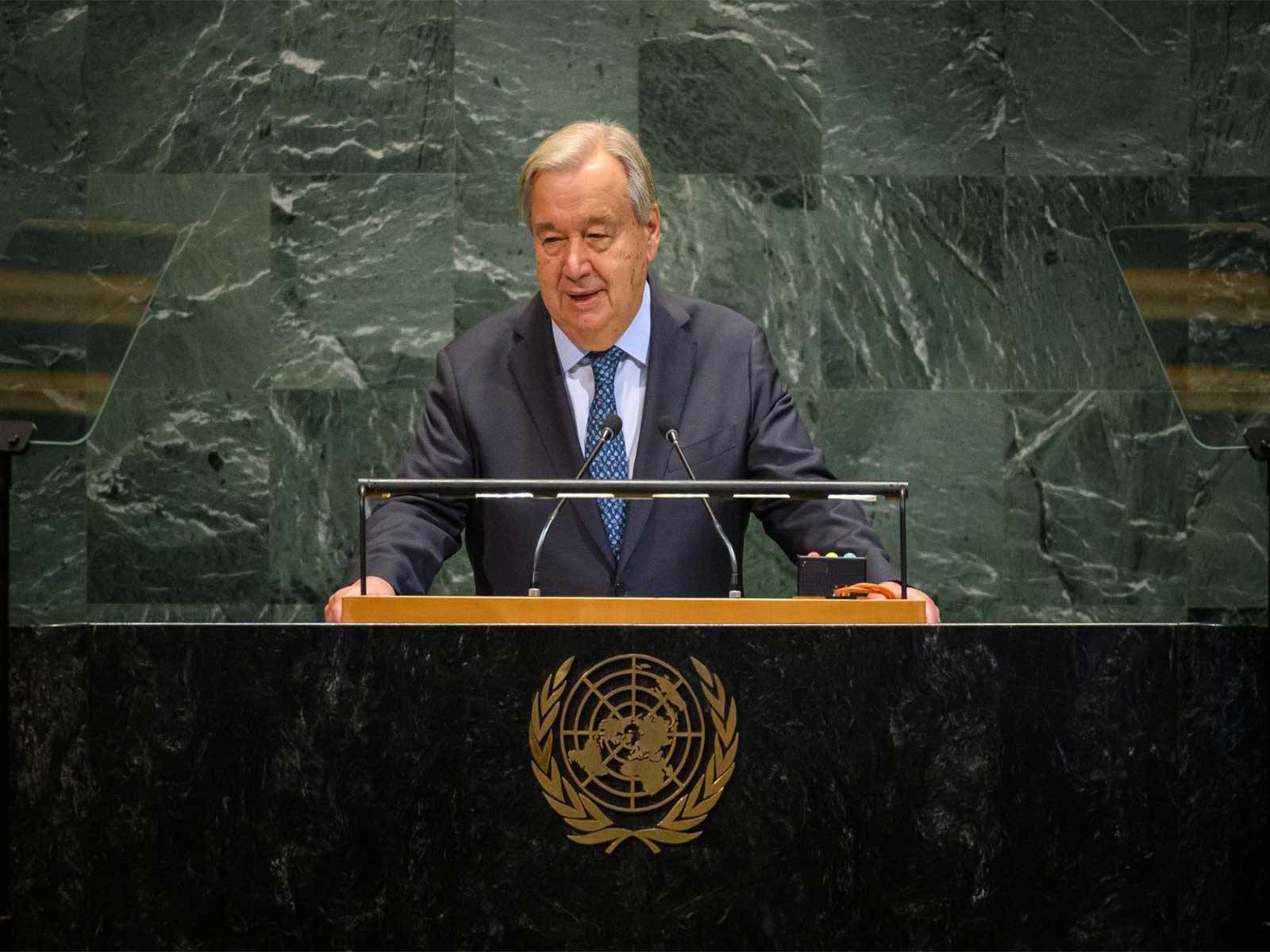
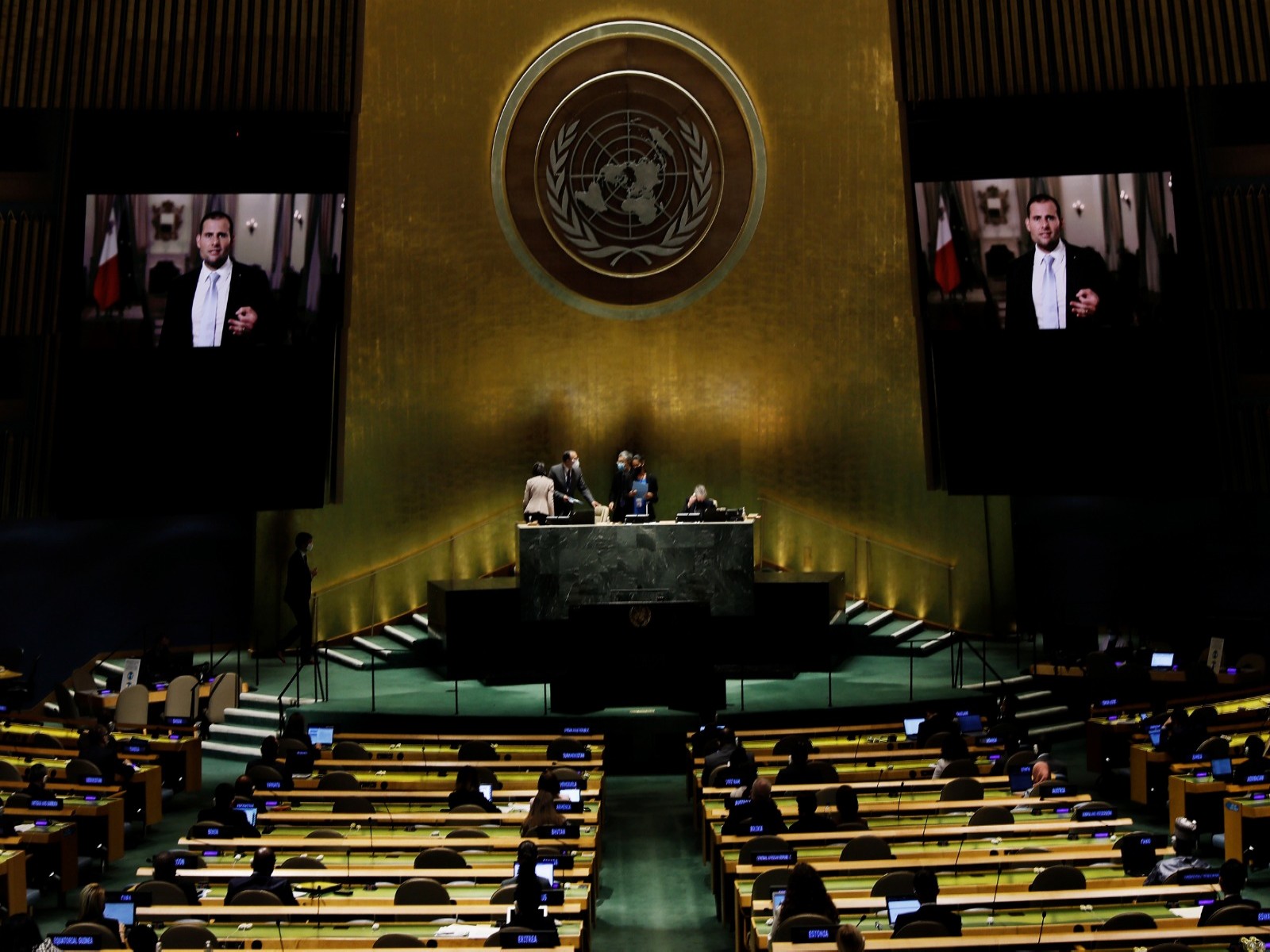
Ghalibaf's remarks came after the Security Council failed to adopt a draft resolution that would have extended the mandate of the Panel of Experts supporting the 1737 Iran Sanctions Committee for one year, until September 2027.
As per the official website of the UNSC, the draft, authored by the United States, received 11 votes in favour, two against from China and Russia and two abstentions on Thursday. It was not adopted owing to the negative votes of two permanent members.
In August 2025, France, Germany and the United Kingdom triggered the "snapback" mechanism to reimpose UN sanctions on Iran that had been suspended under the 2015 nuclear deal and Resolution 2231. Russia and China rejected the move as legally invalid. They argue that all sanctions ended permanently on October 18, 2025, when Resolution 2231 was due to expire.
Before the vote, Russian Ambassador Vasily Nebenzya said there were "no legal or procedural grounds" for the session.
"We categorically reject attempts by certain members of the Security Council to once again lend, in this way, an illusion of legitimacy to their claims about some kind of 'snapback' having taken place," Nebenzya said.
Chinese Ambassador Fu Cong said the Council should promote negotiations "rather than becoming a platform for individual members to pursue political confrontation and exert pressure." He urged countries to implement "the relevant measures on Termination Day under Resolution 2231."
US Ambassador Jennifer Locetta said after the vote that Washington was "not surprised" by the veto. She said the panel "would have shone the light on the UNSC-prohibited bilateral defensive cooperation between Iran and its partners."
British Ambassador Sarah MacIntosh said Russia and China had chosen "to shield Iran." She pointed to Russia's March 2024 veto that ended the panel monitoring sanctions on North Korea.
Because of the dispute, the 1737 Committee has had no Chair all year, and the panel has not been reconstituted. That leaves the International Atomic Energy Agency (IAEA) as the only independent monitor of Iran's nuclear programme, as per the UNSC.
On September 10, the IAEA Board of Governors asked Director General Rafael Grossi to report Iran's non-compliance to the Security Council, the first such referral in 20 years.
The Security Council resolution would have authorised UN experts to keep monitoring sanctions on Iran. The vote took place after Western powers accused Iran of violating the 2015 nuclear pact, while Tehran denies it is seeking nuclear weapons or violating the agreement.
The resolution's failure to pass means the independent monitoring of sanctions on Iran by the Panel of Experts will not be extended until September 2027, following the vetoes by Russia and China.