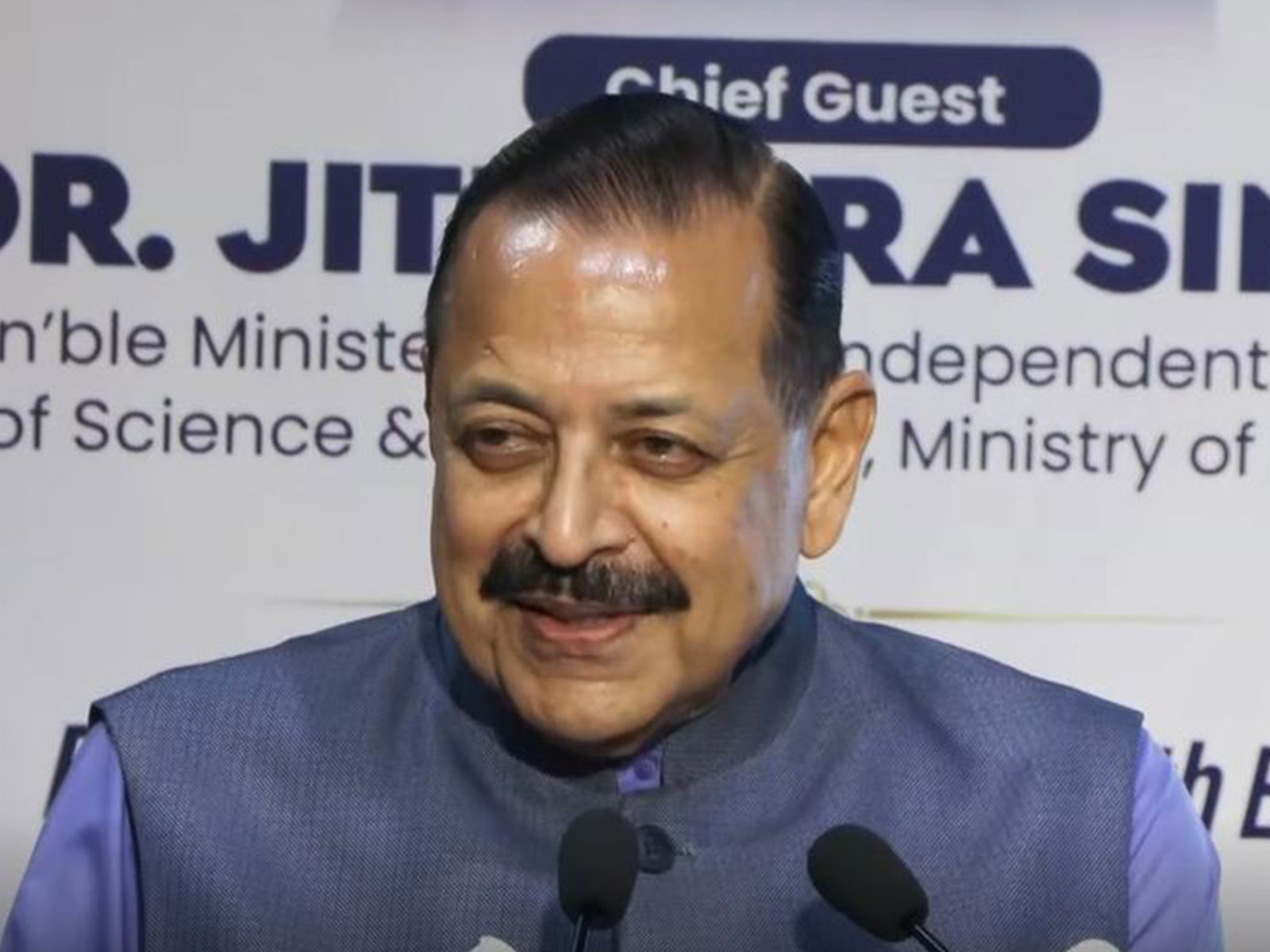
Union Minister Jitendra Singh says SHANTI Act rules to be rolled out in coming weeks, months
May 13, 2026
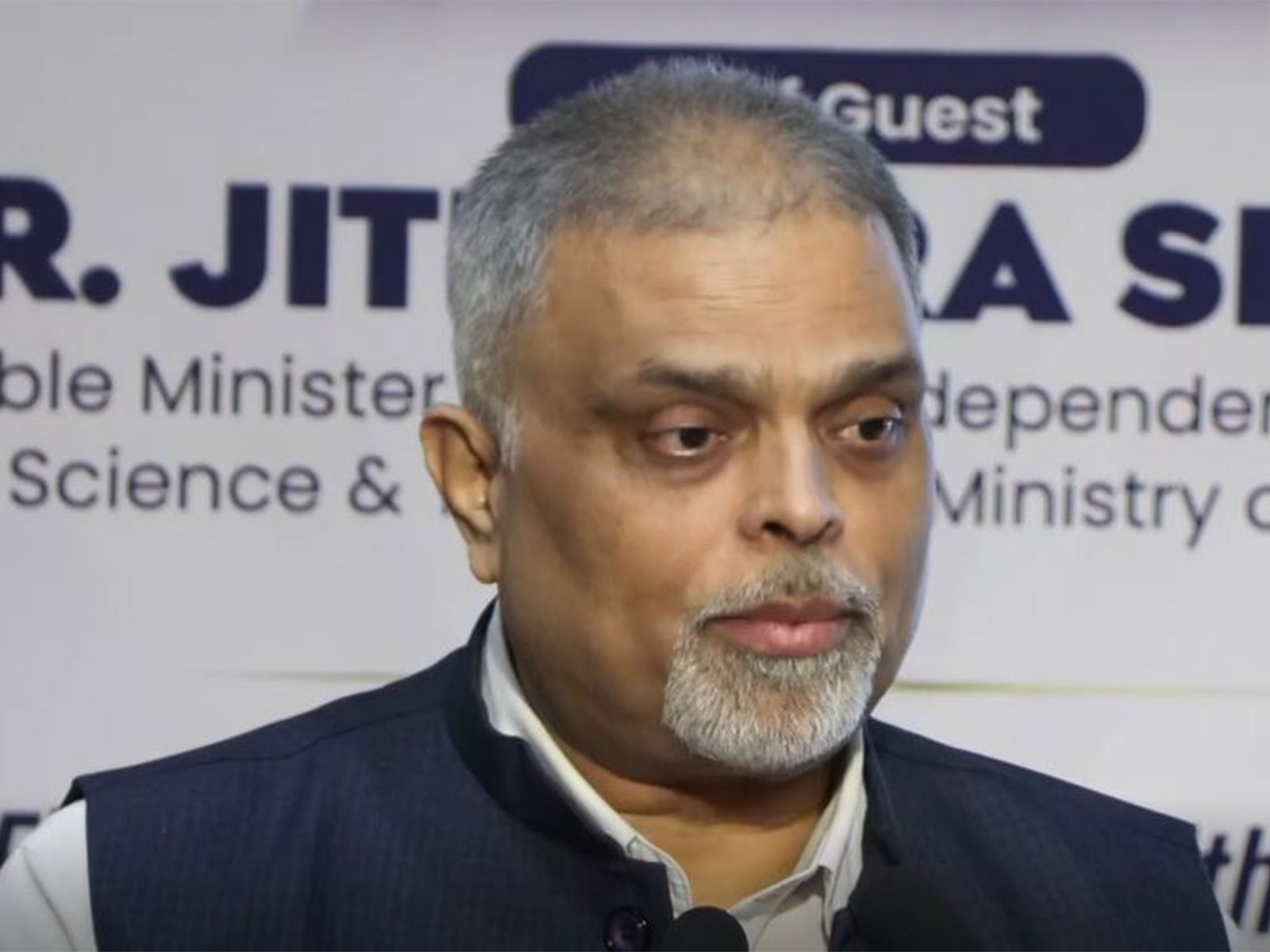
New Delhi [India], May 13 : The rules under the proposed SHANTI Act will be rolled out in the coming weeks or months, Union Minister of State (Independent Charge) Jitendra Singh said on Wednesday, while stressing the need for stronger industry participation in India's research and innovation ecosystem.
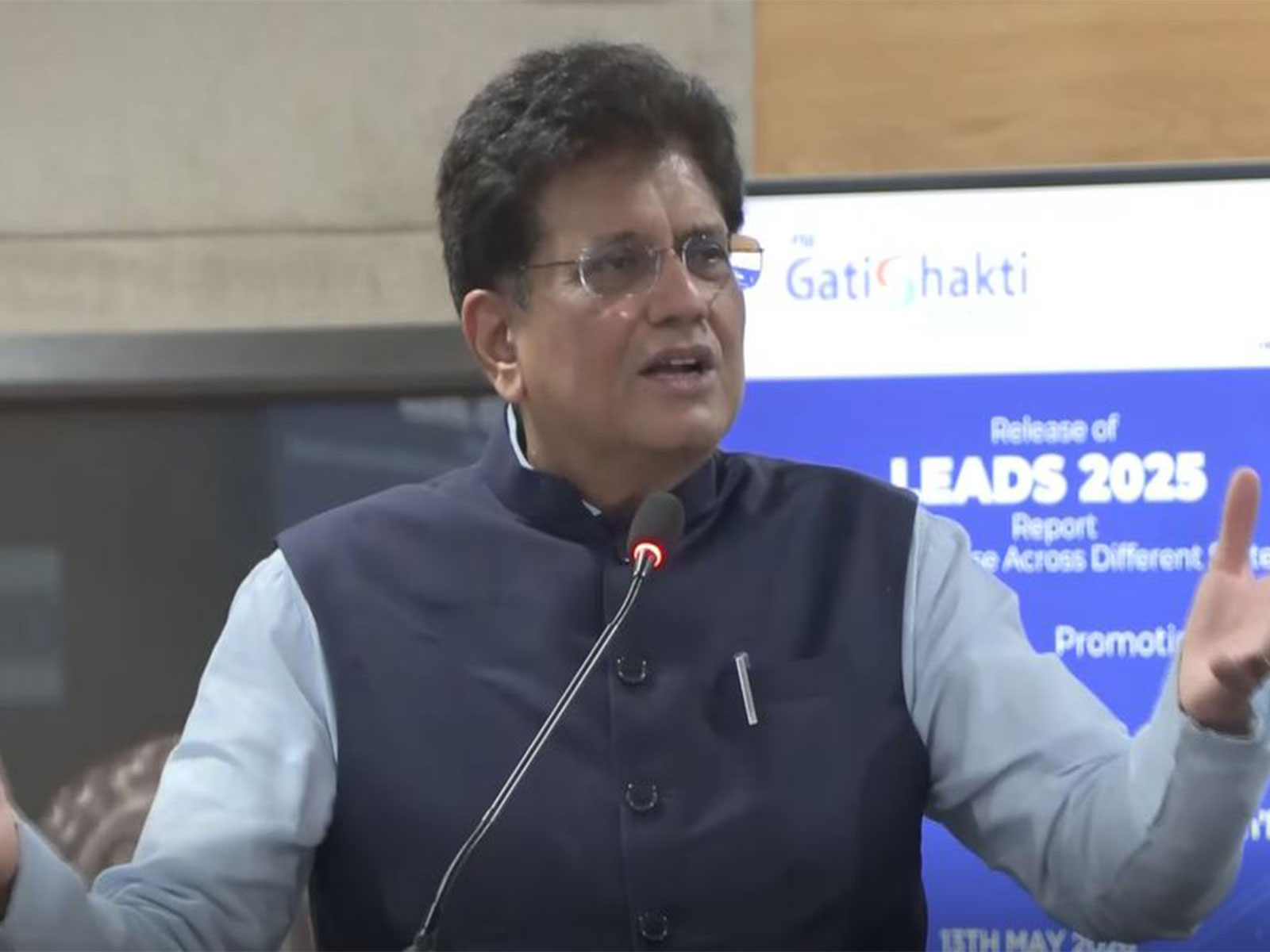
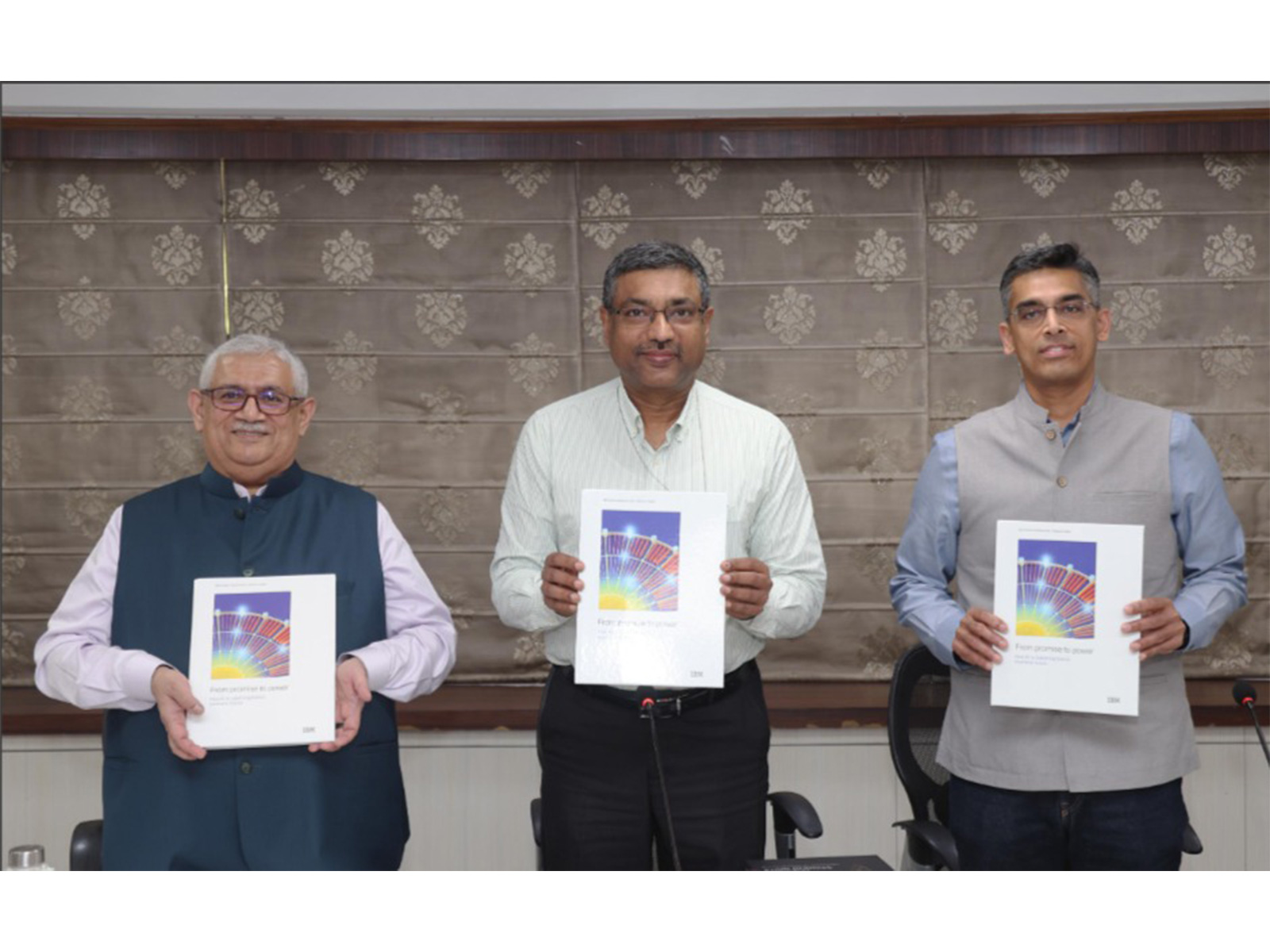
Addressing the 'First agreement signing with ETEs and first fund release to ETEs under RDI Scheme by Technology Development Board Second Level Fund Manager (SLFM) event', the Union minister said the government was now moving towards a model where industry would play a larger role in shaping research priorities and innovation funding.
"The next milestone is going to be a few weeks or a few months later when the SHANTI Act rules are rolled out," Singh said. "Again, we will need a similar kind of enthusiasm in the industry."
The SHANTI Act introduces critical amendments designed to expand private and foreign participation in India's nuclear power sector; clarify the liability framework for nuclear operators; operationalize the long-standing potential of the Indo-US Civil Nuclear Agreement, among others
India aims to produce 100 gigawatts of nuclear energy by 2047, against the current 8-9 GW and the SHANTI Act will help India achieve this target.
The government had already started engaging industry stakeholders more directly in policy formulation and innovation planning, the minister noted.
"In fact, I went to the extent of saying that you allow the industry, the liberty, the freedom to map out for us what do they expect from us."
Singh said the government was trying to move away from older approaches where industry participation was sought only after projects neared completion.
"We have to come up from that mindset of the year when we would carry on with the project. And when it was nearing completion, then we started looking for the industry partners," he said.
Highlighting the importance of commercial viability in research and development, Singh said businesses would only remain engaged if innovation projects delivered economic value.
"No wise businessman will come forward for something which is not profitable," he said. "Unless you assure that, you cannot have a sustained relationship with the industry."
The minister also said the government had taken several "out-of-box decisions" under Prime Minister Narendra Modi's leadership to open up strategic sectors and support deep-tech innovation.
"This government under Prime Minister Modi has come out with many of the out-of-box decisions. It has broken many taboos of the past," Singh said.
Drawing parallels with the space sector reforms, Singh said India's innovation ecosystem was now witnessing similar changes in emerging technologies.
"We did that in case of space about five years back," he said, adding that the reforms had helped unlock wider participation in the sector.
The minister also highlighted progress under India's National Quantum Mission, saying the country had already achieved half of its eight-year target for quantum communication infrastructure in less than four years.
"One of the targets was that we would accomplish 2,000 kilometers of quantum-secure communication in eight years," Singh said. "In less than half the time... we have already reached 1,000."
He added that India was now among the "elite league" of countries working actively in quantum technologies.
"We are among the elite league of a few nations which are into quantum," the minister said.
During the event, Singh also stressed the need to make scientific and innovation-related knowledge more accessible through digital and AI-enabled tools.
"You should know what you don't know or what you want to know," he said, while suggesting that innovation resources should be broken into smaller digital formats for easier access by startups and researchers.
On the sidelines of the same event, Ajay Kumar Sood, Principal Scientific Advisor to government of India said while responding to the query of ANI that Technology Development Board has been nominated as a focused research organisation and second-level fund manager under the RDI Fund framework.
Sood said five deep-tech startups have already been selected for funding under the RDI initiative, while several more proposals are in the pipeline.
He said the Rs 1 lakh crore RDI corpus, launched by Prime Minister Narendra Modi on November 3, 2025, has been operationalised within six months, calling it a "big step in record time".
Sood said the government expects the Rs 1 lakh crore corpus to generate nearly 10 times more investment from the private sector and described the initiative as "pathbreaking".
He also announced the release of India's quantum-safe ecosystem framework, saying quantum-safe systems will be critical for protecting financial transactions, healthcare data and power grid infrastructure from future quantum computing threats.