"Unjustifiable measures cannot substitute dialogue": EAM Jaishankar slams unilateral sanctions at BRICS meet
May 14, 2026
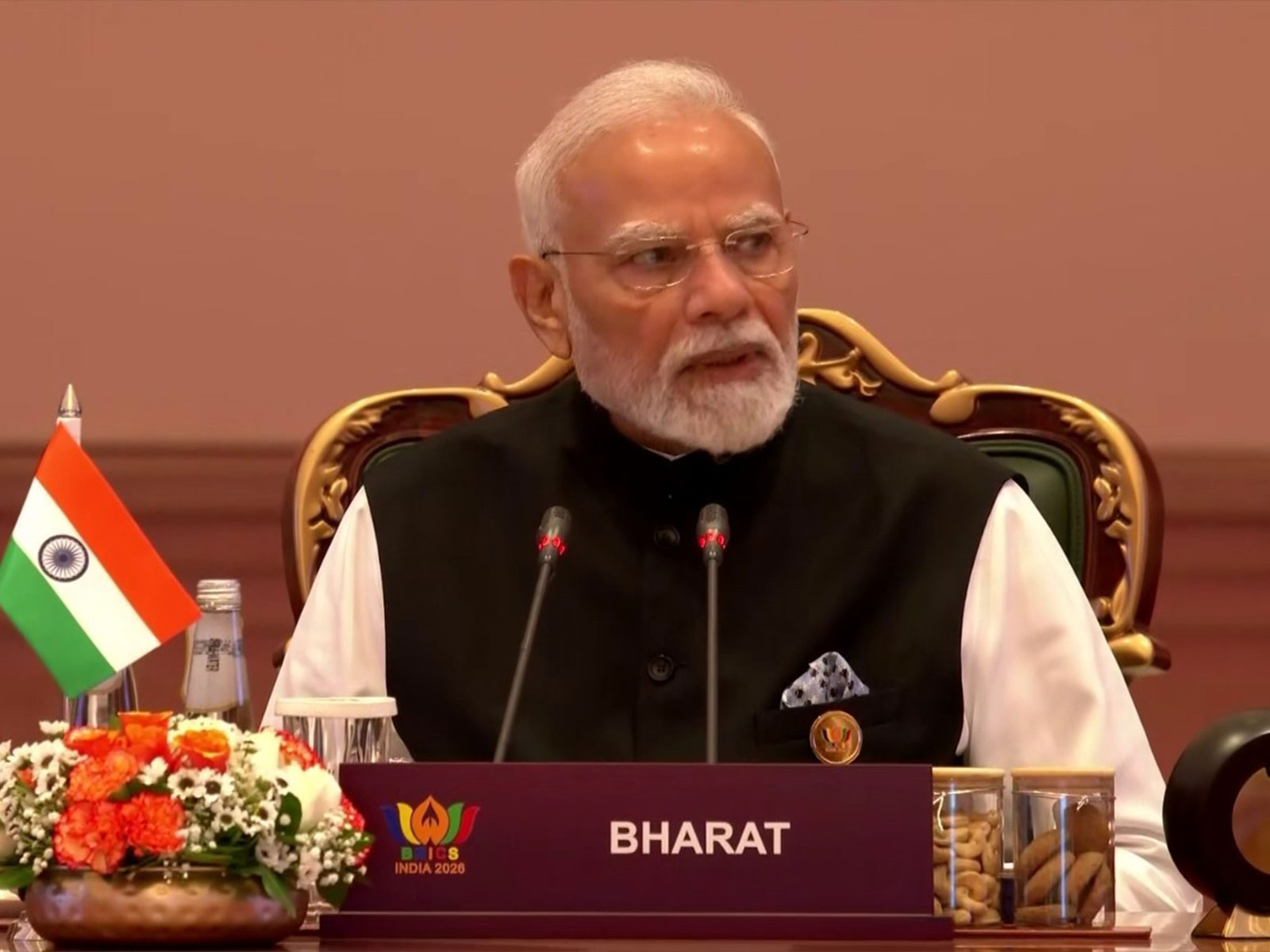
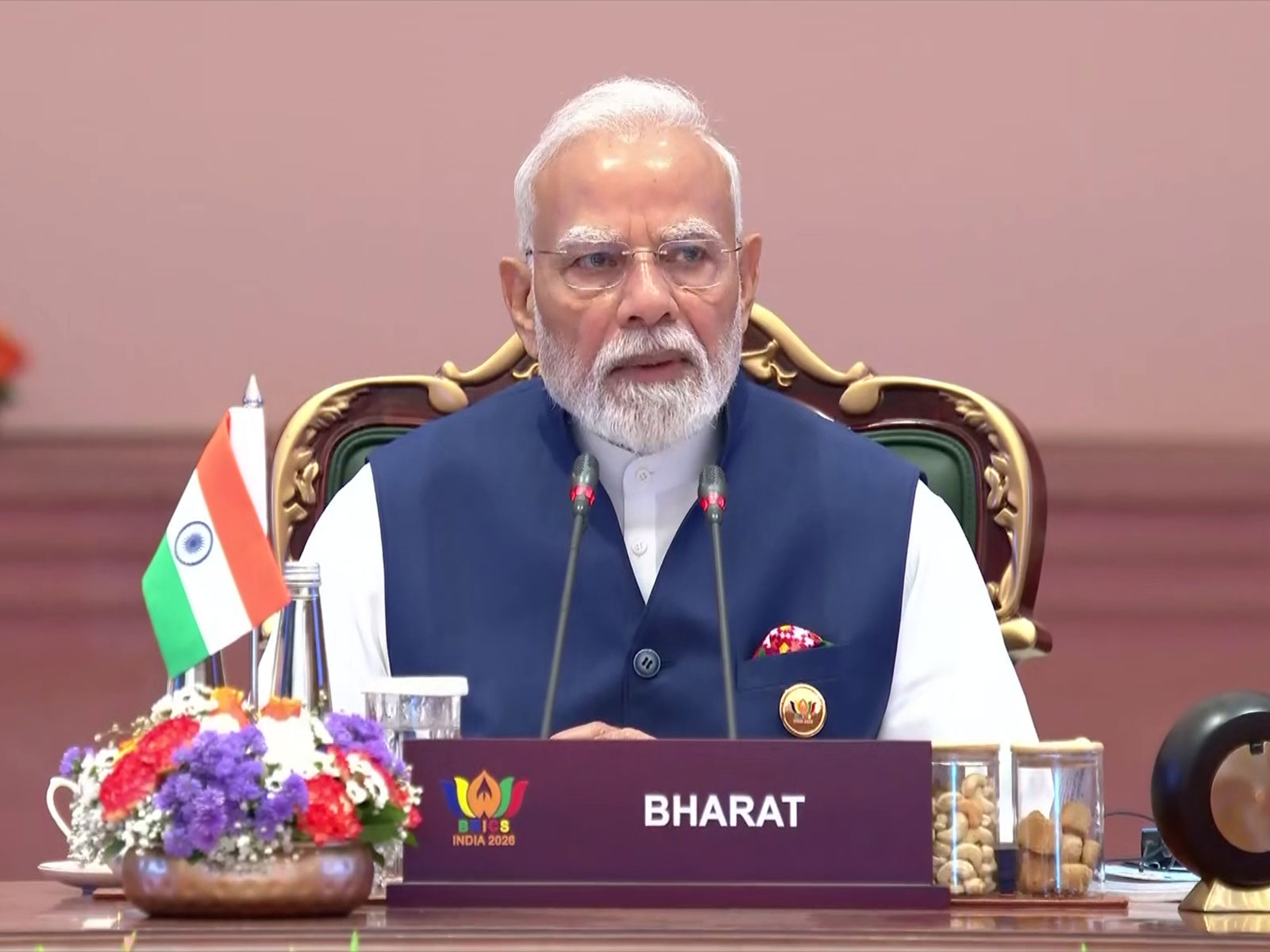
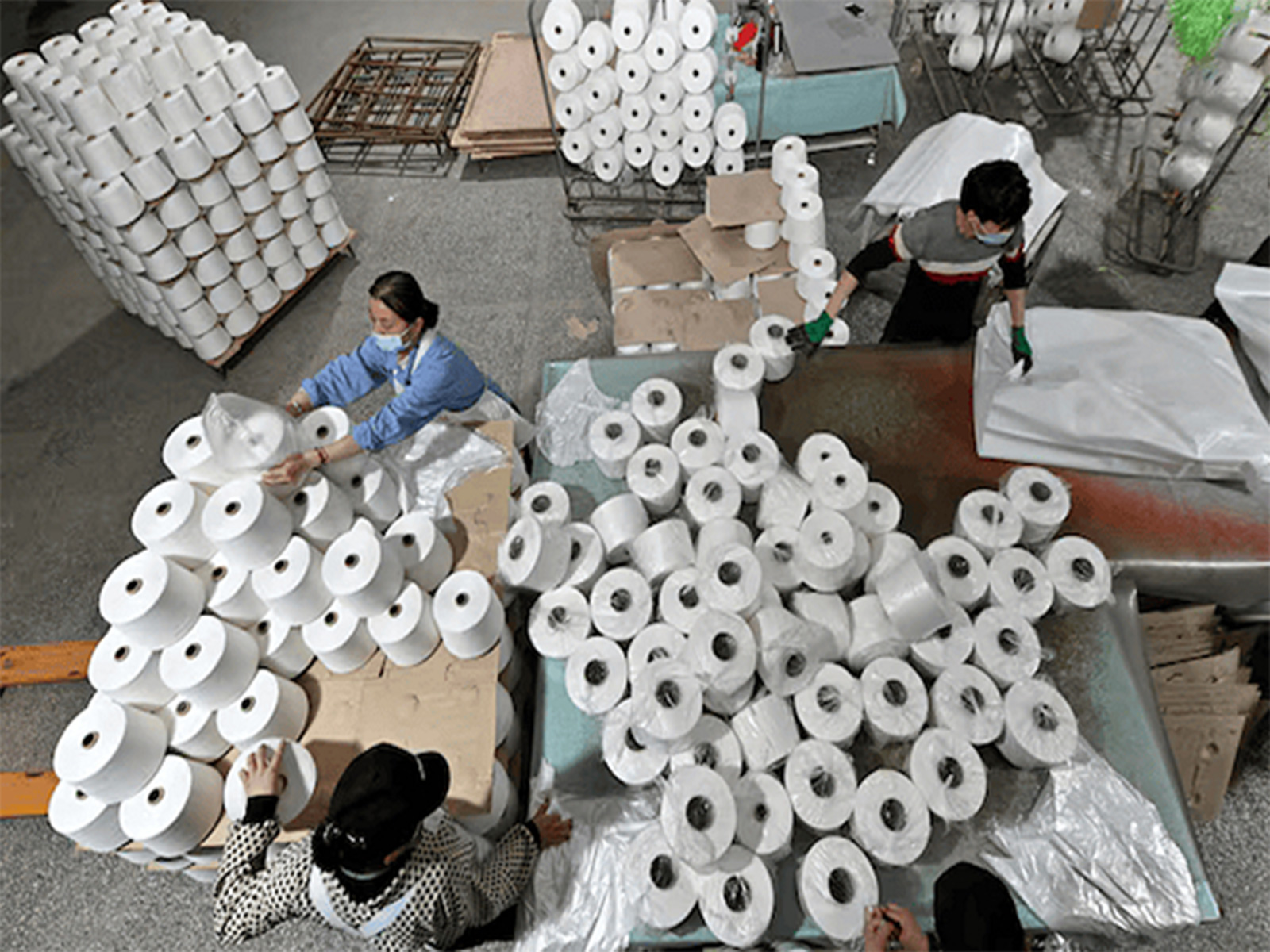
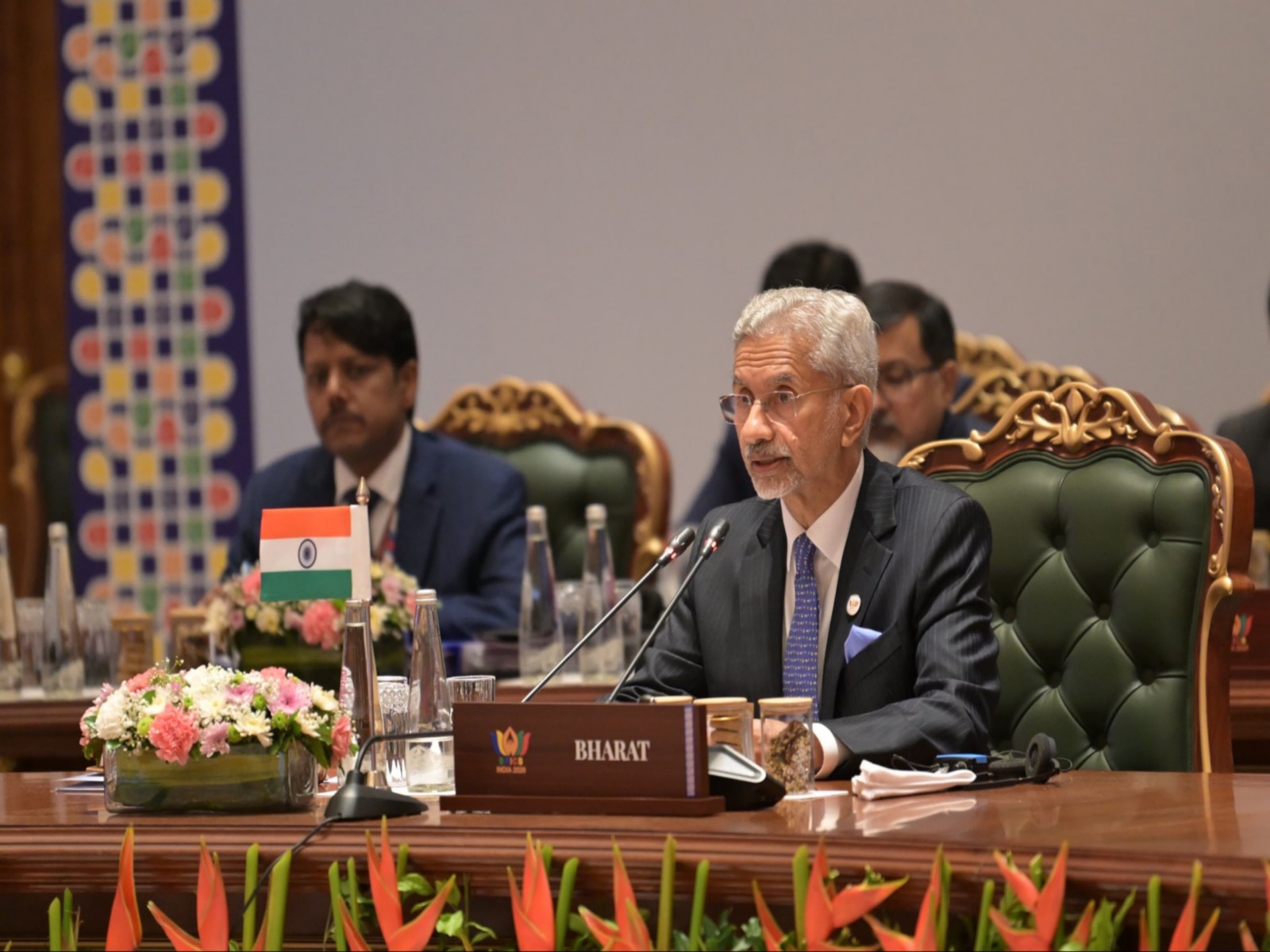
New Delhi [India], May 14 : Amidst the historic backdrop of New Delhi, the diplomatic pulse of the Global South quickened on Thursday as External Affairs Minister S Jaishankar convened the BRICS Foreign Ministers' Meeting. In an indirect reference to the friction caused by sweeping US tariffs on Indian imports, including a 25 per cent reciprocal levy and additional duties linked to Russian oil purchases, the Minister highlighted the strain on the international order.
While a February 2026 US International Trade ruling has since moderated some of these pressures towards a temporary 10 per cent duty, the EAM underscored that such "unilateral coercive measures and sanctions inconsistent with international law and the UN Charter" must be addressed.
He noted that these steps disproportionately impact developing nations, asserting that "these unjustifiable measures cannot substitute dialogue, nor can pressure replace diplomacy."
The EAM's discourse framed these economic hurdles not as isolated incidents, but as interconnected challenges straining the very fabric of multilateral institutions.
He observed that the global system is currently buckling under the weight of armed conflicts, climate disruptions, and the lingering shadows of the pandemic. Within this context, he noted that emerging economies are increasingly viewing the BRICS bloc as an essential stabilising force.
According to the Minister, "peace and security remain central to the global order," with recent hostilities only serving to sharpen the necessity for diplomatic intervention.
He reflected a global sentiment, stating, "There is a growing expectation, particularly from emerging markets and developing countries, that BRICS will play a constructive and stabilising role."
The ripples of regional instability, the Minister warned, extend far beyond their points of origin, manifesting as severe stress on energy, food, and fertiliser security.
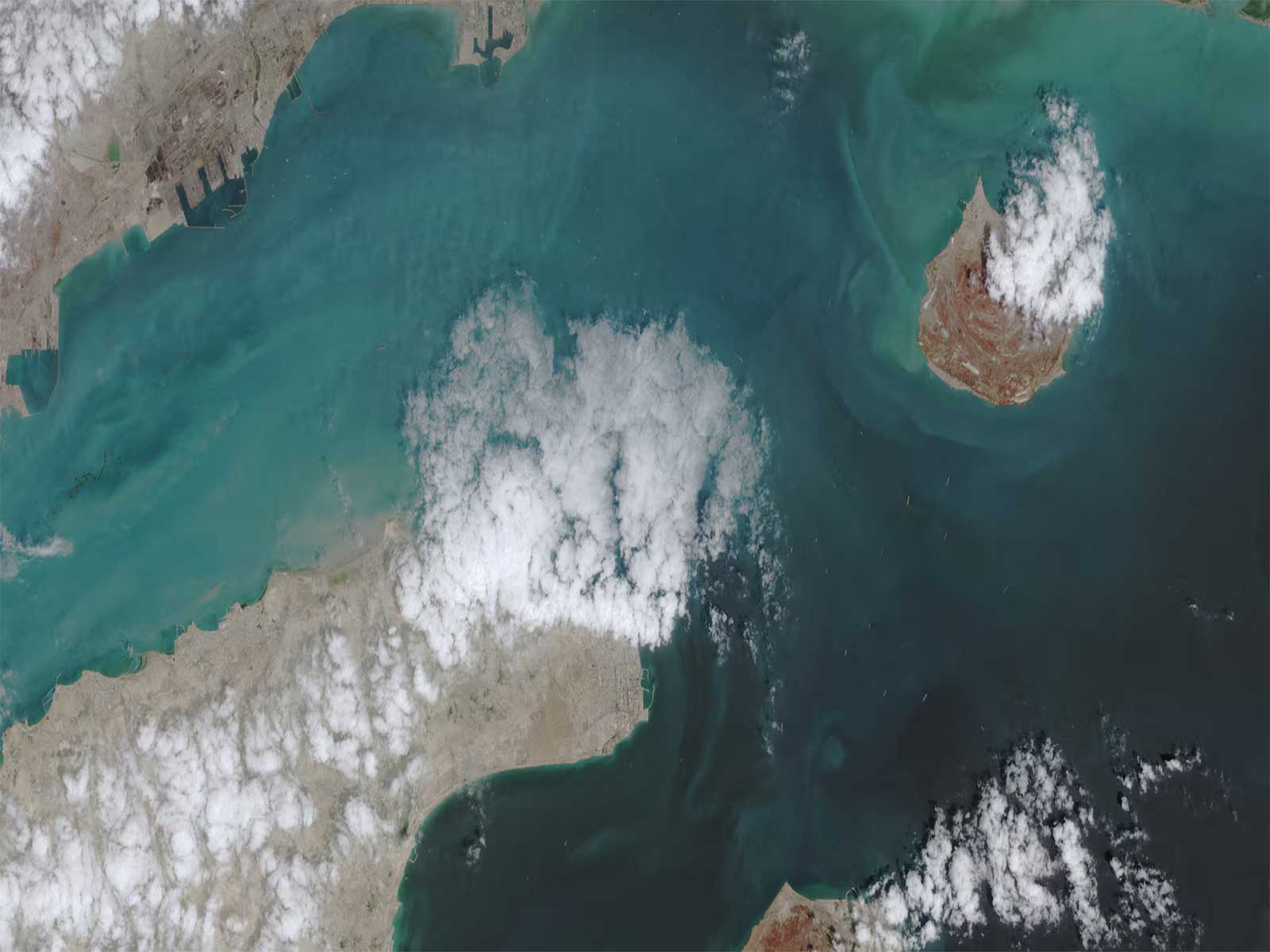
These pressures are acutely felt in emerging markets where economic resilience is often fragile. Turning his focus to the volatility in West Asia, he highlighted the critical need for "unimpeded and safe maritime flows" through vital arteries like the Strait of Hormuz and the Red Sea, which remain indispensable to the health of the global economy.
In addressing the humanitarian landscape, Jaishankar reiterated India's commitment to a two-state solution for the Palestinian issue, calling for a sustained ceasefire and unhindered aid access in the Gaza Strip.
He extended this lens of concern to the broader instability across Lebanon, Syria, Sudan, Yemen, and Libya, cautioning that "peace cannot be selective or partial" and requires a unified diplomatic front.
The conversation further turned to the universal threat of terrorism, with the EAM maintaining that there can be no justification for such acts "in any form".
He emphasised that cross-border terrorism stands in direct violation of international relations, insisting that a policy of zero tolerance must remain a global standard.
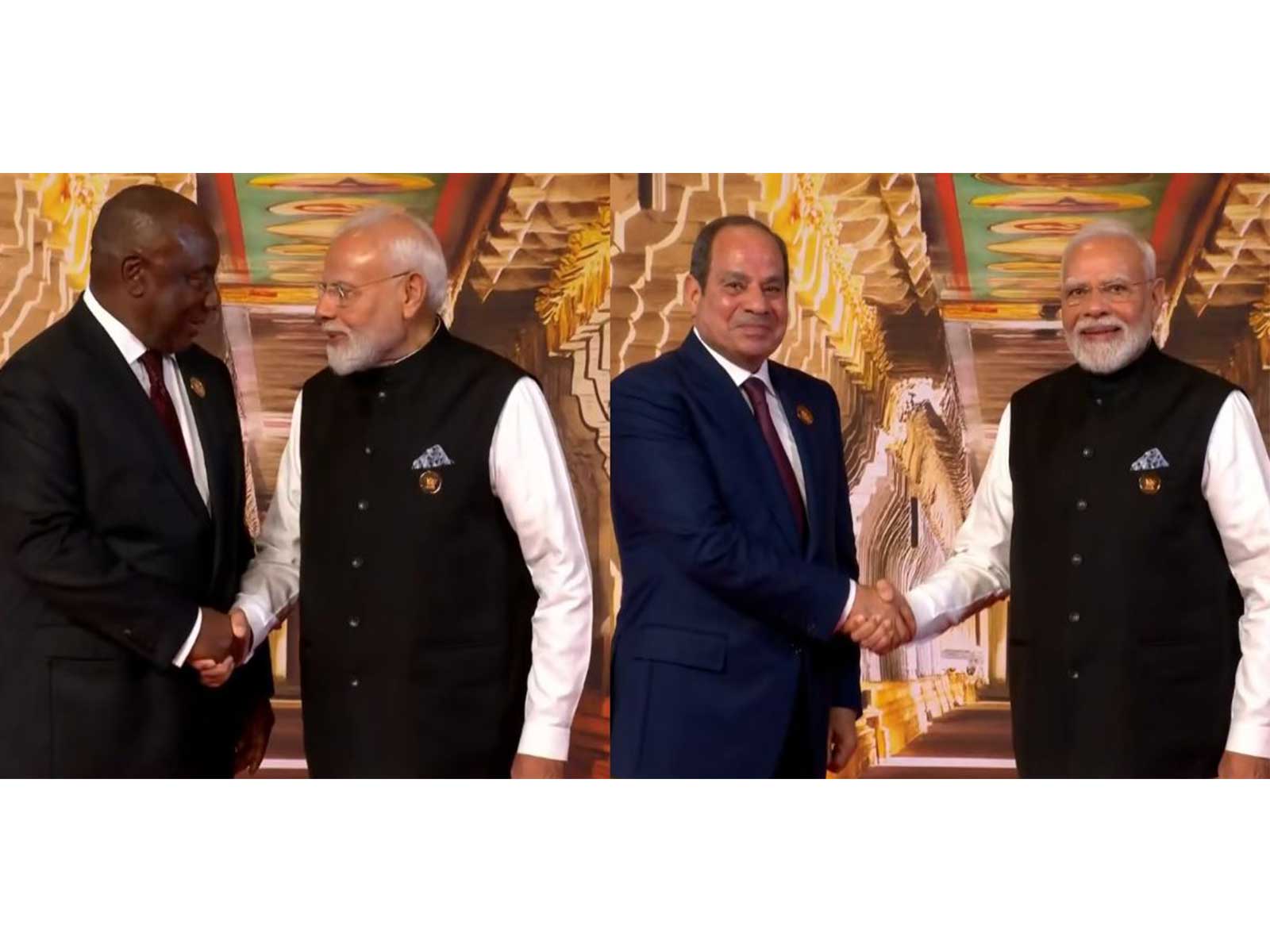
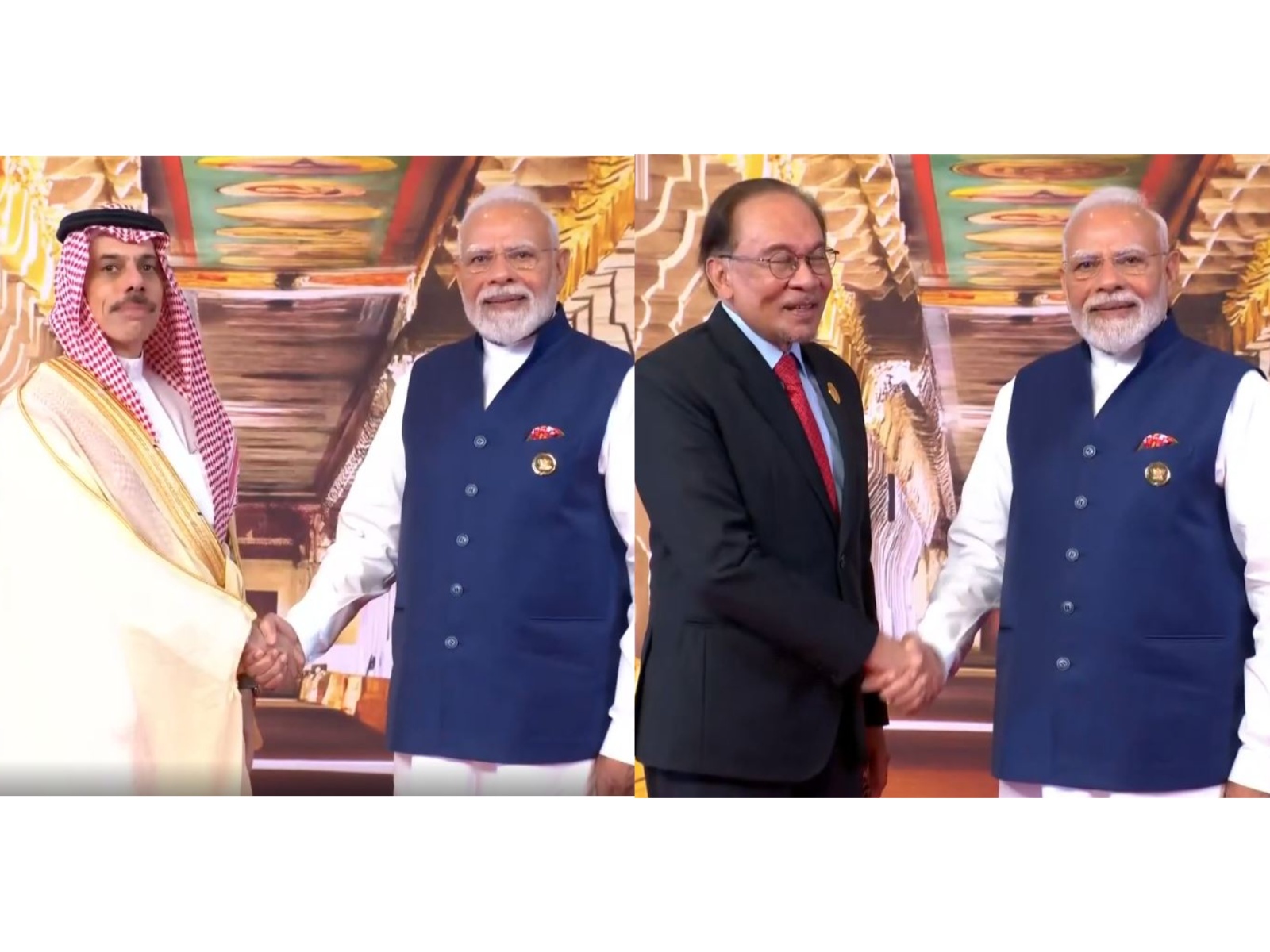
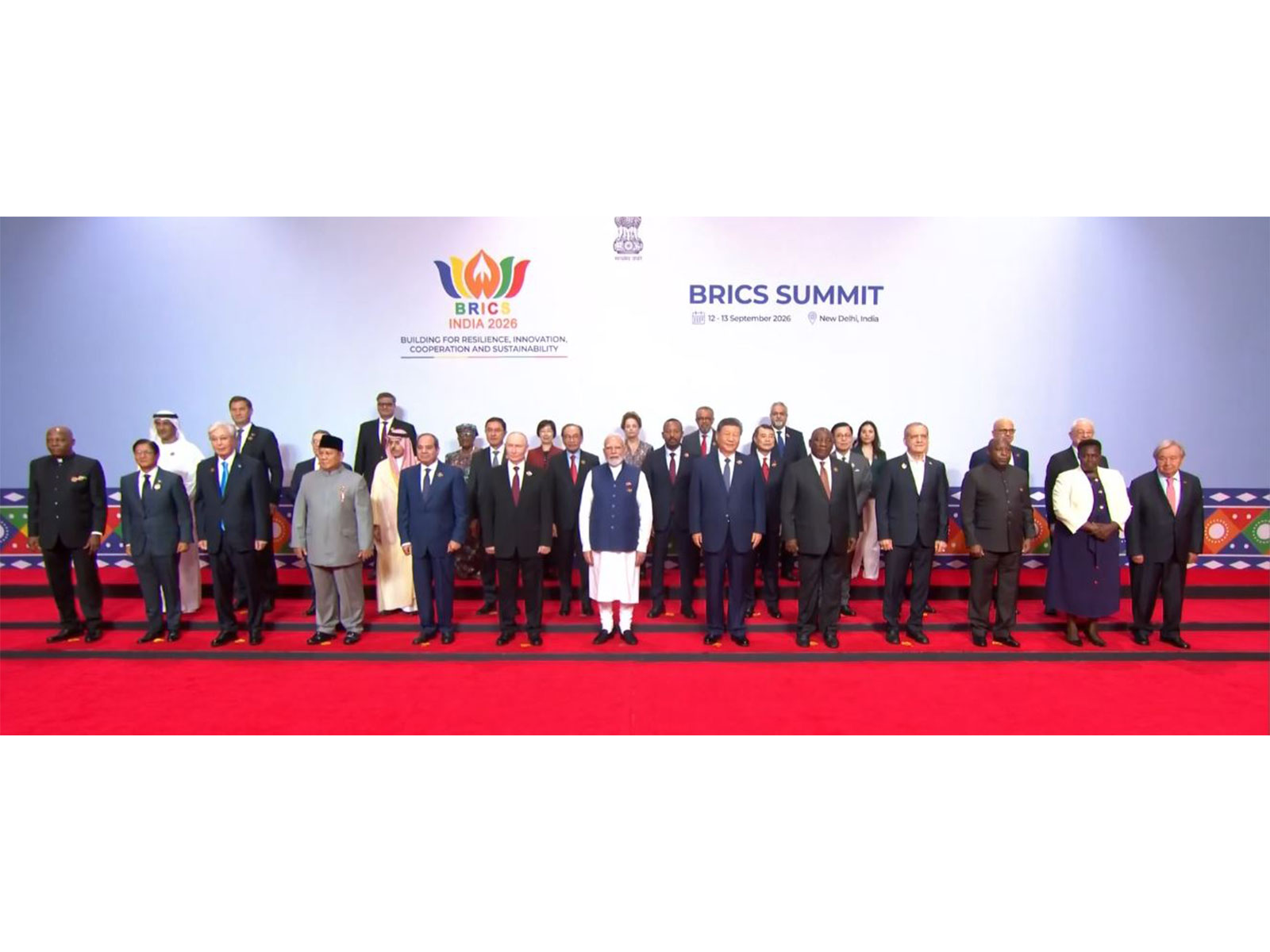
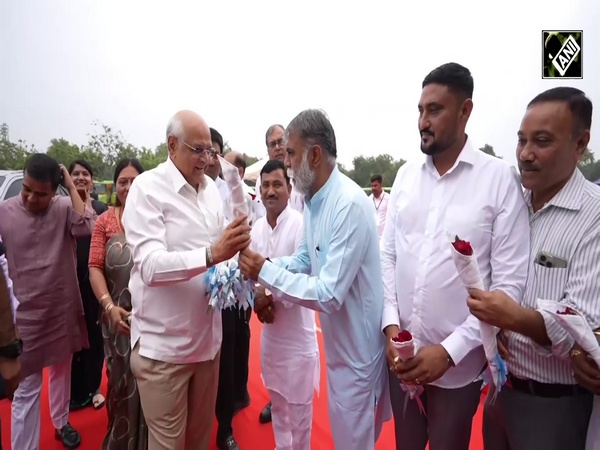
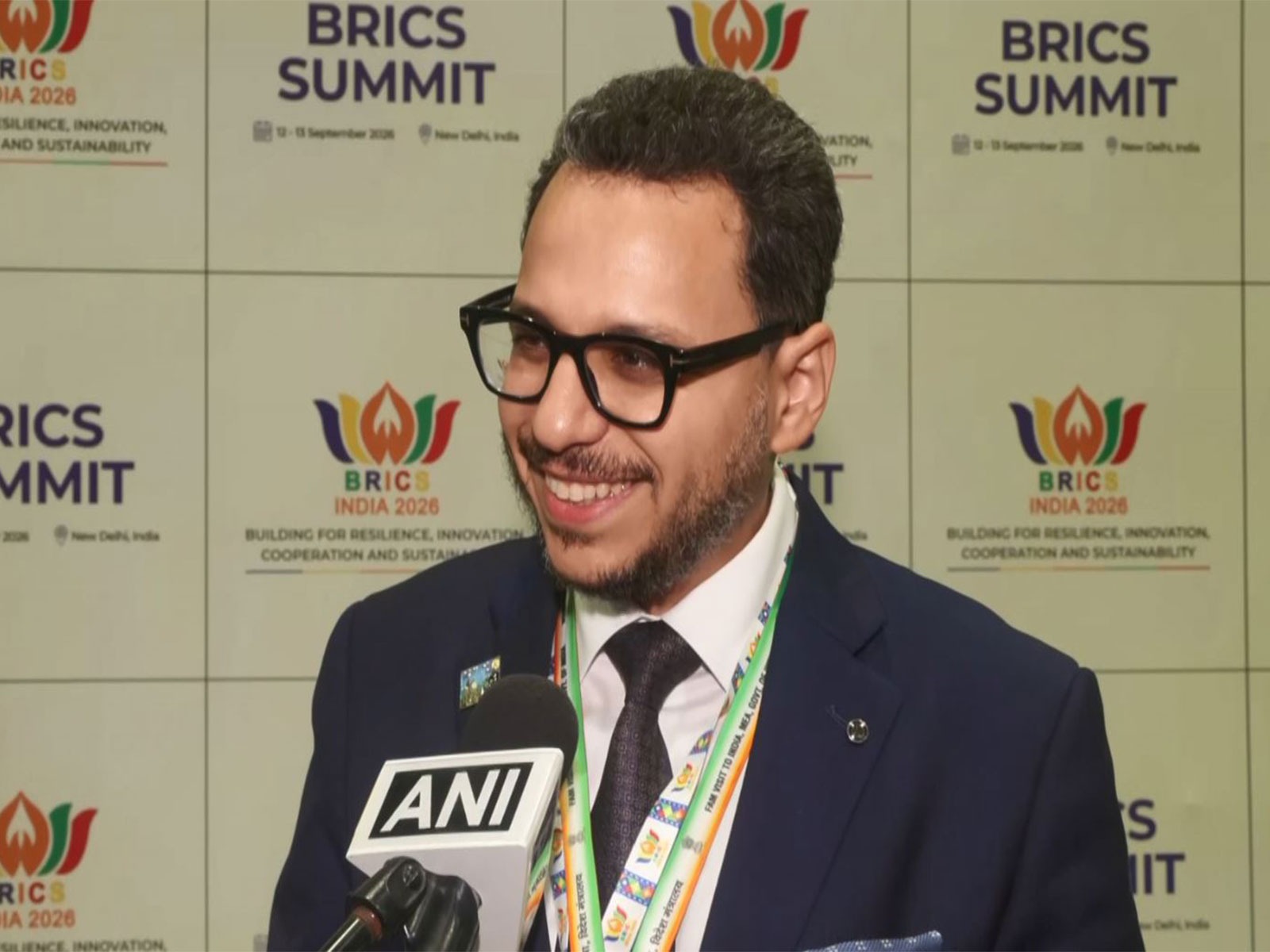
As the two-day summit, attended by dignitaries including Abbas Araqchi and Khalifa Shaheen Al Marar, progresses, it continues to underscore the need for systemic evolution.
The Minister renewed the call for "reformed multilateralism", specifically urging the expansion of the UN Security Council in both permanent and non-permanent categories to better reflect modern realities.
His vision for the future remained one of collective progress, concluding that "the message from our times is clear: cooperation is essential, dialogue is necessary, and reform is overdue."
This sentiment reaffirms India's dedication to partnering with the international community to foster a more equitable and inclusive global order. Set against a tapestry of rising geopolitical friction and complex divisions over conflicts in West Asia, the gathering served as a vital stage for India's 2026 chairmanship to navigate a world in flux.