US Environmental Protection Agency reports zero airborne lead detection hours after controlled detonation in Iowa
Nov 25, 2026
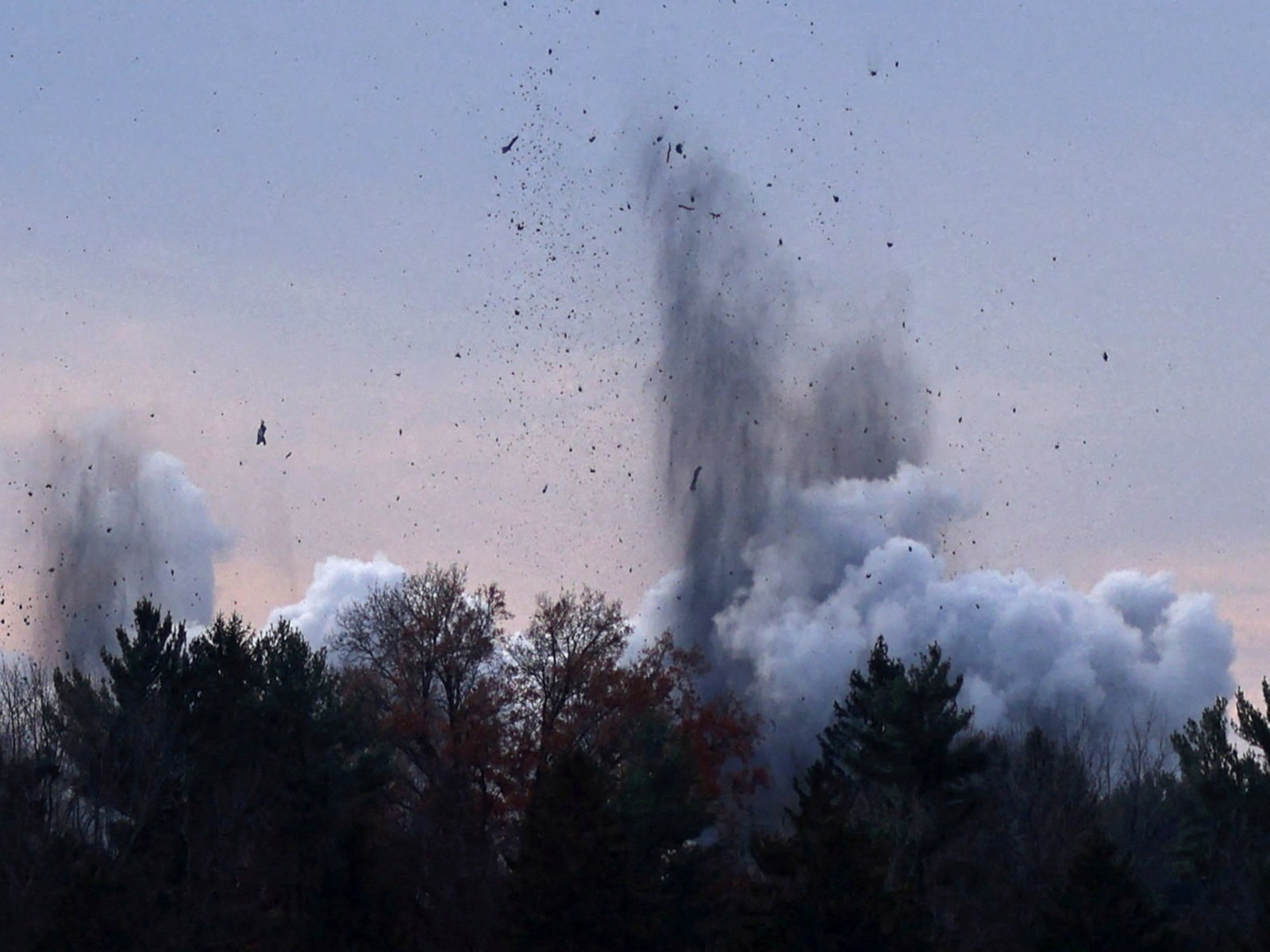
Iowa [US], November 26 : The US Environmental Protection Agency (EPA) has reported no detection of airborne lead more than five hours after the US Army carried out a controlled detonation of nearly five tonnes of unstable lead azide at the Iowa Army Ammunition Plant in Middletown.
In a post on X, EPA Administrator Lee Zeldin said all air monitoring systems continued to report zero detection of airborne lead more than five hours after the operation.
https://x.com/epaleezeldin/status/2125703490424991993
He also compared the particulate matter released during the controlled detonation with that from a fireworks display in Kansas City, stating that the release from the city's fireworks show at the FIFA World Cup FanFest was approximately 10 times greater than that from the detonation.
"Over five hours after the Army's controlled detonation of lead azide at the Iowa Army Ammunition Plant in Middletown, Iowa, all EPA air monitors continue to report a ZERO DETECT of airborne lead," Zeldin wrote.
He further said that the EPA had collected 1,200 samples from land, air, dust and water before the detonation, while 300 EPA personnel and contractors had been positioned in advance to continue sampling during and after the operation.
Zeldin said EPA teams had returned to the field to collect further air, land and water samples, adding that monitoring would continue over the coming days and updates would be shared with the public as more information became available.
He also directed residents to the EPA's dedicated website, epa.gov/IowaData, for updates, and provided a helpline number for people in the local area.
The US Army on Wednesday carried out a controlled detonation of nearly five tonnes of lead azide, an unstable chemical used in explosives, which had been stored in two concrete bunkers at the Iowa Army Ammunition Plant after being brought to the facility around 2009, CNN reported.
According to CNN, citing officials, the material had dangerously degraded and crystallised, making its handling and disposal increasingly hazardous.
Federal authorities had maintained that a controlled detonation was necessary, as opening the containers for chemical neutralisation or exposing them to chilling temperatures could trigger an uncontrolled explosion.