US-Iran tensions push Pakistan toward economic crisis, say Islamabad residents
May 31, 2026
Islamabad [Pakistan] May 31 : Growing tensions between the United States and Iran are fuelling fears of a fresh inflation crisis in Pakistan, with residents of Islamabad expressing deep concern over soaring fuel prices, rising living costs, and the worsening economic burden on ordinary citizens.
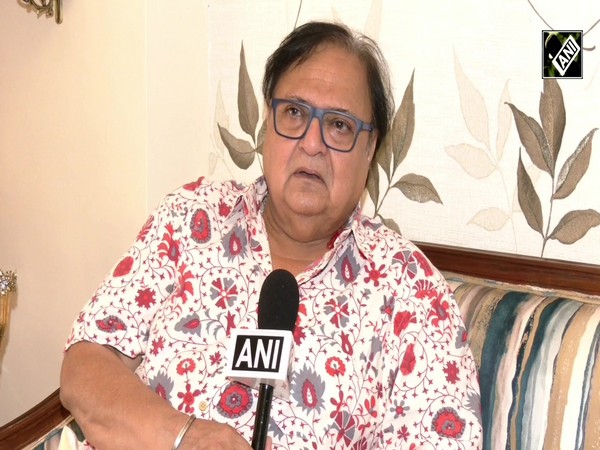
Several residents said the ongoing conflict in the Middle East has already begun affecting daily life in Pakistan. Many complained that inflation has reached unbearable levels, making it increasingly difficult for salaried workers and low-income families to meet basic expenses.
One resident said he had been forced to leave his car parked for over a month because he could no longer afford fuel, adding that even maintaining a motorcycle had become difficult.
"Our salaries remain the same, but prices keep increasing. Survival is becoming nearly impossible," he said.
Citizens linked the recent surge in inflation to disruptions in global energy markets caused by the US-Iran confrontation and tensions surrounding the Strait of Hormuz, a critical oil shipping route.
According to residents, petrol prices in Pakistan reportedly surged from around Rs 250 per litre to as high as Rs 450 before easing slightly to above Rs 400 per litre. Diesel prices have also witnessed similar increases, placing additional pressure on transportation and commodity costs.
Residents argued that higher fuel prices inevitably lead to increases in public transport fares, food prices, and other essential goods. Some claimed inflation had risen by as much as 300 per cent, leaving poor and middle-class households struggling to cope.
Several speakers argued that military actions and missile strikes undermine diplomatic efforts and prolong instability in the region. Residents also blamed the continued deadlock on geopolitical rivalries and alleged external interference in the peace process.
Calling for an immediate end to hostilities, Islamabad residents urged all parties to prioritise negotiations, stressing that peace is essential to stabilising fuel prices, controlling inflation, and preventing further hardship for millions of Pakistanis.