US official says temporary routes through Strait of Hormuz will require 'no permits or fees, no party controls navigation'
Aug 04, 2026
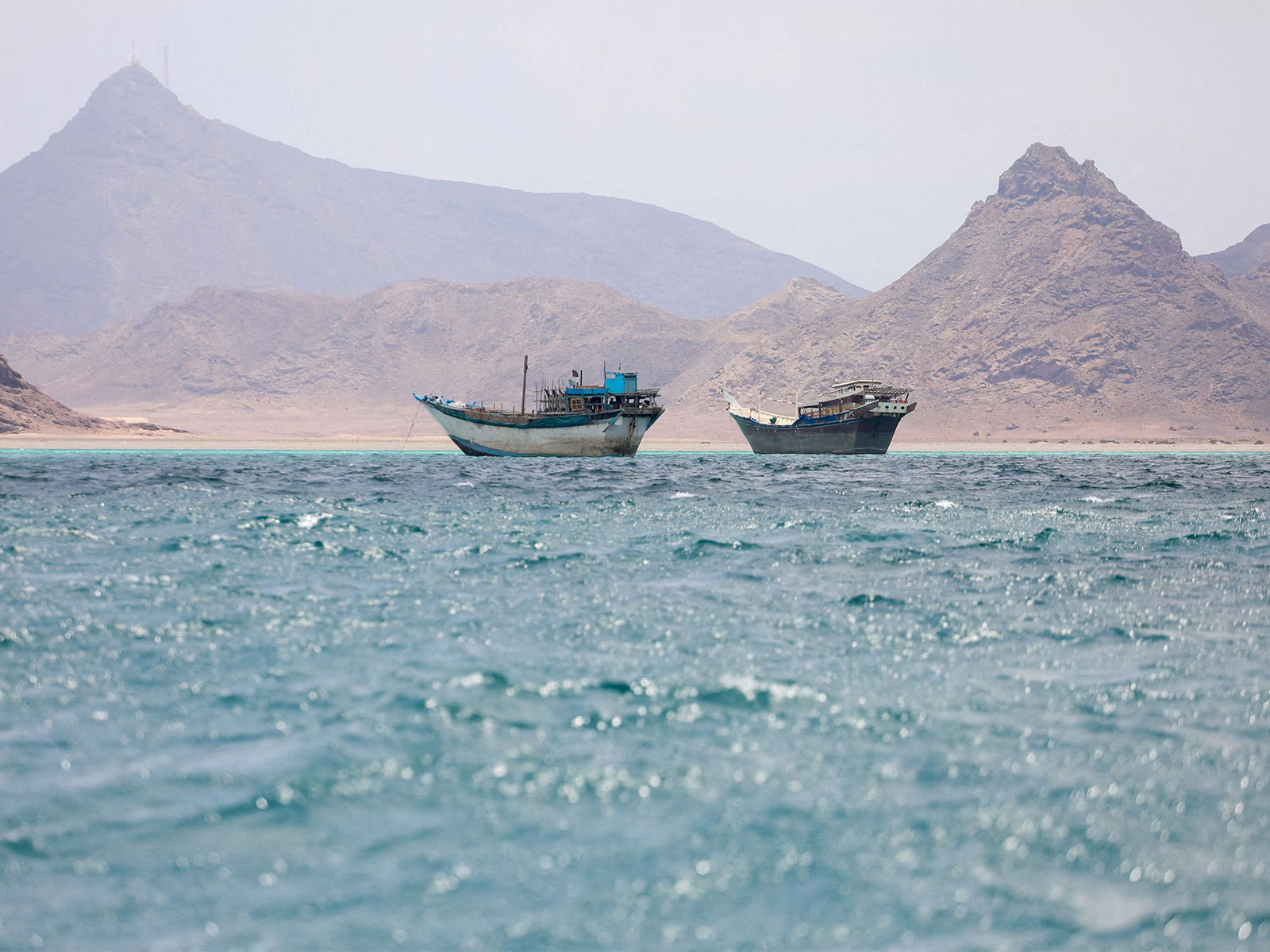
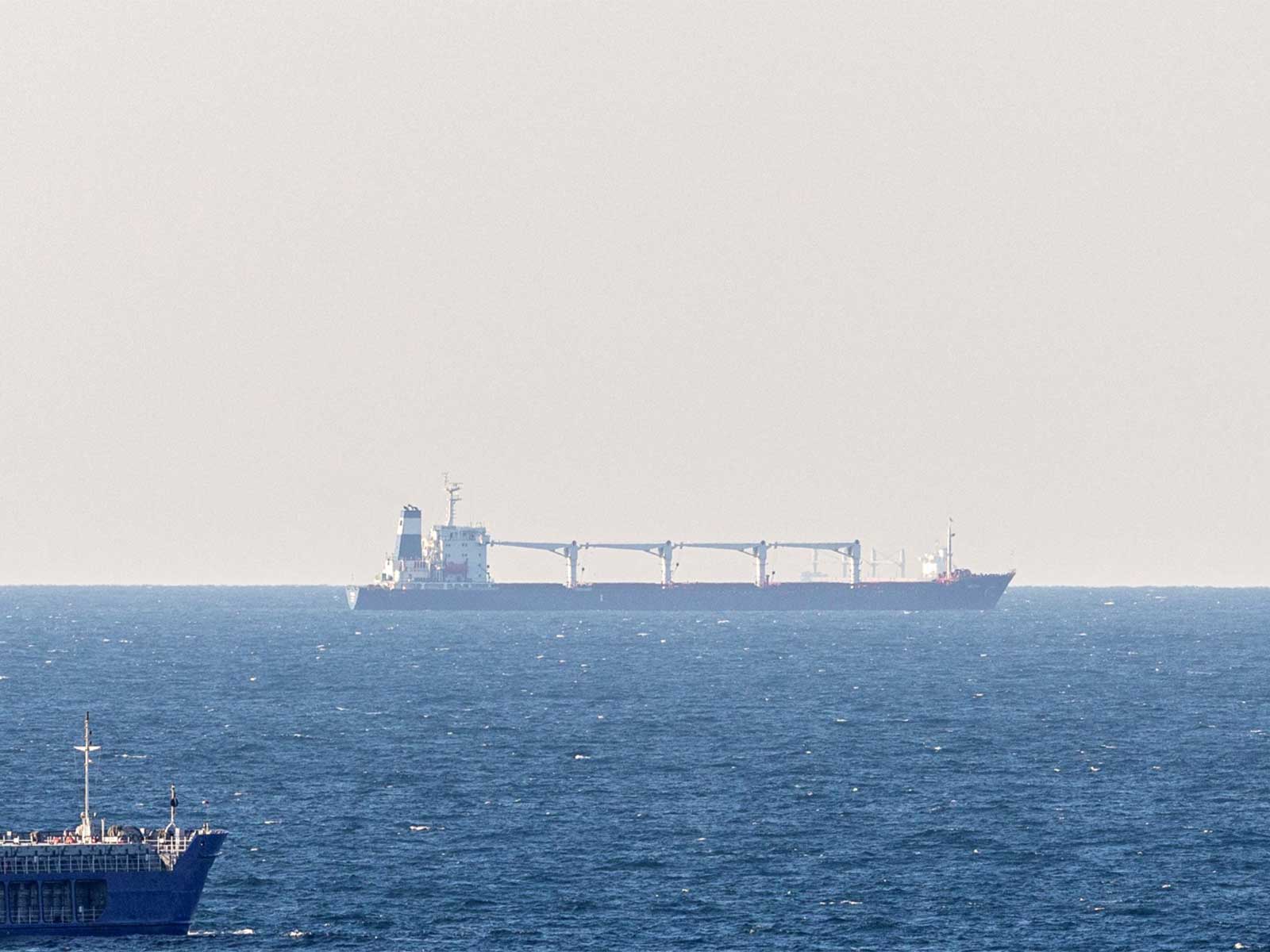
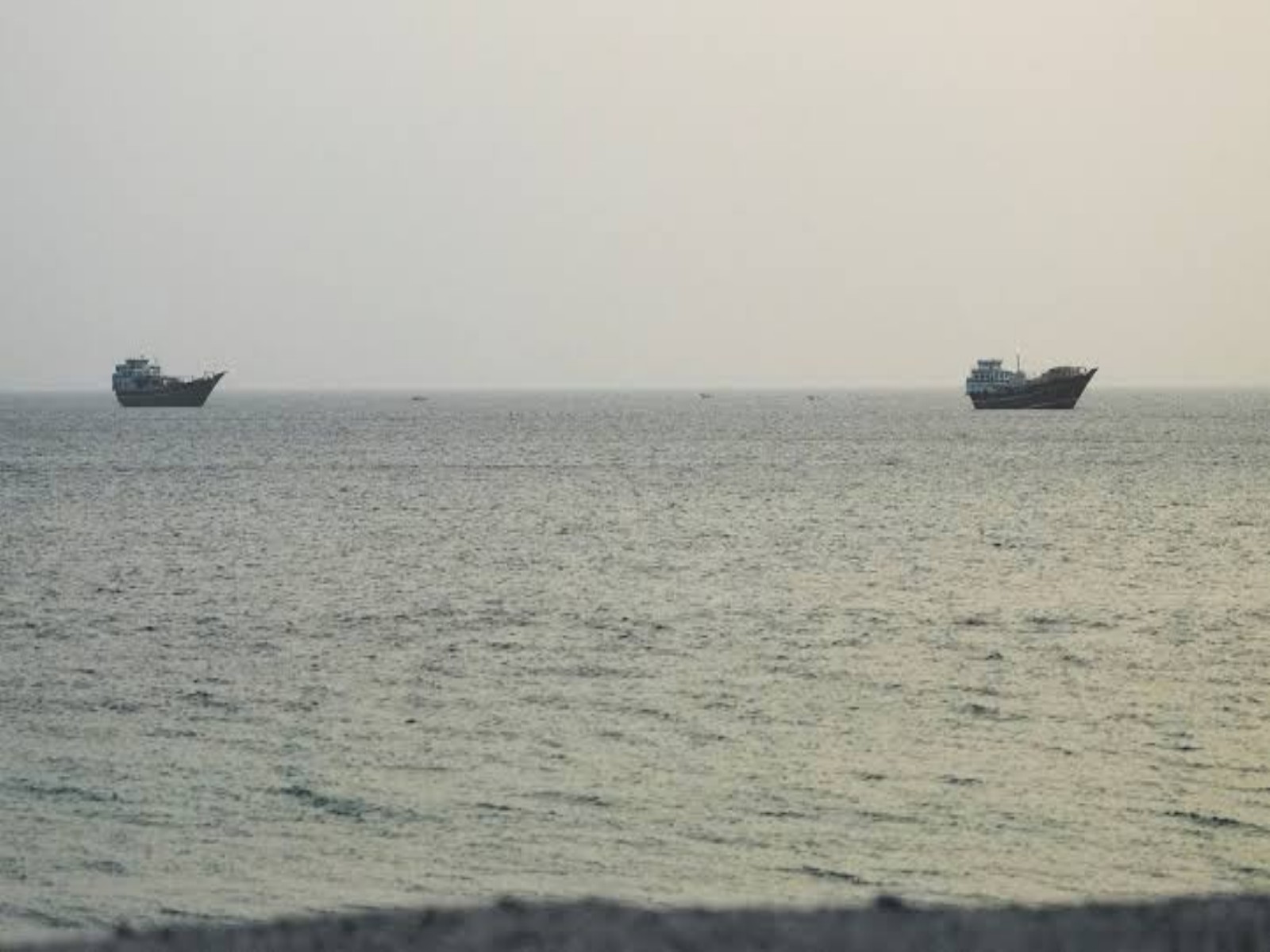
Washington DC [US], August 5 : A United States official has said that any temporary shipping routes through the Strait of Hormuz would not require permits, approvals or fees, asserting that no single party controls navigation through the strategic waterway, according to Al Jazeera.
The official told Al Jazeera that "any temporary routes through the Strait of Hormuz will be without obstacles, permits, approvals or fees," adding that no party has control over the shipping lanes or the ability of vessels to transit through the strait.
The remarks come amid renewed tensions over the waterway after senior Iranian official Mohsen Rezaee rejected US President Donald Trump's comments on reopening the Strait of Hormuz.
Earlier on Monday (local time), Rezaee, a senior military adviser to Iran's Supreme Leader Ayatollah Seyyed Mojtaba Khamenei, said Iran would not permit any shipping route through the strategic waterway other than the one designated by Tehran, according to Iran's state broadcaster Press TV.
Responding to Trump's remarks, Rezaee claimed that the United States had violated a previous memorandum of understanding concerning the Strait of Hormuz before launching attacks without following agreed dispute resolution mechanisms. He further alleged that Iran had responded militarily and warned that any US warships using what he described as an unauthorised route through the strait would be targeted.
The exchange follows Trump's statement that discussions were underway to "completely" reopen the Strait of Hormuz, with the first phase of talks focused on restoring unrestricted navigation through the key maritime passage.
Speaking to reporters in the Oval Office after signing an executive order, Trump expressed confidence that progress could come as early as Tuesday (local time). He said the second phase of discussions would focus on Iran's nuclear programme, reiterating that Tehran "cannot have a nuclear weapon."
Trump also described the current diplomatic engagement as Iran's "last chance" to reach an agreement, claiming Washington had paused a planned military strike following requests from Saudi Arabia, the United Arab Emirates, Qatar and Iran to pursue diplomacy.
However, Iranian Foreign Ministry spokesperson Esmail Baghaei has denied reports of any direct or indirect negotiations with Washington, maintaining that Tehran is not engaged in bilateral talks with the United States.