US weapons stockpiles "severely depleted" as Trump prolongs Iran conflict, CSIS report warns
Jul 29, 2026
Washington, DC [US], July 30 : The American military's key air-defence missile inventories are facing growing pressure as the confrontation with Iran enters its fifth month, prompting concerns over Washington's capacity to maintain Middle East operations while addressing security challenges in other regions.
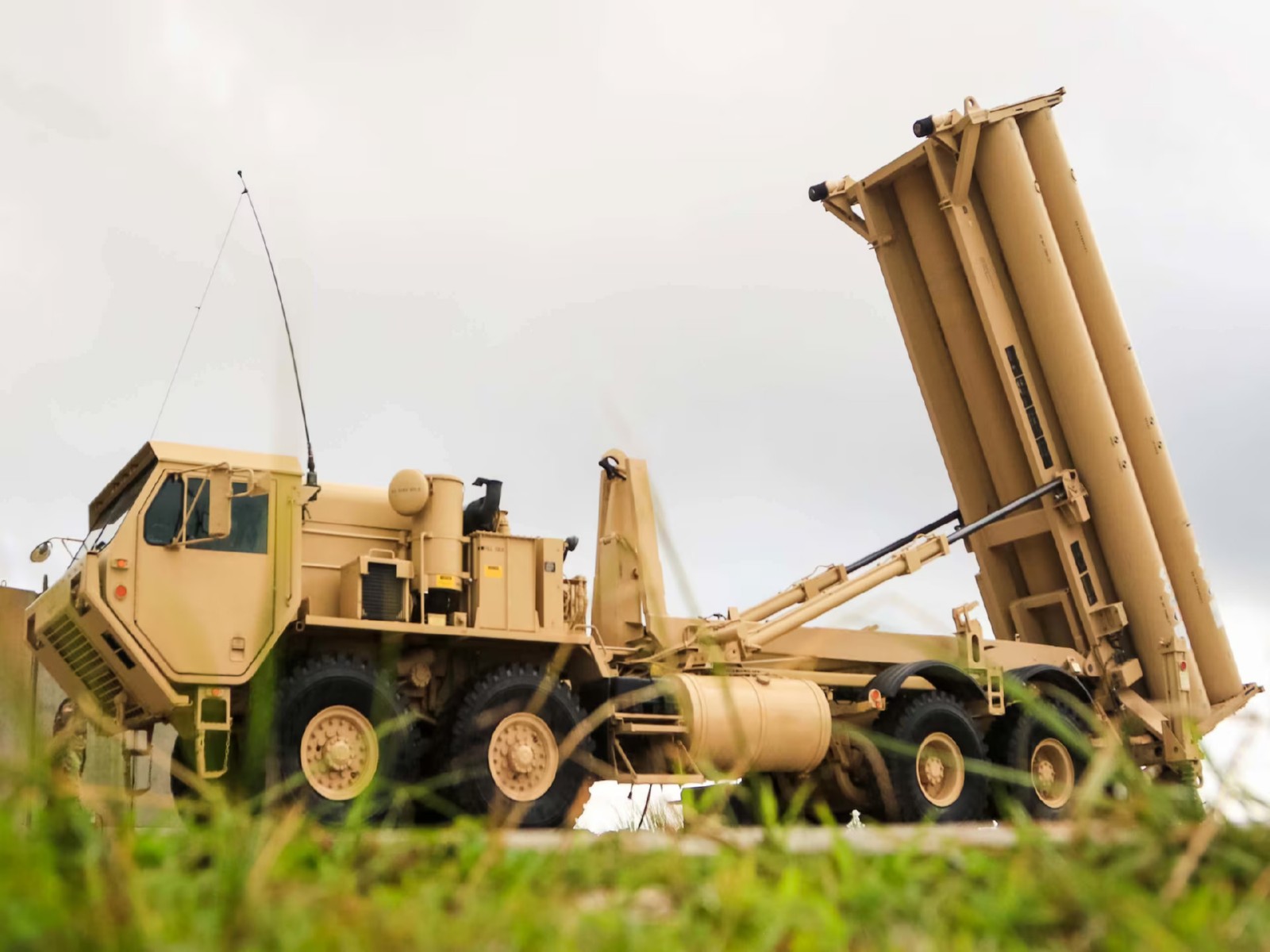
An assessment by the think tank Center for Strategic and International Studies (CSIS) indicated that the US has deployed substantial quantities of Patriot and Terminal High Altitude Area Defense (THAAD) interceptors since the conflict erupted in late February, causing a steep drop in reserve stocks.
According to CSIS estimates, prior to the outbreak of hostilities, the US maintained approximately 2,200 Patriot interceptors across its two most advanced models, alongside nearly 452 THAAD missiles. However, current reserves have dwindled to under 827 Patriot interceptors and fewer than 278 THAAD ballistic missile interceptors.
Warning that depleting reserves could compel Washington and its allies to absorb higher operational exposure during air-defence missions, the report noted, "Diminished stockpiles may force the United States and its coalition partners to take more risks with interceptions. There are no good alternatives to Patriot and THAAD for ballistic missile defence."
The think tank further highlighted that American naval ships armed with Standard Missiles are frequently stationed at distances too remote to offer dependable coverage against incoming missile strikes.
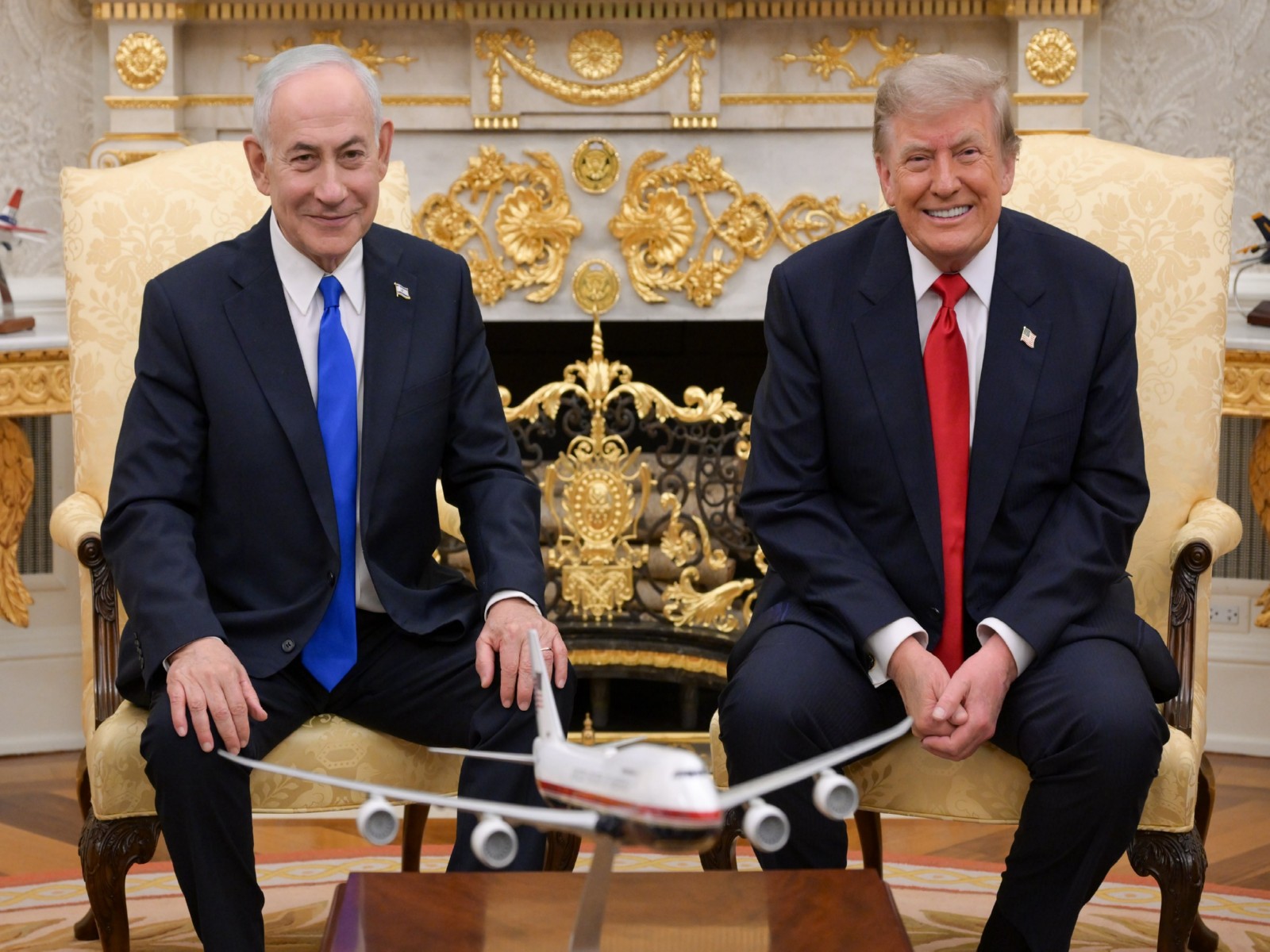
These findings stand in contrast to statements from President Donald Trump, who brushed off anxieties regarding depleted arsenals, asserting that US reserves remain "in very good shape".
The reserve depletion has acquired heightened sensitivity as hostilities between Washington and Tehran persist without a clear resolution, with analysts cautioning that an extended engagement could constrain the US from addressing emergencies in other theatres.
Broadcaster CNN earlier reported that Joint Chiefs of Staff Chairman General Dan Caine highlighted worries over shrinking missile supplies during a briefing with Trump, during which defence officials detailed the hazards of a wider conflict with Tehran.
Subsequent to that discussion, Trump ordered a temporary halt to military strikes on Iran, though regional friction has resurfaced. In recent days, American and Saudi forces conducted combined air raids targeting Iran-aligned factions in Iraq, as the US military reported thwarting a "surprise attack" directed by Tehran at American troops in the area.
Mark Cancian, a retired Marine Corps colonel who co-authored the CSIS report, warned that persistent combat could draw down US missile reserves to levels that compromise defence readiness outside the Middle East.
Cancian remarked to CNN that an extended war with Iran risks undermining the US military's capacity to deal effectively with potential contingencies involving China or North Korea, highlighting the wider global ramifications of the ongoing clash.