Uttarakhand: CM Dhami chairs high-level meet for development, expansion of Oriental Research Institute in Haridwar
May 05, 2026
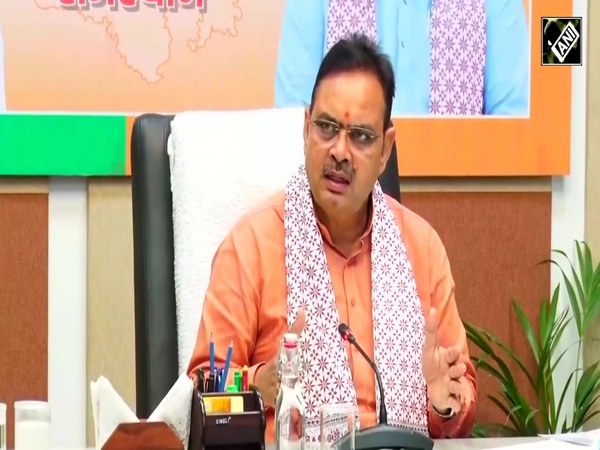
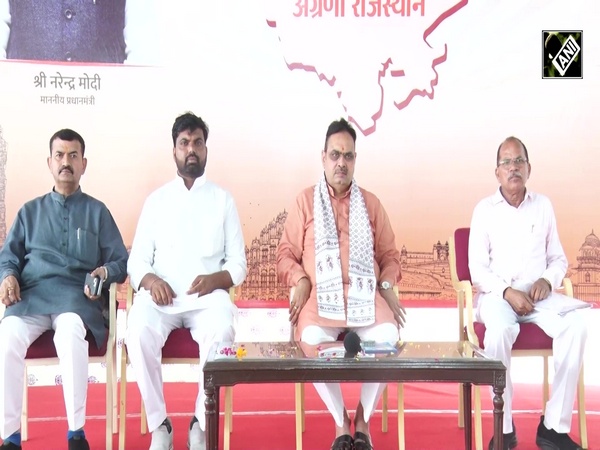
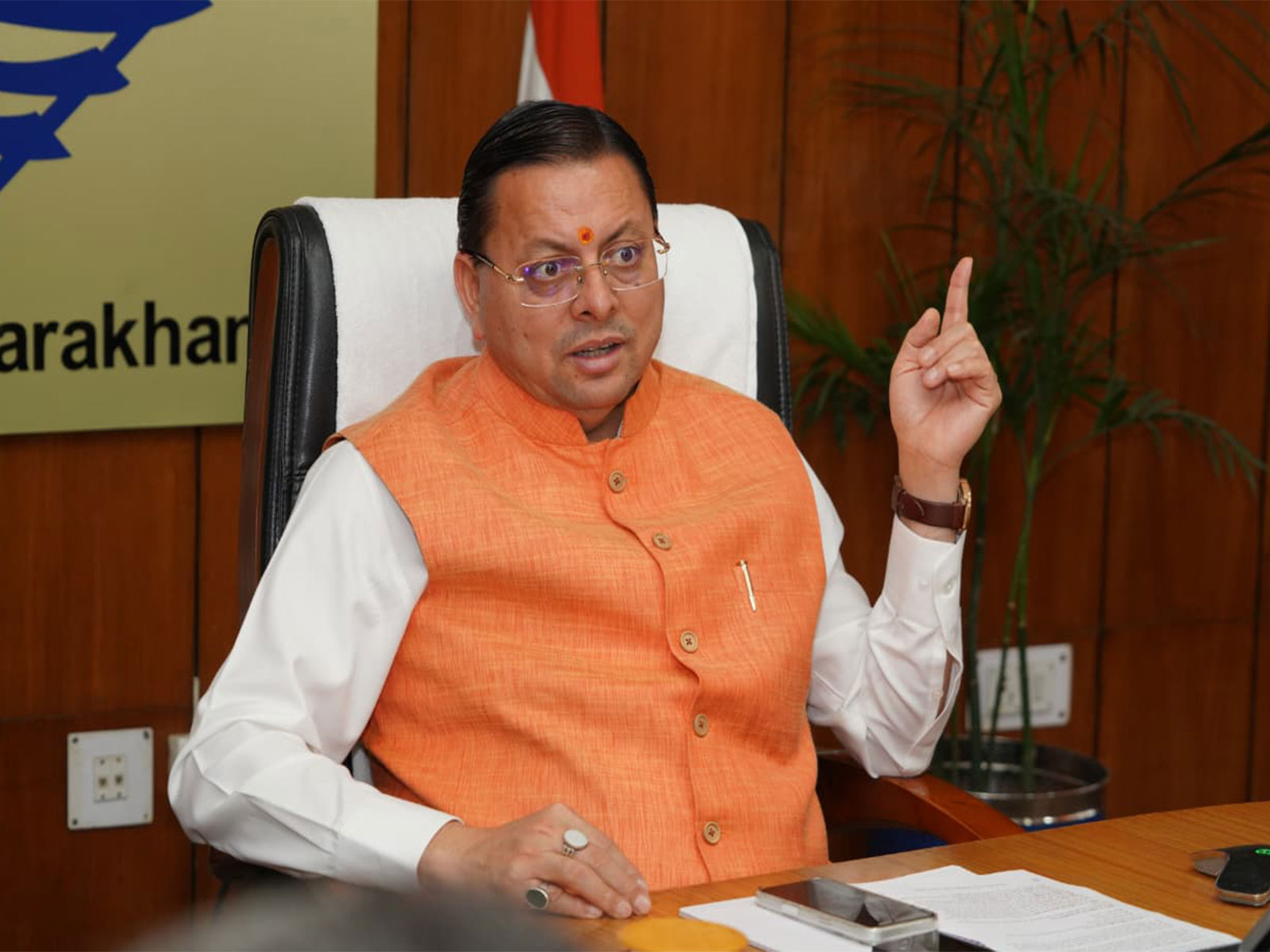
Dehradun (Uttarakhand) [India], May 5 : Uttarakhand Chief Minister Pushkar Singh Dhami on Tuesday chaired a high-level meeting at the Secretariat to review plans for the comprehensive development and expansion of the Shri Madan Mohan Malaviya Oriental Research Institute in Rishikul, Haridwar.
Detailed discussions were held on developing the institute into a global centre for Indian knowledge traditions, ancient sciences, culture, and modern research.
The Chief Minister stated that Uttarakhand is not only a land of faith and spirituality but also a land of sages, knowledge, and scientific thought. Giving a new identity to this important institute in Rishikul, Haridwar, is a priority of the state government.
He directed officials to expedite the commencement of work on the Shri Madan Mohan Malaviya Oriental Research Institute and ensure its completion before the Kumbh begins.
During the meeting, discussions were held on promoting in-depth study of Indian knowledge systems and developing the institute as a hub for tourism, Ayurveda, astrology, and yoga education. It was informed that the institute will be developed as a global centre for knowledge, yoga, meditation, and Indian spiritual traditions. This will include a Shruti Center for Vedas, Upanishads, and classical knowledge traditions; a Philosophy Center for deep exploration of Indian thought and consciousness; an Ayu Center for Ayurveda and holistic health sciences; a Science Center for Indian knowledge systems and traditional sciences; and an Arts Center to showcase the richness of Indian art, culture, and aesthetics.
The Tourism Department will act as the nodal agency. He also instructed Chief Secretary RK Sudhanshu to hold fortnightly review meetings with departmental secretaries to monitor progress. Emphasis should be placed on preserving heritage alongside development, and activities based on folk arts from all districts of the state should be included.
The CM further directed that modern systems be developed at the institute for research and study in Vedic mathematics, scientific knowledge embedded in the Vedas, the philosophy of the Upanishads, Indian logic, environmental science, and value-based education. He highlighted that India has given key mathematical concepts such as zero, the decimal system, algebra, and trigonometry to the world. The contributions of mathematicians like Aryabhata, Brahmagupta, and Varahamihira should be integrated into research and education.
Discussions were also held on establishing specialised study centres in astronomy, metallurgy, agricultural science, and environmental conservation. The Chief Minister noted that ancient India had highly advanced knowledge in metallurgy, water management, organic farming, and climate-based agriculture, which should be linked with modern research and passed on to future generations.
He emphasised the importance of promoting ethical values, discipline, duty, and human values described in the Vedas and Upanishads in today's society. The institute should emerge as a centre not only for education but also for character-building and nation-building. He also directed the development of facilities such as a digital manuscript preservation centre, modern libraries, research laboratories, seminar halls, and e-learning infrastructure.