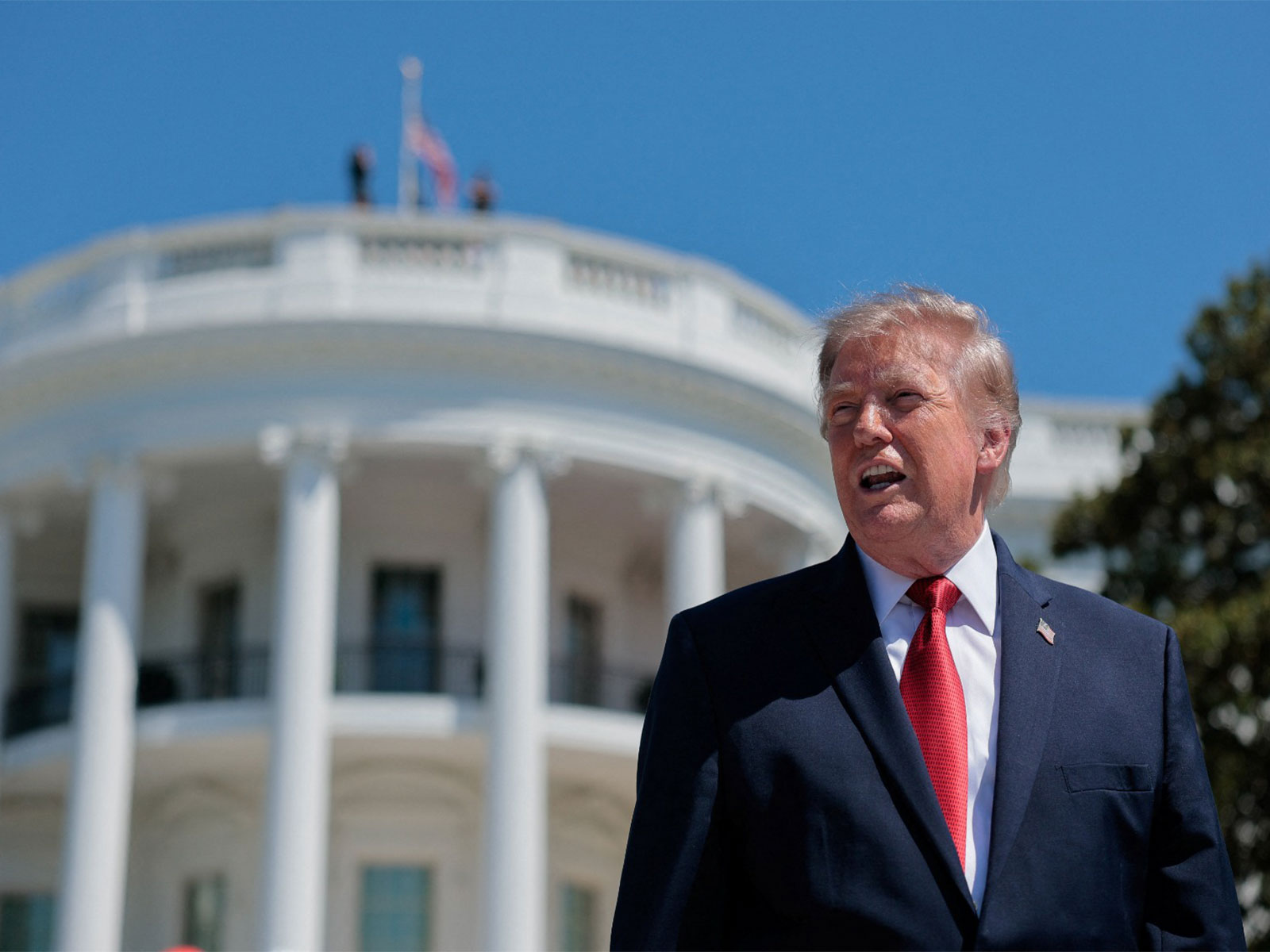
"Very important": Trump rushes 161 pending nominations in Senate following midterm setbacks
Nov 10, 2026
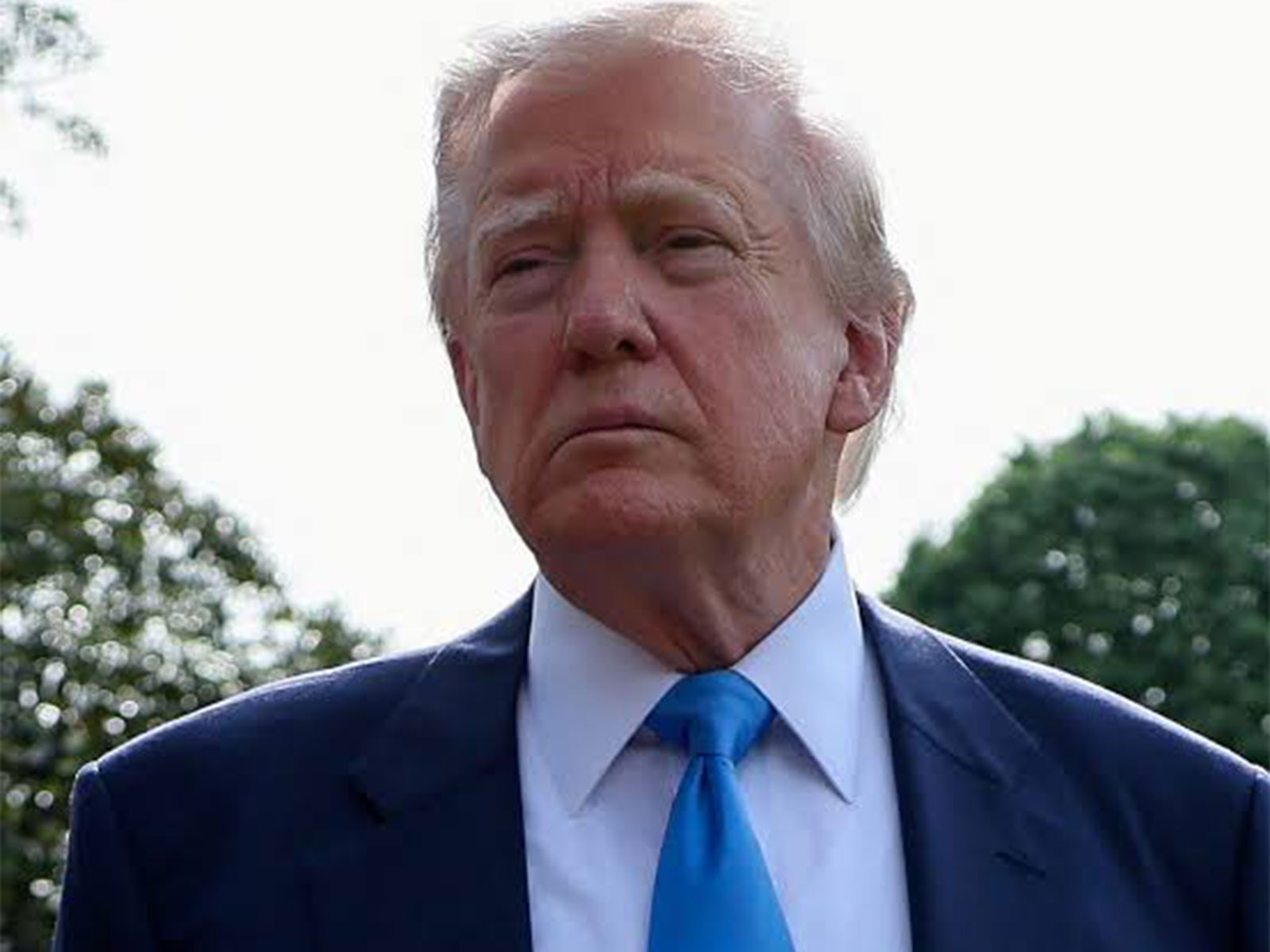
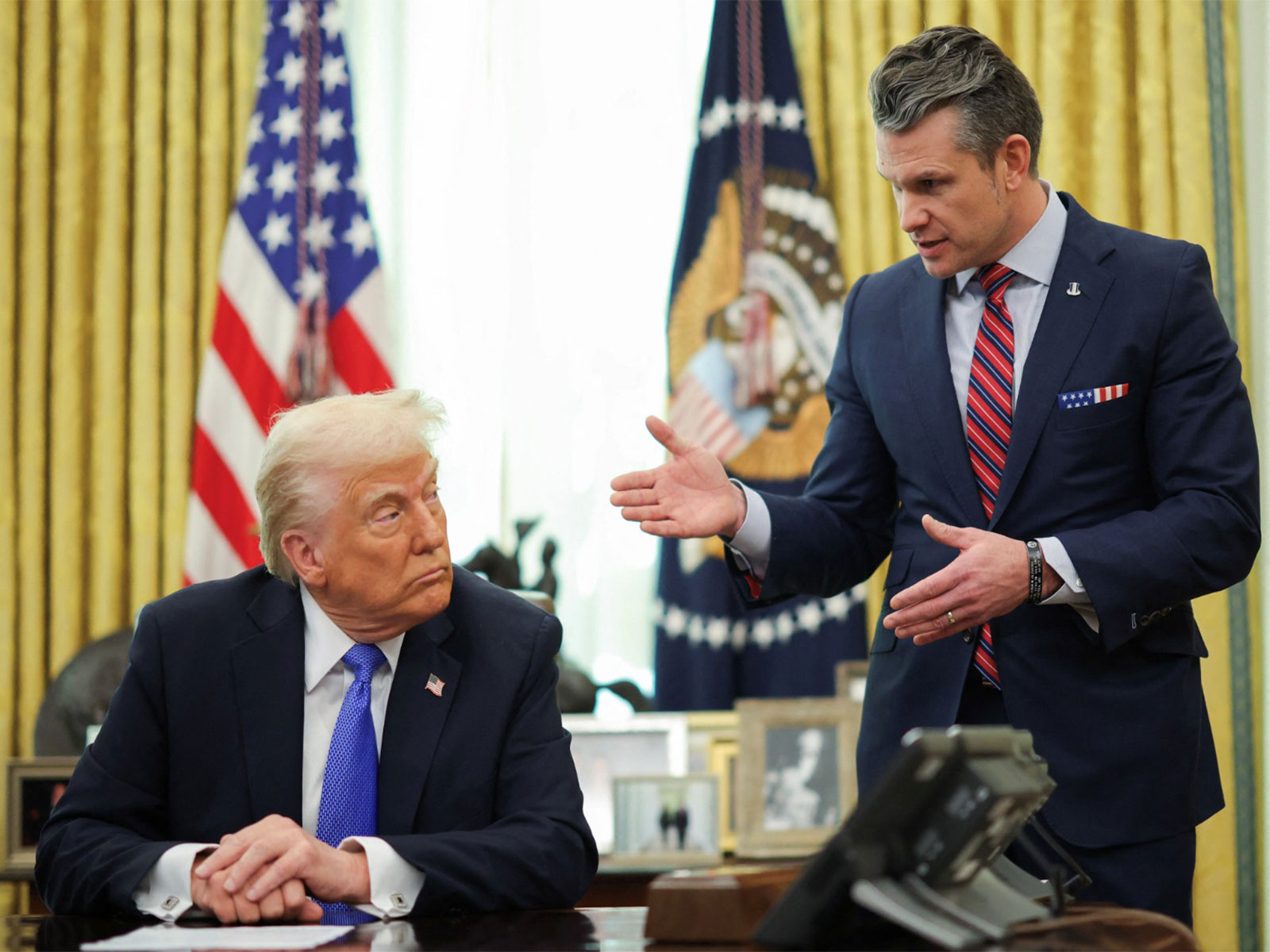
Washington [US], November 10 : United States President Donald Trump has called on the US Senate to expedite the confirmation of 161 pending administration appointments, placing particular emphasis on approving 25 federal judges awaiting clearance in the upper chamber.
In a direct appeal shared on Truth Social, Trump urged lawmakers to act swiftly on clearing the backlog of executive and judicial nominations to ensure full operational capacity across federal agencies and the judiciary.
"Very important for the U.S. Senate to confirm all of our pending 161 Nominations, including 25 Federal Judges. Thank you for your attention to this matter! President DONALD J. TRUMP," Trump posted.
Under Article II of the US Constitution, presidential nominations to cabinet positions, ambassadorships, and the federal bench require the "advice and consent" of the Senate before candidates can assume office.
This comes in the wake of Democrats sweeping back into commanding control of both the House of Representatives and the Senate in what has been widely characterised as a historic "blue wave", with the legislative balance of power fundamentally shifted.
These damaging losses pose a formidable obstacle for the remainder of Trump's presidential term, leaving a fully Democratic-controlled Congress poised to challenge the executive branch.
With Republicans suffering severe electoral losses, congressional Democrats are gearing up to advance ambitious policy proposals, unwind past executive actions and launch rigorous oversight investigations into the administration.
Nevertheless, their newfound majorities do not grant them unhindered legislative control, as the president retains a formidable constitutional safeguard: the power to veto legislation.
Under Article I, Section 7 of the United States Constitution, every legislative measure cleared by the House of Representatives and the Senate must reach the president’s desk before enactment.
The executive branch has a ten-day window, excluding Sundays, to sign a bill, return it with formal objections or permit enactment without a signature.
Should a regular veto be issued, the contested bill returns to its chamber of origin alongside presidential objections.
While Congress retains the constitutional authority to override such blocks, doing so demands a two-thirds supermajority in both the House and Senate, a threshold well beyond the simple majorities Democrats currently command and significantly higher than the standard passage requirement.
Historically, overrides remain rare, cementing the veto as a formidable institutional roadblock.
In addition to regular vetoes, the executive branch maintains the option of a pocket veto.
If a bill remains unsigned for the statutory ten-day period while Congress is adjourned, the measure automatically lapses without taking effect.
Unlike standard vetoes, pocket vetoes cannot be overridden by lawmakers, forcing proponents to restart the legislative process from the beginning.
Beyond direct legislative rejections, the White House can exert influence proactively through explicit veto threats or by issuing formal Statements of Administration Policy (SAPs) to signal executive opposition before bills reach the president's desk.
Even as the legislative battle lines are drawn, Democratic majorities are expected to utilise congressional oversight tools, including committee hearings, subpoena issuances and inquiries into federal spending, to challenge the administration independently of passing legislation.