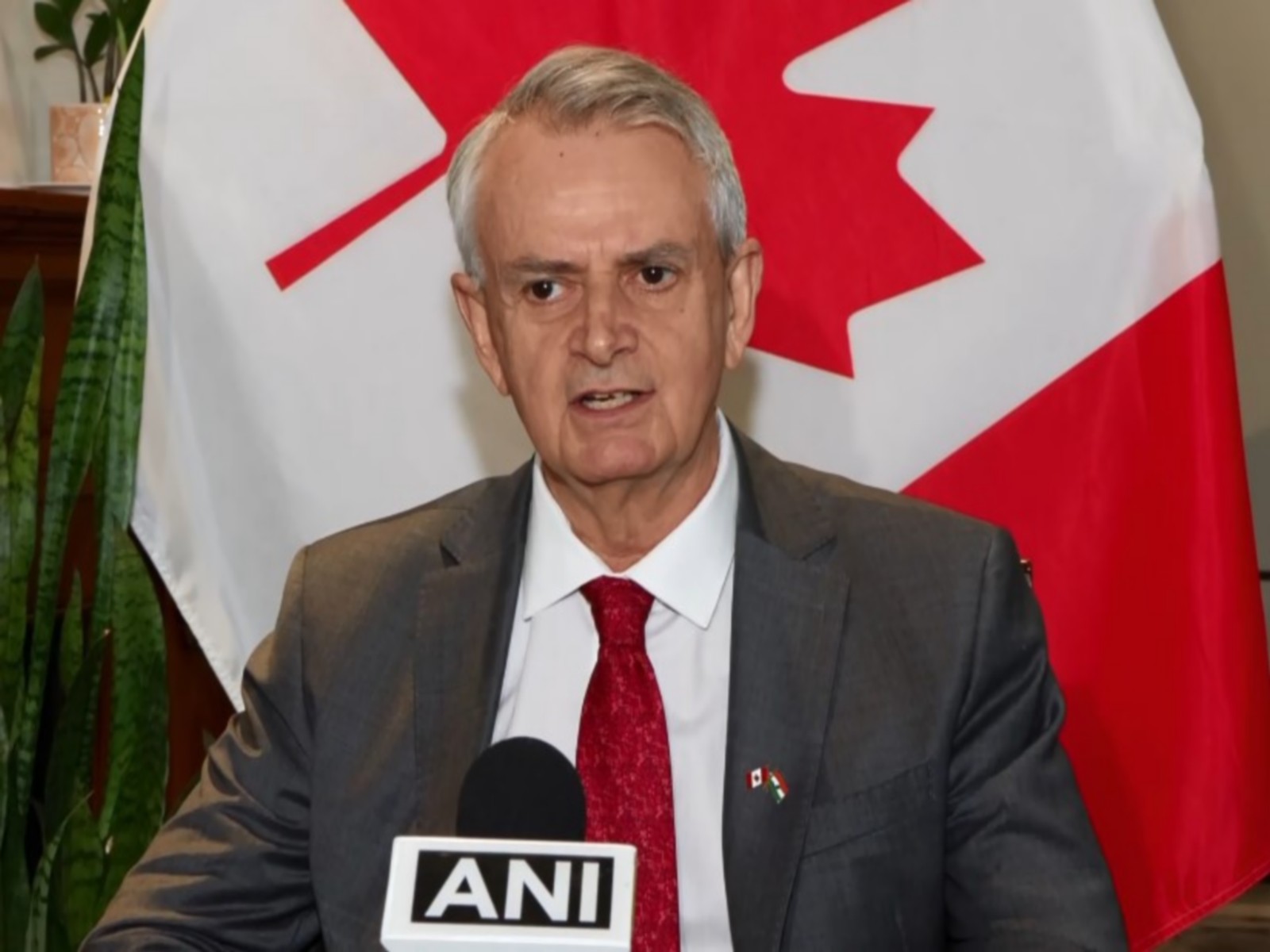
'Very realistic': Canadian envoy to India Chris Cooter backs 2026 CEPA deadline after G7 leaders' push
Jun 22, 2026
By Ayushi Agarwal
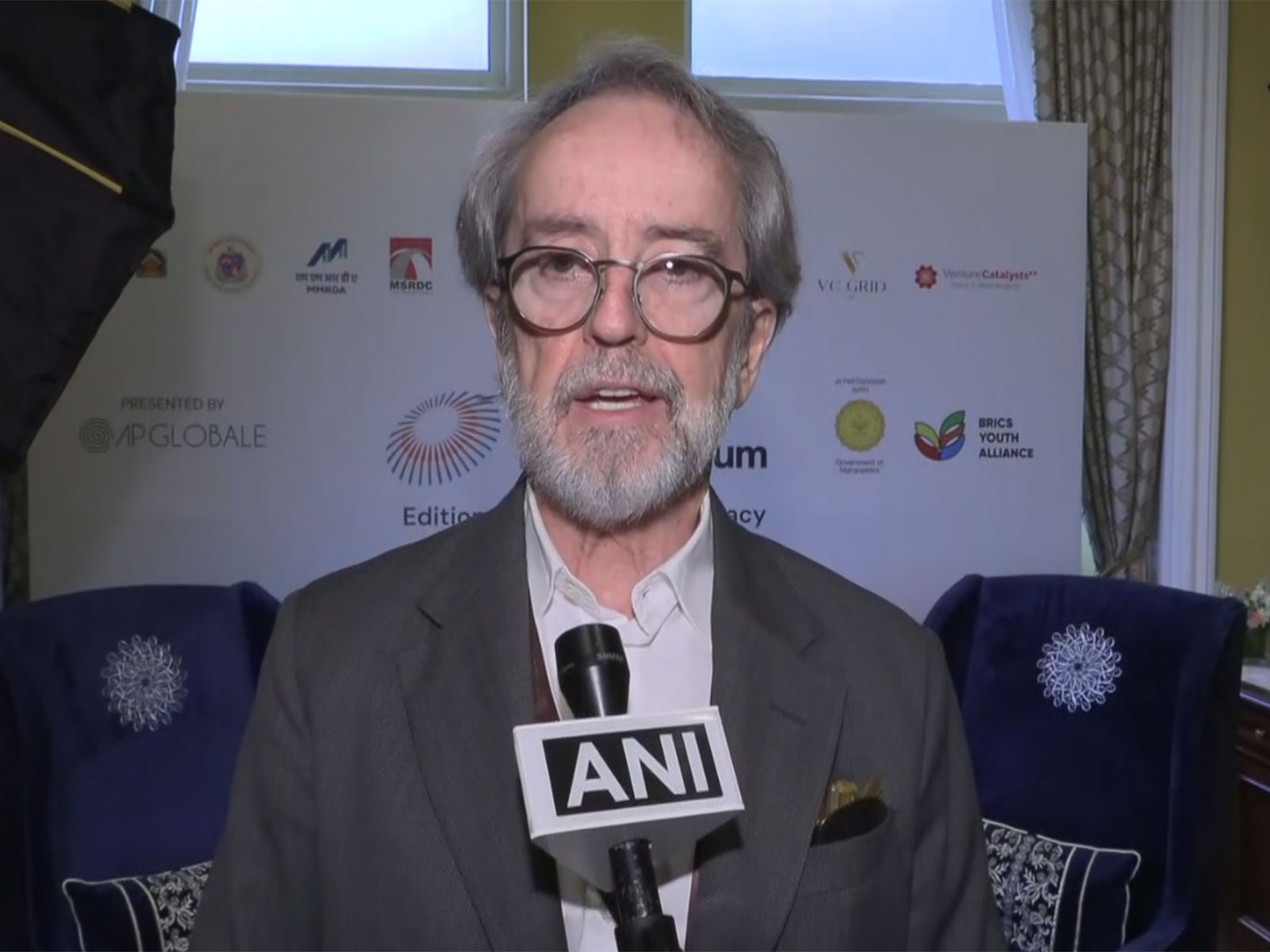
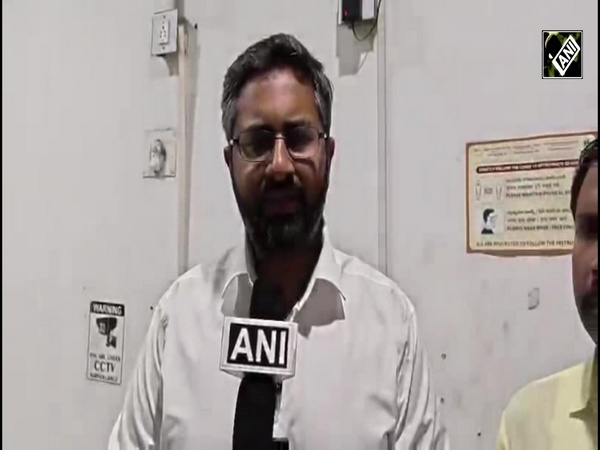
New Delhi [India], June 22 : Signalling renewed momentum in India-Canada ties, Canadian High Commissioner to India Chris Cooter has said the timeline for concluding the proposed Comprehensive Economic Partnership Agreement (CEPA) between India and Canada by the end of 2026 is "very realistic," underlining strong political and business momentum behind the negotiations.
His remarks come after Prime Minister Narendra Modi and Canadian Prime Minister Mark Carney met on the sidelines of the G7 Summit 2026 in France, where both leaders reaffirmed their commitment to conclude CEPA talks this year.
"I think it's very realistic. There are a couple of reasons for that. Probably the most important one is that our two Prime Ministers want it to happen," Cooter said in am exclusive interview with ANI on Monday, noting that both leaders have repeatedly emphasised the importance of the trade pact.
He added that negotiations have been actively progressing over the past few months. "The political will is there. We want to do this. We know we need it," he said.
According to the joint press release issued by India's Ministry of External Affairs, both Prime Ministers welcomed the "positive momentum" in bilateral ties and reviewed progress in economic cooperation, including commercial arrangements related to LNG, LPG and metallurgical coal.
Cooter highlighted that strong business interest on both sides is also pushing the agreement forward.
"The business community wants this to happen. We have trade that is respectable. It needs to be much, much bigger," he said.
Pointing to the scale of existing investments, Cooter said Canada currently has nearly $109 billion invested in India, accounting for almost 25 per cent of Canada's total investment in the Indo-Pacific, while Indian investments in Canada stand at around $11 billion.
Calling the current commercial relationship "modest" relative to its potential, he said sectors like critical minerals, defence and aerospace offer major growth opportunities.
"One of the things that's been striking about the relationship, the commercial relationship, is actually how modest it is, particularly in certain areas. You can look at critical minerals, defence, aerospace... it's nothing like the potential," he said.
Emphasising the economic logic behind the CEPA, Cooter said the agreement would go beyond traditional tariff reductions.
"It makes sense for us to have a free trade agreement, which we're calling a Comprehensive Economic Partnership Agreement, because it's more than just old-fashioned two-way trade. We want something broader," he said.
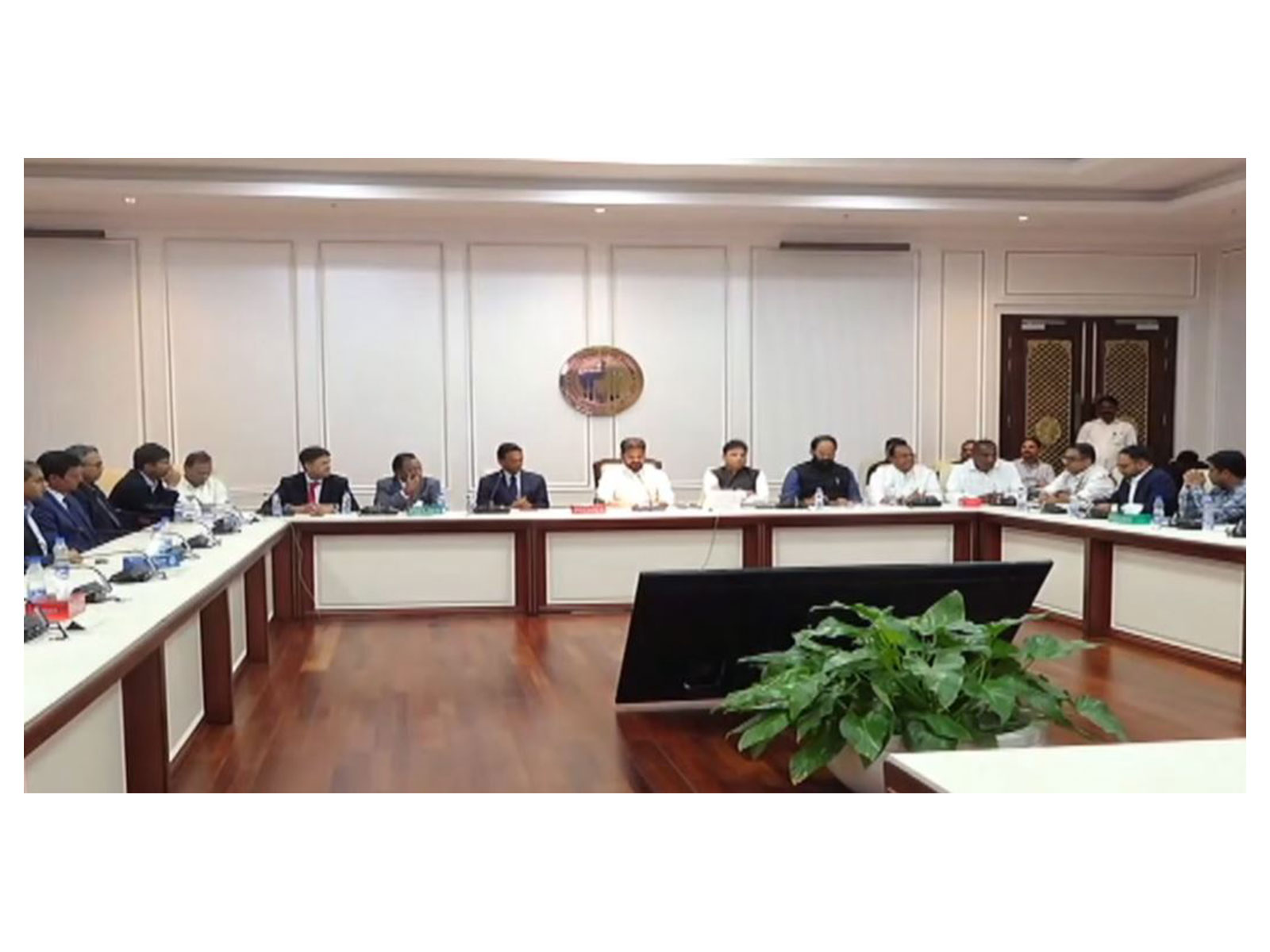
Notably, last month Union Minister of Commerce Piyush Goyal visited Canada with the largest indian business delegation in the country's history, showcasing India's commitment towards the relationship, and as New Delhi and Ottawa focus on resetting their ties to conclude the Comprehensive Economic Partnership Agreement (CEPA) by the end of this year.
Speaking to the press with Canada's International Trade Minister Maninder Sidhu, Piyush Goyal highlighted the steps taken from both sides to rejuvenate the relationship, mentioning Canadian Prime Minister Mark Carney's visit to India in February 2026, which he said set in "motion the pathway of this relationship."
Underlining the objectives, Goyal said that India not only aims to conclude the trade agreement by the end of this year but also wants to triple the trade between the two countries by 2030.
"We had the visit of Canadian PM Mark Carney in India just a couple of months ago. It completely changed the way India and Canada looked at each other. It has set in motion the pathway of this relationship, setting a new agenda, new goals in mission mode. I can clearly see the speed and intent of both sides.
"Our PMs (Indian PM Narendra Modi and Canadian PM Mark Carney) have tasked us with not only completing the free trade agreement with a comprehensive outlook before the end of this year or earlier but tripling our trade from a current USD 17 million to USD 50 million by 2030," he added.
During the G7 summit in France, Prime Minister Carney invited Modi to visit Canada later this year, with both sides expected to remain engaged diplomatically to finalise the visit. The proposed visit is seen as another step in consolidating the growing India-Canada partnership.