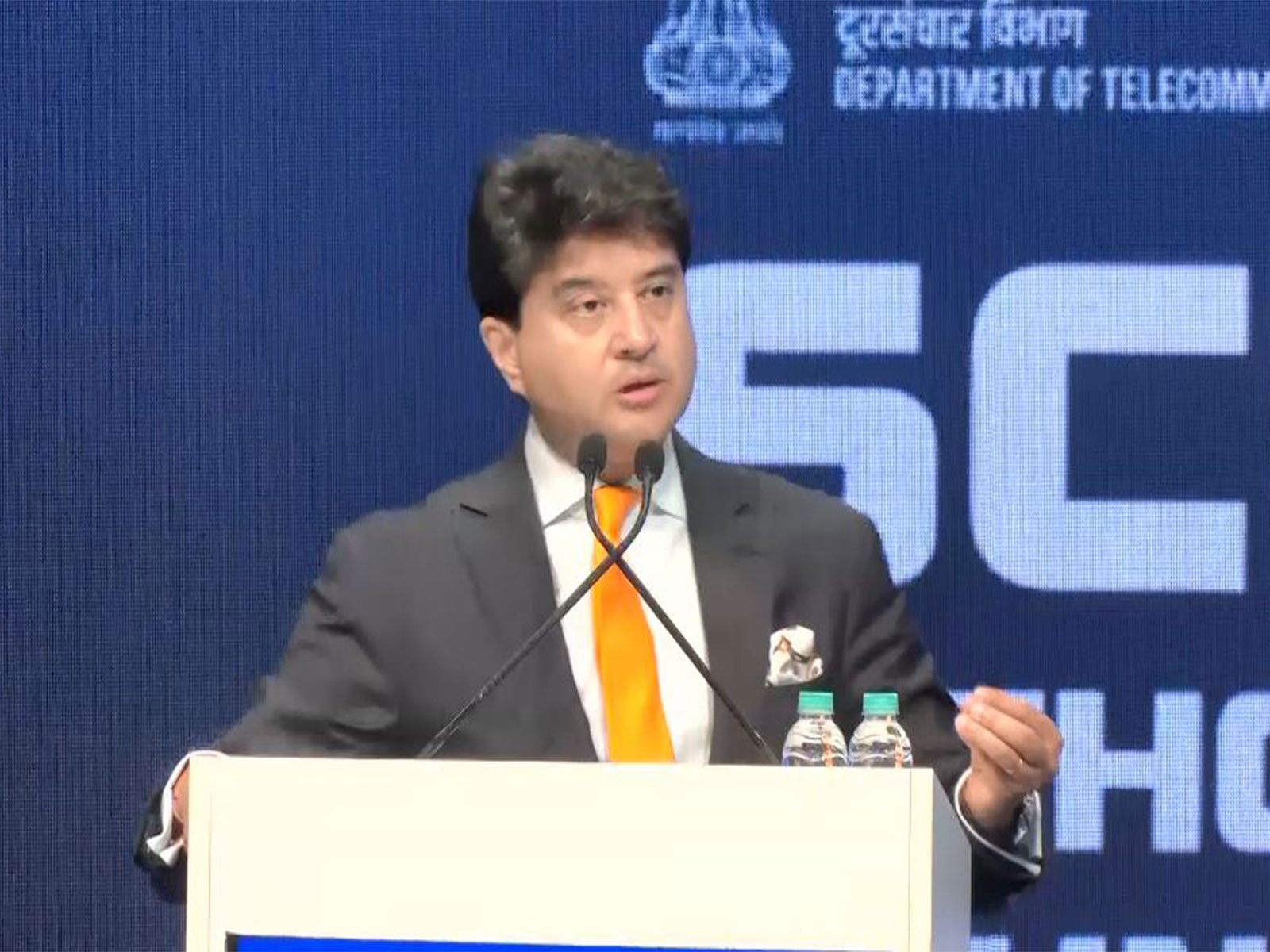
"We are partners in ecosystem": Jyotiraditya Scindia stresses govt-industry partnership at IMC 2026
Oct 08, 2026
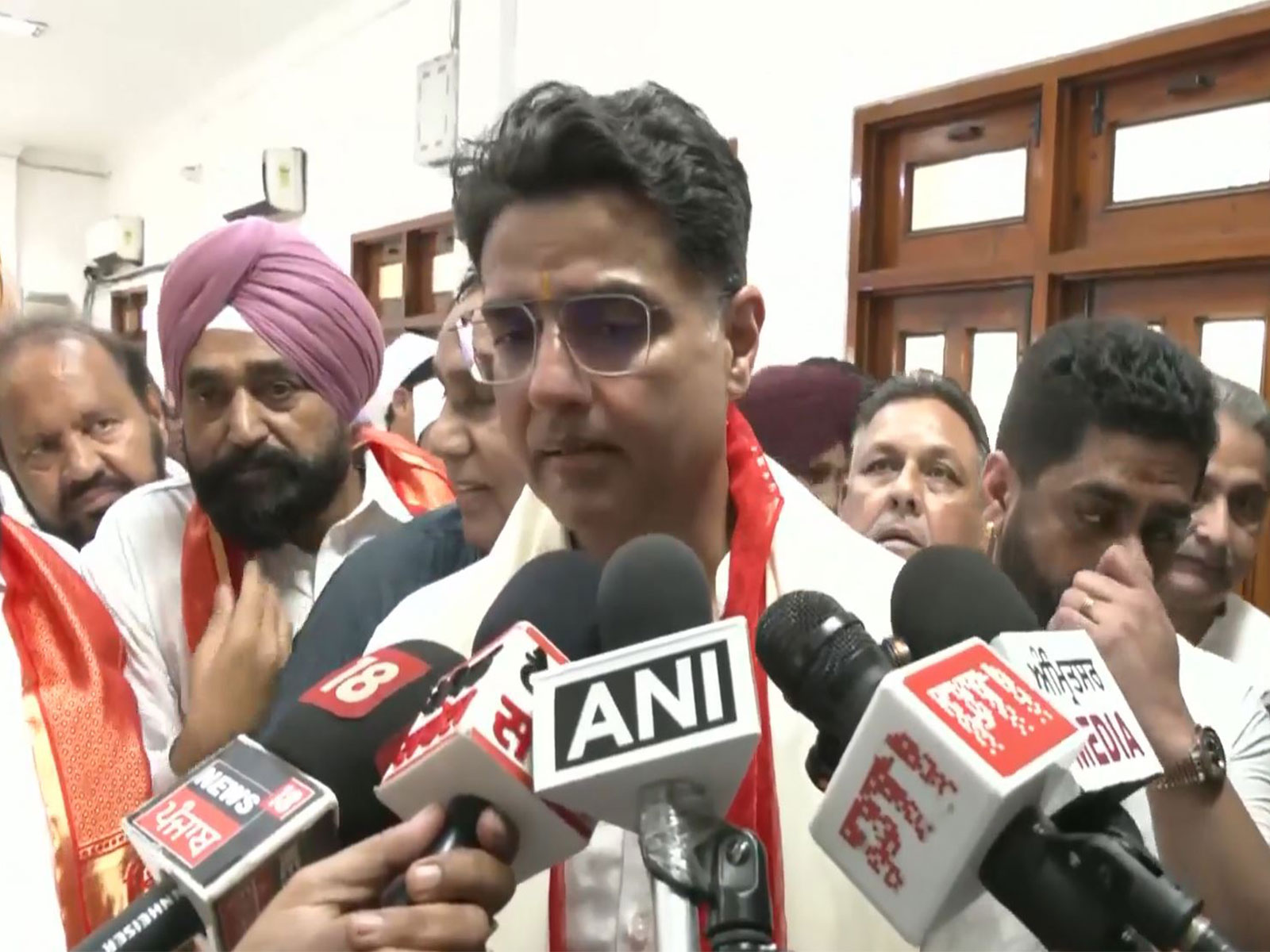
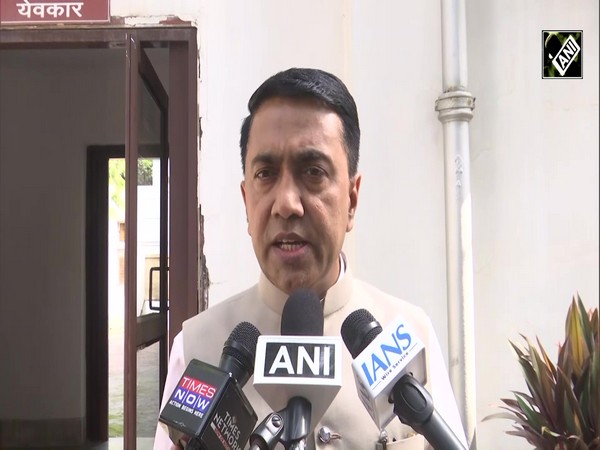
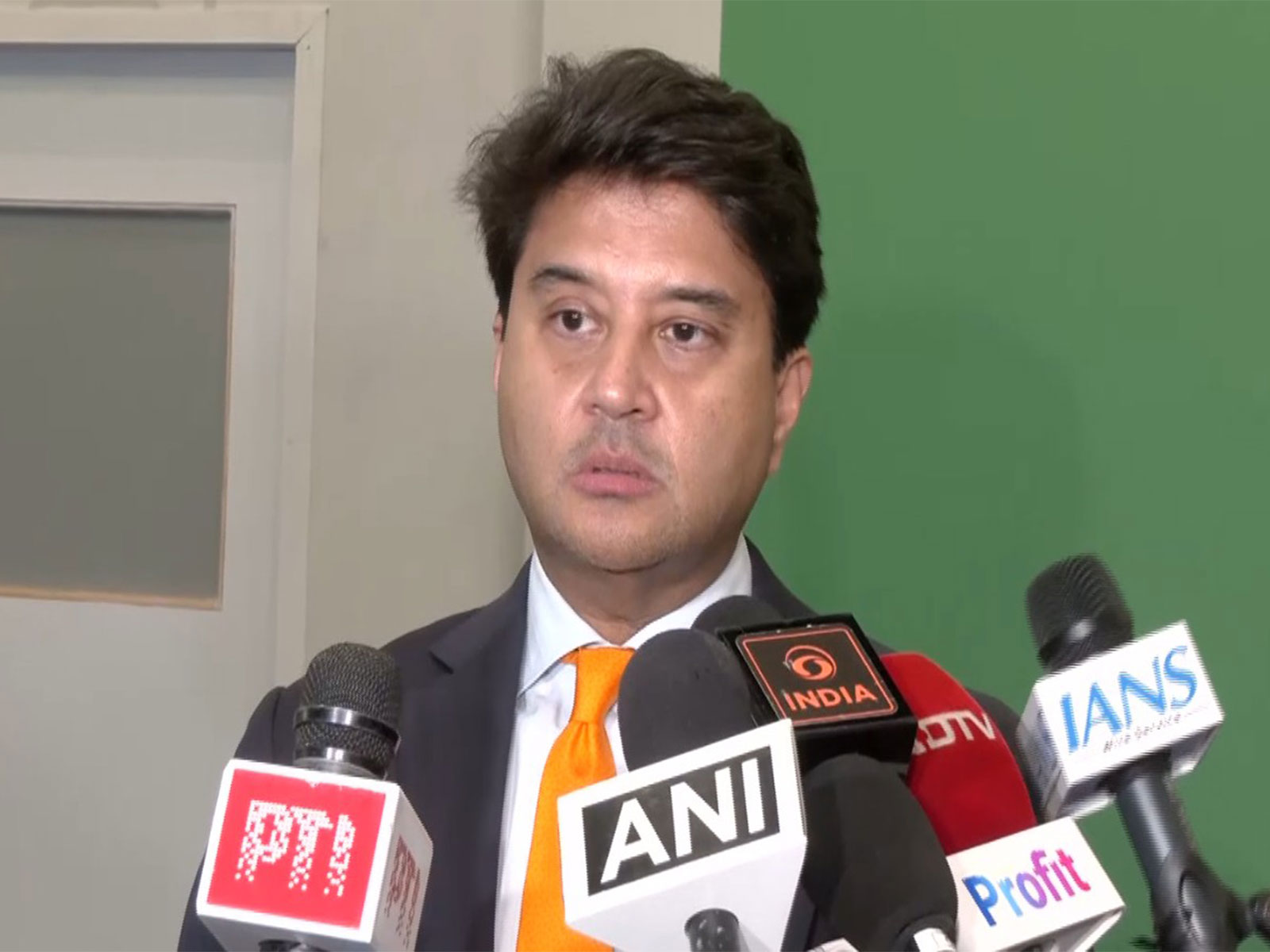
New Delhi [India], October 8 : Union Minister for Communications Jyotiraditya Scindia on Thursday said the government has moved from the role of a regulator to that of a facilitator and must work as a partner with all stakeholders across the telecom ecosystem.
Scindia made the remarks while participating in India Mobile Congress (IMC) 2026 and visiting the Airtel Arena, where Bharti Enterprises Founder and Chairman Sunil Bharti Mittal briefed him on Airtel's offerings across cloud, data centres and security.
Highlighting the changing role of the government in the telecom sector, Scindia said the success of the sector was linked to the combined success of all stakeholders, including network equipment and optical fibre manufacturers, telecom operators, internet service providers and application and platform companies.
He said, "From its earlier role of being a regulator to its new avatar of being a facilitator. We are partners in the ecosystem, whichever vertical you may look at, and success is defined by the combined success of the ecosystem. And therefore, if you look at the telecom space, there are three or four very clear verticals within the value chain. There are the network equipment manufacturers or the OFC manufacturers. There are the telcos and the service providers, the ISPs, the telcos, and so on and so forth. And then there are the value addition, which are the applications and the platforms that run on that infrastructure, such as AI and so on and so forth."
Scindia said the government should engage with industry stakeholders as an equal partner, stressing that such an approach was essential for the success of the ecosystem.
"I think government has to play a role in terms of sitting across the table, and I want to emphasise that a little: not a rectangular table, but a round table, because then the concept of partnership succeeds. And the second thing that I try to do is make sure that the minister does not sit at the head of the table. The minister sits in the middle of the table, and therefore dons that role of a partner. What the Government of India has done in the last two and a half to three years has been historic. We had a Telecommunications Act that was made, imagine, in 1885. That's close to 140 years ago or more. Look how the industry has changed, and the landscape has changed. In 2023, we brought in the new Telecommunications Act, and that new Telecommunications Act was future-forward-facing as opposed to being past-facing. And what do I mean by that? Three or four main pillars," he said.
Elaborating on the changes brought through the new Telecommunications Act, Scindia said the government had simplified the regulatory framework and introduced greater transparency for service providers.
The Union Minister said, "First, the architectural framework was completely changed, where earlier licenses used to be broken up into different categories, made it very simple from a regulatory standpoint, made the process very transparent, and put in place a migratory system for current service providers that was very transparent to all."
Scindia also highlighted India's digital connectivity and the expansion of telecommunications infrastructure, pointing to the growth in data usage, digital public infrastructure and digital transactions.
He asserted, "India’s monthly data usage has now reached 6 GB per user, a level described as higher than that of many of the world’s most advanced economies. This demonstrates that digital scale need not come at the cost of affordability. However, connectivity alone is not the destination. A network becomes truly meaningful when it expands human capability. India has therefore combined its telecommunications infrastructure with population-scale digital public infrastructure. Aadhaar has empowered 1.4 billion people, while the country’s UPI and digital stack process around 20 billion transactions a month. In the last fiscal year, UPI processed 260 billion transactions worth USD 3.4 trillion. Today, 84 per cent of India’s digital transactions take place on UPI, while an estimated 49 per cent of the world’s digital transactions happen in India, highlighting the scale of the country’s digital transformation."
The Union Minister further outlined the expansion of broadband and rural connectivity, as well as the decline in the cost of mobile data over the past decade.
"India has witnessed a significant expansion in broadband and rural connectivity, with over 550 million rural telephone connections. More than 99 per cent of villages have 4G connectivity, while over 516,000 5G base transceiver stations have taken 5G services to 99.9 per cent of districts and 86 per cent of the population. The most significant transformation has been in affordability, which has been central to expanding communication and enabling economic empowerment. The cost of 1 GB of data has fallen from roughly Rs 270 about a decade ago to around Rs 8 today, representing an approximately 97 per cent decline. This sharp reduction in data costs has resulted in a dramatic increase in consumption. Monthly data usage per subscriber has risen around 140 times, from 0.26 MB in 2014 to current levels, demonstrating the scale of India’s digital transformation," he added.