"We hit them very hard": Trump says latest US strikes on Iran honour troops killed in conflict
Jul 20, 2026
Washington, DC [US], July 20 : The United States and Iran sustained reciprocal missile and air strikes, with the hostilities showing no indication of de-escalating following the breakdown of a preliminary ceasefire effort.
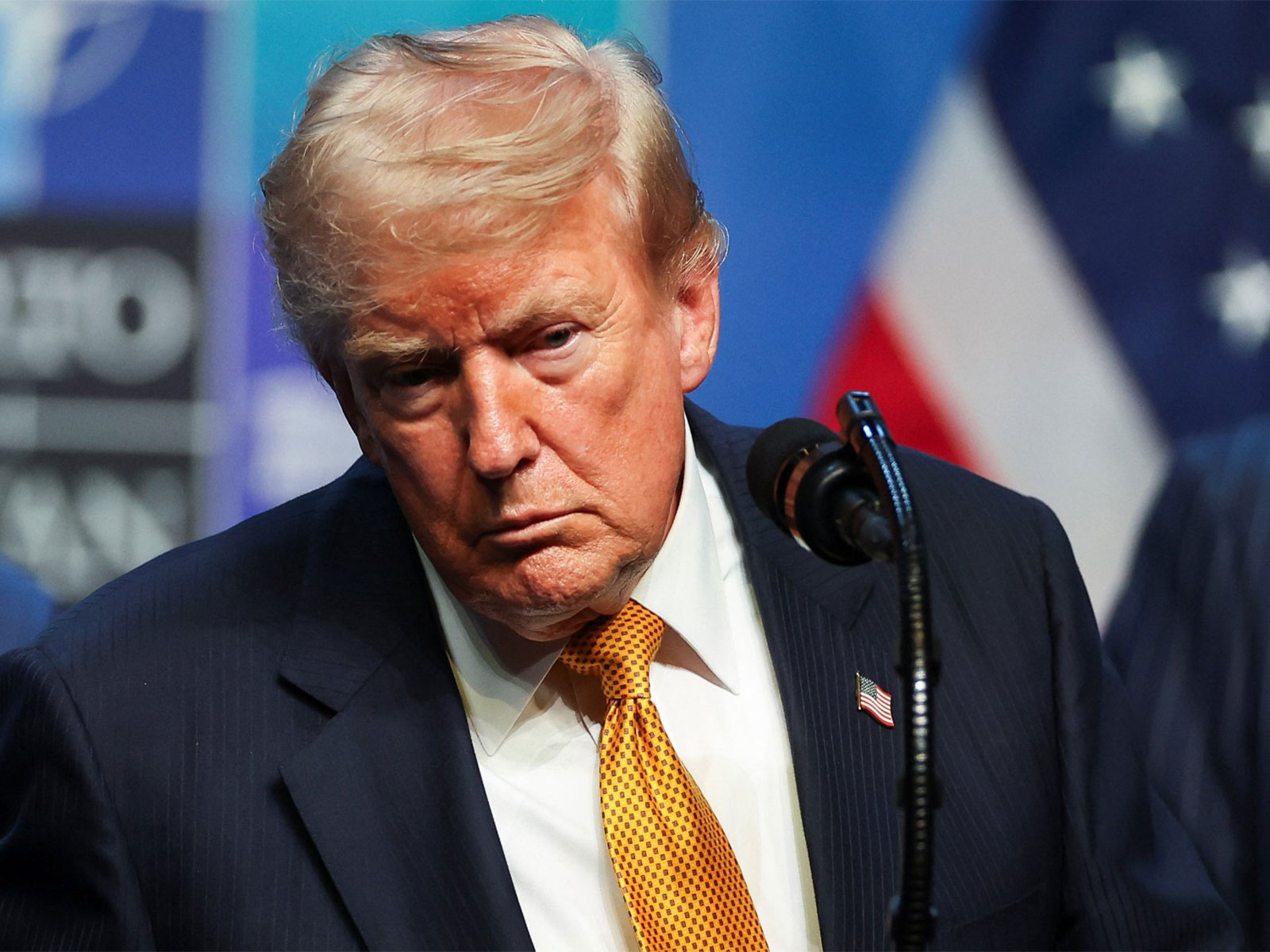
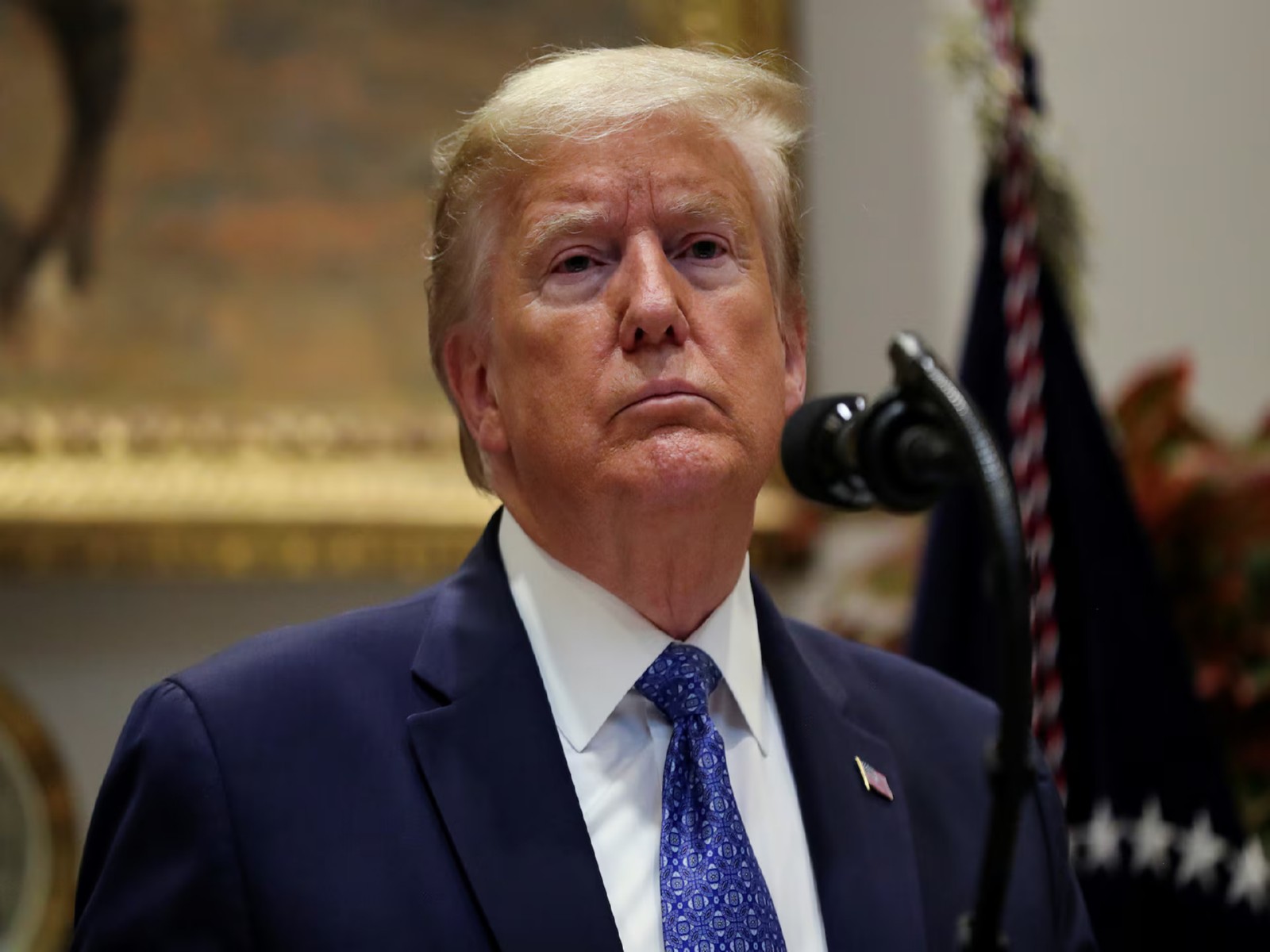
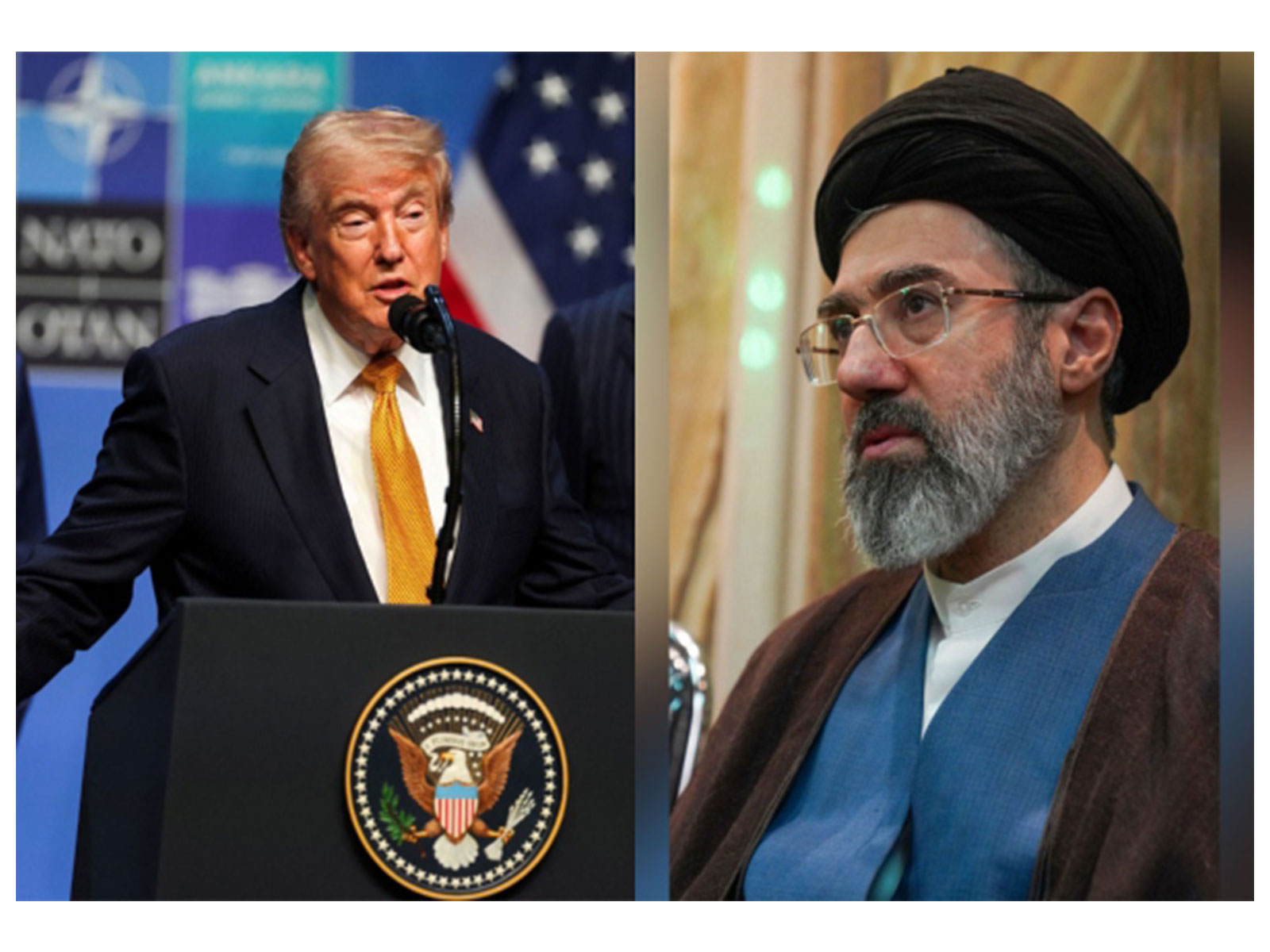
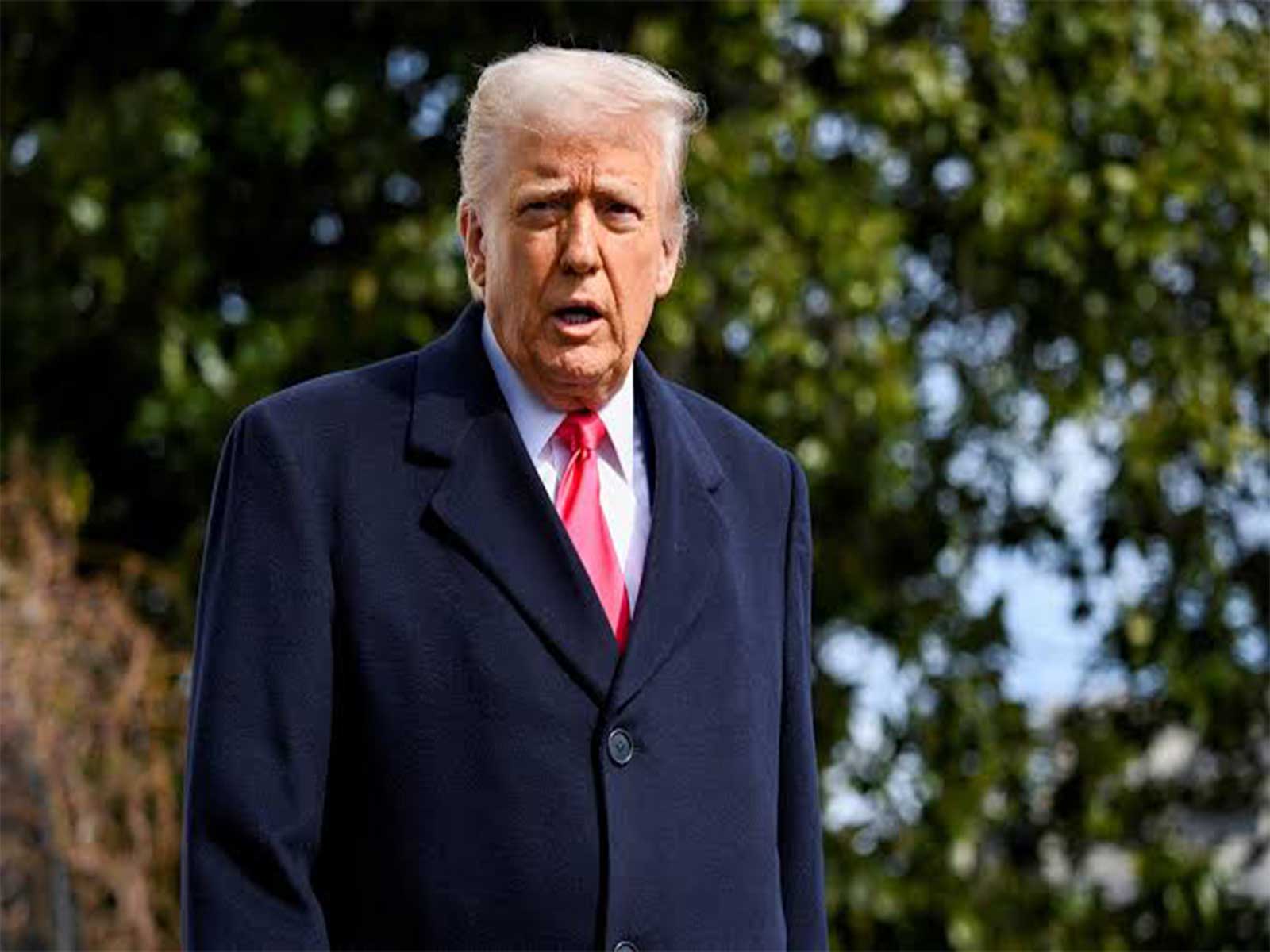
Amid the intensifying conflict, US President Donald Trump stated that the most recent wave of American military operations was launched in memory of the American troops killed over the past few days.
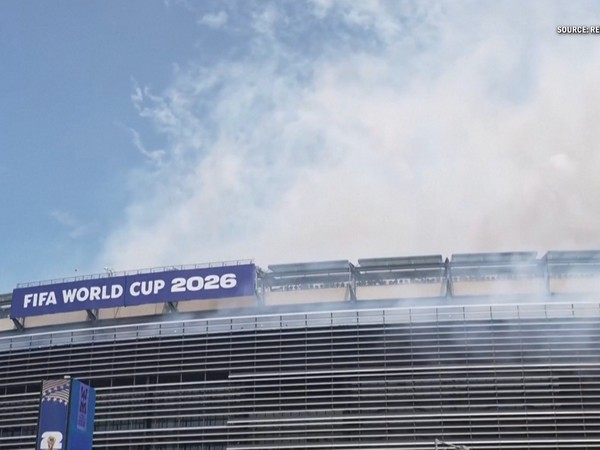
"We hit them very hard again tonight, and we did that in honour of the, probably three, it's probably three great patriots," Trump informed journalists after arriving back in Washington from the FIFA World Cup final.
When questioned regarding the recent casualties, Trump noted that the United States "feels very badly" and stated that the troops were engaged in combat to guarantee that "Iran cannot have a nuclear weapon."
The fresh wave of strikes follows Washington's efforts to "punish" Tehran after the American military suffered its initial fatalities since open conflict broke out in West Asia.
A preliminary pact designed to halt the fighting has subsequently collapsed, leaving both nations embroiled in a volatile standoff focused on the Strait of Hormuz, a critical global oil transit bottleneck.
Iran claimed it targeted two US military installations in Kuwait with missile strikes, asserting that it was in retaliation for over a week of American operations that it alleged had struck transport infrastructure and civilian sites, including an "under-construction nuclear power plant."
Concurrently, Jordan stated that it had downed missiles, a day after the US military disclosed that two American troops were killed and another was unaccounted for while countering Iranian ballistic missile and drone strikes within Jordanian territory.
As the theatre of conflict expanded, US Central Command announced that another American service member was killed in northern Iraq during the disposal of unexploded ordnance from an intercepted Iranian drone.
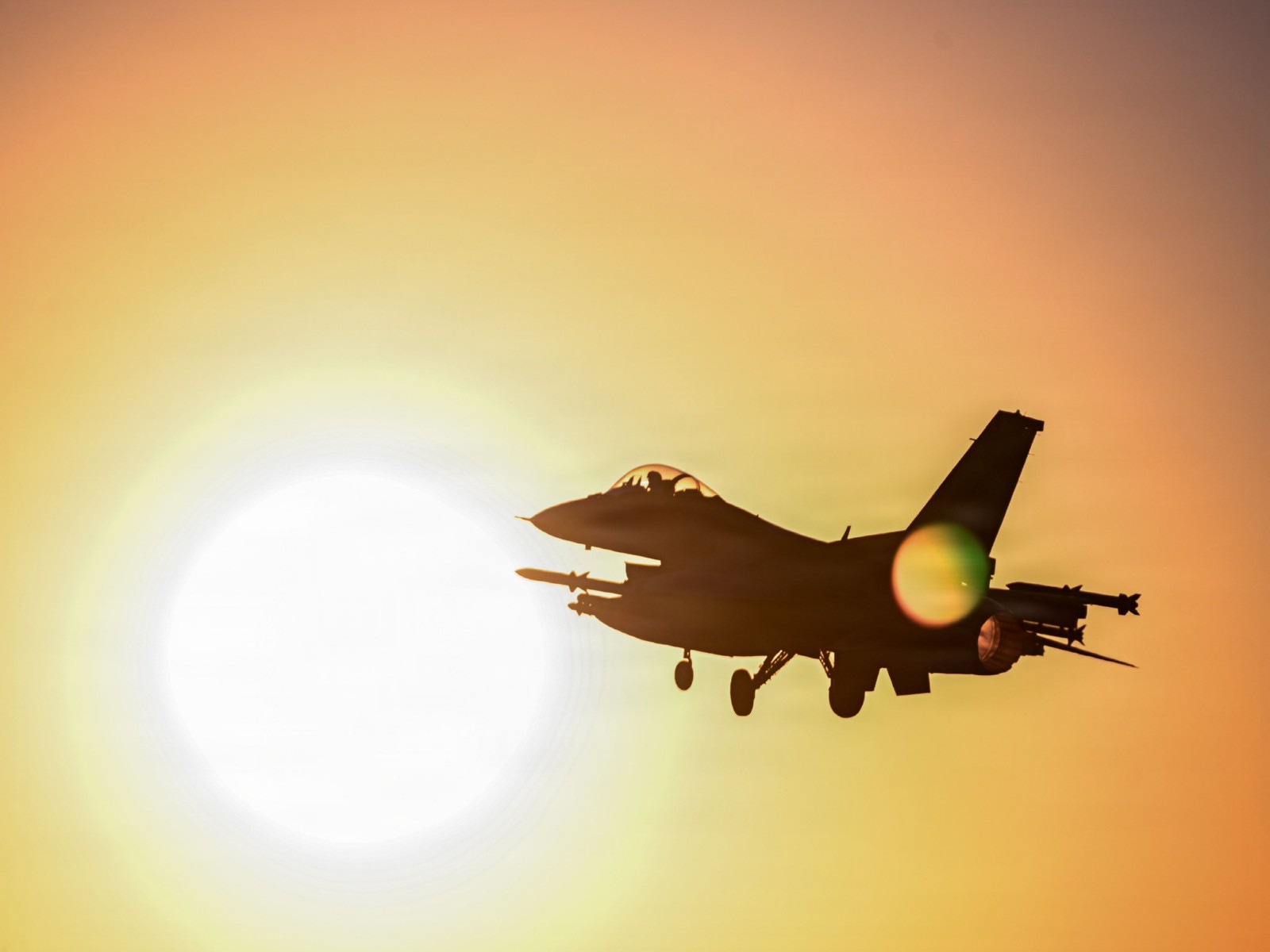
The command also verified that it executed a ninth successive night of bombardments inside Iran, stating that the missions were designed to "swiftly punish Islamic Revolutionary Guard Corps forces who launched attacks against American service members."
The casualty reported on Saturday raises the verified tally of US military deaths to 17 since Washington and Israel initiated their operations against Iranian targets with an initial wave of strikes on February 28.
US Central Command stated on Sunday that two American troops were killed in Jordan on Friday, adding that unidentified human remains had been retrieved from the impact location.
The expanding hostilities have progressively pulled adjacent Middle Eastern nations into the geopolitical crisis.
Jordan stated that its forces, operating in tandem with the Israeli military, downed an Iranian missile tracking towards the port city of Aqaba. Prior to the interception, the US Embassy in Amman had issued a warning regarding a "specific and credible threat" aimed at the city's port and airport infrastructure.
Israeli Defence Minister Israel Katz cautioned that any Iranian missile strike directed at Israel would face "full force," affirming that Israel remained equipped for both defensive and offensive operations if required.
Amman subsequently summoned the Iranian charge d'affaires to formally protest what it characterised as persistent Iranian aggression against the kingdom.
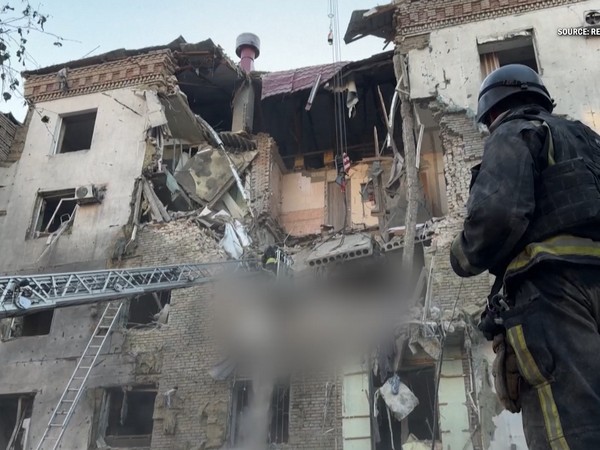
Elsewhere in the Gulf region, Kuwait reported that a power and desalination facility was struck for a second consecutive day, sparking a blaze. The Bahraini military also announced that it had thwarted multiple Iranian aerial incursions, alleging that Tehran was intentionally targeting civilian areas.
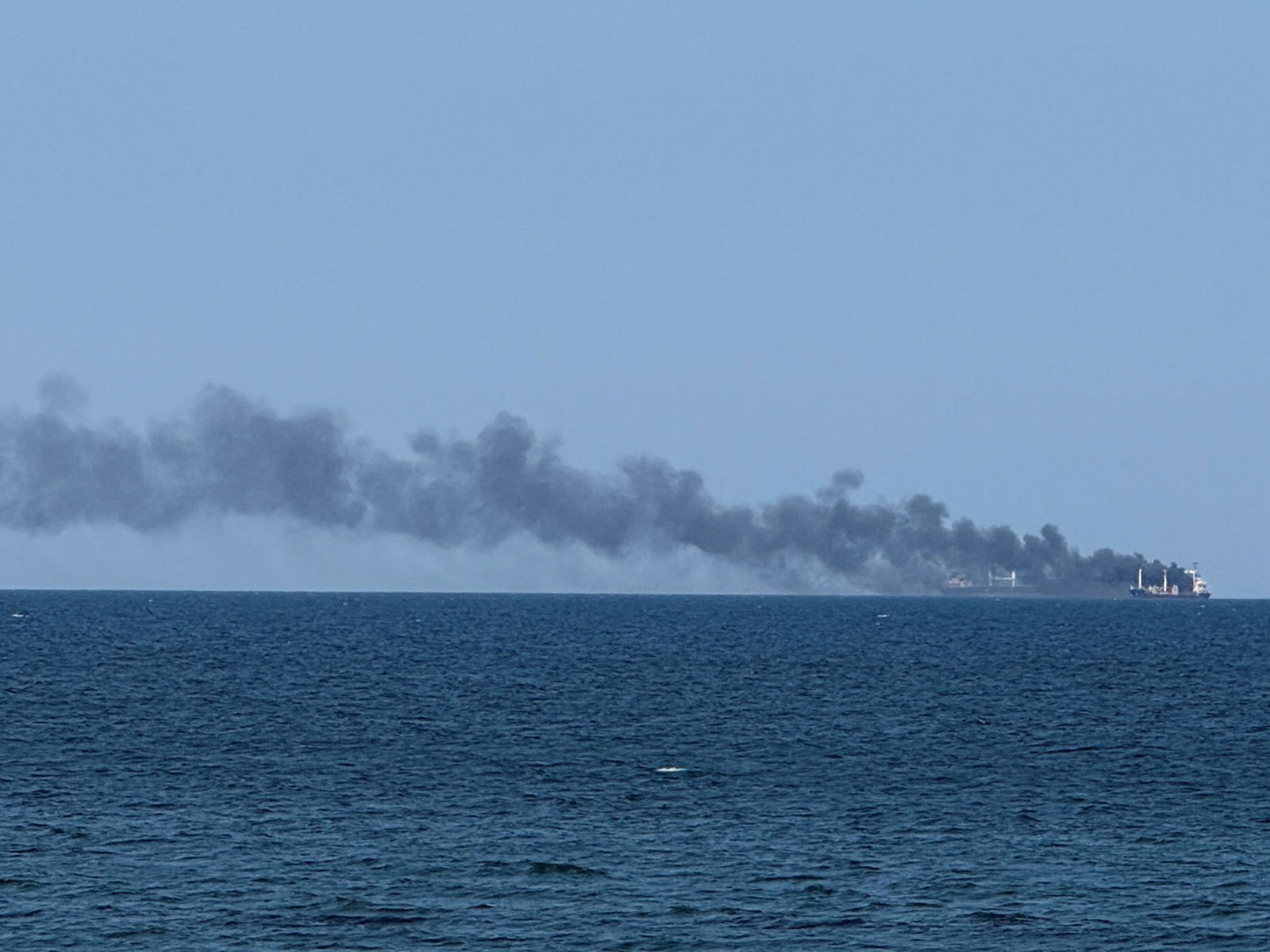
The strategic friction remains centred on the Strait of Hormuz, a maritime corridor facilitating the passage of a major portion of the global oil supply.
Iran blocked the waterway at the onset of the hostilities and has attempted to leverage its control over the transit route during diplomatic exchanges with Washington.
On Sunday, the Revolutionary Guards declared that they had intercepted two vessels attempting to traverse the channel via an "unsafe route," while two alternative ships reversed course.
The Guards claimed that the maritime vessels were executing manoeuvres backed by "American terrorists" to interfere with commercial shipping lines.
Although international brokers persist in trying to steer both adversaries back to diplomatic talks, the prospects of a negotiated breakthrough continue to diminish.
Iran's Supreme Leader Mojtaba Khamenei promised to inflict "unforgettable lessons" upon the United States, while central military commander Ali Abdollahi cautioned that any subsequent American strikes would provoke a "decisive and devastating response."