"Won't criticise BJP over insufficient funds to states, only target DMK which has performed well": Elangovan on White Paper
Jun 17, 2026
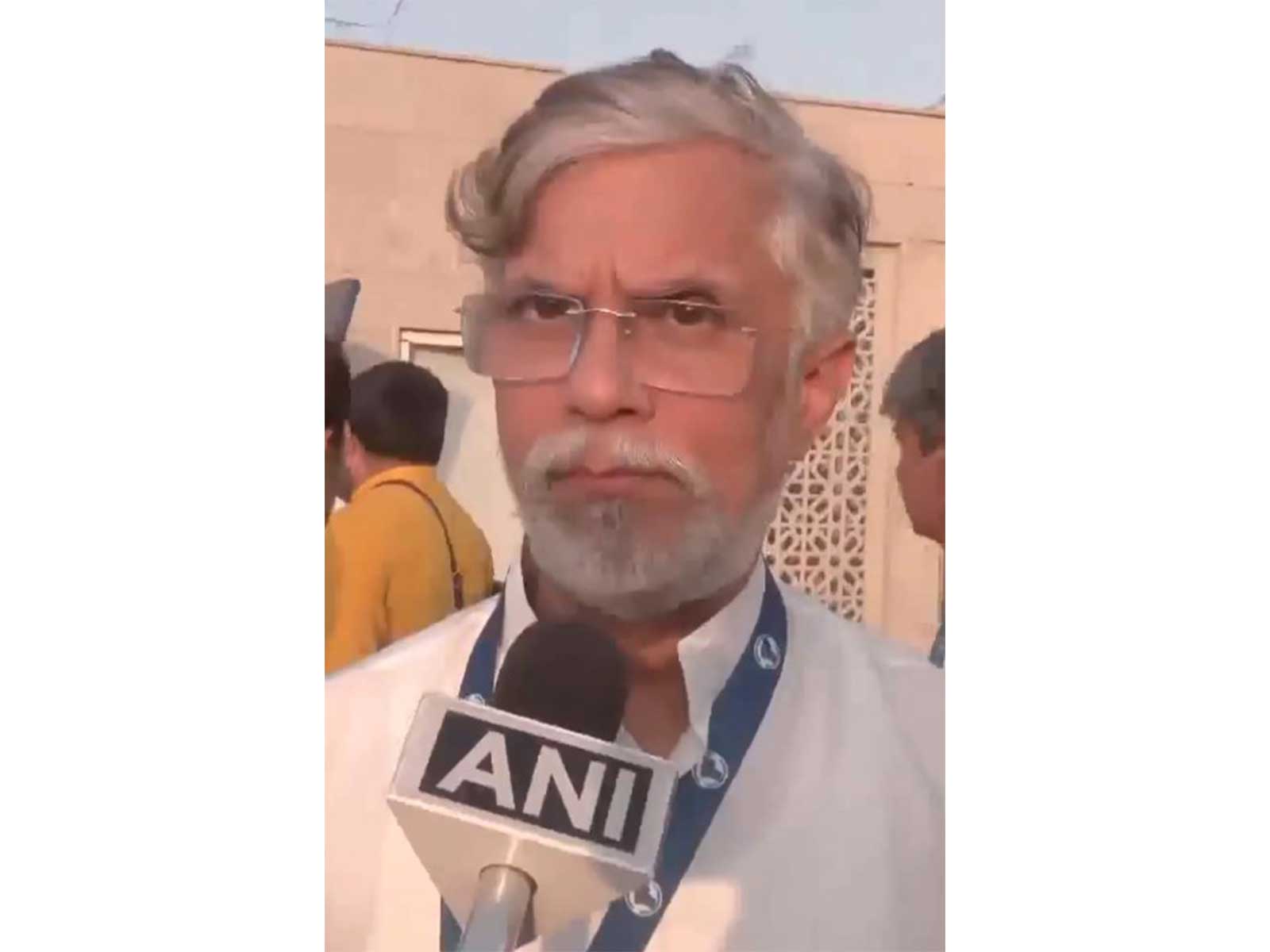
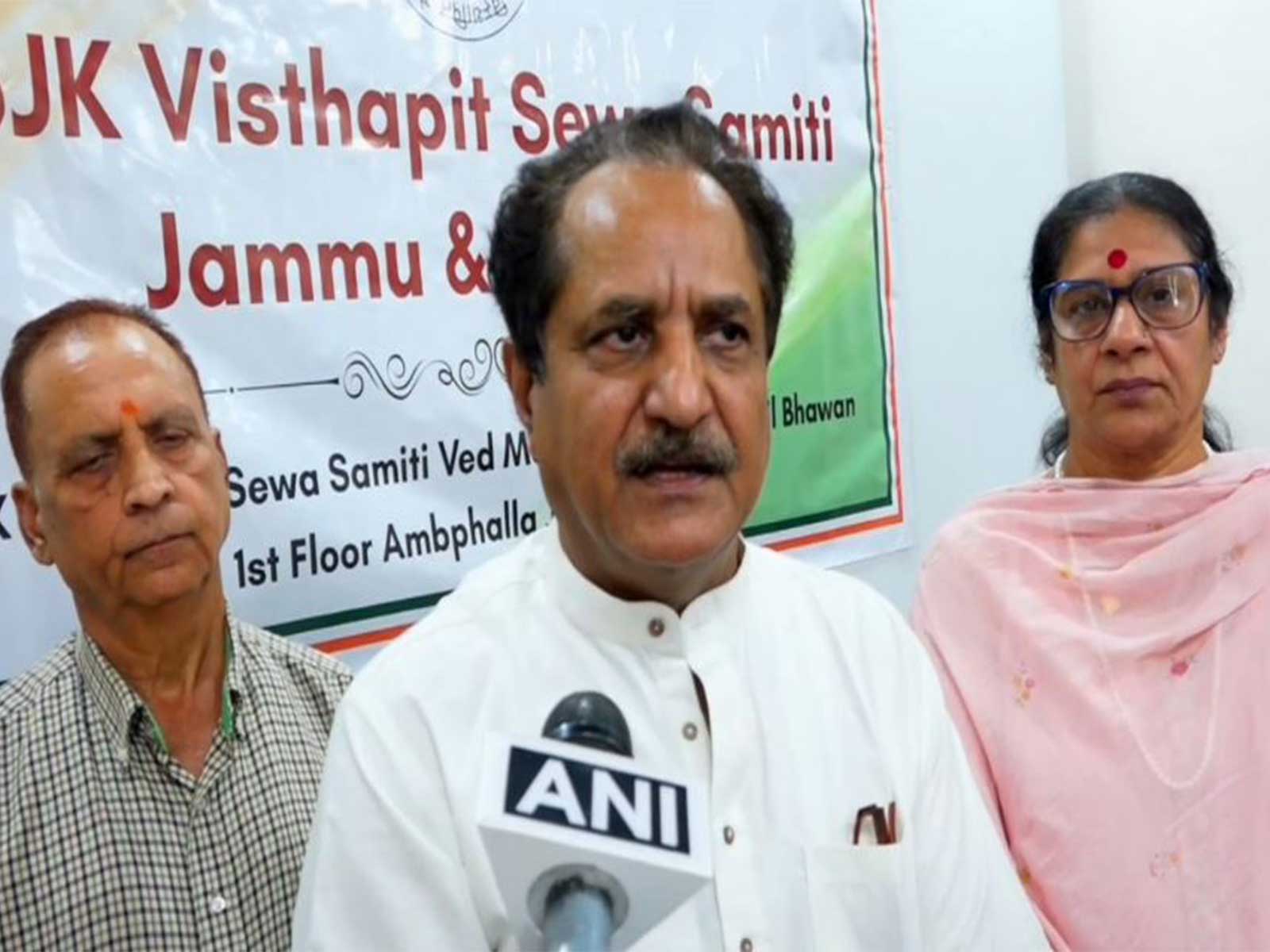
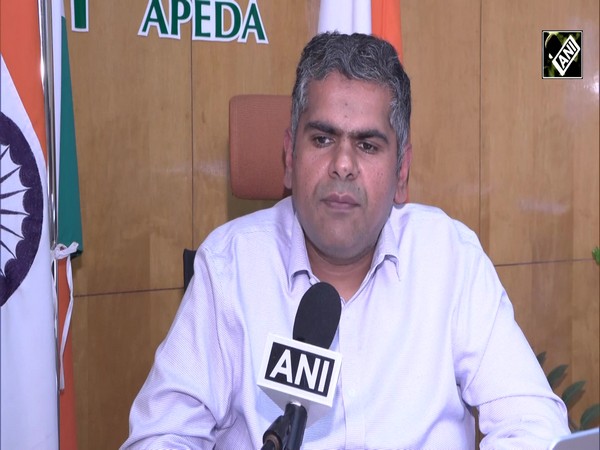
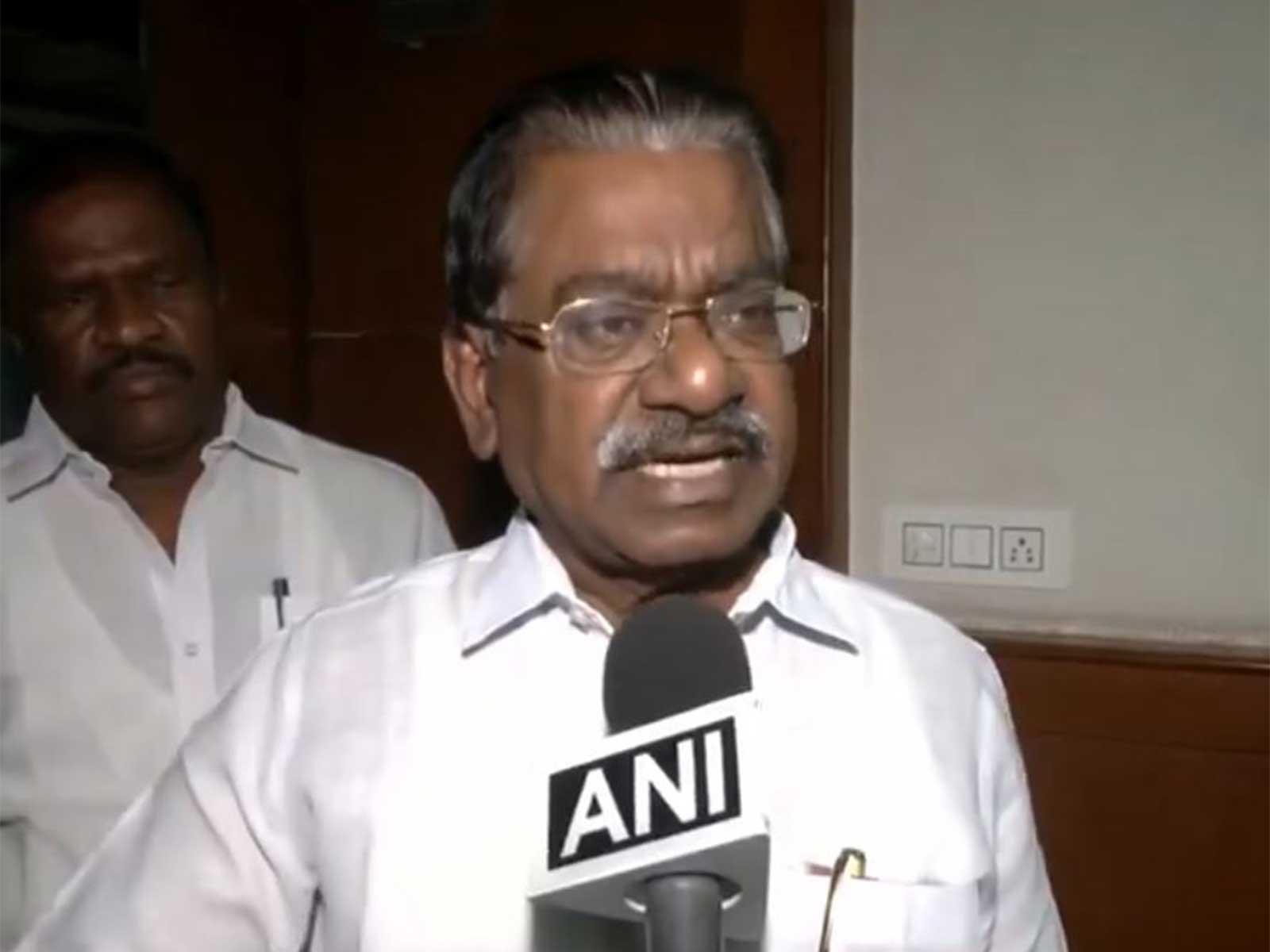
Chennai (Tamil Nadu) [India], June 17 : DMK leader TKS Elangovan on Wednesday criticised the release of a 'White Paper' on Tamil Nadu's fiscal position, alleging that it was politically motivated and selectively targeted the DMK government while avoiding criticism of the Centre.
Reacting to the document released by the state government, Elangovan said the Opposition was unwilling to question the Union government over financial allocations to states.
"We know that they do not care about what is actually happening. They do not want to talk about the Government of India not giving sufficient funds to the states because they are afraid of the BJP Government," he told ANI.
He further alleged that the White Paper was intended to corner the DMK politically despite the state's economic performance. "They are simply not willing to criticise the BJP Government. Their White Paper is meant only to criticise the DMK Government, which has performed well," Elangovan said.
"Economic indicators show that Tamil Nadu is the second-largest state in terms of its contribution to the national GDP. The economy has also improved, making it the top-performing state," he added.
Elangovan also said the previous DMK government had prioritised welfare measures for the poor and vulnerable sections of society. "It supports all poor and needy people, which is essential, as the role of a democratic government is to help citizens in need," he said.
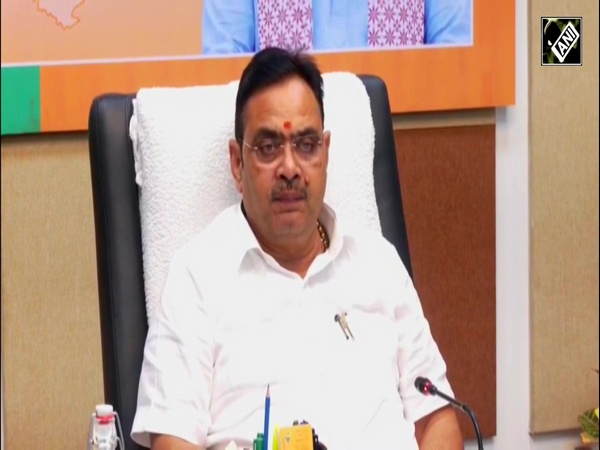
His remarks come after Tamil Nadu Finance Minister Marie Wilson on Tuesday released a 'White Paper' regarding the state's fiscal position.
Tamil Nadu's debt burden has increased over the past five years, with the state's debt-to-GSDP (Gross State Domestic Product) ratio reaching 28.3 per cent in 2025-26 (Revised Estimates), according to figures released in the State government's fiscal white paper.
Wilson described the state's fiscal situation as a "man-made disaster" and alleged administrative failure and corruption, while assuring that welfare schemes would continue under the current government.
The Finance Minister also flagged concerns over long-term structural pressures, including an ageing population, projected decline in the working-age population, and rising dependency ratios, which could increase welfare and healthcare spending in the coming decades.
The report highlighted a "scissors effect" between shrinking revenue and rising expenditure, warning that delayed fiscal reforms could push the state towards higher borrowing and fiscal stress.
It also pointed to post-COVID financial strain, including welfare commitments such as free bus travel for women, crop loan waivers, scholarships, and expanded social security schemes, with annual spending estimated at around Rs 25,000 crore.
Further concerns included delays in tax reforms, revenue leakages in commercial taxes, undervaluation of stamp duty rates, lower excise revenue compared to other states, and losses in the mining sector.
The White Paper also noted a decline in capital expenditure as a share of GSDP, financial stress in public sector enterprises, rising subsidies in the power sector, increasing liabilities of transport undertakings, and growing borrowings by the Tamil Nadu Civil Supplies Corporation.