"Work to be done": Netanyahu demands removal of Iran's uranium stockpile, warns conflict "not over"
May 10, 2026
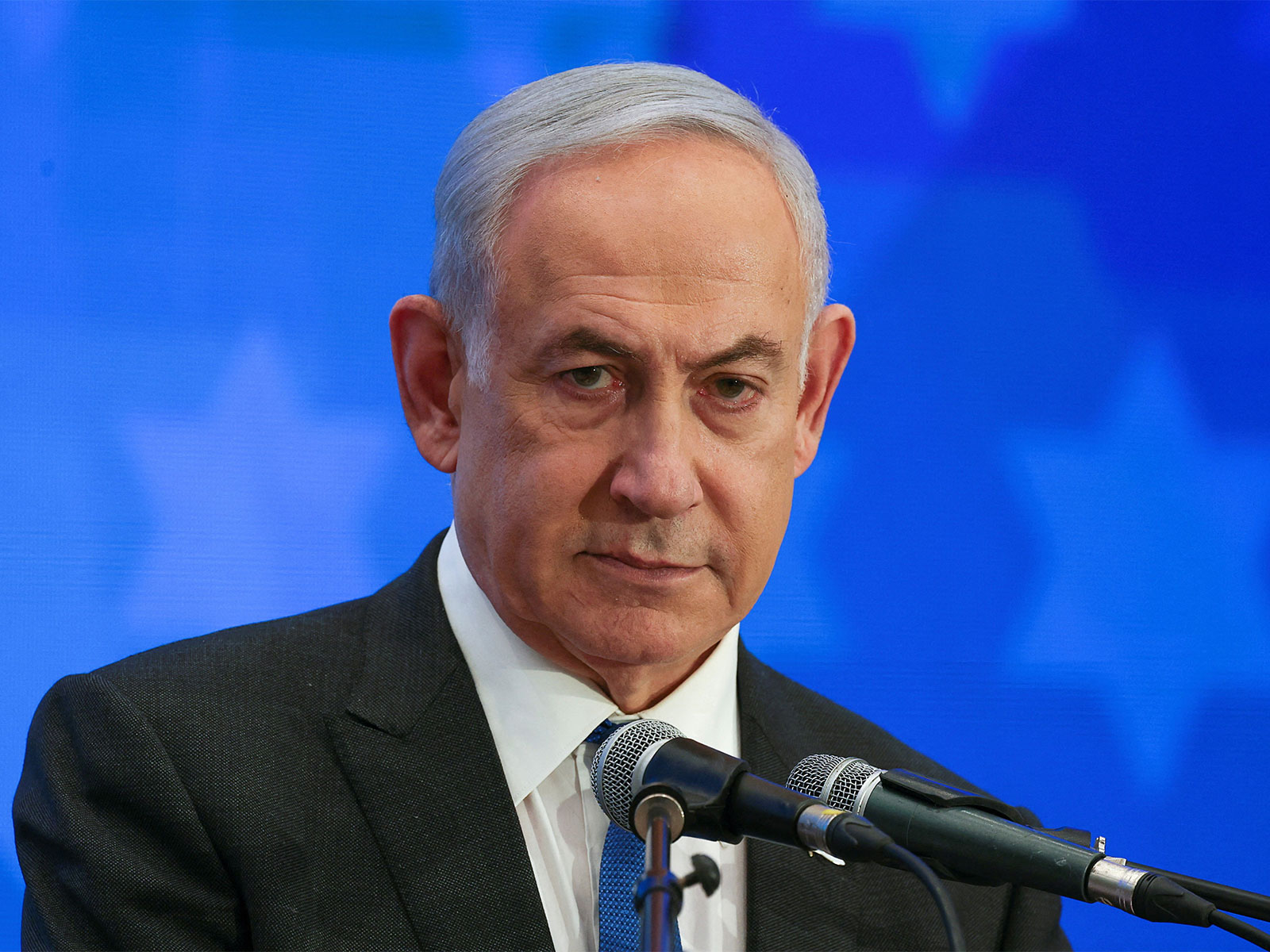
Tel Aviv [Israel], May 10 : Israeli Prime Minister Benjamin Netanyahu has cautioned that the confrontation with Iran is "not over," asserting that substantial efforts are still required to neutralise Tehran's atomic potential despite the current US-supported ceasefire.
Speaking to CBS News, Netanyahu emphasised that any lasting resolution must involve the total extraction of Iran's highly enriched uranium reserves and the complete dismantling of its enrichment facilities.
The Prime Minister noted that while Israeli operations have successfully "degraded a lot of it," alluding to Iran's nuclear network, regional proxies, and missile manufacturing hubs, the underlying threat remains. "But all that is still there, and there's work to be done," he remarked.
International monitors currently estimate that Tehran holds approximately 970 pounds of uranium enriched to near bomb-grade levels, a figure that continues to fuel deep-seated anxieties in Western capitals and Jerusalem.
Netanyahu proposed that the most effective strategy would be the physical relocation of this material through a formal accord, stating, "You go in, and you take it out." He maintained that "if an agreement is reached, it would be the best way" to ensure the threat is permanently removed.
However, the Israeli leader remained guarded regarding potential military contingencies should diplomacy falter. "I'm not going to give a timetable to it, but I'm going to say that's a terrifically important mission," he told CBS News.
Netanyahu also dismissed reports of a diplomatic rift with Washington, affirming that he is in constant contact with US President Donald Trump to ensure both nations remain in lockstep.
The Prime Minister's warnings coincide with a volatile security situation in the Gulf. The Islamic Revolutionary Guard Corps (IRGC) navy recently declared that any strike on its commercial or oil vessels would ignite a "heavy assault" against American naval assets and regional military installations.
This escalation follows an incident on Friday where US forces intercepted two Iranian tankers allegedly attempting to bypass the naval blockade. The US military further reported thwarting strikes on three of its own ships and conducting retaliatory raids on Iranian sites near the Strait of Hormuz.
Tehran has since warned that any further interference with its merchant shipping will result in direct strikes against US interests. The ongoing closure of the Strait of Hormuz, which began with the outbreak of hostilities on February 28, continues to trigger a "spike in fuel prices" and global economic tremors.
While Washington maintains the blockade is vital to cutting off funding for Tehran's military and nuclear ambitions, President Trump has threatened a return to "full-scale bombing" if the waterway is not reopened.
Conversely, Iranian foreign ministry spokesperson Esmail Baghaei stated that Tehran remains unmoved by American "deadlines," even as global powers like Russia and Saudi Arabia urge a return to the negotiating table.