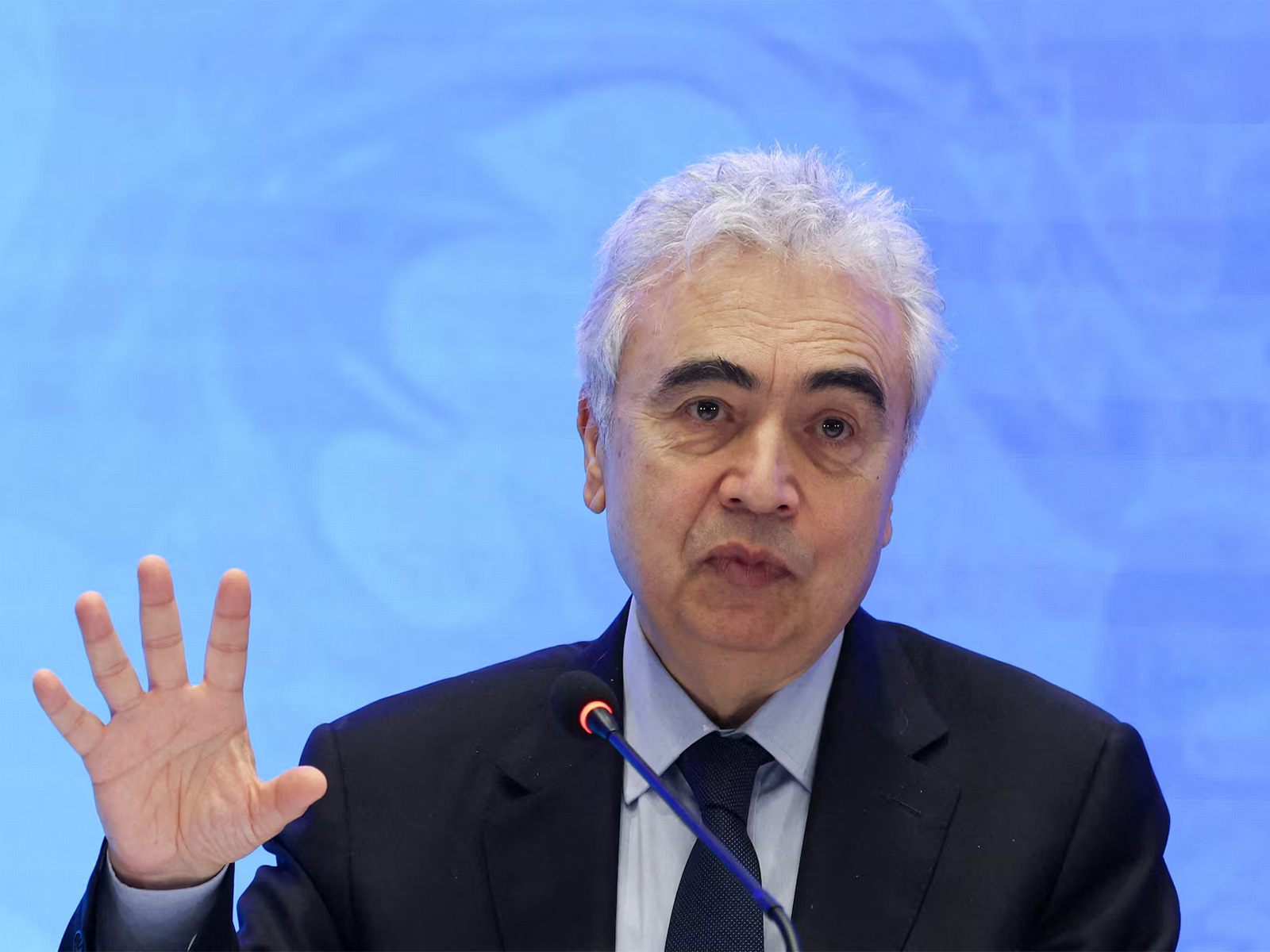
World facing "biggest energy security threat in history": IEA chief Fatih Birol
Apr 23, 2026
Singapore City [Singapore], April 23 : The International Energy Agency (IEA) has issued a stark warning regarding the global energy landscape, with its chief stating that the world is currently "facing the biggest energy security threat in history," as reported by CNBC on Thursday.
Fatih Birol, the Executive Director of the IEA, revealed that the global market has "lost 13 million barrels per day of oil" to date, alongside "major disruptions in vital commodities."
Speaking virtually at an industry event in Singapore, Birol reiterated his earlier concerns that the ongoing conflict involving Iran and the sustained closure of the Strait of Hormuz would culminate in "the largest energy crisis we have ever faced." In light of these challenges, he urged national governments to enhance their economic resilience by prioritising alternative energy sources.
The IEA chief anticipates that the crisis will significantly accelerate the transition to different power sectors. "I expect, first of all, nuclear power, will get a boost," Birol noted, adding that "Renewables will grow very strongly -- solar, wind and others and I expect electric cars will benefit from this."
However, the pressure on global supplies may also lead to a temporary resurgence of traditional fossil fuels. Birol observed that "in some countries, I expect the coal may also see a push and go back up, especially in some big countries in Asia."
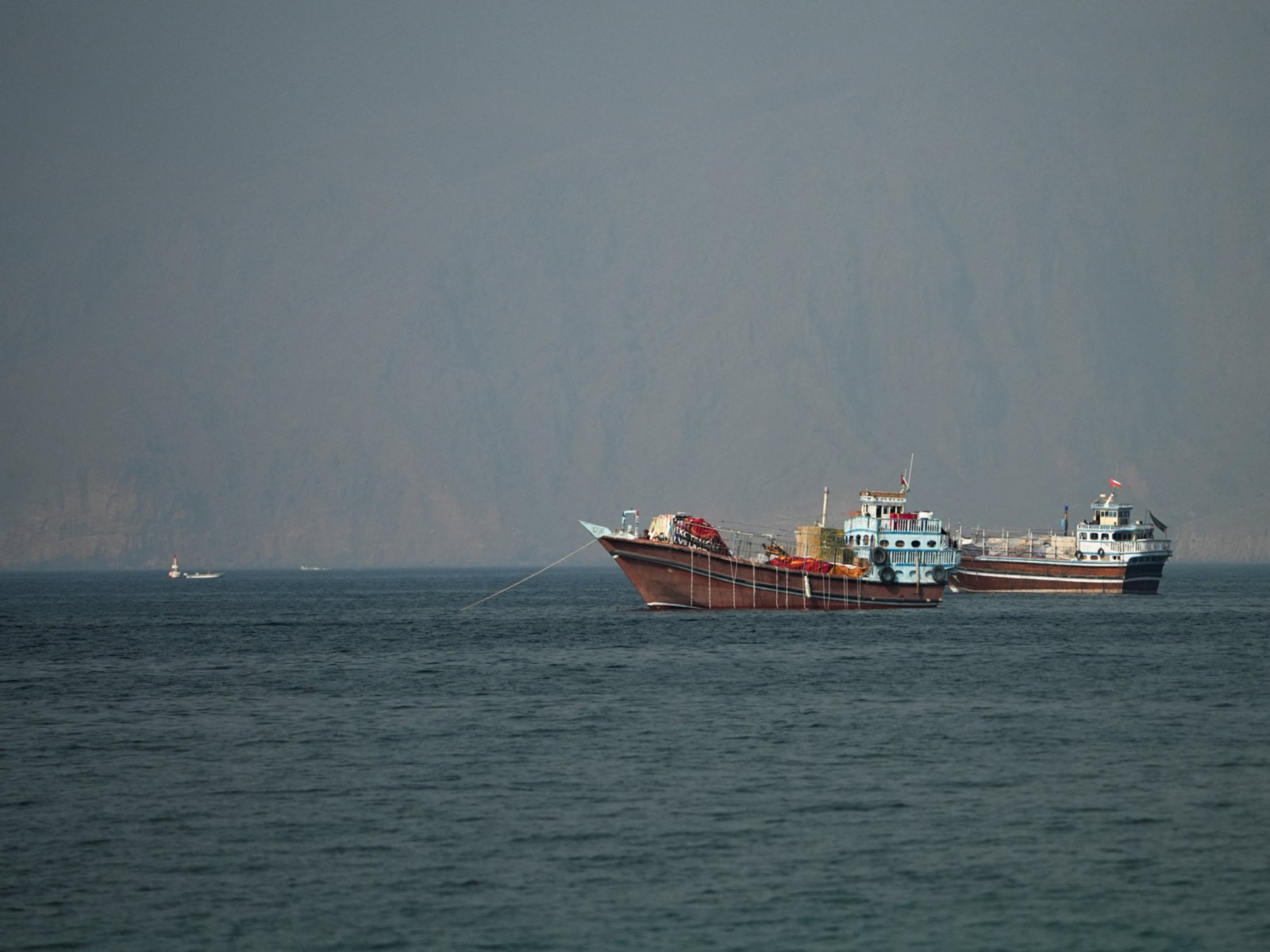
The core of the current disruption remains the Strait of Hormuz, a primary maritime artery that previously facilitated the transport of 20 million barrels of oil and petroleum products daily. The passage is currently restricted by a "double-blockade," with neither Iran nor the United States permitting vessels to traverse the waterway.
Described by the IEA as one of the planet's "most critical oil transit chokepoints," the agency warned that the continued closure will stifle global economic expansion, drive up inflation, and potentially necessitate "energy rationing."
A particularly severe impact is being felt in the aviation sector, with the IEA highlighting an "imminent jet fuel crunch in Europe." Historically, Europe has relied on Middle Eastern refineries for approximately 75 per cent of its jet fuel, a supply line that Birol told CNBC is "basically now down to zero."
While European nations are attempting to source fuel from the United States and Nigeria, Birol cautioned that "if we are not able to get, in Europe, additional imports from the countries now, we will be in difficulties." He expressed hope for the reopening of the strait but suggested that authorities "may well need to take some measures in Europe to reduce air travel as well," according to CNBC.
To help stabilise the market, the 32-member IEA agreed in March to release 400 million barrels of oil from emergency reserves. While a second release is under consideration, Birol clarified that such interventions are not a permanent fix.
"This is only helping to reduce the pain, it will not be a cure," Birol explained, noting that the measure is intended to buy time. He emphasised that "the cure is opening up the Strait of Hormuz," and that emergency stock releases do not constitute a final solution to the ongoing crisis.