"Would rather not destroy rest of the country": Trump's Iran war tone changes after midterm drubbing
Nov 06, 2026
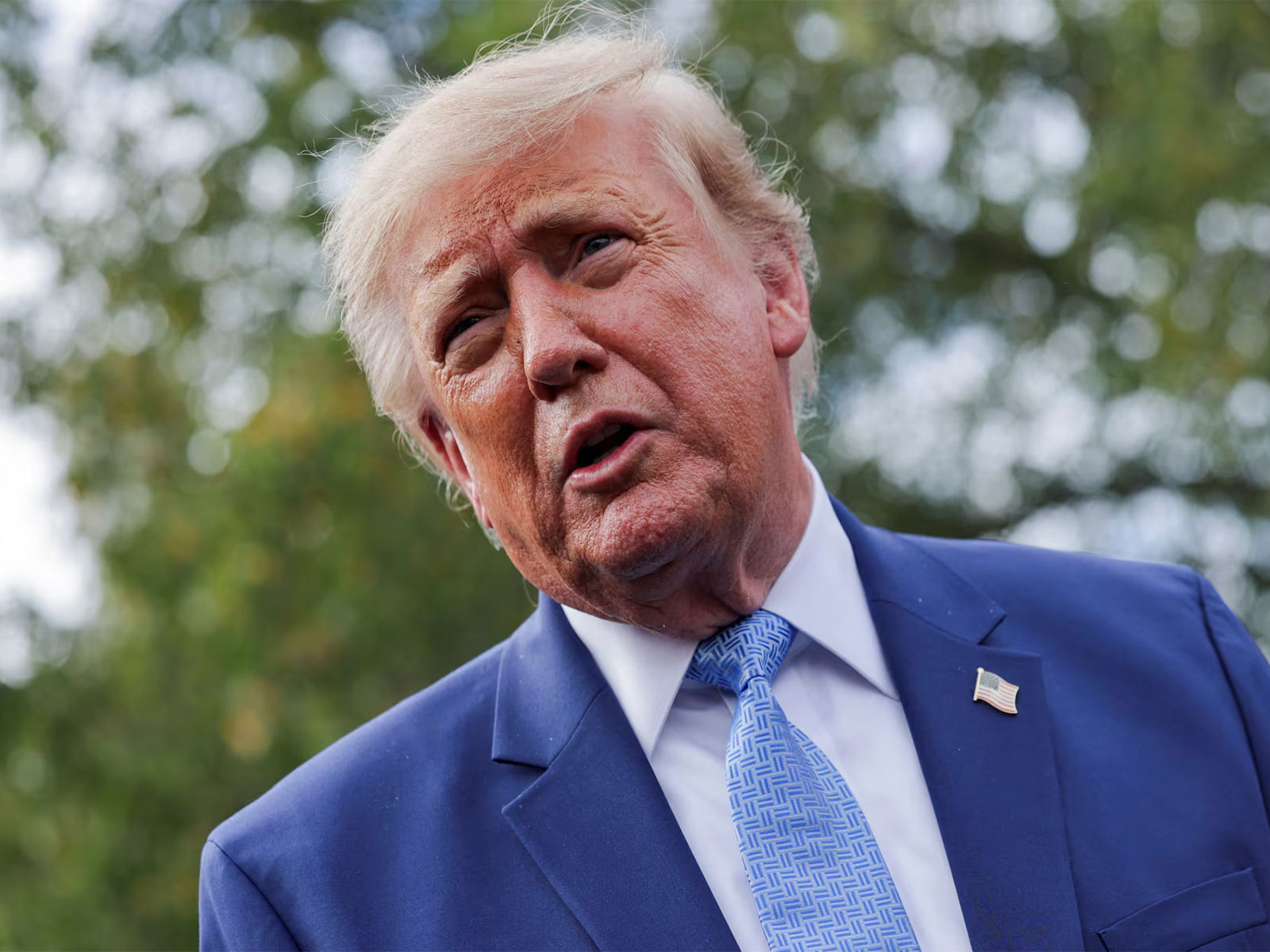
Washington, DC [US], November 6 : US President Donald Trump has indicated that he would rather not destroy what remains of Iran but acknowledged that he may have to, adopting a more hesitant line than his previous threats against Tehran following his Republican Party's setback in the US midterm elections.
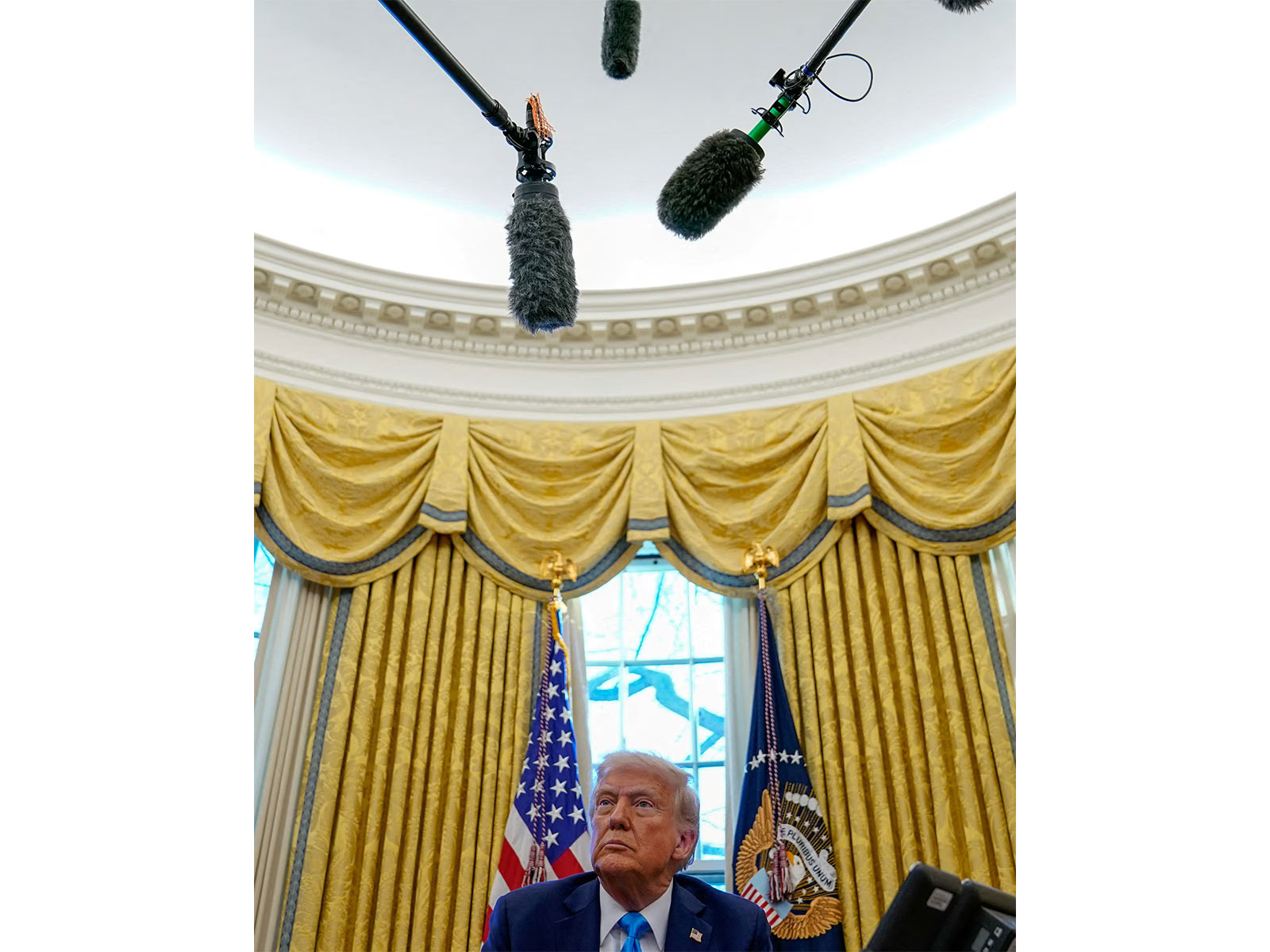
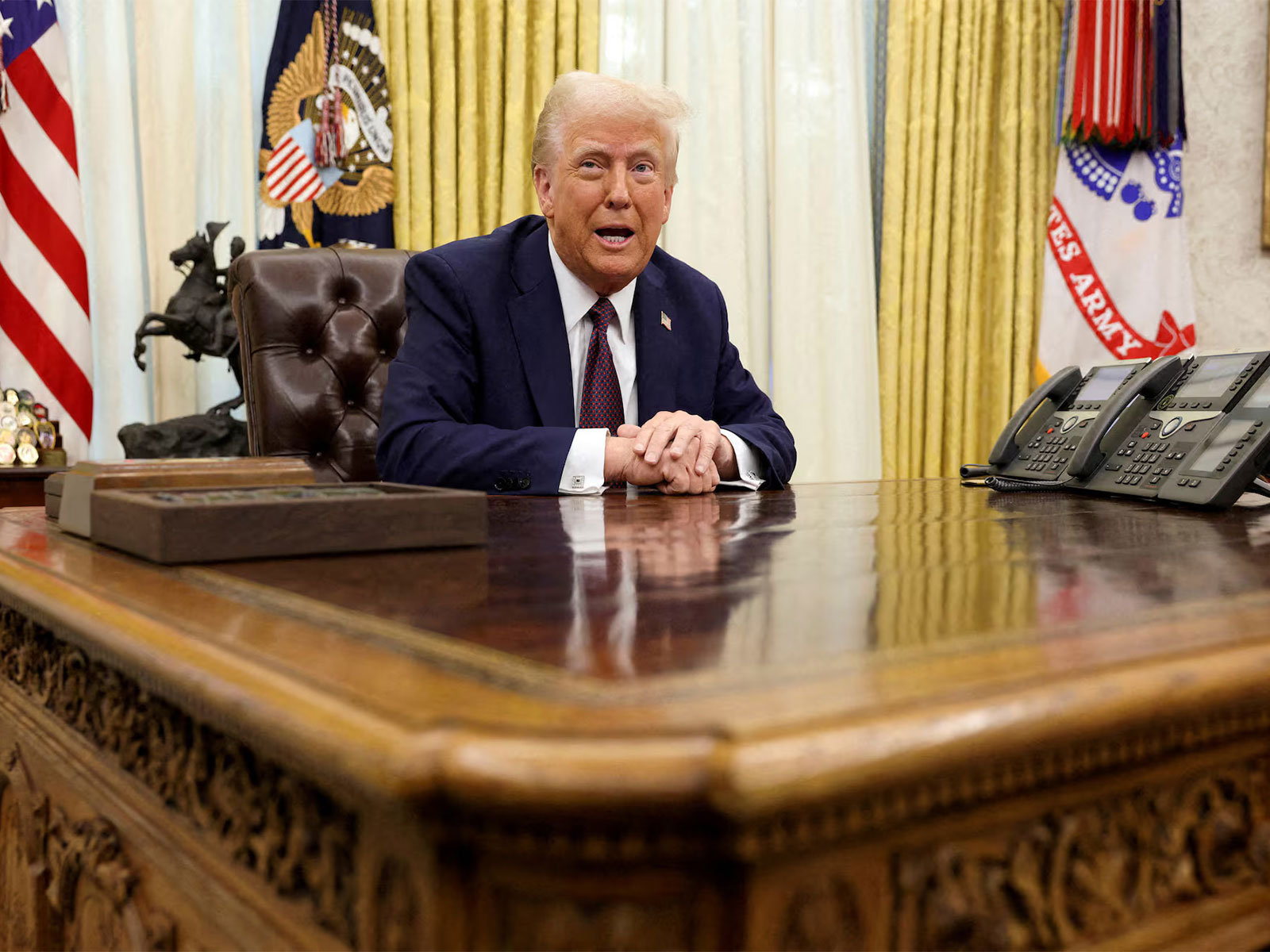
Addressing reporters in the Oval Office on Thursday (local time), Trump noted that a final decision on whether the war was close to escalating was imminent. "I would rather not destroy the rest of the country if possible, but maybe I'll have to," he stated, adding, "You'll know soon enough."
He described the ultimate choice in terms of permanence. "We'll make a decision, do we want to go further and just certify it by certifying it, meaning where it'll never happen again?" Trump remarked, estimating that rebuilding the nation would require a quarter of a century. "I think it'll take them 25 years to rebuild the country."
This language contrasts with his earlier posture, during which he warned that American forces had yet to begin "destroying what's left" of Iran, keeping additional energy infrastructure and bridges as targets.
Previously, during another phase of the conflict, he maintained that reaching a deal was only possible if the United States blew up the remainder of the nation and its leadership.
These remarks follow a specific pledge delivered on October 8, when Trump stated that talks with Iran were productive and explicitly ruled out military action before the national ballot. "We will not be attacking Iran at any time prior to the Midterm Elections to be held in the United States on November 3rd," he noted at the time, while American media outlets reported that indirect negotiations were ongoing.
That commitment has since expired following the conclusion of the vote. Earlier reports had already suggested his hesitation to completely eliminate Iran's remaining military capacity due to the extensive duration required for national reconstruction.
Domestically, the ongoing war has created political friction for the administration, keeping fuel costs elevated and contributing to a decline in public approval ratings as the election approached.
Whether the administration pursues further military strikes or a negotiated settlement will ultimately dictate the trajectory of a conflict that has severely disrupted shipping through the Strait of Hormuz and deeply unsettled energy markets.