WUC weekly brief highlights Uyghur rights abuses, transnational repression, forced labour concerns
Oct 27, 2026
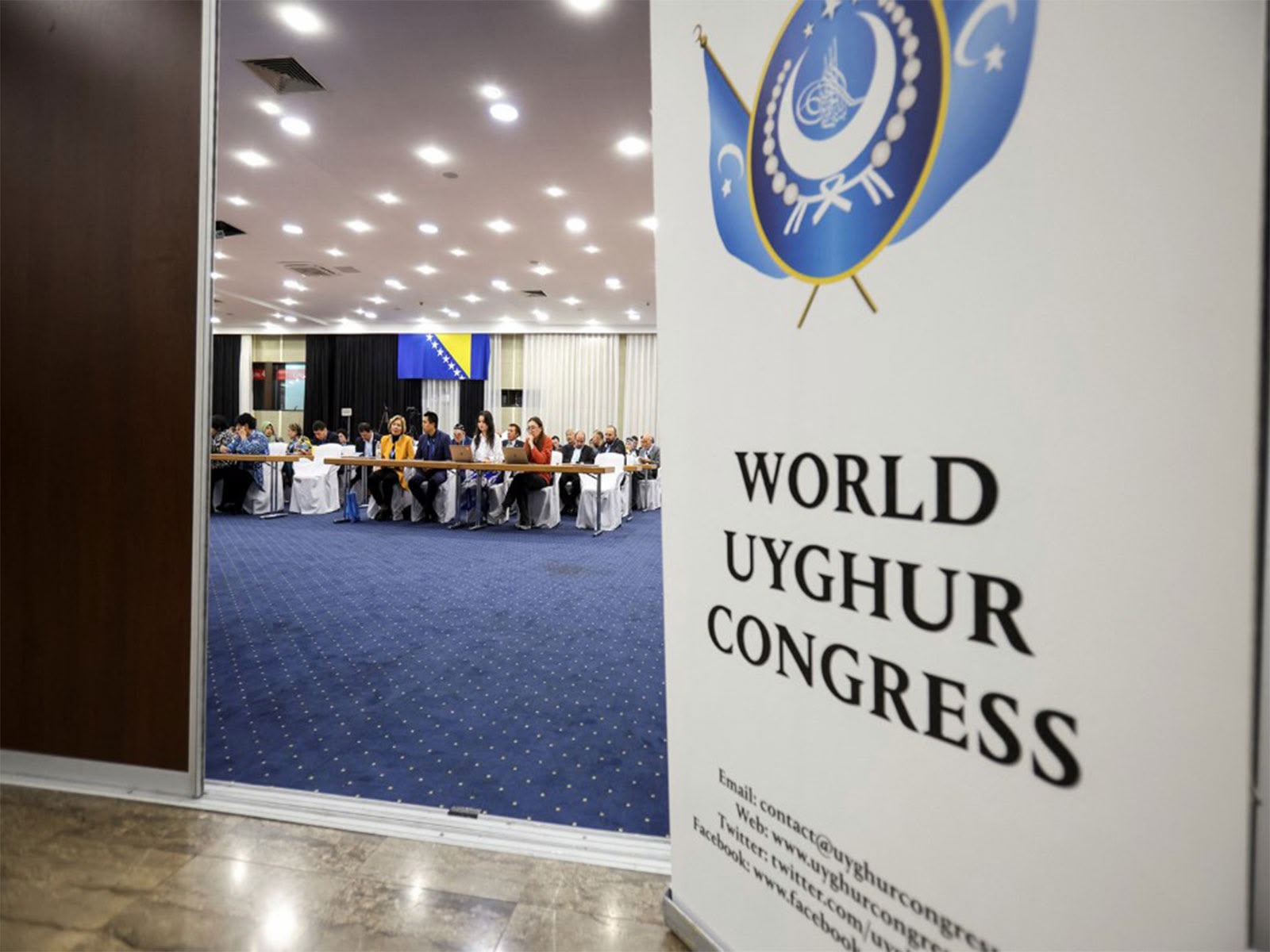
Munich [Germany], October 27 : The World Uyghur Congress (WUC) has highlighted growing concerns over human rights violations in East Turkistan, transnational repression targeting Uyghurs abroad and alleged forced labour in emerging industries, according to its weekly brief.
The brief covered an interview with WUC President Dolkun Isa on Polish broadcaster TVP World, a new analysis examining the global consequences of repression in East Turkistan, and an article raising questions about labour practices in the region’s expanding salmon industry.
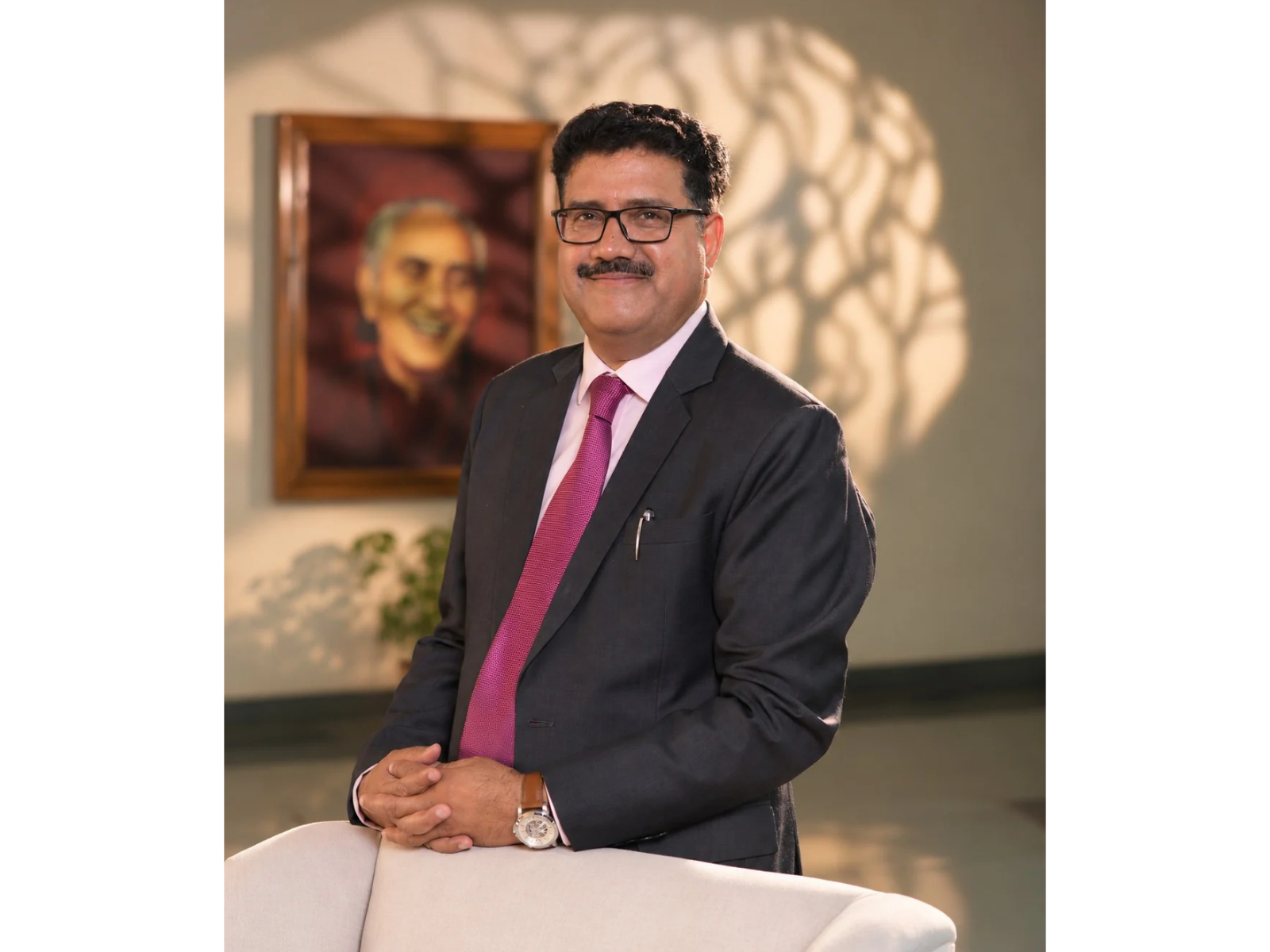
According to the WUC weekly brief, Dolkun Isa discussed the human rights situation in East Turkistan, his personal journey and the consequences of his activism during an in-depth interview with TVP World.
Isa also addressed the challenges faced by Uyghur refugees seeking safety and protection abroad, highlighting concerns over transnational repression. He warned that Uyghurs remained vulnerable to intimidation and harassment even in democratic countries such as Germany.
The WUC brief said Isa emphasised the responsibility of European governments and other states to protect individuals targeted by transnational repression and ensure accountability for those responsible.
The weekly brief also highlighted an analysis titled The Global Cost of Ignoring Xinjiang, published on October 21 by Zubayra Shamseden and Peter Irwin, co-executive directors of the Network for Uyghur Rights (NUR).
According to the brief, the authors warned that declining international attention had allowed imprisonment, surveillance, forced labour and assimilation policies in East Turkistan to continue, while China expanded its industrial and strategic activities in the region.
The analysis highlighted East Turkistan’s growing role in coal production, global solar supply chains and China’s nuclear infrastructure. It warned that expanding coal production could undermine global climate goals, while forced labour concerns remained relevant to important international supply chains.
The authors also raised concerns about the expansion of nuclear infrastructure at Lop Nur, arguing that inadequate accountability and limited local participation in decision-making posed risks extending beyond the Uyghur population to global environmental protection and security.
The WUC weekly brief further highlighted an October 21 article by Asiye Uyghur titled Salmons and Uyghur Labor: Traceable Fish, Unanswered Questions, published by Bitter Winter.
The article examined concerns about forced labour in East Turkistan’s growing salmon industry, challenging Chinese-language reporting that defended the sector by citing rising worker incomes, technological development and product traceability.
Drawing on Chinese government documents, the article highlighted state-organised labour transfers, political education, worker monitoring and employment retention targets, including policies implemented in Nilka County.
According to the WUC brief, the article argued that higher wages and advanced production technologies alone could not establish whether workers were employed voluntarily. It called for greater scrutiny of whether workers could refuse recruitment, leave their jobs or return to their previous livelihoods without facing repercussions.