27 FIRs in 7 days: Legal crackdown ensues over protests against CEC Gyanesh Kumar
Oct 09, 2026
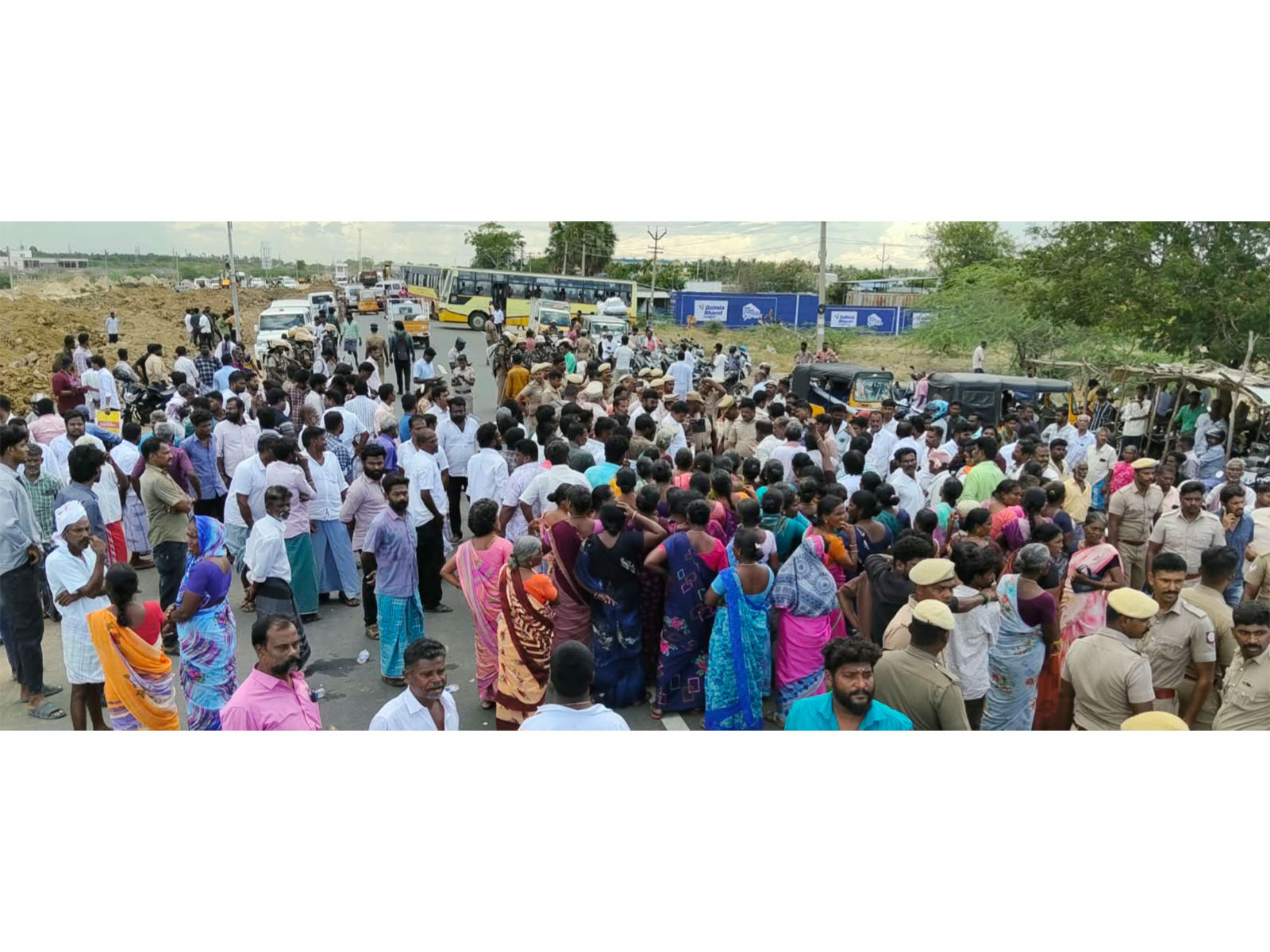
New Delhi [India], October 9 : Over the course of a seven-day protest targeting the Chief Election Commissioner (CEC) Gyanesh Kumar, law enforcement agencies registered a total of 27 FIRs.
Delhi Police relied heavily on four specific sections of the Bharatiya Nyaya Sanhita (BNS) to crack down on the demonstrators, with joint criminal liability emerging as the primary charge.
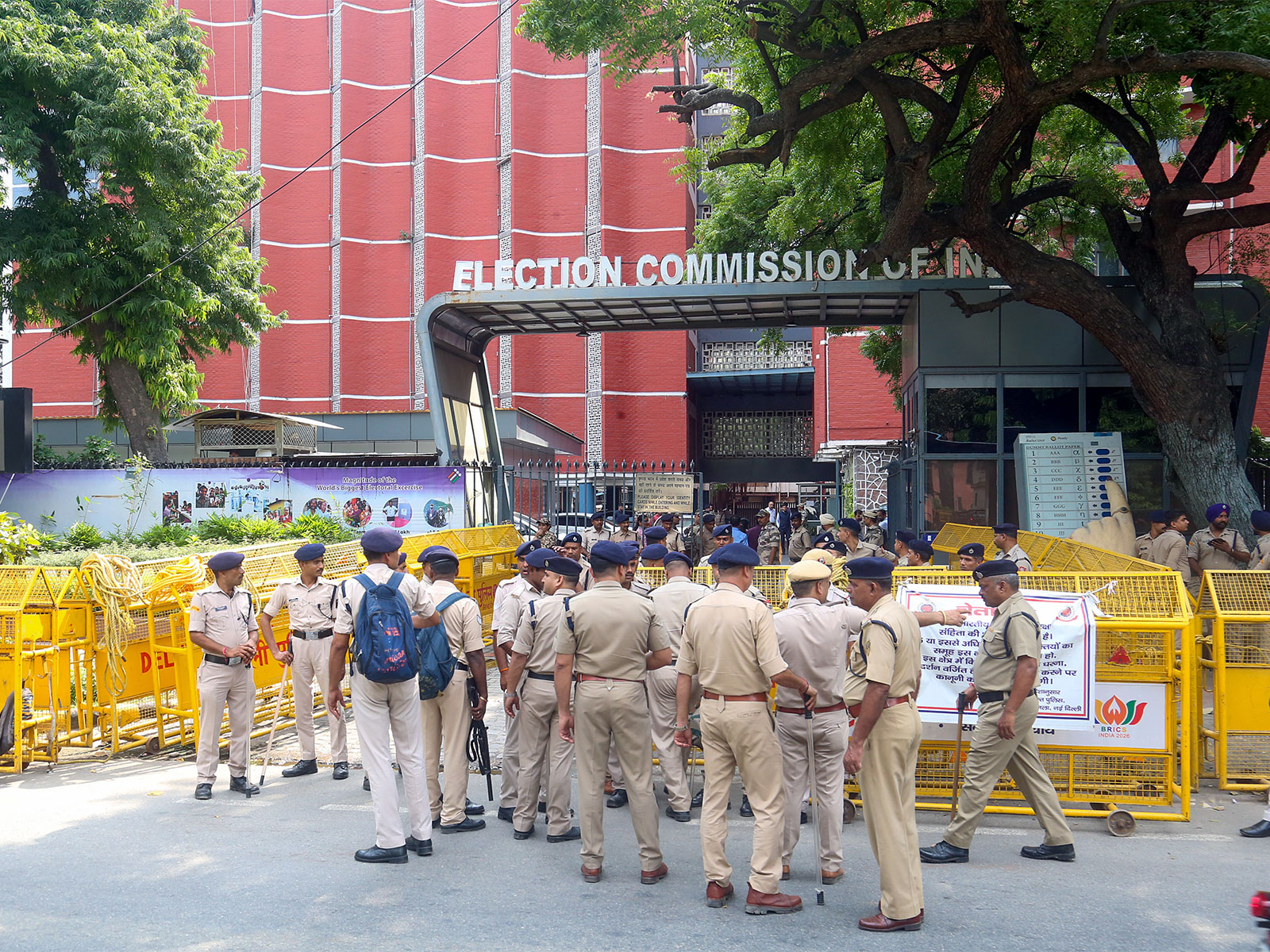
Barricades were erected, roads around Jantar Mantar and Parliament Street were sealed off, and prohibitory orders were enforced.
The data indicated a concerted effort to target non-compliance with public orders, obstruction of official duties, and active resistance against public servants. Delhi Police registered 27 separate First Information Reports (FIRs), using key provisions of the new Bharatiya Nyaya Sanhita (BNS).
Police relied on a four-step legal strategy to book protesters in 27 FIRs, with joint liability being the most frequently used provision.
The primary tool was Section 3(5) of the Bharatiya Nyaya Sanhita (BNS), applied in 22 out of 27 FIRs. The section deals with joint criminal liability, where an offence committed by multiple people in furtherance of a common intention makes all of them equally accountable. By invoking it, police treated gathered groups as collective entities rather than booking demonstrators in isolation, establishing that individual acts were part of an organised effort.
The second layer was Section 223(a) of the BNS, cited in 18 FIRs. With prohibitory orders under Section 163 of the Bharatiya Nagarik Suraksha Sanhita (BNSS) in force in high-security zones, assembling without permission was prohibited. Section 223(a), which relates to disobedience to an order promulgated by a public servant, provided the initial legal ground for detentions once protesters crossed designated perimeters.
As protesters attempted to bypass checkpoints and sit-ins blocked thoroughfares, Section 221 of the BNS was invoked in 17 FIRs. The section pertains to obstructing a public servant in the discharge of public functions and was applied against those who blocked access roads or hindered security protocols.
In cases where confrontations turned physical, police added Section 132 of the BNS, also in 17 FIRs. The provision covers assault or use of criminal force to deter a public servant from performing duty, adding a more serious criminal charge in instances of direct physical resistance at barricades.
In addition to the BNS charges, Section 3 of the PDPP/DPDP Act (prevention of damage to public property and defacement) was invoked in 9 FIRs.
Beyond the primary four sections, law enforcement invoked several other stringent provisions of the Bharatiya Nyaya Sanhita depending on the severity of individual incidents: BNS Section 121/121(1): Voluntarily causing hurt or grievous hurt to deter a public servant from performing their duty; BNS Section 115(2): Voluntarily causing hurt; BNS Section 126(2): Wrongful restraint of any person; BNS Section 127(2): Wrongful confinement or illegally restricting a person's movement; BNS Section 74/75: Assault or use of criminal force against women, including provisions related to sexual harassment and BNS Section 118(1): Voluntarily causing hurt using dangerous weapons or means.