AAI advisor calls for longer airport tariff control period, says five years insufficient for investment recovery
Aug 13, 2026
By By Kaushal Verma
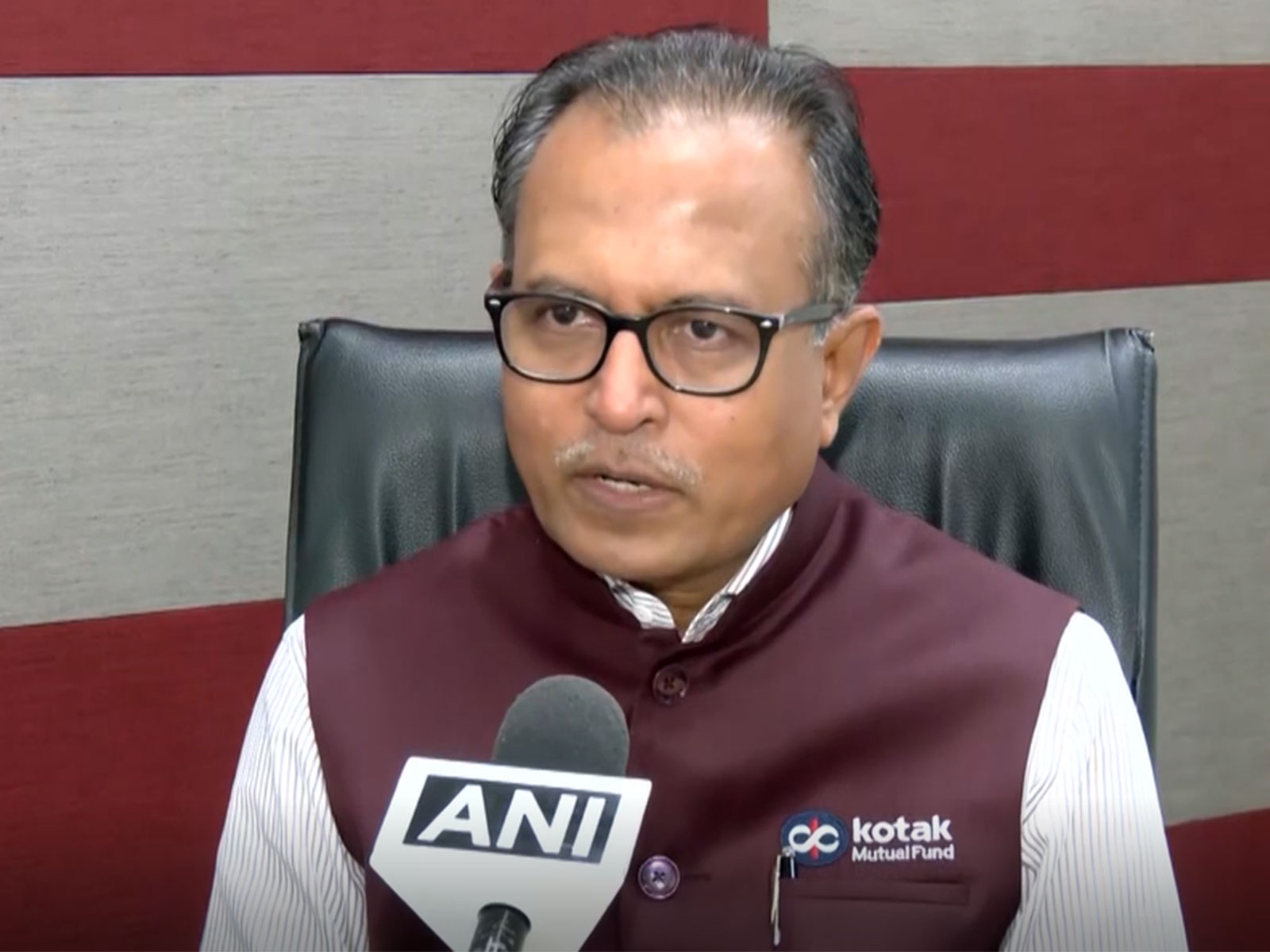
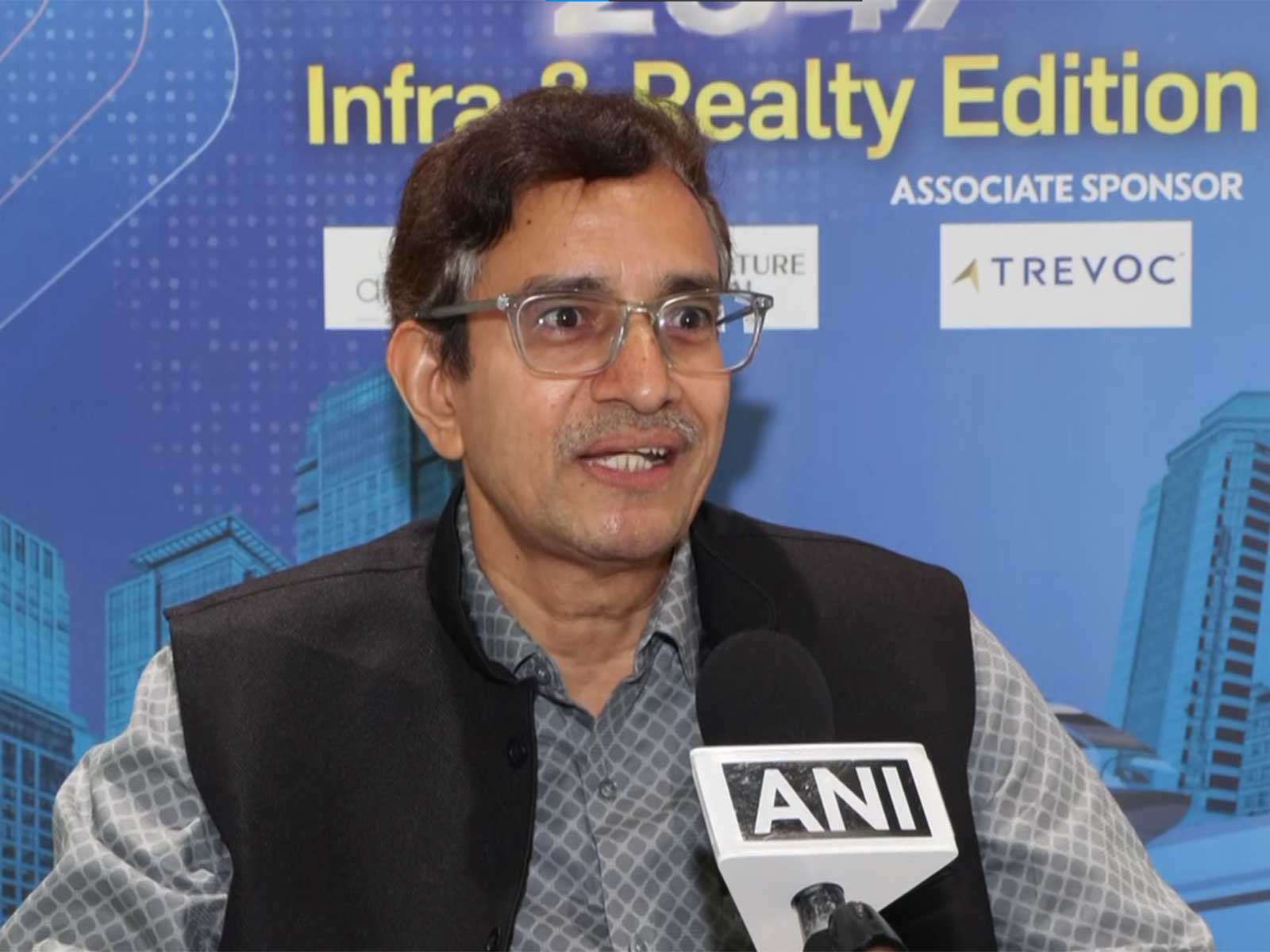
New Delhi, [India], August 13 : The government should consider extending the five-year control period for airport tariff assessment to seven or even 10 years, said Nadiminti Venkata Subbarayudu, Advisor (PPP), Airports Authority of India (AAI), arguing that large airport investments in terminal buildings and runways cannot be recovered within such a short period and that a longer period would help keep User Development Fees (UDF) at reasonable levels.
Subbarayudu said the existing five-year tariff control period may not provide sufficient time for airport developers to recover investments, which typically involve large lump-sum amounts.
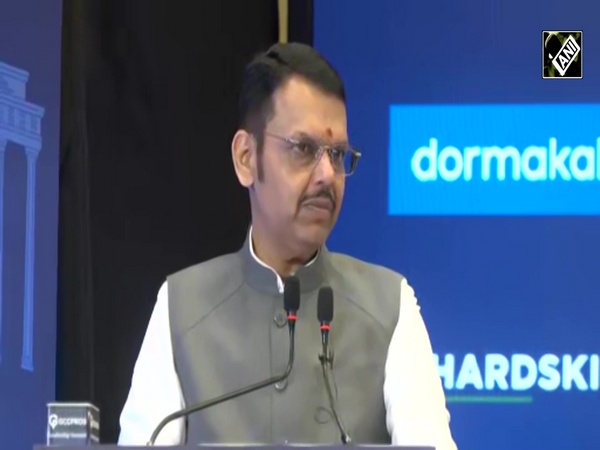
"The regulatory authorities have now kept the control period for five years. They assess the investment need and give the tariff proposals. I think that is too short because five years is not sufficient for realising the returns from the terminal buildings or runways," Subbarayudu told ANI on the sidelines of an event on infrastructure and real estate.
He suggested initially extending the control period to seven years and eventually considering 10 years, noting that airport infrastructure requires substantial upfront investment and the entire cost cannot be recovered within five years.
"The entire lump sum cannot be recovered in a period of five years. So the consequent cost for the developers also has to be tapered, so that the User Development Fee is reasonable. So basically, equitable," he said.
A longer control period, he said, would allow the cost of large infrastructure investments to be spread over a longer period, reducing the pressure on developers to recover investments quickly and helping maintain a reasonable tariff burden for passengers.
Subbarayudu also called for long-term planning of airport sites, saying potential locations should be identified decades before actual demand emerges and the land protected from unplanned development.
"The government should earmark the potential airport sites, say 30-40 years before the real demand comes, and zones have to be created so that area is protected," he said.
He said advance protection of land from unsuitable development would help avoid demolitions and facilitate smoother expansion when passenger demand eventually materialises.
On airport development, Subbarayudu said passenger traffic should not be the sole factor determining airport capacity, with service quality and financial sustainability also needing to be considered.
"First of all, the traffic demand will be driving the construction of the airport, but it is not the airport itself, but what type of service quality you are targeting, that is to be kept in mind by the developer," he said.
He stressed the need for coordination among passengers, airlines and airports to ensure sustainable growth.
"The connectivity, if you see, three factors are there: one is passenger, number one is airline, then airport. All these three have to be synergised," he said, advocating a passenger-centric approach while ensuring the financial sustainability of airlines and airports.
Subbarayudu also highlighted energy efficiency, sustainability and social responsibility as important considerations for airport operators.
On airport design, he said modern technology should be blended with local art and architecture to improve the passenger experience and create a distinctive identity. He cited the airport in Guwahati as an example of such integration.
Among infrastructure projects, Subbarayudu said airports excite him the most and identified Uttar Pradesh as an infrastructure powerhouse.
Describing India's infrastructure outlook, he said the country is witnessing "unlimited growth and high speed".
He also emphasised passenger-friendly construction and efficient wayfinding, saying the airport experience should extend beyond physical infrastructure.