AAP Convenor Arvind Kejriwal leads protest march towards PM residence over E20 petrol policy
Aug 04, 2026
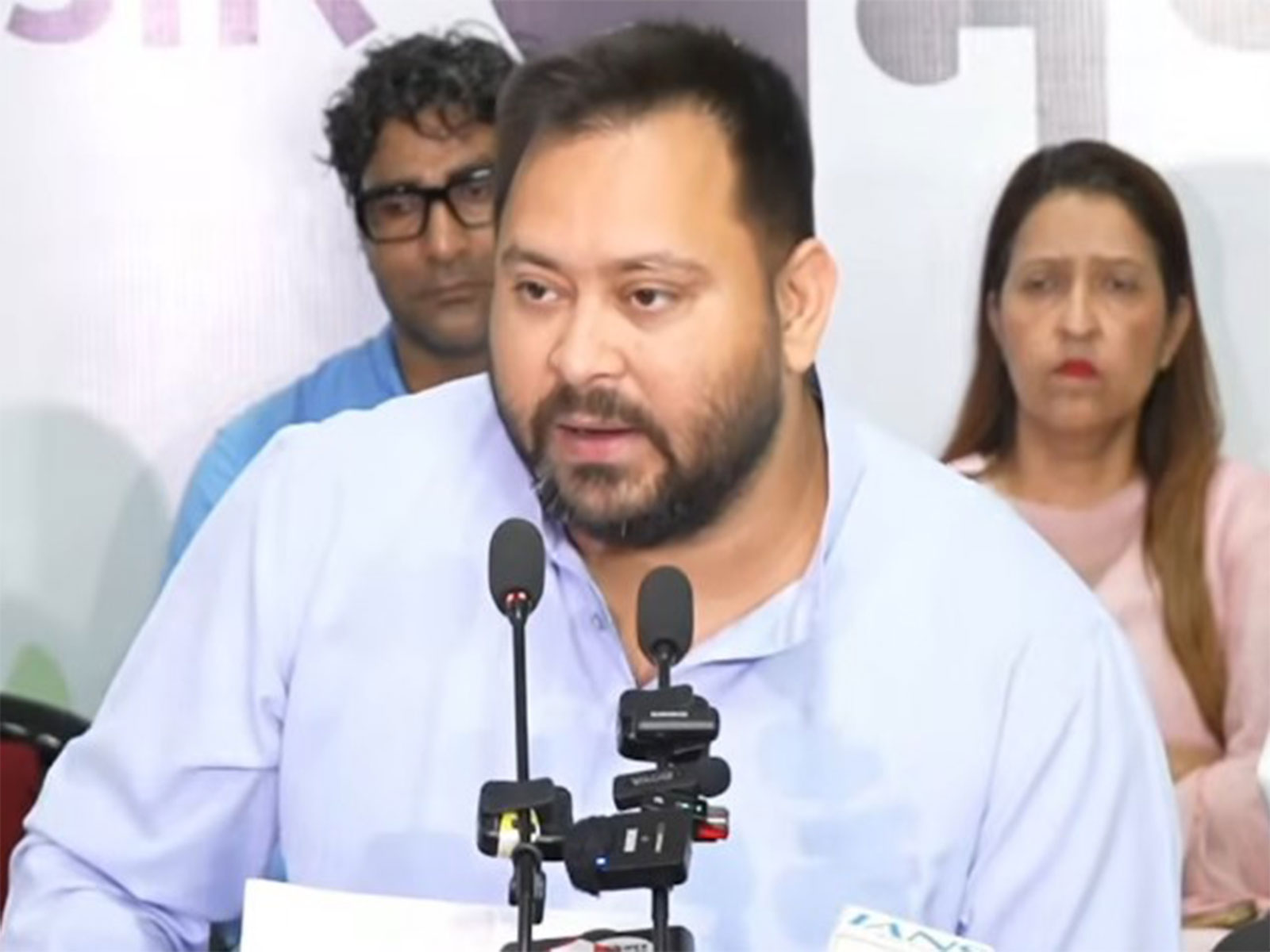
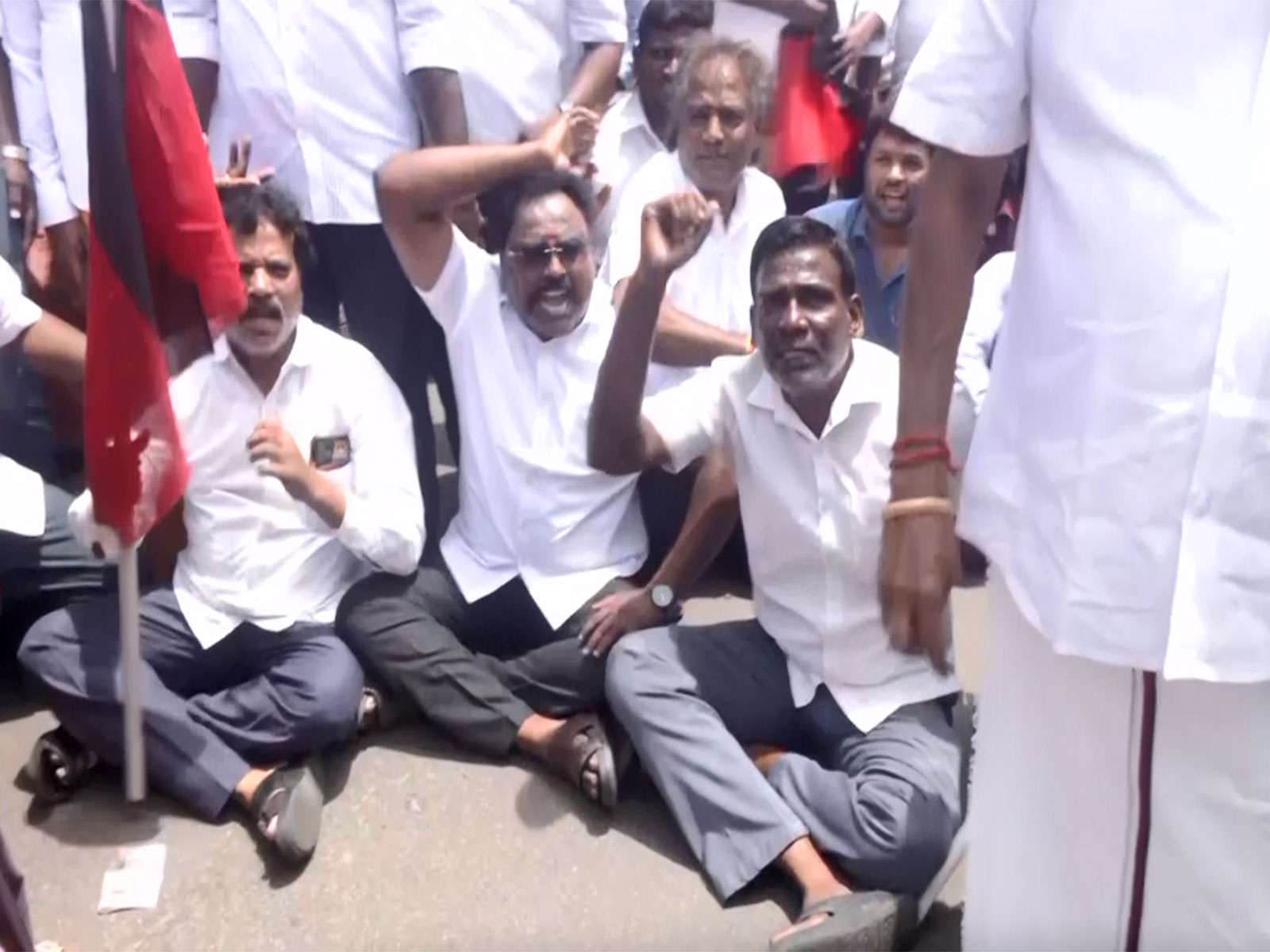
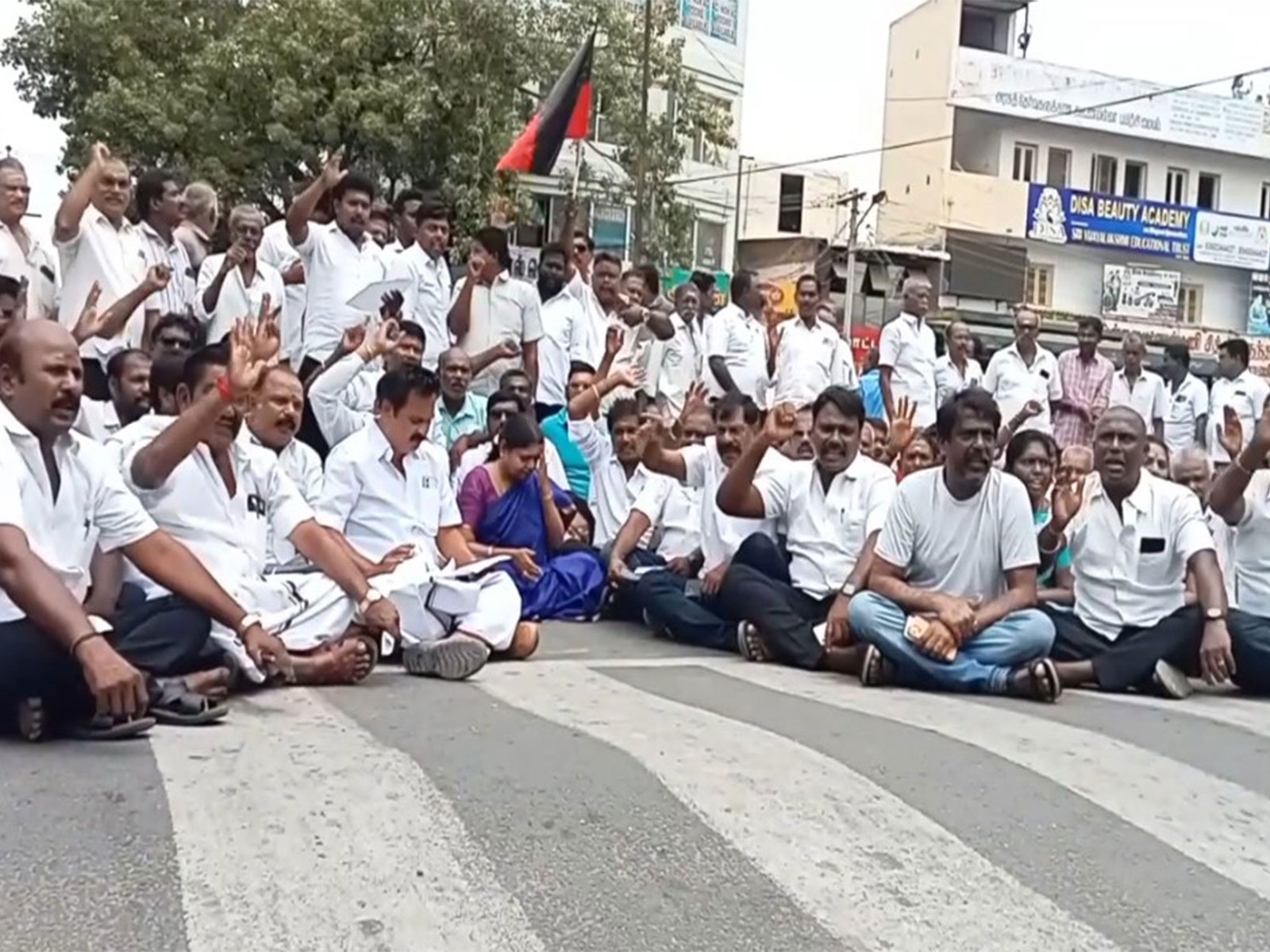
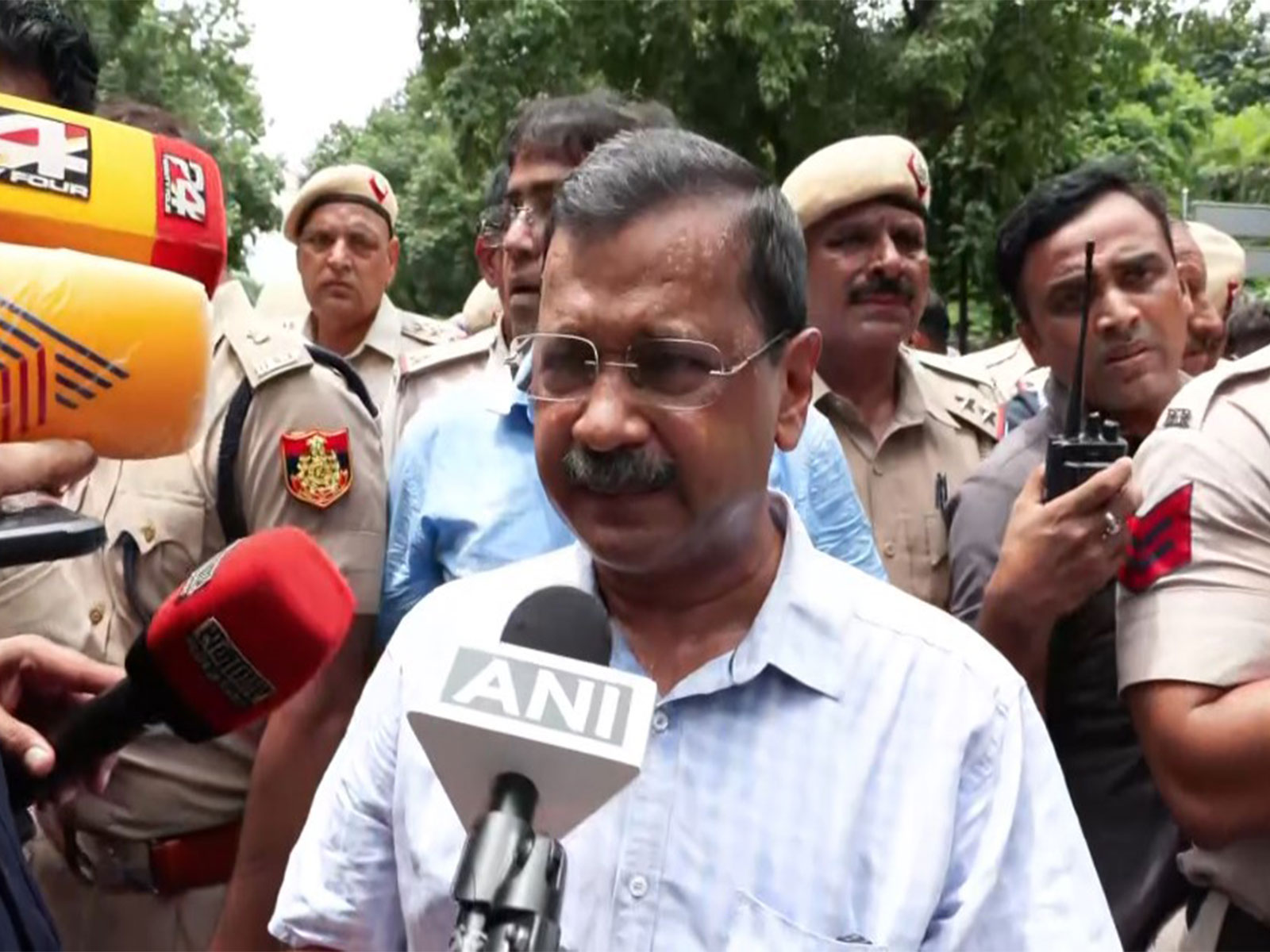
New Delhi [India], August 4 : Aam Aadmi Party (AAP) National Convenor Arvind Kejriwal led a protest march towards the Prime Minister's residence against the implementation of the E20 petrol policy in Delhi on Tuesday.
Addressing the demonstration, Kejriwal declared that Prime Minister Narendra Modi should not succumb to pressure from US President Donald Trump and demanded an immediate halt to ethanol imports from the United States.
He further urged PM Modi to stop the forcible imposition of E20 fuel on the country.
"I want to say that PM Modi should not come under pressure from US President Trump. He should stop buying ethanol from the USA and stop imposing E20 on our country. I hope that the Prime Minister will call us. We have sent a message to the Prime Minister saying that we want to meet him. The struggle will continue..." said Kejriwal. 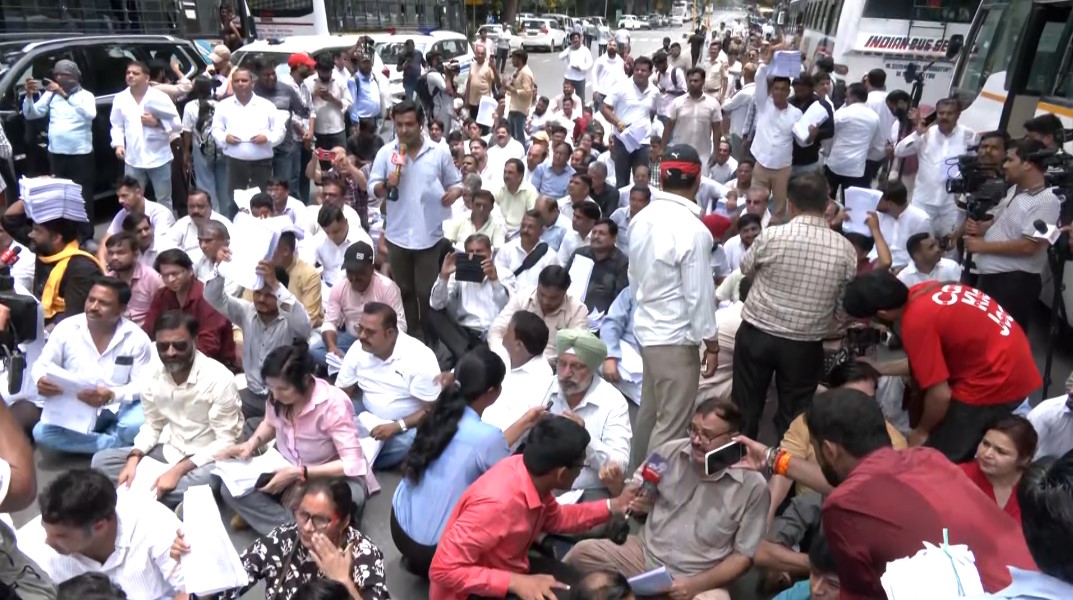
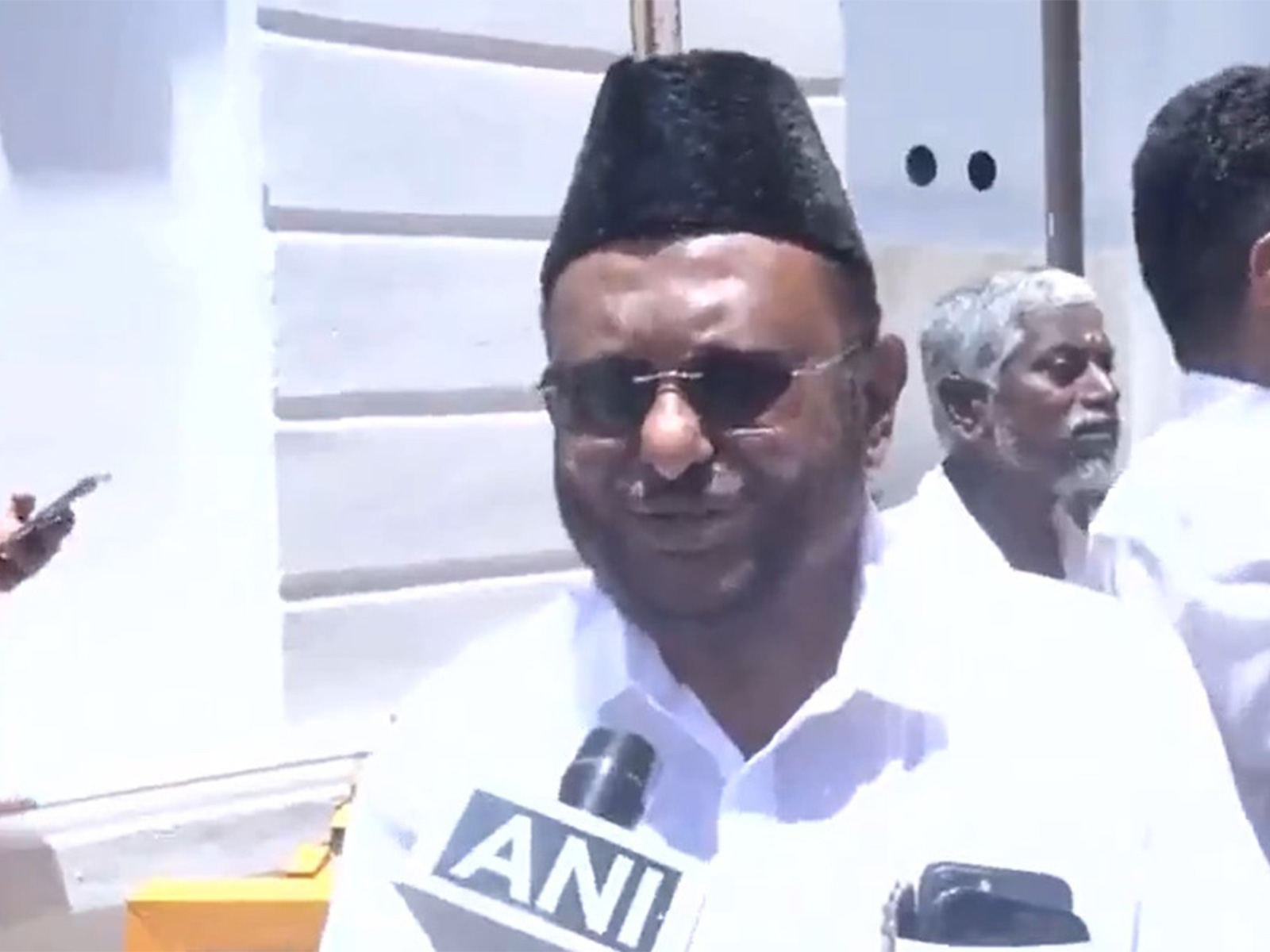
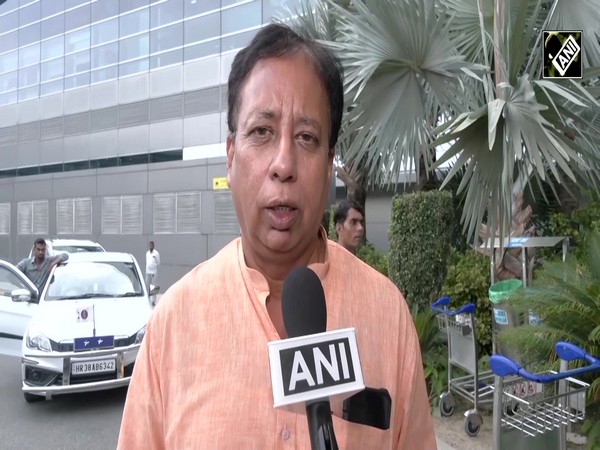
AAP leader Anurag Dhanda claimed that the policy has caused severe distress among vehicle owners, warning that nearly 30 crore vehicles face the risk of damage due to ethanol-blended fuel.
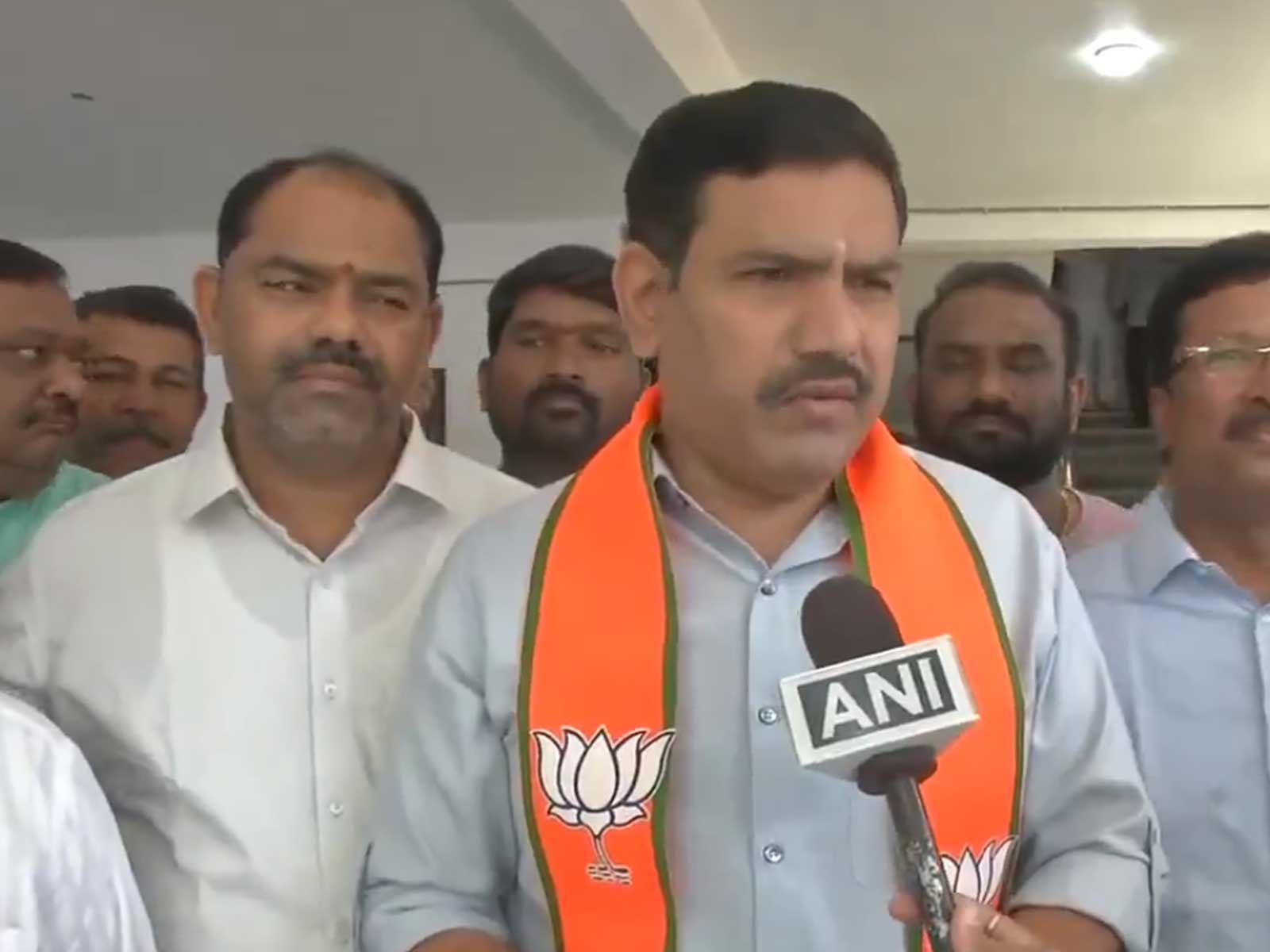
Speaking to ANI, Dhanda further alleged that Prime Minister Narendra Modi is not listening to public grievances regarding this issue.
"People are very upset; they are in trouble. 30 crore vehicles are on the verge of being damaged, and the Prime Minister is not listening to anyone. Ethanol is being imposed only under the pressure of US President Trump... The waste ethanol from there is being dumped in India, so I think this is not right. The voice of the people should be heard. Why will the Prime Minister not meet? The Prime Minister was saying that he would not meet even the youth. Then he had to meet..." said Dhanda.
Earlier, the Ministry of Petroleum and Natural Gas defended the Ethanol Blended Petrol (EBP) Programme against criticism over costs and food security, asserting retail petrol prices could have surged to around ₹125 per litre during peak global crude oil spikes without implementation of ethanol blending policy in the country.
Highlighting the substantial financial relief provided to citizens amidst international market volatility, the Ministry of Petroleum and Natural Gas stated, "The result? Nearly ₹30 per litre in savings at the pump during the peak of the crisis. The value of ethanol blending is not about being the cheapest fuel every day. It is about protecting Indian consumers from extreme volatility in global oil markets, strengthening India's energy security, and keeping more of the country's fuel bill within the Indian economy rather than sending it overseas."
In a press release, the ministry said that when the Indian crude basket rose to around USD 135 per barrel, petrol without ethanol blending was "projected to cost around ₹125 per litre in Delhi." Instead, it said consumers paid Rs 94.77 per litre because "20 per cent of every litre was domestically produced ethanol, procured at stable, pre-agreed prices that were insulated from the global crude price spike."
The ministry also rejected the claim that ethanol blending survives on taxpayer subsidies. "Ethanol blending isn't a taxpayer subsidy. It's India's energy insurance and it has already delivered when the crisis hit," it said.