Seven years on, Article 370 abrogation spurs infrastructure and economic growth in J-K
Aug 04, 2026
Budgam /Jammu (Jammu and Kashmir) [India], August 4 : Seven years after the abrogation of Article 370, residents across Jammu and Kashmir say they are witnessing significant improvements in infrastructure, public services and economic opportunities.
Better roads, improved electricity and water supply, enhanced connectivity and expanding tourism are among the changes that locals say have reshaped everyday life across many parts of the Union Territory.
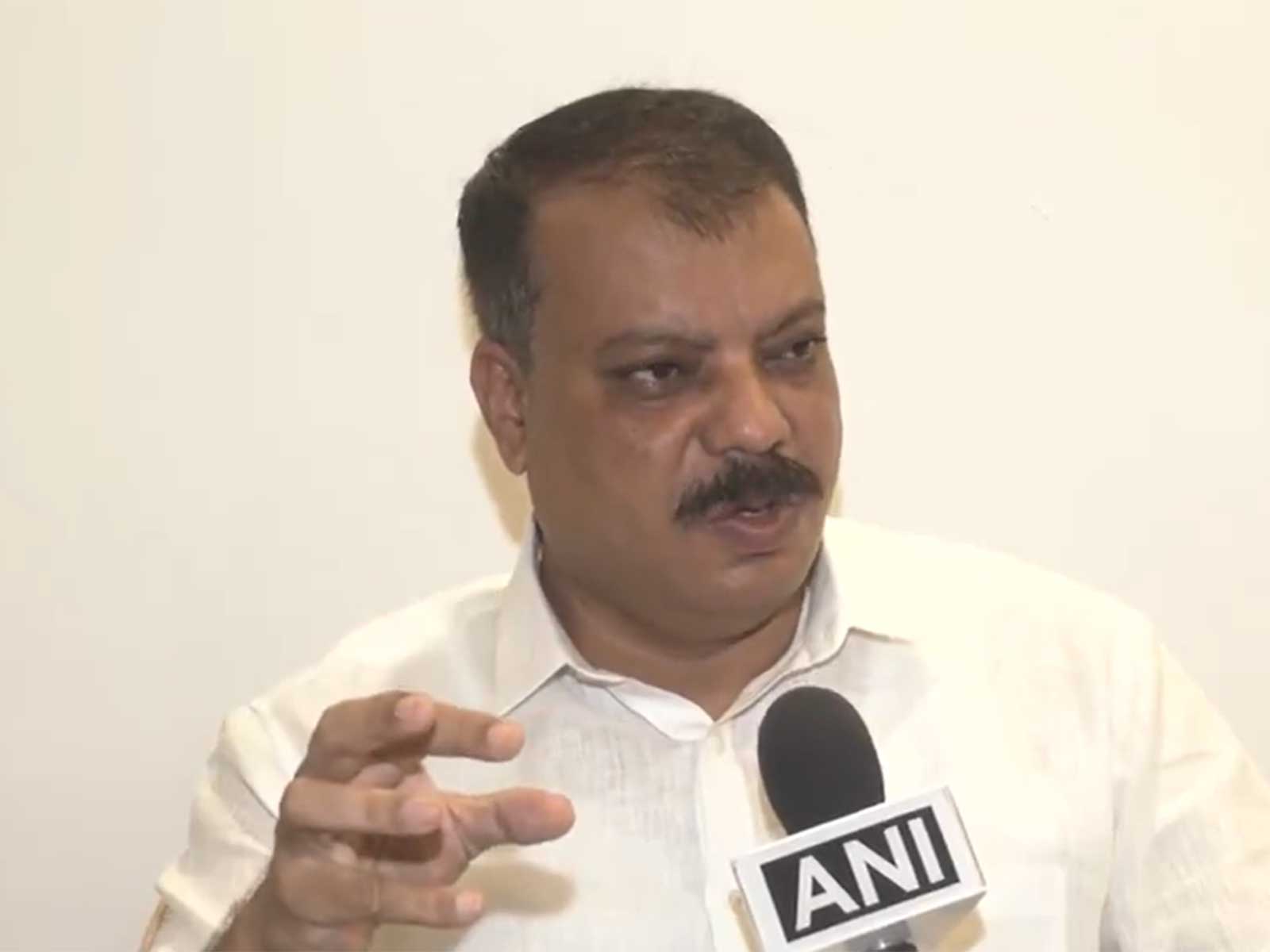
Talib Hussain from Nagam village in Budgam district said development has become more visible at the grassroots level, particularly in basic infrastructure and the delivery of government welfare schemes.
He said, "If we talk about grassroots development, earlier we had to wait for months to get even a simple electricity transformer. Now, a village head has the authority to get one installed without unnecessary delays. We have witnessed this change since the abrogation of Article 370."
According to Hussain, improvements in roads, electricity, drinking water supply and access to government schemes have made public services more accessible than before. However, he added that tribal areas still require greater attention to ensure balanced development.
Another resident, Zohran Mir, said better infrastructure and the expansion of tourism have positively impacted daily life. He noted that improved roads, reliable electricity and better drinking water facilities have strengthened connectivity while creating new livelihood opportunities for local communities.
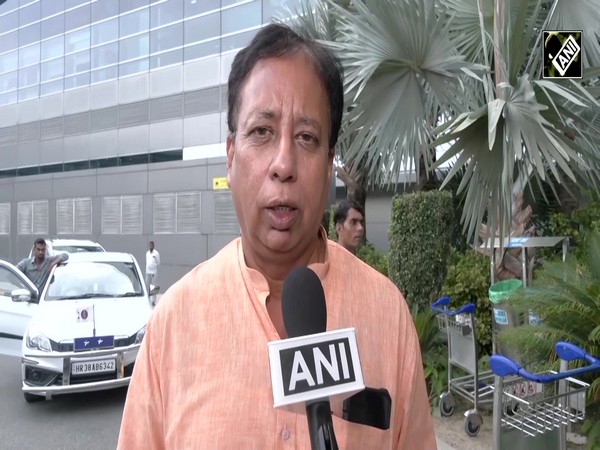
Geopolitical expert Dipankar Sengupta said the constitutional changes of 2019 have accelerated infrastructure development and created conditions for long-term economic growth in the Union Territory.
According to Sengupta, improved road and rail connectivity has brought many previously remote areas closer to mainstream development, opening new opportunities for tourism, investment and employment.
He said destinations such as Bhadarwah, Kishtwar, Panchari, Bani and parts of Kathua possess tourism potential comparable to established hill destinations. Improved connectivity, he added, could help generate employment across hospitality, transport and allied sectors.
Sengupta also highlighted the untapped potential of Jammu and Kashmir's horticulture sector. While the region has long been known for its apples and other fruits, he said productivity could be significantly improved through scientific orchard management, modern farming practices and value addition.
He urged local entrepreneurs and young people to play a greater role in expanding the sector and creating sustainable livelihoods.
He further said that investments in roads, railways, power and healthcare infrastructure have strengthened connectivity and improved the overall investment climate in Jammu and Kashmir. Continued infrastructure development, he added, is expected to encourage greater participation by local investors while ensuring that the benefits of economic growth remain within the region.
Seven years after the abrogation of Article 370, expanding infrastructure, stronger public services, growing tourism and improving connectivity are emerging as key indicators of Jammu and Kashmir's evolving development journey.