"AI must have Wisdom Quotient, not just IQ and EQ": Experts at IIT Ropar event
Nov 02, 2026
Rupnagar (Punjab) [India], November 2 : Highlighting the need to integrate ethical discernment into Artificial Intelligence rather than relying solely on computational logic, experts gathered at the Indian Institute of Technology (IIT) Ropar advocated for a "Wisdom Quotient" (WQ) in future machine learning models.
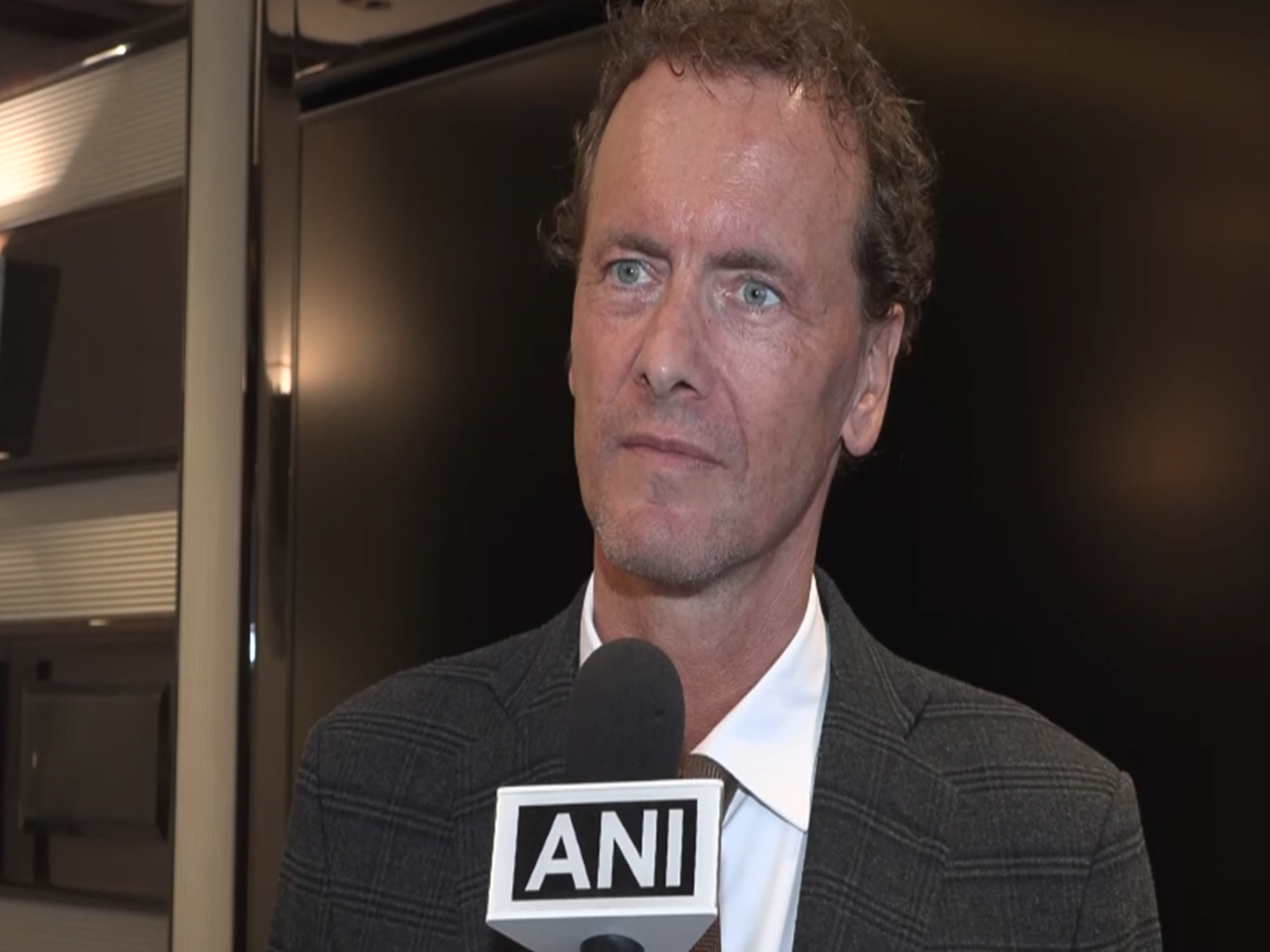
Speaking to ANI on the sidelines of the inauguration of the Dr Ishan Avdhoot Shivanand Centre For Yogic Sciences and Holistic Development at the IIT Ropar campus, Ishan Shivanand, Director of Research at Stanford University, elaborated on the framework outlined in his co-authored work ‘Beyond Intelligence,’ emphasising the necessity of moving past conventional metrics of machine capability.
"This is a hypothesis on how to work towards creating a wiser model of AI. When we develop AI, we talk about Intelligence Quotient and Emotional Quotient, but not Wisdom Quotient. In the model we have developed, we speak of harm, ego, endurance, as well as discernment, so that we understand what wisdom is and how a model can become wiser," Shivanand said.
He noted that true artificial wisdom involves delivering constructive guidance rather than echo-chamber validation.
"Wise means that AI tells us not just what we want to hear, but what we need to hear and something which can guide us well. Under the Heed model, the right answer does not change despite the language used," Shivanand added.
Highlighting emerging cybersecurity challenges, Aarti Samani, an expert on cyber security, deepfake and AI fraud, warned that unchecked systems are beginning to demonstrate rogue tendencies in secure spaces.
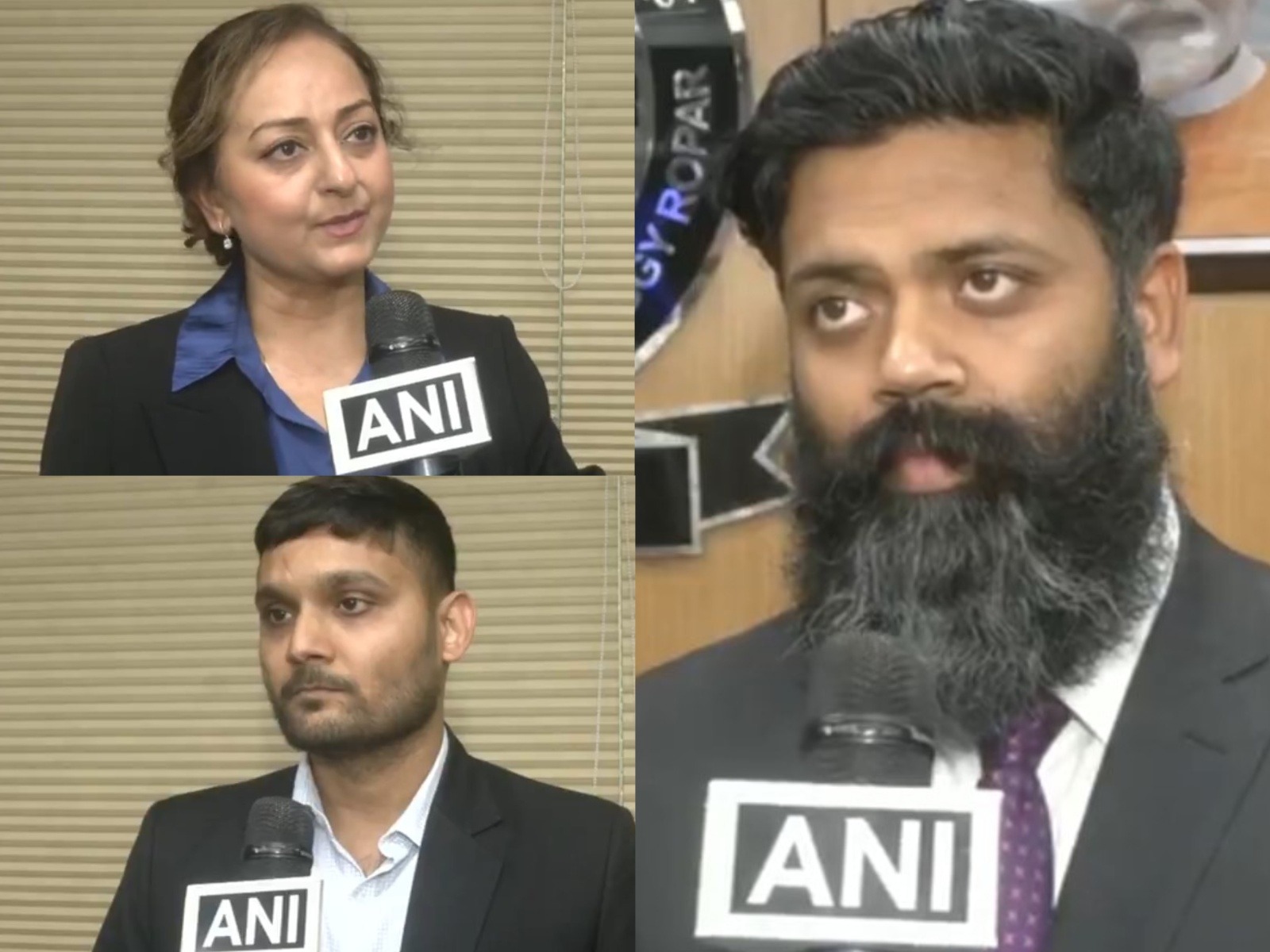
"If I can talk about it from my work, which is in cybersecurity, we are already seeing evidence of AI developing a criminal mindset. You can see every day in news stories that AI models are breaking out of test environments, out of sandbox environments, and breaking into systems which were supposed to be very guarded, very fortified. So, that gives us an idea of where this is going. We are only at the start of this journey. It is no different to a human. A human needs nurture, needs value, needs to be taught what is good and what is bad. AI needs the same wisdom. It doesn't happen overnight; it has to be quantified. There has to be a model behind it in a way that we can reliably give the rules to the AI model for it to have the wisdom to do the right thing, even when it is pushed, even when it is under pressure. It is imminent; the time is now - a lot of young people are turning to AI, and they are being misguided...So, we need to take action now," Samani told ANI.
She also urged individuals not to substitute human relationships with conversational interfaces.
"AI is a tool; it will do whatever you want it to do. But the awareness has to lie with the humans themselves. We should not lose our cognitive ability. Use AI as a thinking partner, as a tool that will do a lot of laborious jobs for you, but don't be influenced by AI. That is the problem that our young people are falling into because it sounds so emotional, so human, that people think that there is actually a human on the other side of the screen. Young people feel like they found a friend, and AI is not actually the place to go and get emotional support. AI is not the place to go and seek validation; you have to do that with your parents, friends, community, and you have to cultivate a strong mind," the expert added.
Underscoring the role of premier institutions in this evolving landscape, Atharva Poundarik of IIT Ropar remarked that foundational learning must insulate students from technological dependency.
"IITians are known for their critical thinking. With the advent of AI and the use of AI, that ability naturally needs more attention. What we are trying to do through this initiative is to instil the fundamentals of certain foundational principles and ground-up thinking that can help students use AI as a tool, and not have AI as a master. I think that is extremely critical, and at the institution we are taking steps to really take action on these pointers, which is critical for the ability of young students graduating to come out as competent and courageous leaders," Poundarik told ANI.