Andy Burnham in line to become British PM will be "bullish" on India: Former UK-India FTA Chief Negotiator Harjinder Kang
Jul 15, 2026
New Delhi [India], July 15 : The trade and political partnership between the United Kingdom and India possesses an unmatched foundation rooted in shared history, culture, and economic ambitions, indicating sustained positive momentum across all leadership tiers.
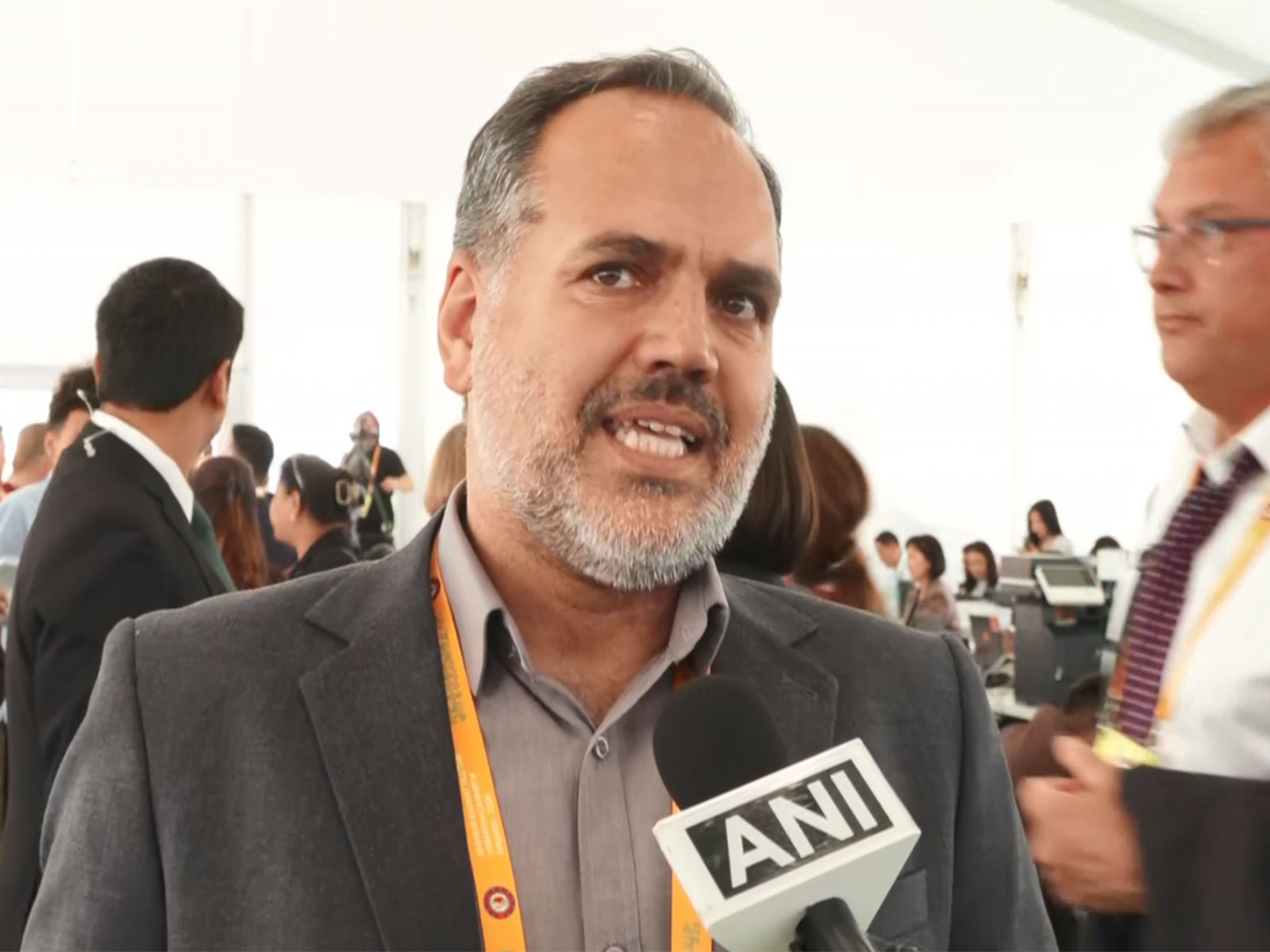
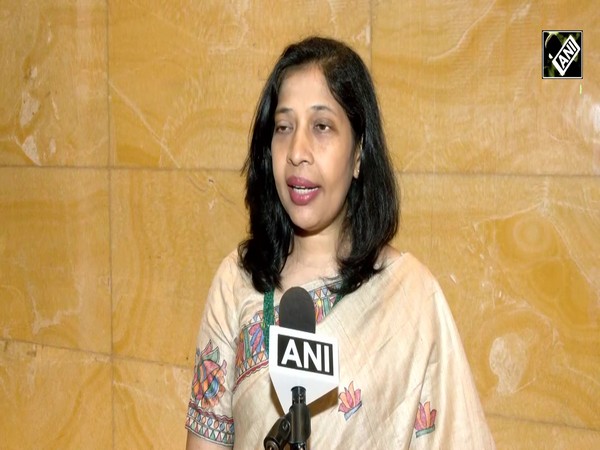
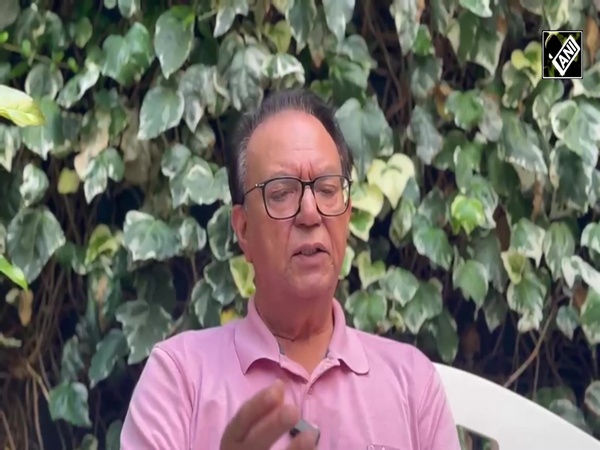
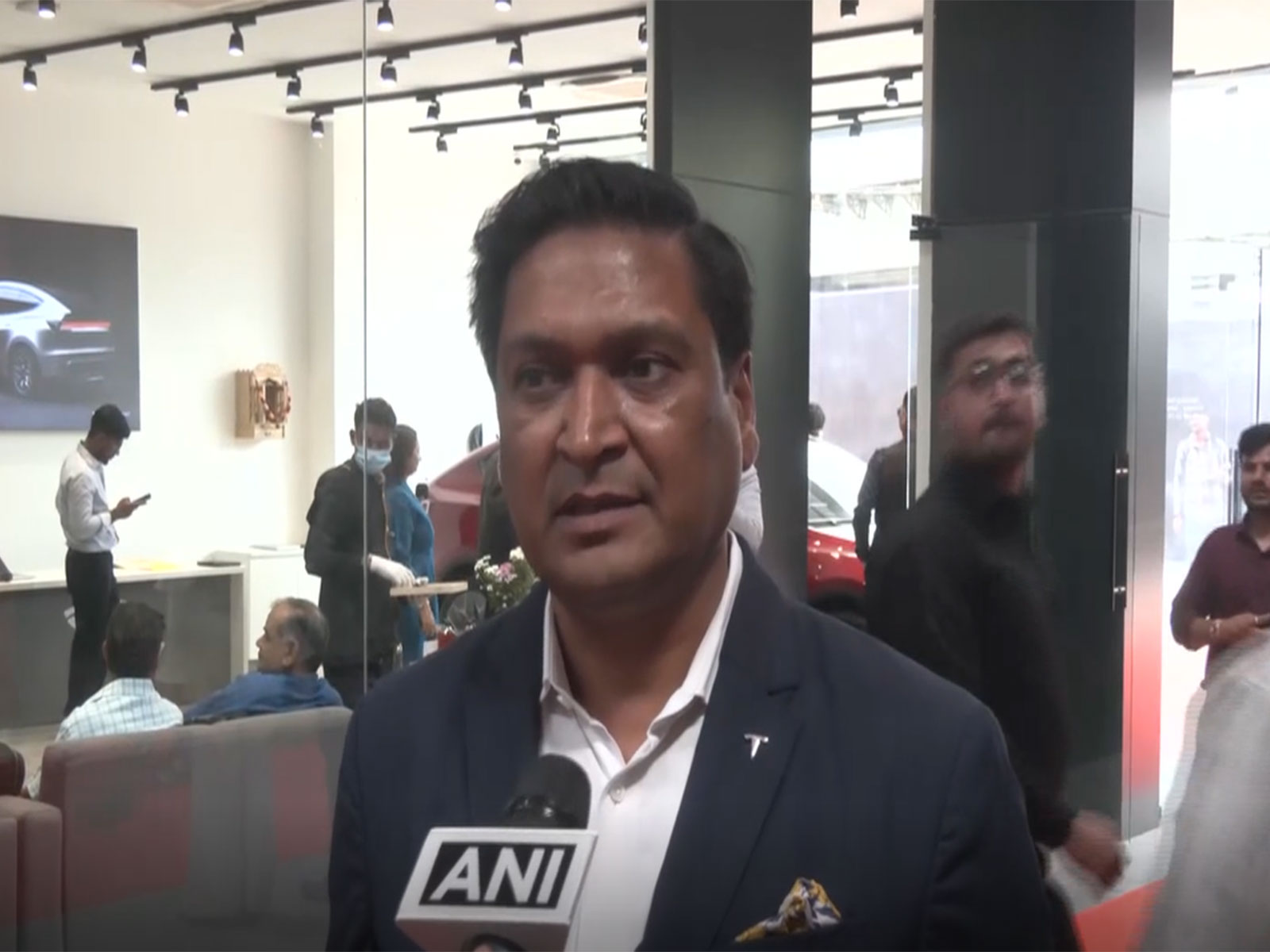
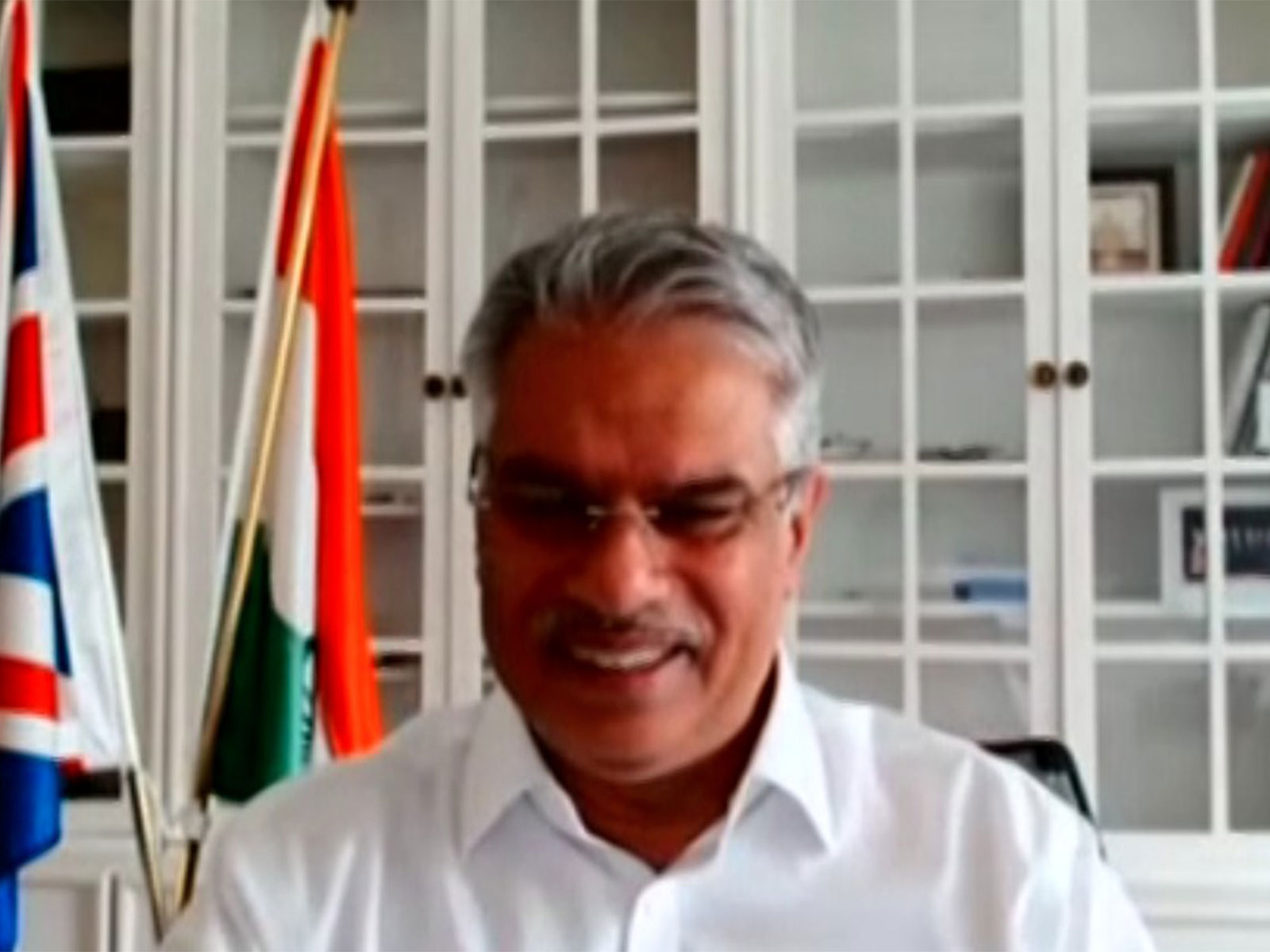
In an interview with ANI, Harjinder Kang, the UK's Trade Commissioner for South Asia, who was also the Chief Negotiator for the India-UK Free Trade Agreement (FTA), provided crucial context to this relationship amid major political shifts in London.
Kang expressed strong confidence that key British political figures, including Greater Manchester Mayor Andy Burnham, who is currently positioned to take over as Britain's next prime minister as early as next week, will continue to maintain a highly bullish outlook on relations with New Delhi.
The left-leaning Burnham has secured a decisive surge of support, clinching the endorsement of over 85 per cent of Members of Parliament from the ruling Labour Party.
He received an additional 27 nominations on Monday afternoon, pushing the aggregate number of lawmakers backing his leadership and prime ministerial bid to 349.
Burnham, who previously held ministerial portfolios under former Prime Ministers Tony Blair and Gordon Brown, returned to Parliament after being elected as the MP for Makerfield last month.
His campaign to return to Westminster was initiated in the wake of heavy losses suffered by the Labour Party during the local elections in May.
Upon launching his bid, he confirmed his intention to succeed Keir Starmer if his campaign proved successful.
This domestic political transition follows the outgoing prime minister's resignation announcement last month, which came after intense criticism from elements within his own political party.
Starmer faced considerable blame for a series of scandals, alongside allegations of failing to present a distinct vision for the nation.
Although he had secured a landslide majority two years prior, the former lawyer faced escalating demands to step down as the Labour Party continued to perform poorly in public opinion polls.
Amid these major changes at Westminster, Kang emphasised that the trajectory of UK-India ties remains entirely secure.
When asked whether Andy Burnham would remain bullish on India, Kang stated, "Well, I'm, I am actually going to put my neck out and say yes, because I actually spoke to him not so long ago, because there was some mayors is coming to India at the end of the year, and he was going to be part of that journey. And he was very keen on the Greater Manchester area and the relationship with India that he wanted to build, and he was going to come on a mission himself. So let's see what happens in the future."
Highlighting a broad, cross-party consensus within British politics regarding the strategic significance of the Indian economy, Kang stressed that current and past British leaders share a uniform perspective on the matter.
"But I strongly suspect he will be in the same frame of mind that all his predecessors have been, whether it's, you know, Keir Starmer, whether it's Rishi Sunak, etc. They are all very much thinking that this is why you would not want to have a positive political and trading relationship with the fastest-growing economy, which is going to be the third-largest superpower in the next five years or so. Why would you not want to do that? Especially the UK, because the relationship is unique. No one else has this relationship," Kang stated.
Delving deeper into the distinct ties that separate the UK-India dynamic from New Delhi's arrangements with other global powers, Kang noted that the depth of the bilateral bond remains unparalleled across multiple sectors.
He stated, "If you ever look at what the UK and India have in common, and then compare what Germany, France, Japan, even the US has in common, there is no one else like us, whether it's sport, whether it's culture, whether it's the diaspora, whether it's the people, even the politics, the legal system, the language. I can go on and on. It is unique. And I think for us not to want to be part of that would be mad."
Crucially, Kang also dismissed assertions that external geopolitical variables acted as a catalyst to accelerate the final stretch of these bilateral trade negotiations.
The remarks come in the wake of significant global trade friction triggered by the United States' recent 'Liberation Day' tariffs, a universal 10 per cent baseline duty alongside aggressive sector-specific penalties imposed by Washington.
While the sudden American trade offensive forced many Western economies into defensive renegotiations, Kang maintained it did not dictate the timeline for New Delhi and London.
He outlined that the breakthrough achieved by New Delhi and London was the culmination of a deliberate, long-term diplomatic process that had reached its logical conclusion regardless of external triggers.
"There was no additional pressure on both economies because of what the US was doing. This was simply the natural progression of the negotiations that were going to happen regardless. It reached a point where both political systems agreed that this was it; there wasn't much more either side could gain. We had challenged each other enough. There's a lovely story that Minister Piyush Goyal often shares, and Jonathan Reynolds, our Trade Secretary at the time, has confirmed it as well. They went for a final few discussions, took a walk in a park in London, bought each other an ice cream, and agreed to shake hands while walking around the park. They basically said, 'That's it. We agree,'" Kang added.
This enduring economic relationship is further underscored today as the landmark trade pact officially comes into effect on July 15.
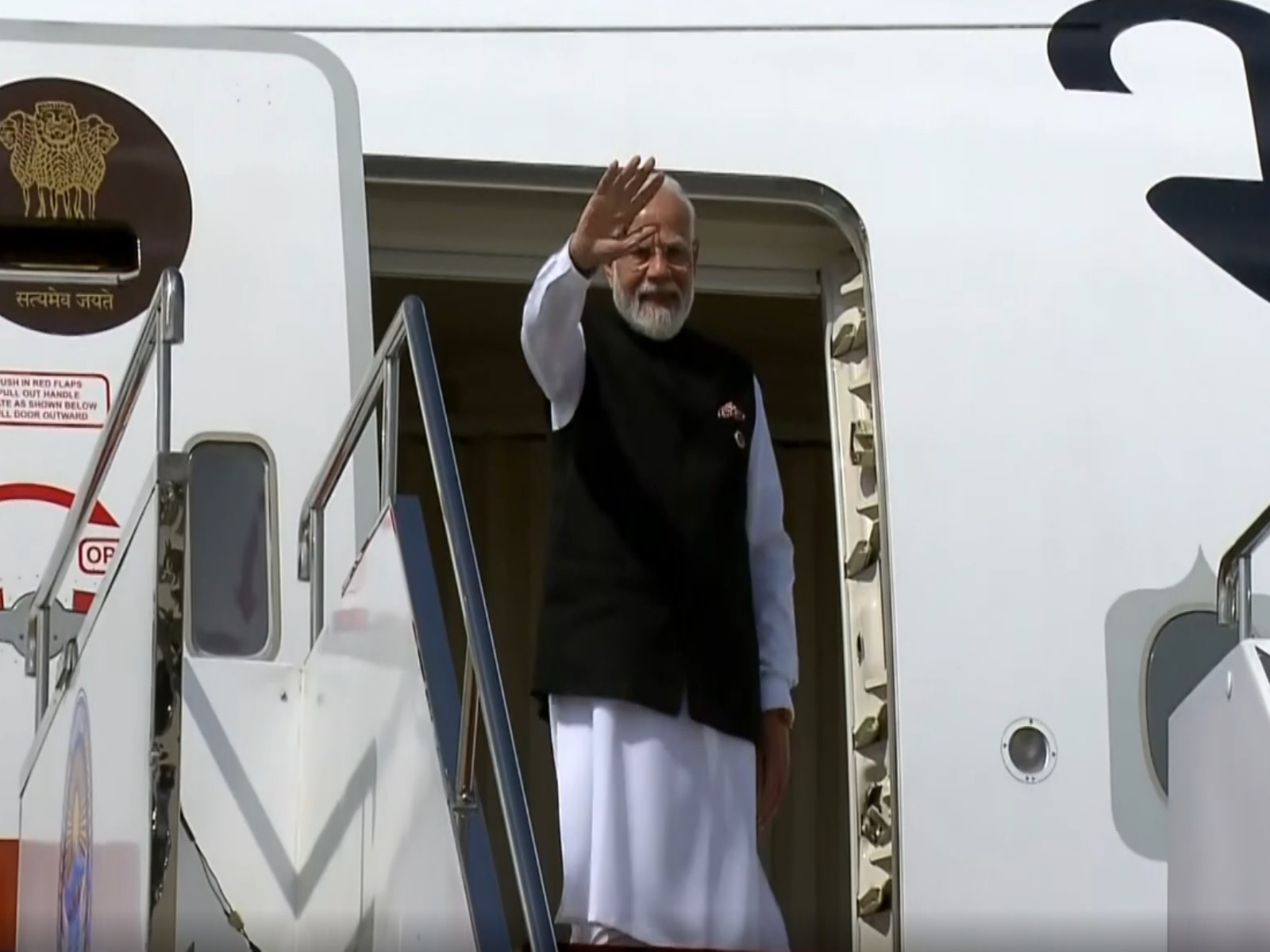
The bilateral Free Trade Agreement (FTA), officially known as the Comprehensive Economic and Trade Agreement (CETA), was signed in London in July 2025 during Prime Minister Narendra Modi's visit to the UK.
Aimed at boosting bilateral trade between the two nations by £25.5 billion annually, the historic pact unlocks zero-duty access for 90.2 per cent of Indian exports to the UK.
According to the Ministry of Commerce and Industry, the deal includes substantial tariff reductions on goods such as textiles, whisky, and cars, significantly improving market access and making Indian exports far more competitive in the British market and vice versa.