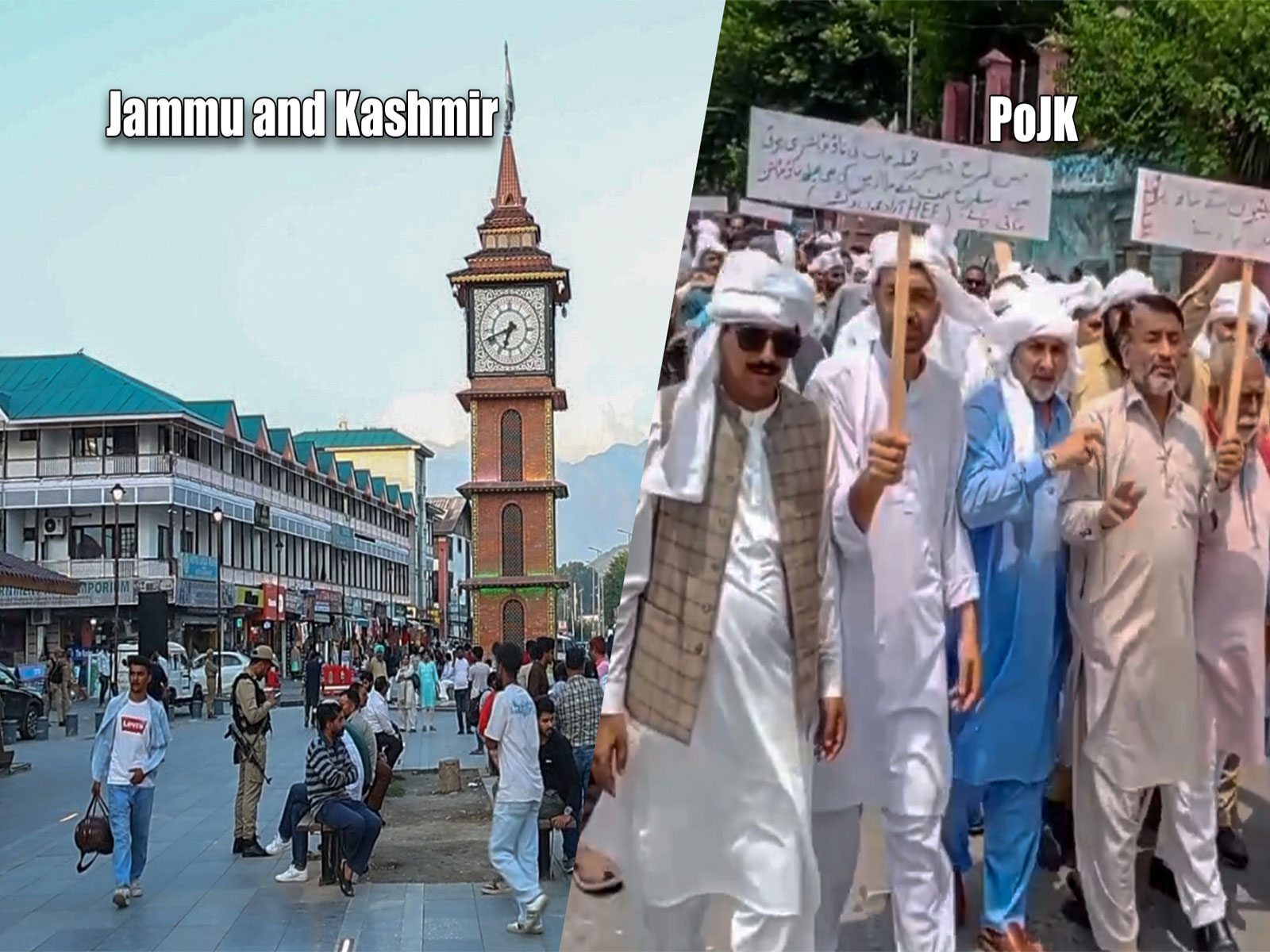
Article 370 Abrogation Anniversary: J-K, PoJK present contrasting development trajectories
Aug 04, 2026
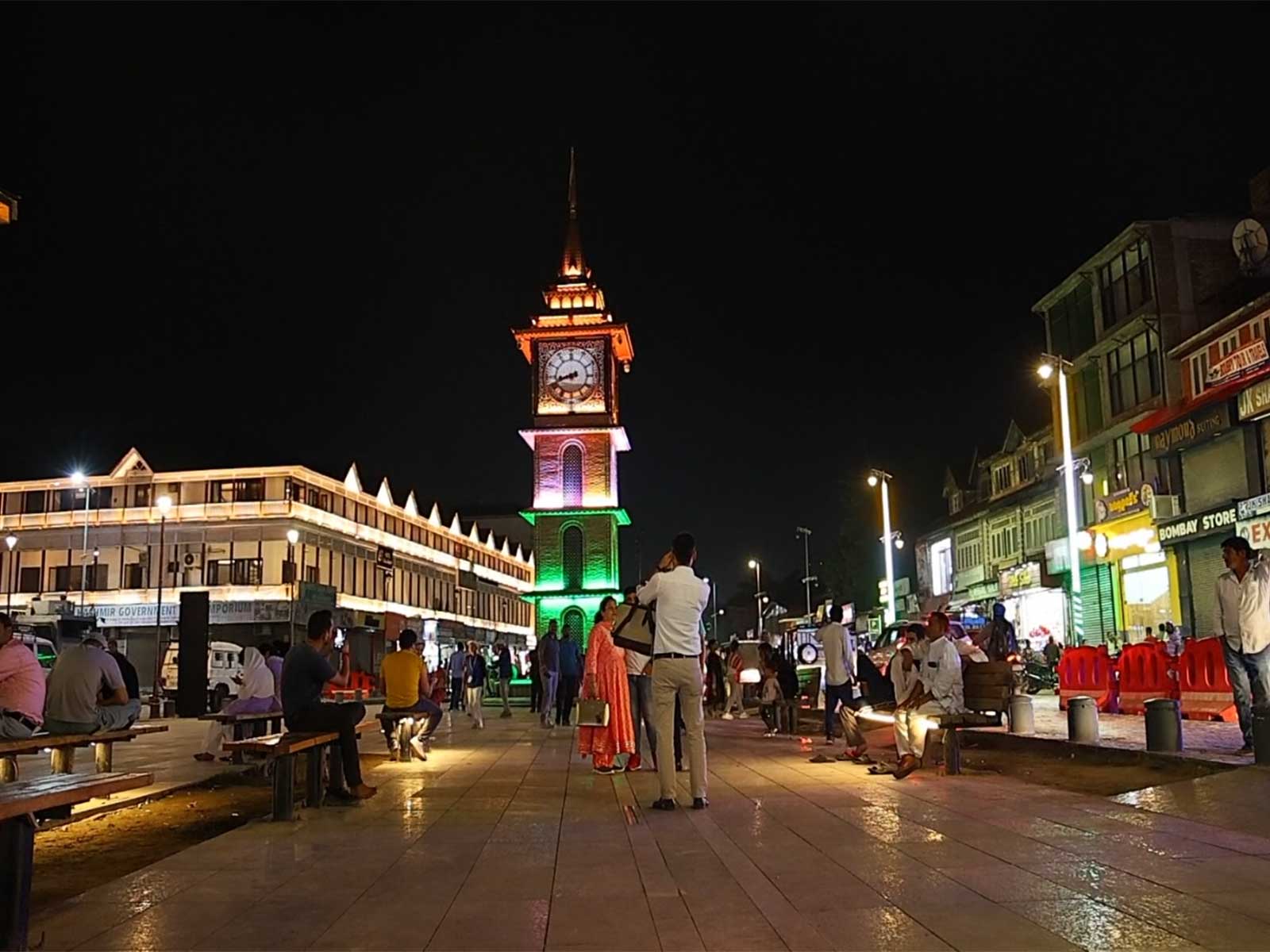
Srinagar (Jammu and Kashmir) [India], August 4 : Jammu and Kashmir and Pakistan-occupied Jammu and Kashmir (PoJK) present sharply contrasting pictures, with the Indian Union Territory witnessing economic growth and infrastructure expansion, while PoJK continues to grapple with economic distress, political unrest and recurring protests.
According to the Comptroller and Auditor General (CAG) Report on the Finances of the Union Territory for 2024-25, Jammu and Kashmir has recorded steady economic progress over the past five years.
The Union Territory's Gross State Domestic Product (GSDP) increased from Rs 1.68 lakh crore in 2020-21 to Rs 2.62 lakh crore in 2024-25, while per capita income rose from Rs 1.01 lakh to Rs 1.55 lakh during the same period. The report also points to a significant rise in developmental spending. Expenditure on Economic Services increased from Rs 14,842 crore in 2020-21 to Rs 23,257 crore in 2024-25, while spending on Social Services rose from Rs 21,964 crore to Rs 28,234 crore.
The combined share of social and economic sector expenditure increased to 62 per cent of total expenditure in 2024-25, reflecting a greater emphasis on development-oriented sectors.
The CAG further noted that the ratio of total expenditure to Gross State Domestic Product (GSDP) declined from 37.66 per cent in 2020-21 to 31.45 per cent in 2024-25, indicating that the region's economy is becoming progressively less dependent on government spending as overall economic activity expands.
In contrast, Pakistan-occupied Jammu and Kashmir is facing mounting socio-economic challenges.
The region has an official unemployment rate of 11 per cent, while youth unemployment has reached 27 per cent, contributing to the migration of educated young people in search of opportunities.
Poverty also remains a major concern. While the official poverty rate stands at 12.65 per cent, nearly 18.6 per cent of the rural population remains vulnerable to slipping below the poverty line because of continuing economic pressures.
The worsening economic situation has fueled widespread public discontent. Residents have staged repeated protests against rising electricity tariffs, increasing food prices and what they describe as inadequate governance.
Led by the Joint Awami Action Committee (JAAC), citizens have organised territory-wide shutdowns, long marches and civil disobedience campaigns, demanding subsidised wheat flour and a fair share of electricity generated from the region's hydropower resources.
The region has also witnessed repeated allegations of human rights violations, along with incidents of political unrest, targeted killings and abductions of political activists, adding to concerns over governance and stability.
Seven years after the constitutional changes of 2019, the two regions present contrasting trajectories -- one marked by expanding infrastructure, rising developmental expenditure and economic growth, and the other continuing to face economic hardship, political unrest and public protests.