Arvind Kejriwal stated "reasonable apprehensions": AAP's Saurabh Bharadwaj after Delhi HC dismisses former CM's recusal plea
Apr 20, 2026
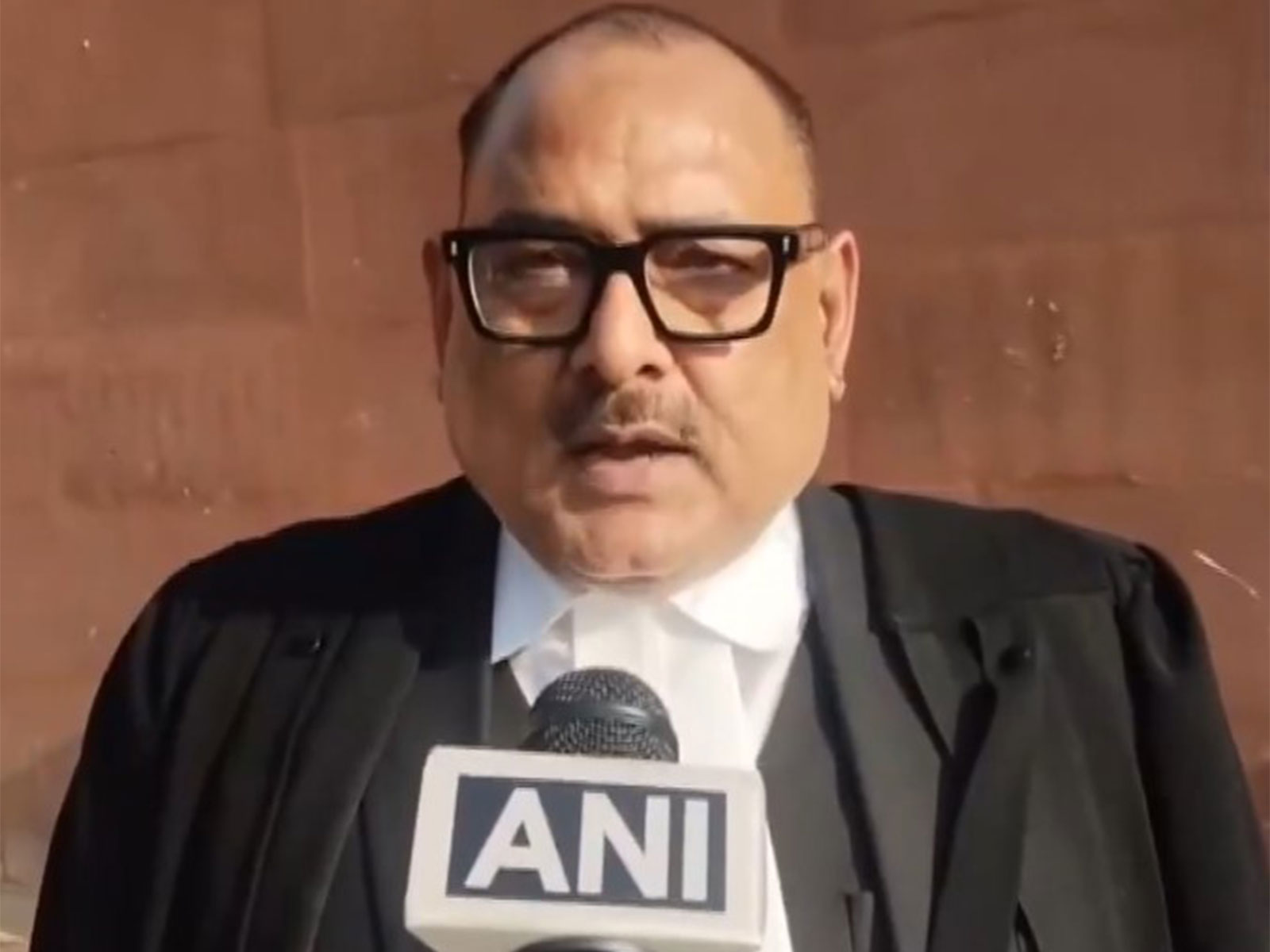
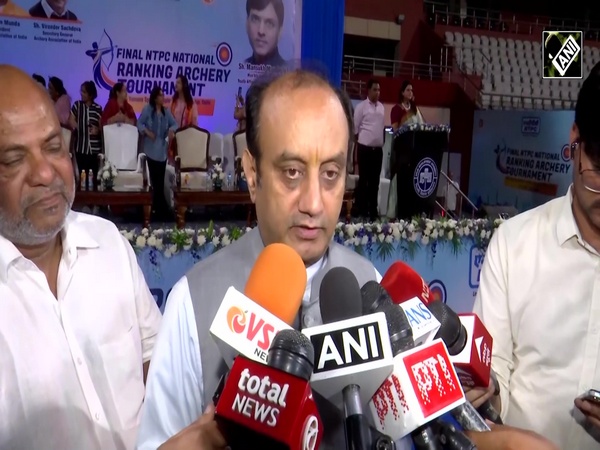
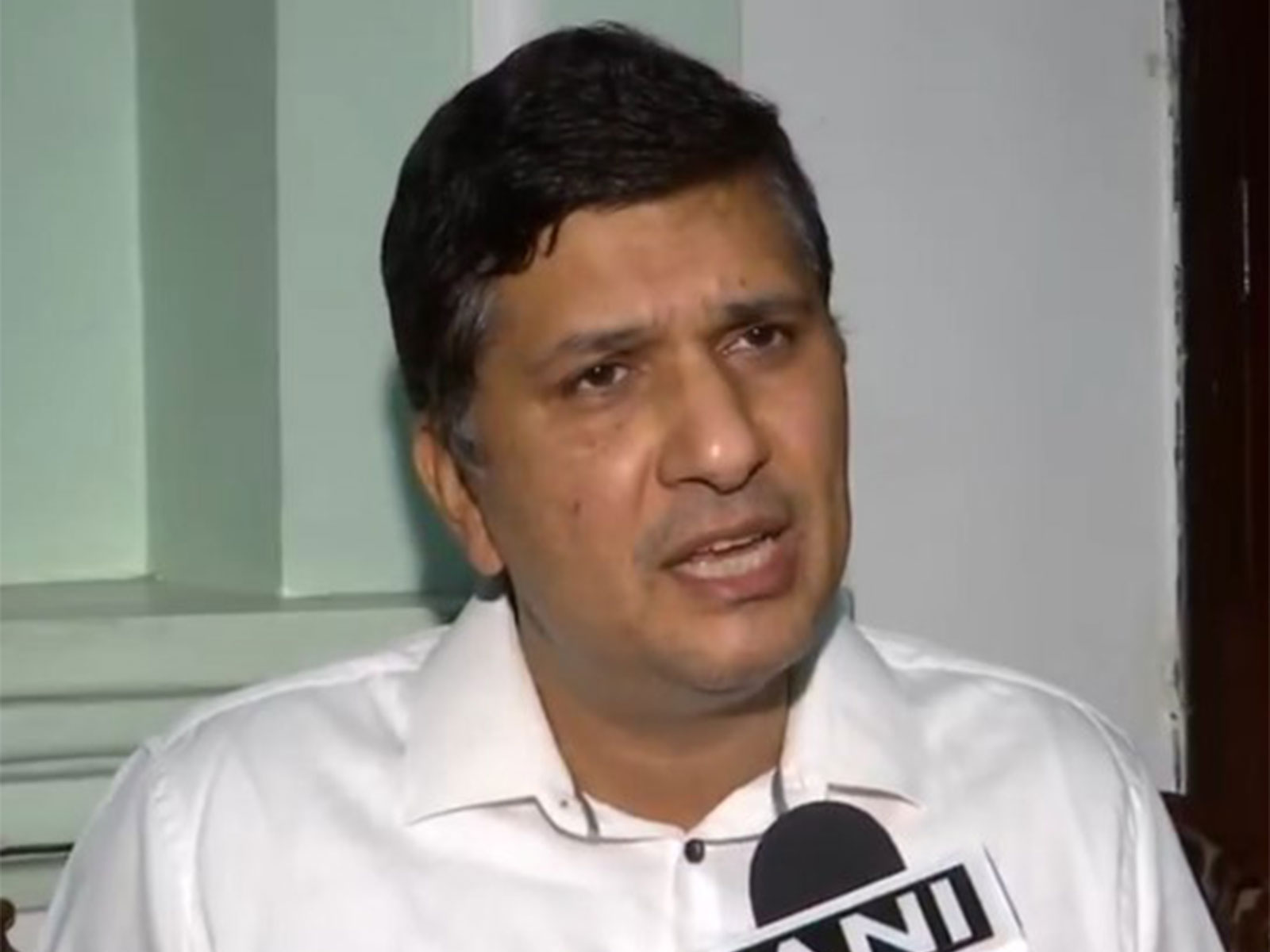
New Delhi [India], April 20 : After AAP supremo Arvind Kejriwal's recusal plea was dismissed by the Delhi High Court, the party's Delhi unit chief Saurabh Bharadwaj on Monday expressed dissatisfaction over the decision, asserting that the former Chief Minister made "reasonable apprehensions", alleging a double standard in how the judiciary protects its image.
Speaking to ANI, Bhardwaj alleged that Delhi CM Rekha Gupta had made a similar statement when Kejriwal was discharged by the Rouse Avenue Court, claiming that he personally wrote a letter to the High Court Registrar over the alleged statement, but there was no action.
"Arvind Kejriwal and his colleagues, who were discharged, told the court that they had a reasonable apprehension that they would not receive justice from this court. Arvind Kejriwal listed ten points, stating that this was the main reason for this apprehension. The court declared that all these apprehensions were wrong... If the High Court were concerned about the judiciary's image, then when Chief Minister Rekha Gupta said that the Rouse Avenue Court judge was set, and that is why Arvind Kejriwal was discharged. The High Court would have initiated contempt proceedings against Rekha Gupta," he said.
"If the Supreme Court remains silent on a situation where a sitting Chief Minister says something like this, it raises serious questions about the Supreme Court, the High Court, and the entire institution," he added.
Meanwhile, Delhi BJP President Virendra Sachdeva strongly condemned the AAP leader's move, accusing him of attempting to politicise the judicial process, stating that the latter should understand that the court is not a "political arena".
Speaking to ANI, Sachdeva accused Kejriwal of violating the Constitutional dignity with what he called his "narrative" behind the plea.
"Arvind Kejriwal's problem is that he crosses boundaries with his overly clever style. He should understand that the court is a temple of justice, not a political arena. The narrative that Arvind Kejriwal tried to manufacture and made personal comments, it was a violation of Constitutional dignity," Sachdeva said.
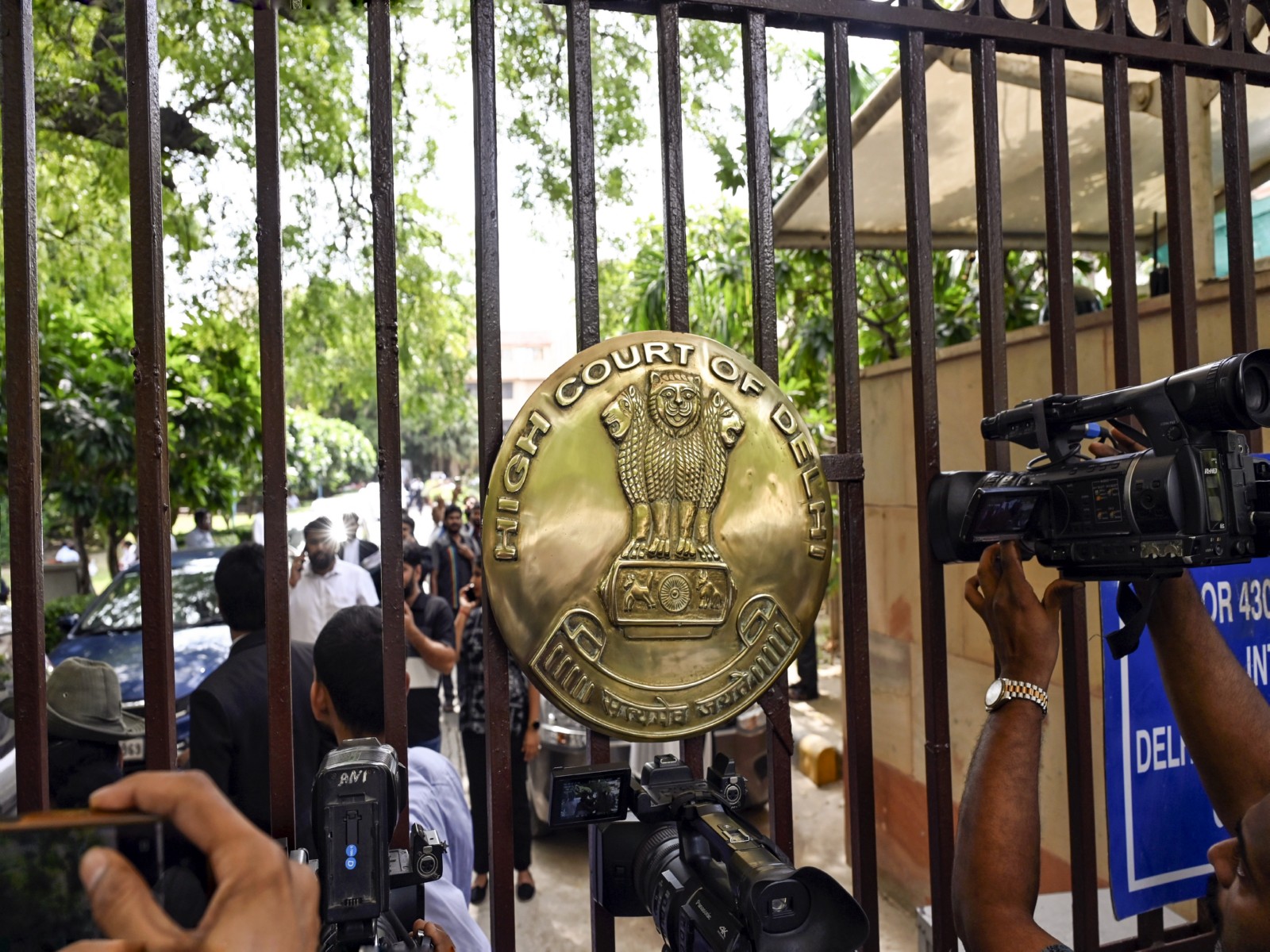
Earlier, the Delhi High Court dismissed Kejriwal's plea seeking recusal of Justice Swarana Kanta Sharma in the excise policy case, holding that the allegations were based on conjecture and failed to meet the legal standard of a reasonable apprehension of bias.
Leading with sharp observations, the Court emphasised that "the courtroom cannot become a theatre of perception" and cautioned that even a powerful political figure cannot be permitted to cast aspersions on a sitting judge without material evidence. It held that the same standard of fairness applies when allegations are made against the judiciary and warned that entertaining such pleas would erode institutional credibility.
Justice Sharma noted that the applicants' case was built on "insinuations and aspersions" rather than proof, and that accepting such arguments would set a dangerous precedent. The Court observed that a judge cannot be asked to recuse merely because a litigant apprehends an unfavourable outcome, stating that "justice cannot be managed through perception."
Justice Sharma also highlighted that the plea had created a "catch-22" situation--if the Court recused, it would validate the allegations; if it did not, the outcome would still be questioned. Such tactics, the Court said, cannot be allowed as they risk undermining both the individual judge and the institution at large.
Kejriwal had alleged a perceived conflict of interest arising from the empanelment of the judge's children as Central Government counsel and argued that this creates a reasonable apprehension of bias. He also stated that he was unable to file a rejoinder after leaving the courtroom with permission while proceedings continued.