BJP's Prakash Reddy alleges Nehru was a 'Pakistan well-wisher', backs PM Modi's 'blood and water cannot go together' stand on Indus Waters Treaty
Jul 10, 2026
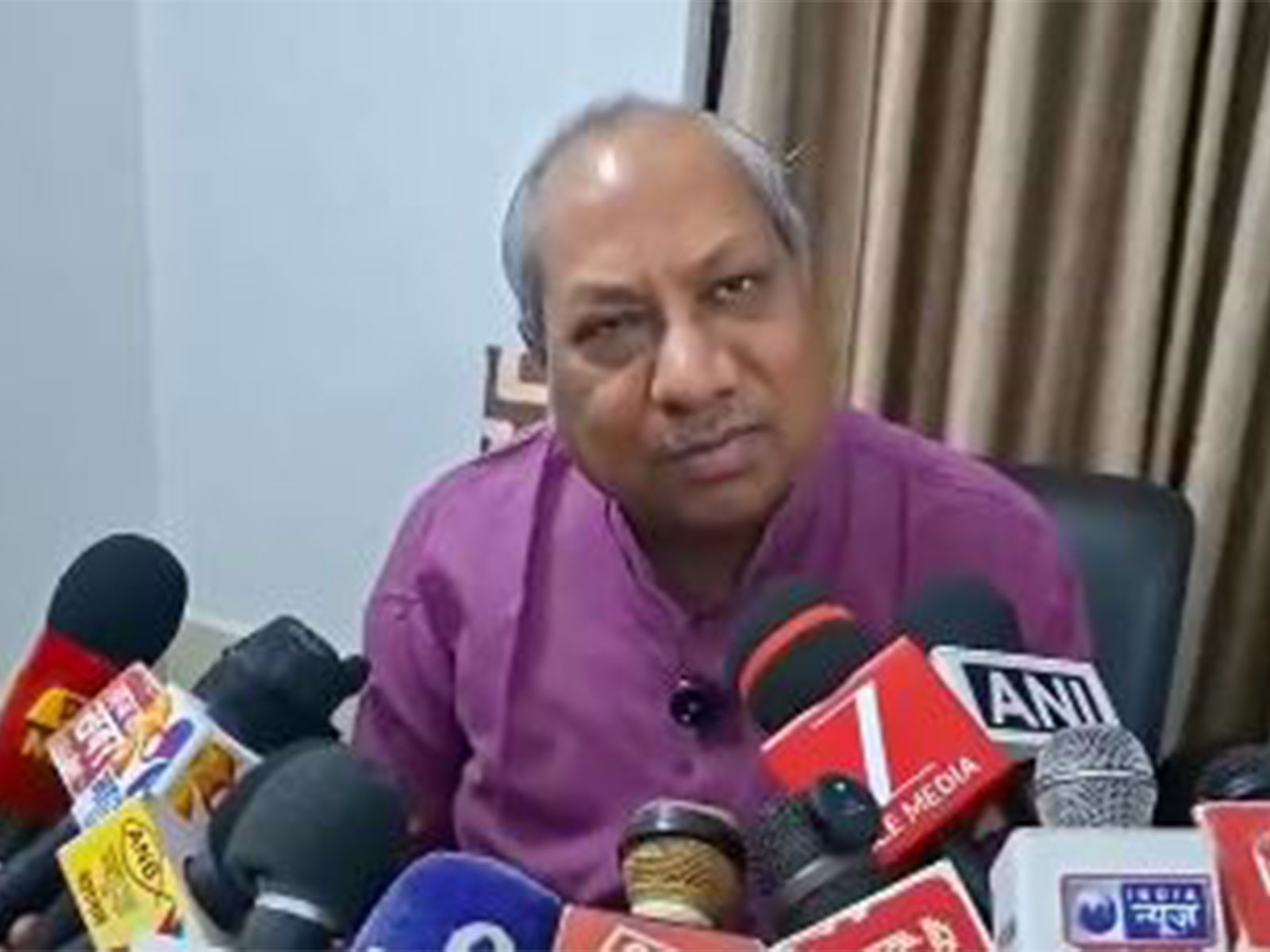
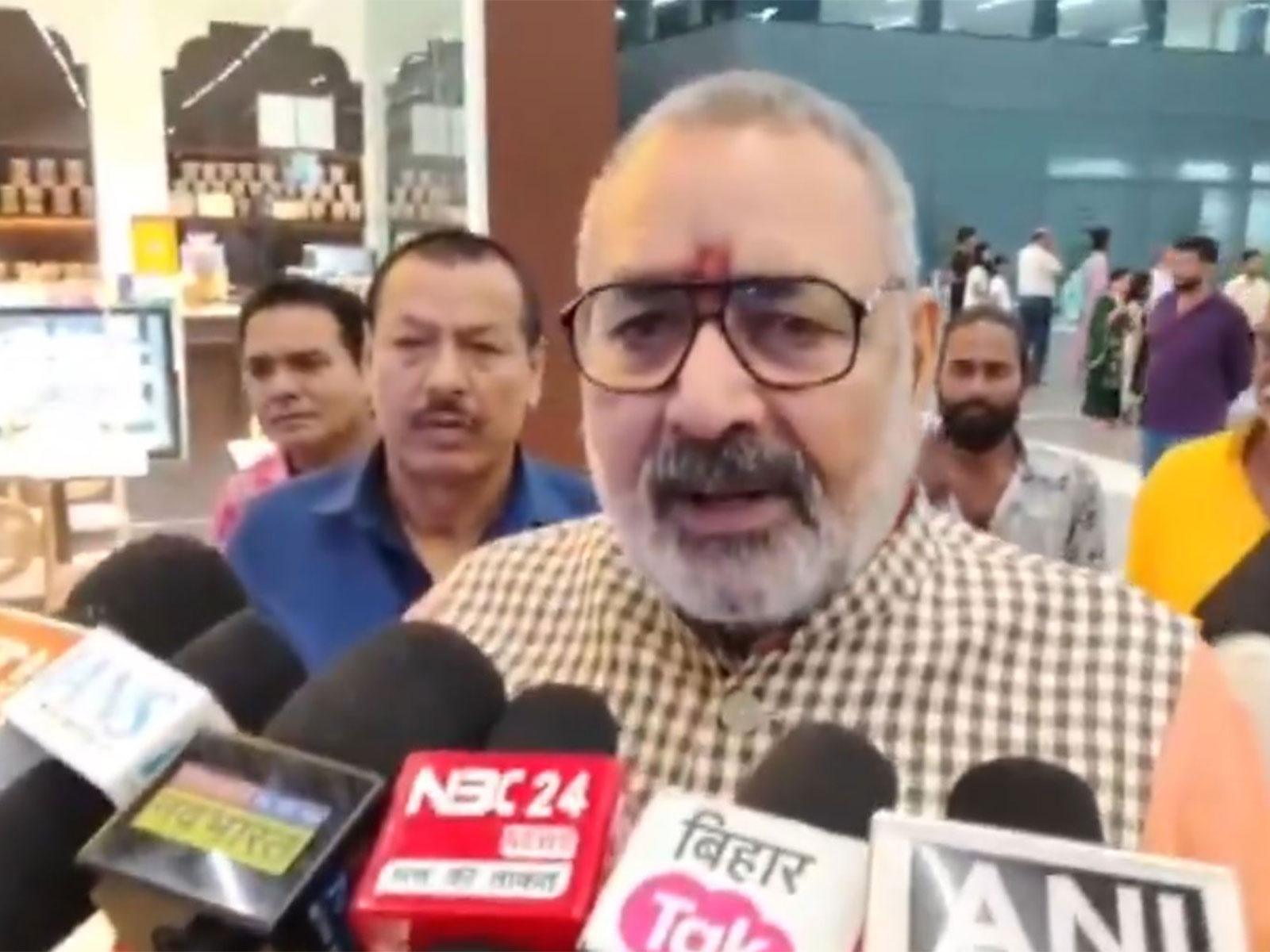
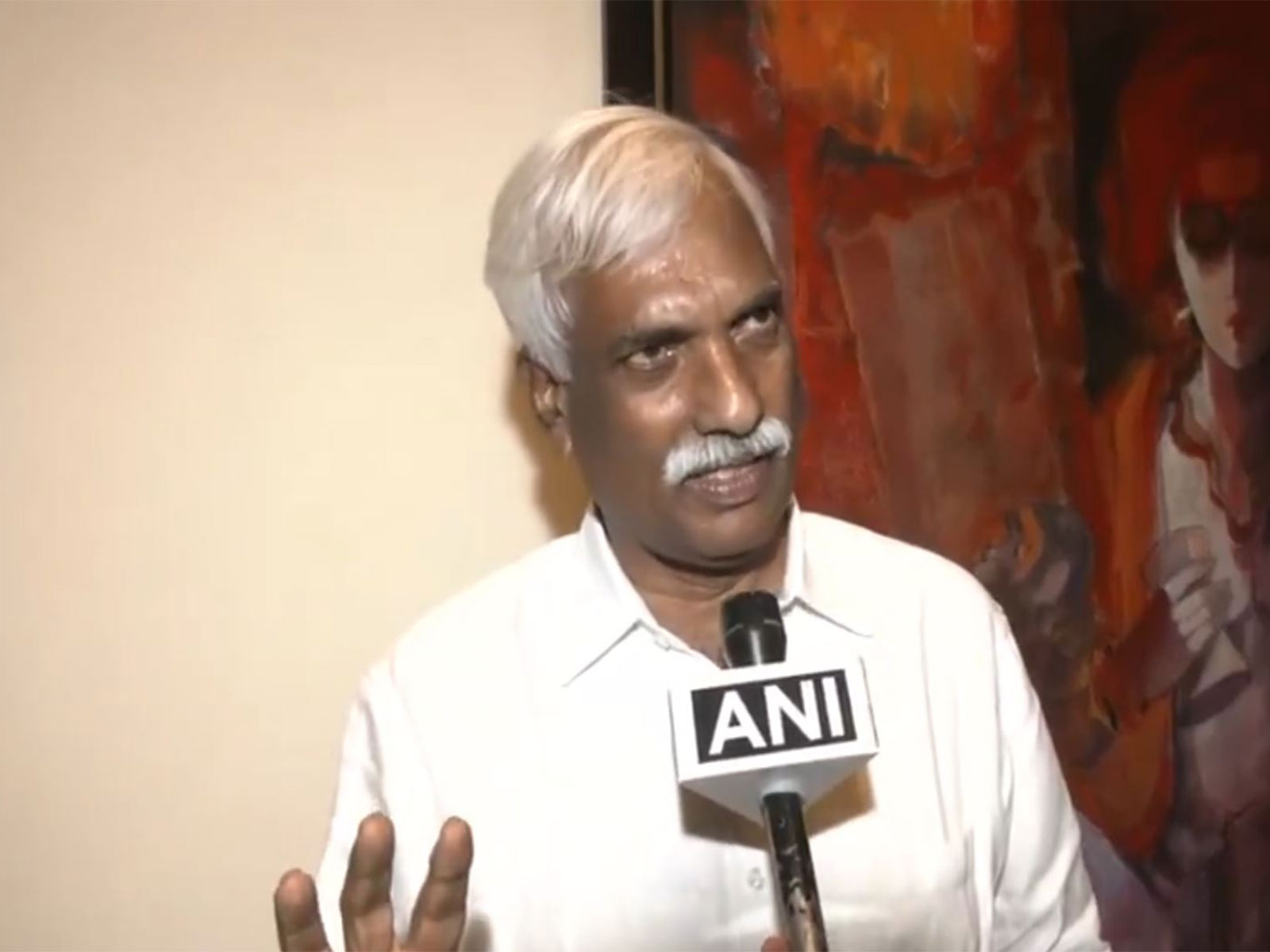
Hyderabad (Telangana) [India], July 10 : BJP spokesperson Prakash Reddy on Friday alleged that former Prime Minister Jawaharlal Nehru was a "Pakistan well-wisher" and described the Indus Waters Treaty as an "anti-India decision", while backing the Centre's decision to keep the Indus Waters Treaty (IWT) in abeyance.
He said the government was committed to maximising the use of water for India and reiterated Prime Minister Narendra Modi's assertion that "blood and water cannot go together."
Speaking to ANI in Hyderabad, Reddy also criticised the 1960 treaty, alleging that it was not in India's interest. "The Prime Minister, at the time of Operation Sindoor, clarified that blood and water cannot go together. That is the decision taken by the Prime Minister. And it is not only an issue of blood; the Indus Water Treaty itself, particularly in connection with the Jhelum water, is an anti-India decision....During the Nehru period, there was perhaps an inclination towards Pakistan; maybe he was a Pakistan well-wisher. Nehru agreed with Pakistan as far as the Jhelum water and the Indus River water are concerned. Now, the Government of India is very clear. The Government of India will try to take maximum water to Indian soils..." Reddy said.
His remarks come days after India reiterated that the Indus Waters Treaty with Pakistan would remain in abeyance until Islamabad credibly and irrevocably ends its support for cross-border terrorism.
Addressing a weekly media briefing on July 3, Ministry of External Affairs spokesperson Randhir Jaiswal said India's position on the treaty remained unchanged.
"India's position on the Indus Waters Treaty is consistent. IWT stands in abeyance in response to Pakistan's continued sponsorship of cross-border terrorism. Pakistan must credibly and irrevocably abjure its support for cross-border terrorism," Jaiswal had said.
Earlier, on June 5, Jaiswal had said the 1960 Indus Waters Treaty would remain in abeyance following the April 2025 Pahalgam terror attack. The Ministry of External Affairs also rejected the May 15, 2026 award of what it described as an "illegally constituted" Court of Arbitration on maximum pondage and treaty interpretation, stating that India had never recognised the court and considered all its proceedings and decisions "null and void."
Meanwhile, authorities on July 6 opened three gates of the Baglihar Dam in Jammu and Kashmir's Ramban district after the water level in the Chenab River rose significantly due to incessant rainfall in the Doda-Kishtwar region. The administration said it was continuously monitoring weather conditions and river flow, with all concerned departments remaining on alert.
The Indus Waters Treaty, signed between India and Pakistan in 1960, governs the sharing of the waters of the Indus River system.
Under the treaty, India has exclusive rights over the eastern rivers--Ravi, Sutlej and Beas--while Pakistan receives the waters of the western rivers--Indus, Jhelum and Chenab. India also retains limited rights over the western rivers for domestic use, agriculture and run-of-the-river hydroelectric projects, as specified under the treaty.