Brewing change in Bastar: Former women Naxals begin new life at Sukma's Tungal Natures Cafe
May 21, 2026
By Rajnish Singh
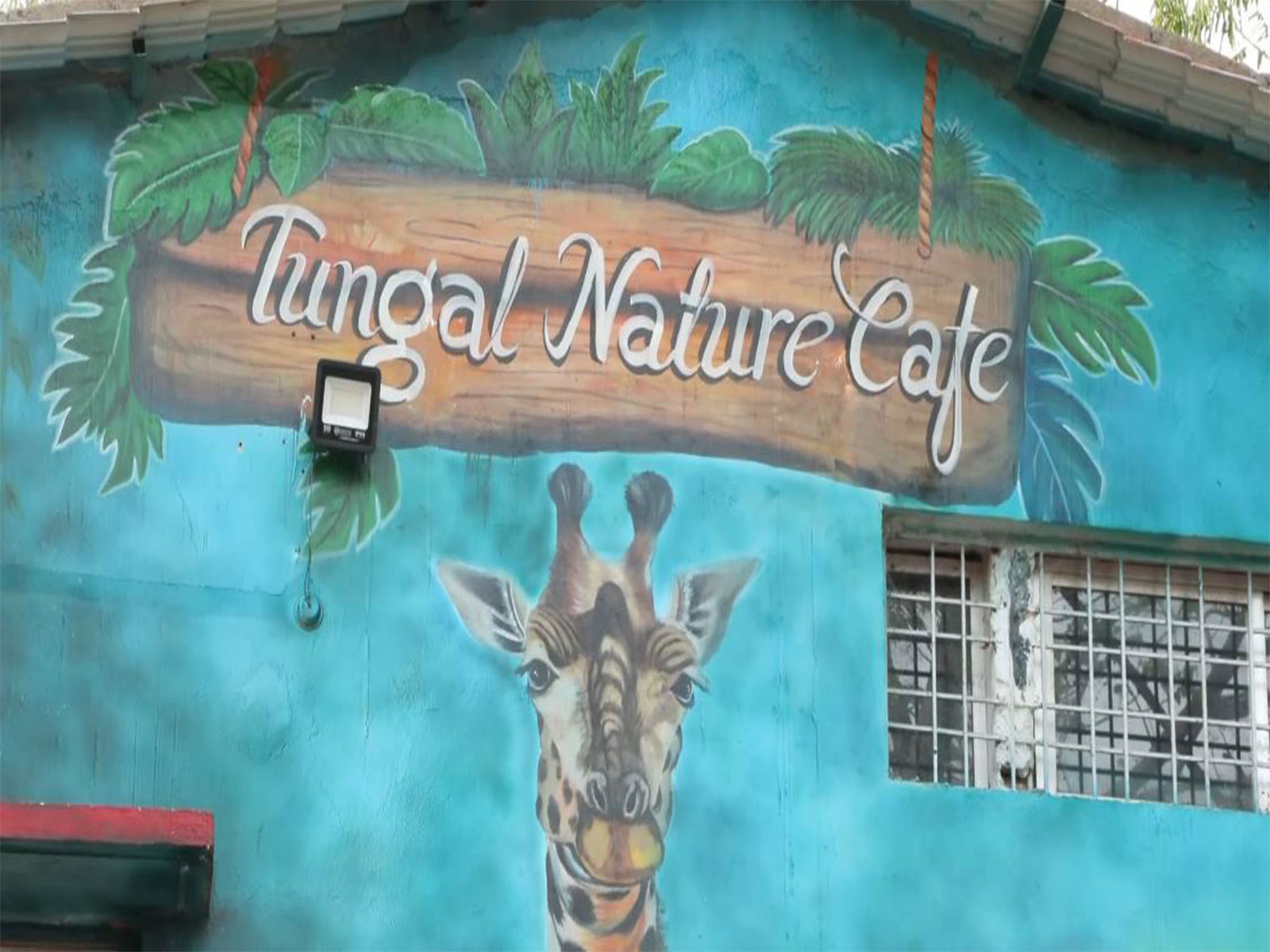
Sukma (Chhattisgarh) [India], May 21 : In a unique rehabilitation initiative, surrendered women Naxals in Chhattisgarh's Sukma district are rebuilding their lives by working at the Tungal Natures Cafe, nestled amid the region's dense forests.
c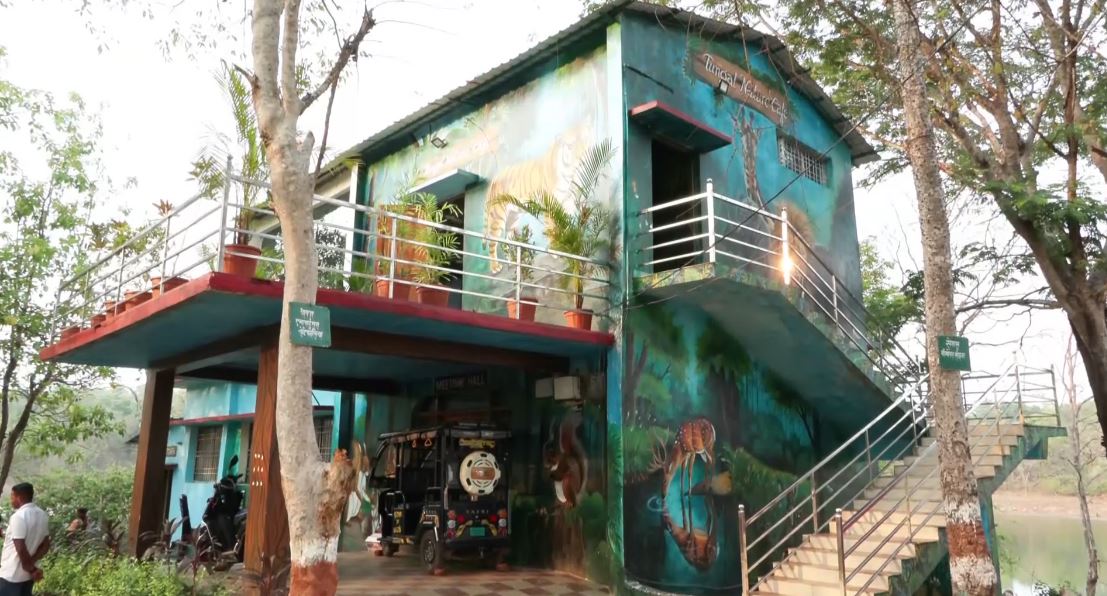
The new life of these surrendered women Naxals, who spent more than 10 years in Naxal operations, is now connected to a socially accepted routine job, steady income, and a renewed sense of belonging.
The cafe, located close to Tungal Dam, has become an example of how rehabilitation efforts in Chhattisgarh's Bastar region are taking shape on the ground. Here, surrendered cadres are not only earning a livelihood but also interacting daily with villagers and visitors, gradually rebuilding trust within communities that were once divided by years of insurgency.
Among those working at the cafe are Kuhram Rame, Madvi Budhri, Muchaki Some, Madkam Poje, and Kalmu Payke. In the past, each of them was associated with Naxal groups and had bounties ranging between Rs 1 lakh and Rs 5 lakh.
Currently, the responsibilities of these surrendered Naxal women are far removed from that life. They spend their days preparing food, serving customers, tending to plants, and handling basic accounts.
Their work shifts stretch between eight and ten hours, for which they receive a monthly salary of around Rs 8,000. While the earnings are modest, the women describe the opportunity as a turning point. For many, it is their first experience of financial independence within a peaceful environment.
Officials involved in the initiative say the idea is to provide former Naxals with practical skills and stable employment, enabling them to transition smoothly into mainstream society.
The Tungal Natures Cafe is managed by the forest department and was opened in December 2025. It is part of a broader rehabilitation approach that focuses on both economic support and social reintegration.
The concept also draws from individual interests. Several of the women had shown a preference for cooking during their stay in rehabilitation centres after surrendering. Building on that, authorities placed them in roles where they could apply and develop these skills in a real-world setting.
Tungal Natures Cafe is not just a workplace--it is also emerging as a tourist attraction. Surrounded by dense greenery and overlooking the calm backwaters of the Sabri River, a tributary of the Indrawati, the site offers a peaceful retreat for visitors. 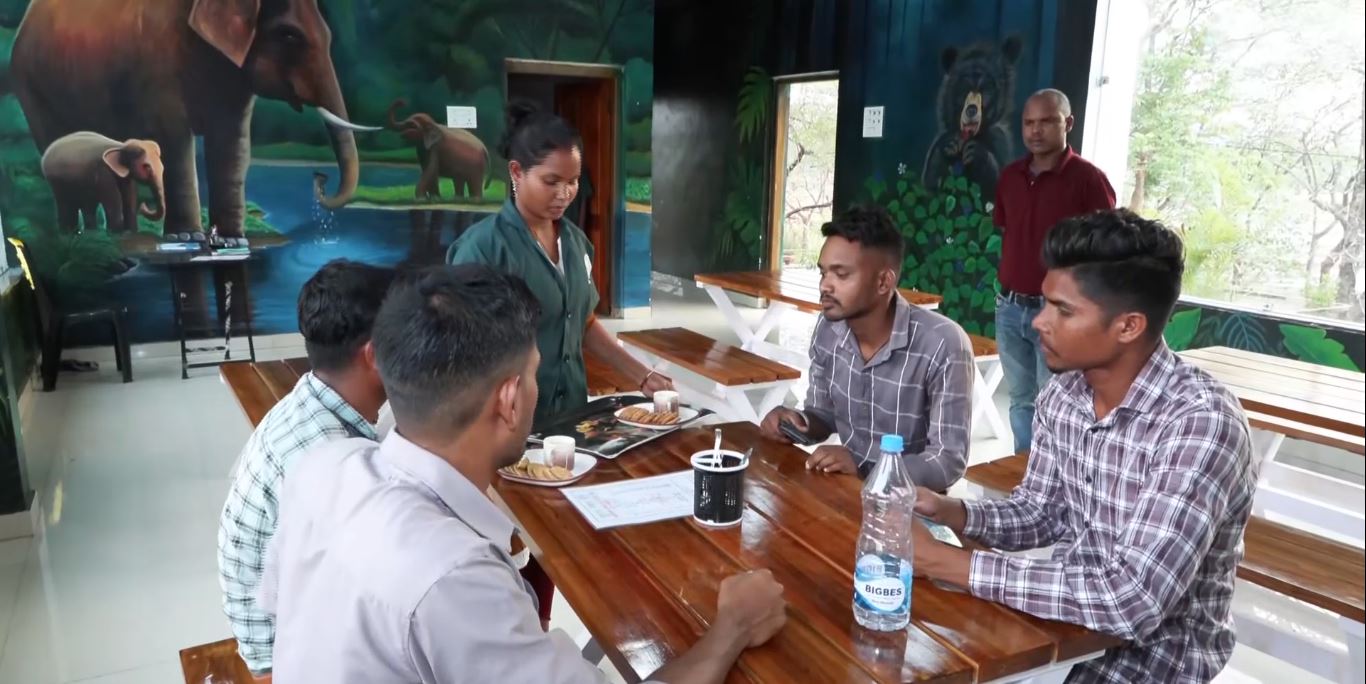
The natural setting, combined with the human stories behind the cafe, adds a unique dimension to the experience.
Importantly, the initiative also brings together people from different backgrounds.
Locals, tourists, and even families affected by earlier violence now share the same space, interacting in an atmosphere far removed from the tensions of the past. This everyday engagement is seen as a key step in healing old wounds.
The Bastar region--comprising districts such as Sukma, Bijapur, Dantewada, Kanker, Narayanpur, Kondagaon, and Bastar--has witnessed a gradual shift in recent years. Alongside security measures, the government has expanded rehabilitation schemes to encourage surrenders and provide alternatives to those leaving the insurgency.
The impact of such efforts is becoming visible through initiatives like this cafe. By combining livelihood opportunities with community participation, authorities hope to ensure that former insurgents remain connected to a stable and peaceful way of life.
For the women at Tungal Natures Cafe, the transformation is already tangible. A life once marked by conflict has now been replaced with routine work, shared responsibilities, and renewed aspirations. As visitors arrive for tea and conversation, the cafe quietly narrates a larger story of transition, resilience and the possibility of lasting peace in a region long affected by violence.
Kuhram Rame, a surrendered Naxal ranked as Area Committee Member, who carried a Rs 5 lakh reward, said the rehabilitation programme has given her a new identity.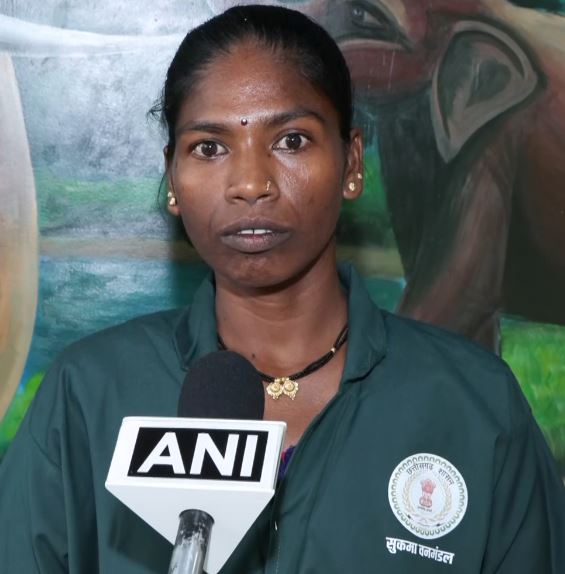
"For many years, I was involved in Naxal activities, but after surrendering, I got an opportunity to start a new life. Working at Tungal Natures Cafe has given me dignity, employment, and peace of mind. Today, I want to live a normal life and appeal to others still in the jungle to return to the mainstream and choose peace", she said.
Madvi Budhri, a Battalion-1 member who also carried a reward of Rs 5 lakh, said surrender changed her life completely.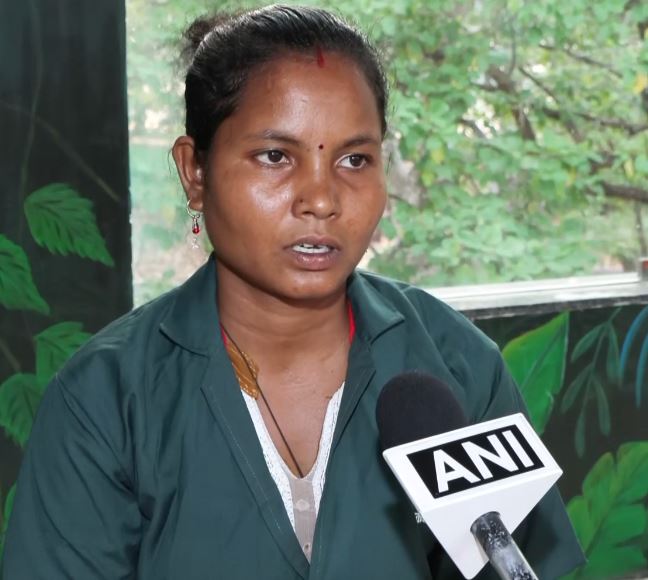
"Earlier, our lives were surrounded by fear and uncertainty. After surrendering, I joined the rehabilitation programme where I learned cooking and other work. Now, working at the cafe and interacting with visitors every day has changed my life and thinking. I want to move ahead peacefully and build a secure future", she said.
Saroj, a victim whose husband was killed by Naxals, said the shift towards peace is a positive sign.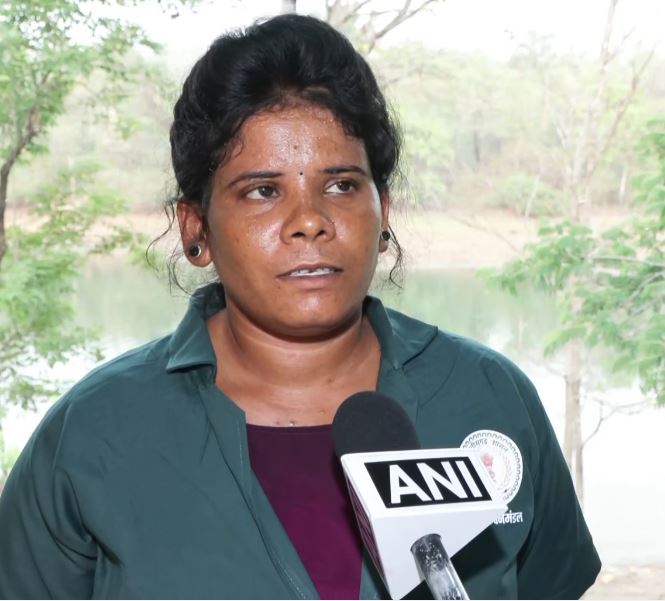
"My family suffered deeply because of Naxal violence after losing my husband. No one should have to face such pain. If those involved in violence are now returning to society and choosing honest work, it is a good sign for the region. We hope for lasting peace, development, and a better future for the coming generations", she said.
Monika Shyam, Deputy Superintendent of Police (Chhattisgarh Police), said the initiative is focused on restoring dignity and self-confidence among surrendered women cadres.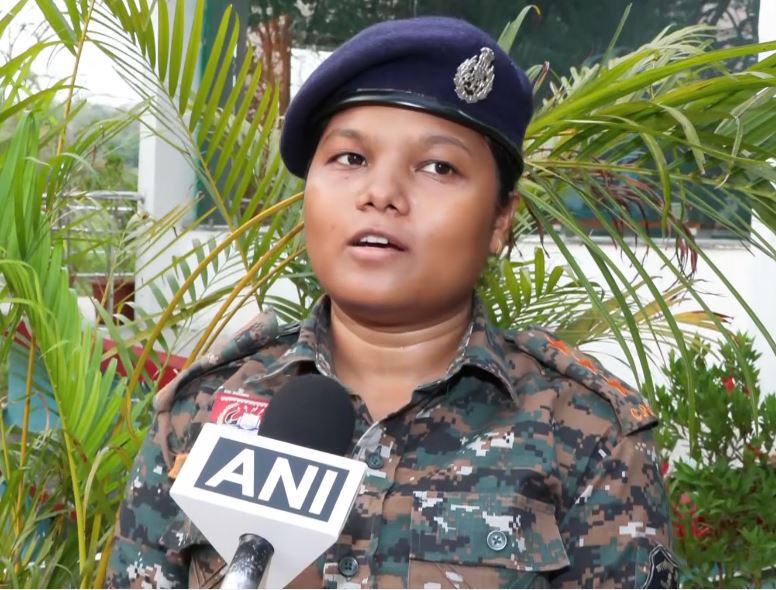
"This initiative is aimed at giving surrendered women Naxals a chance to rebuild their lives with dignity and self-confidence. By engaging them in livelihood activities at Tungal Natures Cafe, we are helping them become part of mainstream society again. Their journey reflects how support, trust, and opportunities can bring meaningful change in Bastar", she said.
Manish Ratre, Deputy Superintendent of Police (Chhattisgarh Police), also said the cafe has become a symbol of transformation in the region.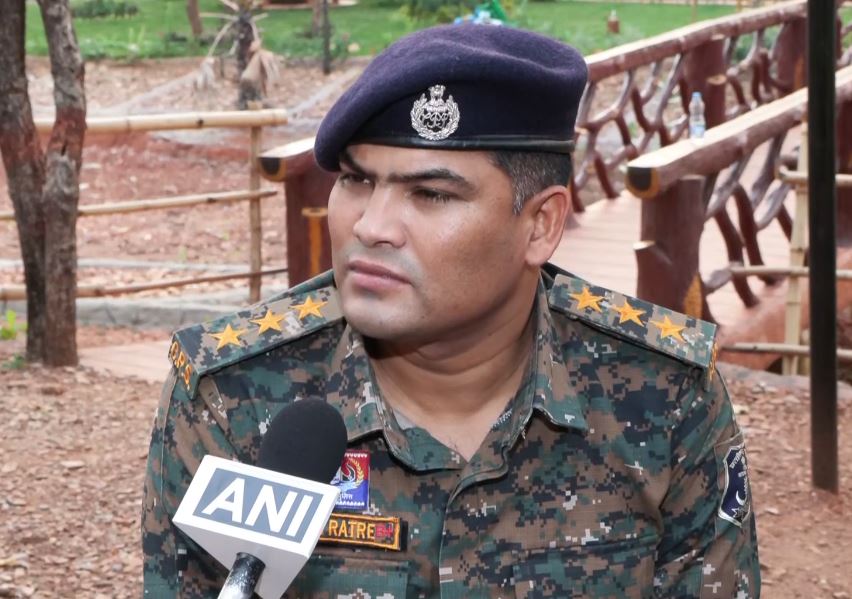
"Tungal Natures Cafe has emerged as a strong example of transformation in Sukma. Women who were once involved in extremist activities are now leading normal lives, working with local people, and motivating others to choose peace and development. Such rehabilitation efforts are important for ensuring lasting stability and harmony in the region", he said.